What is Teeth Whitening?
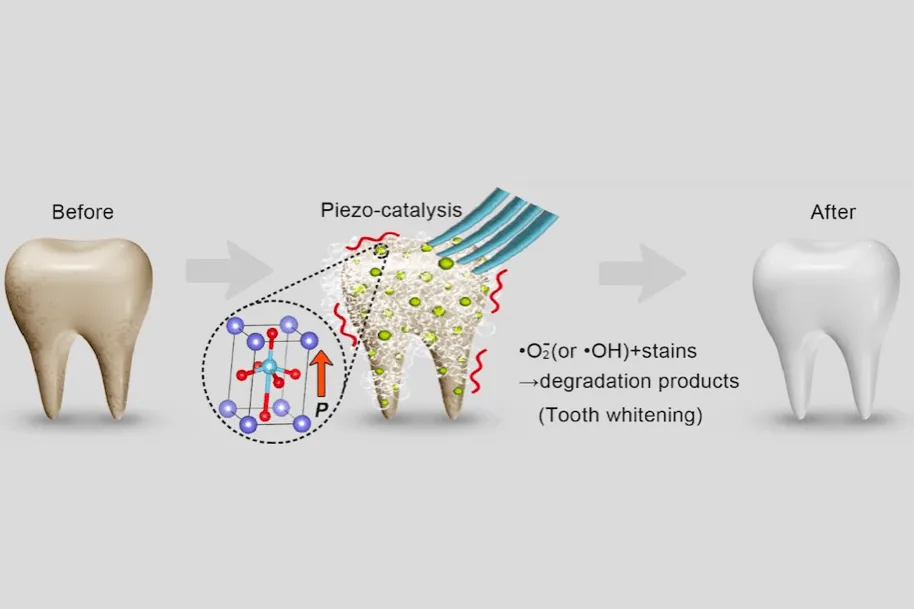
Teeth whitening is a cosmetic dental procedure designed to lighten the shade of your teeth. It’s one of the most popular cosmetic treatments, sought after by individuals looking to enhance their smiles and boost their confidence. The process typically involves using bleaching agents, like hydrogen peroxide or carbamide peroxide, to break down stains and discolorations that have accumulated on the surface of your teeth. These stains can result from various factors, including the consumption of certain foods and beverages, smoking, and the natural aging process. Understanding the basics of teeth whitening is the first step in making informed decisions about the best approach for you. The goal is to achieve a brighter, more aesthetically pleasing smile.
Types of Teeth Whitening Treatments
There are several methods for teeth whitening, each with its own advantages and considerations. These treatments can generally be categorized into professional whitening and at-home whitening kits. Both approaches use bleaching agents, but the concentration and application methods differ significantly. The choice of method depends on your individual needs, the severity of the staining, and your budget. Consulting with a dentist is crucial to determine the most suitable option for your specific situation and to ensure the safety and effectiveness of the treatment. Understanding these different methods allows you to make a more informed choice regarding your teeth whitening journey, leading to a more successful and satisfying outcome.
Professional Whitening

Professional teeth whitening is performed by a dentist in their office. It typically involves a higher concentration of bleaching agents, which allows for faster and more dramatic results. The dentist will apply a protective barrier to your gums to prevent irritation and then apply the whitening solution to your teeth. A special light or laser may be used to accelerate the bleaching process. This method offers the advantage of immediate results and is often the most effective for stubborn stains. Regular check-ups and professional cleanings are essential to keep your teeth healthy and bright. The entire procedure usually takes about an hour, and you can leave the office with a significantly brighter smile. While it is effective, it is generally more expensive than at-home options.
At-Home Whitening Kits
At-home whitening kits are available over-the-counter or through your dentist and offer a more affordable and convenient alternative. These kits typically include trays that fit over your teeth and contain a lower concentration of bleaching agent. You wear the trays for a specified period, usually for a few minutes to several hours each day, for a week or two. Results are generally less immediate and less dramatic compared to professional whitening, but they can still effectively lighten your teeth over time. It’s essential to follow the instructions carefully and be patient. Your dentist can provide custom-fitted trays and professional-grade bleaching agents for a more effective at-home experience. Before using any at-home kit, consult with your dentist to ensure it is safe for your teeth and gums.
Understanding Tooth Enamel
What is Tooth Enamel?

Tooth enamel is the hard, outer protective layer of your teeth. It’s the most mineralized substance in the human body, primarily composed of calcium phosphate. Enamel is translucent, which allows the underlying dentin to show through, contributing to the color of your teeth. It protects the sensitive inner layers of your teeth from physical, chemical, and bacterial damage. Enamel is also crucial for biting and chewing. However, enamel is susceptible to erosion from acids found in food, drinks, and dental plaque. Unlike other tissues in your body, enamel does not regenerate, so once it’s damaged, it’s gone for good. Therefore, protecting your enamel is essential for long-term oral health.
Enamel and Teeth Whitening
The relationship between enamel and teeth whitening is a critical aspect of understanding the safety and effectiveness of these procedures. The bleaching agents used in whitening, typically hydrogen peroxide or carbamide peroxide, work by penetrating the enamel and breaking down the stain molecules. While this process is effective, it can also impact the enamel. The concentration of the bleaching agent, the duration of exposure, and the frequency of treatments are factors that influence potential damage. Careful consideration is required to minimize any negative effects on enamel. Regular dental check-ups and following a dentist’s advice is essential to ensure your enamel remains healthy and strong during whitening treatments. Overuse or improper use can lead to increased enamel sensitivity and potential damage.
Does Whitening Damage Enamel?
The direct answer to whether teeth whitening damages enamel is complex. In many cases, professionally administered or dentist-approved whitening treatments are unlikely to cause significant, irreversible damage to the enamel when used as directed. However, the potential for damage exists, particularly if the process is misused or overused. Some studies suggest that high concentrations of bleaching agents, prolonged exposure times, or frequent treatments can lead to enamel demineralization, which can weaken the enamel. This makes your teeth more vulnerable to decay and sensitivity. The degree of damage also depends on individual factors, such as the thickness and composition of your enamel. It is crucial to consult with a dentist to assess your oral health and determine the safest approach to teeth whitening.
How Whitening Affects Enamel

Teeth whitening can affect enamel in a few ways. The bleaching agents can temporarily dehydrate the enamel, leading to increased sensitivity. Additionally, the process can cause a slight loss of minerals from the enamel, known as demineralization. This process makes the enamel more porous and susceptible to stains and damage. However, with proper care and by following dentist’s recommendations, the enamel can remineralize over time. Furthermore, whitening can sometimes lead to changes in the enamel’s surface structure, making it slightly rougher. This can potentially increase the risk of staining. Proper oral hygiene practices, including using fluoride toothpaste, are essential to counteract these effects and help maintain healthy enamel.
The Science Behind Enamel Erosion
Enamel erosion is the gradual loss of enamel due to acid attacks. This acid can come from various sources, including the bleaching agents used in teeth whitening, as well as from acidic foods and drinks, and even stomach acid in cases of acid reflux. When enamel is exposed to acid, it loses minerals, becoming weaker and more porous. Over time, this can lead to tooth sensitivity, discoloration, and an increased risk of cavities. The process of enamel erosion is complex. Understanding the science behind it helps you to make informed decisions regarding the safety of teeth whitening procedures. It also highlights the importance of maintaining good oral hygiene and adopting healthy habits to protect your enamel. This way you can reduce the risk of damage from whitening treatments.
5 Things to Know About Teeth Whitening and Enamel
- Consult your dentist before starting any whitening treatment to assess your oral health and determine if it’s safe for your teeth.
- Use products with a lower concentration of bleaching agent to minimize potential enamel damage, especially with at-home kits.
- Follow the instructions carefully and don’t overuse the whitening products. Overuse can lead to increased sensitivity and enamel erosion.
- Use fluoride toothpaste and other remineralizing products to strengthen your enamel and counteract any potential damage.
- Be mindful of your diet. Avoid or limit highly acidic foods and drinks during and after whitening treatments to protect your enamel.
Choose the Right Whitening Method

Choosing the right teeth whitening method is crucial for achieving the best results while minimizing potential risks to your enamel. Professional whitening, performed by a dentist, often provides the most controlled and safest environment due to the expertise and precise application of bleaching agents. At-home whitening kits can be an effective and more affordable option. However, you should always consult with your dentist before using them to ensure they are appropriate for your specific needs and oral health. The decision should consider factors such as the severity of the staining, your budget, and your tolerance for sensitivity. Carefully review the pros and cons of each method and select the one that best aligns with your expectations and safety concerns.
Follow Dentist’s Recommendations
Following your dentist’s recommendations is paramount for safe and effective teeth whitening. Your dentist can assess your oral health, identify any existing issues, and advise you on the most suitable whitening method. They will also provide instructions on how to use the whitening products correctly, including the duration of treatments and the frequency of application. They can also monitor your progress, address any concerns, and offer solutions to manage sensitivity or other side effects. Adhering to these recommendations ensures you get the desired results while minimizing any potential risks to your enamel and overall oral health. Your dentist is the most reliable source of information and guidance. Following their advice is a crucial step to achieve a beautiful, healthy smile.
Be Mindful of Whitening Frequency
The frequency of teeth whitening treatments is a key factor in protecting your enamel. Overuse can increase the risk of enamel erosion and sensitivity. It is generally recommended to whiten your teeth only when necessary and to space out treatments. For professional whitening, this might mean undergoing the procedure once or twice a year. For at-home treatments, following the instructions provided with the kit or recommended by your dentist is essential. Avoid excessive use, and consider waiting several months between treatments to allow your enamel to remineralize. Your dentist can help you determine the optimal frequency based on your individual circumstances and the specific whitening method you are using. Being mindful of the frequency helps you achieve a brighter smile while preserving your enamel health.
Sensitivity and Whitening

Tooth sensitivity is a common side effect of teeth whitening, often due to the temporary dehydration of enamel and the irritation of the tooth’s nerves. It can range from mild discomfort to sharp, shooting pains, particularly when consuming hot or cold foods and beverages. Sensitivity usually subsides within a few days to a couple of weeks after the whitening treatment. Understanding the causes and managing the sensitivity can improve your experience. Although not everyone experiences sensitivity, it is a potential side effect. However, it should not prevent you from considering whitening. With proper care and precautions, you can minimize and manage the discomfort, ensuring a more pleasant whitening journey. Sensitivity is usually temporary and manageable.
How to Minimize Sensitivity
Several strategies can help minimize tooth sensitivity during teeth whitening. Using a desensitizing toothpaste containing potassium nitrate for a few weeks before the treatment can help prepare your teeth. Using a soft-bristled toothbrush and avoiding harsh brushing can also reduce sensitivity. During the whitening treatment, it is recommended to take breaks if you experience discomfort and reduce the duration or frequency of the application. Your dentist may also recommend using a fluoride varnish to strengthen your enamel. After whitening, avoiding extremely hot or cold foods and drinks for a few days can help minimize discomfort. Following these tips can significantly reduce sensitivity and make the process more comfortable.
Other Considerations
Several other factors should be considered when contemplating teeth whitening. The presence of dental restorations, such as fillings, crowns, and veneers, is an essential consideration. These restorations will not whiten with the bleaching agents, meaning you may need to replace them to match your newly whitened teeth. The cause and type of tooth discoloration also matter. Some stains, such as those caused by tetracycline antibiotics, are more difficult to remove. Also, the patient’s overall oral health and the presence of conditions like gum disease or cavities need to be assessed. Your dentist can perform this assessment. Pregnant or breastfeeding women should consult their doctor before undergoing any whitening treatments. Considering these additional factors ensures that teeth whitening is safe and effective for you.
Maintaining a White Smile

Maintaining a white smile after teeth whitening requires consistent effort and a commitment to good oral hygiene. Regular brushing and flossing are essential for removing plaque and preventing stains. Brushing at least twice a day with fluoride toothpaste helps maintain your bright smile. You should also consider using an electric toothbrush for more effective cleaning. Avoiding or limiting the consumption of staining foods and drinks, such as coffee, tea, red wine, and berries, will also help to preserve the results of your whitening treatment. Regular dental check-ups and professional cleanings can also keep your teeth healthy and bright. With proper care, you can enjoy your beautiful, white smile for years to come.
Healthy Habits for a Brighter Smile
Adopting healthy habits is crucial for maintaining a brighter smile and preventing future discoloration. This includes brushing your teeth twice a day with fluoride toothpaste, flossing daily to remove plaque and food particles, and using mouthwash to rinse away bacteria. Limiting your intake of staining foods and drinks, such as coffee, tea, and red wine, and avoiding tobacco products is also beneficial. Additionally, consider using a straw when drinking staining beverages to minimize their contact with your teeth. Regular dental check-ups and professional cleanings are essential to keep your teeth clean and bright and to detect any potential issues early. By incorporating these habits into your daily routine, you can enjoy a healthy, beautiful smile for a long time.