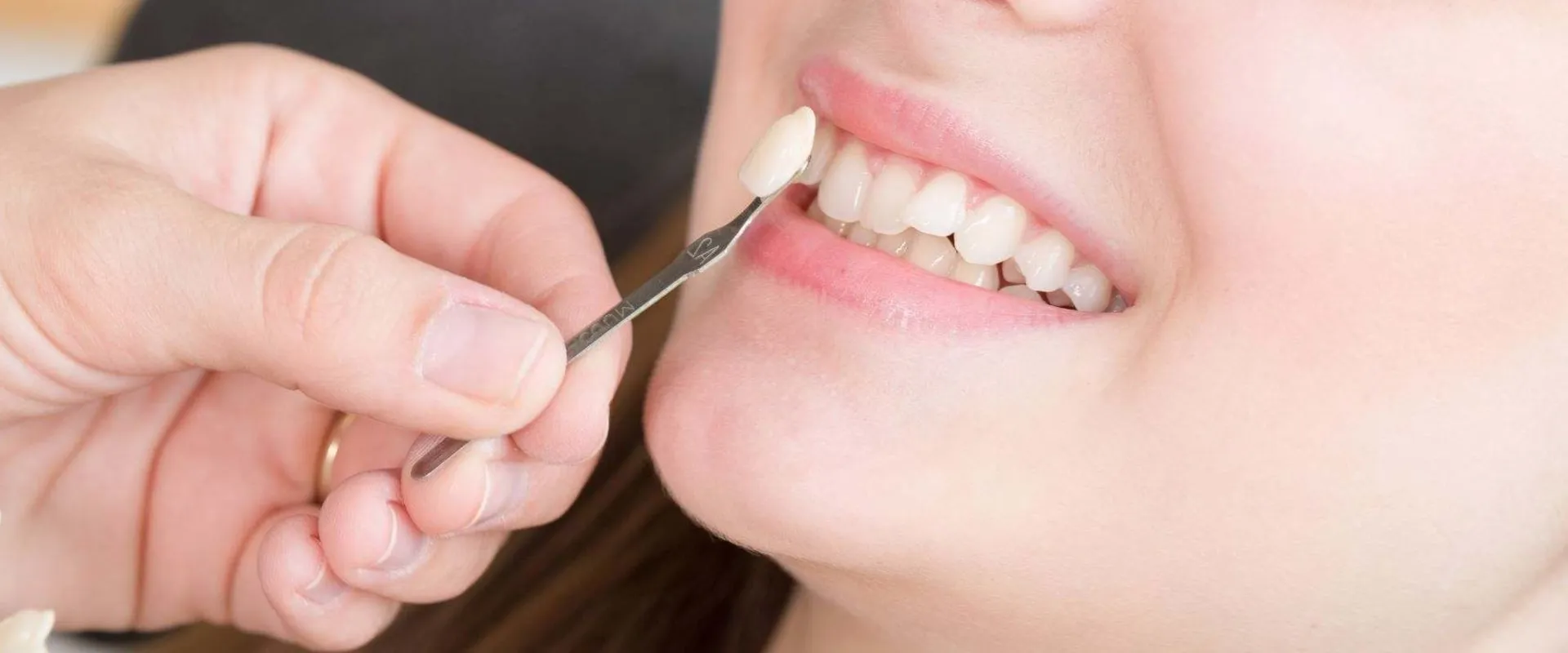
Understanding Teeth Whitening Sensitivity
Teeth whitening, while a popular cosmetic procedure, can sometimes lead to temporary sensitivity or pain. This discomfort arises from the process of bleaching the teeth, which involves chemical reactions that can affect the tooth’s outer layers. Understanding the causes and factors involved is crucial to managing and minimizing any potential pain. Sensitivity can vary significantly from person to person, depending on the health of the teeth, the type of whitening treatment, and individual pain thresholds. The goal is to achieve a brighter smile with minimal discomfort, making informed decisions about the process essential for a positive experience. Several factors contribute to this sensitivity, including the chemical composition of whitening agents and the condition of the tooth enamel.
Common Causes of Whitening Teeth Pain
The sensation of pain or sensitivity during teeth whitening is primarily due to the action of the whitening agents on the tooth’s structure. These agents, typically hydrogen peroxide or carbamide peroxide, penetrate the enamel and dentin to break down stain molecules. This process can irritate the nerves within the teeth, leading to sensitivity. Additional factors like existing dental issues, such as cavities or cracks, can exacerbate the discomfort. Individuals with thinner enamel or receding gums may also experience heightened sensitivity, as the protective layers of the teeth are reduced. Proper understanding of these elements facilitates the adoption of appropriate precautions and pain management strategies.
Chemical Composition and Sensitivity

The chemical makeup of teeth whitening products plays a significant role in the level of sensitivity experienced. Hydrogen peroxide and carbamide peroxide, the active ingredients in most whitening treatments, are oxidizing agents that break down stain molecules. However, they can also penetrate the enamel and dentin, reaching the nerve endings within the tooth. The concentration of these chemicals is a key factor; higher concentrations often yield quicker results but may also increase sensitivity. The longer the whitening agent is in contact with the teeth, the more likely sensitivity will occur. Therefore, the type of product and the duration of its use are important considerations.
Hydrogen Peroxide and Carbamide Peroxide Effects
Hydrogen peroxide is a stronger whitening agent that delivers faster results compared to carbamide peroxide. However, it’s also more likely to cause sensitivity. Carbamide peroxide, on the other hand, breaks down into hydrogen peroxide, releasing it more slowly. This controlled release can reduce sensitivity for some individuals. The effectiveness and the side effects, like sensitivity, depend on the concentration of the active ingredient, the duration of application, and the specific product formulation. Many over-the-counter products contain lower concentrations of hydrogen peroxide, leading to less sensitivity than professional treatments. Conversely, in-office procedures often use higher concentrations for immediate whitening effects, which can lead to greater discomfort.
The use of hydrogen peroxide and carbamide peroxide can cause teeth sensitivity. The products are used to break the stain molecules which results in temporary sensitivity. The concentration of chemicals used is a major factor, the higher the concentration results to faster results but this can lead to sensitivity.
The Role of Enamel Thinning
The thickness and condition of tooth enamel also play a role in sensitivity during whitening. Enamel acts as a protective barrier, shielding the underlying dentin and nerve endings. Individuals with thinner enamel, either naturally or due to erosion, may experience increased sensitivity because the whitening agents can more easily reach the nerve-rich dentin. Acidic foods and drinks, aggressive brushing, and conditions like bruxism (teeth grinding) can contribute to enamel erosion. Furthermore, if the enamel has microscopic cracks or is porous, it allows whitening agents to penetrate more easily, exacerbating sensitivity. Maintaining healthy enamel is vital before and during the whitening process.
Professional vs. Over-the-Counter Whitening

The type of teeth whitening treatment significantly impacts the potential for pain or sensitivity. Professional treatments, performed by a dentist, often use higher concentrations of whitening agents, yielding faster and more dramatic results. However, the higher concentration can also lead to more intense and immediate sensitivity. Over-the-counter (OTC) products, such as whitening strips and gels, generally contain lower concentrations of the active ingredients, which may result in less sensitivity. However, they might require more extended use to achieve the desired results. The choice between professional and OTC methods should be based on individual needs, tolerance for sensitivity, and desired outcomes, always considering professional advice.
In-Office Whitening Procedures
In-office whitening procedures typically involve a dentist applying a high-concentration whitening agent to the teeth. The process may include using a special light or laser to accelerate the whitening process. Due to the high concentration of the bleaching agent and the intensity of the light, these procedures often cause more significant sensitivity. Dentists take precautions to minimize discomfort, such as using a protective barrier for the gums and applying desensitizing agents. The duration of in-office treatments is usually shorter, with results visible in a single session. This is a great option for those looking for immediate results and are prepared for potential short-term sensitivity.
At-Home Whitening Kits and Their Impact
At-home whitening kits offer a more gradual approach to teeth whitening and generally result in less sensitivity compared to in-office treatments. These kits often include custom-fitted trays or strips that are applied at home. The whitening agents in these kits are usually available in lower concentrations, leading to less irritation. However, the treatment period is usually longer to get noticeable results. Adhering to the instructions is important to minimize potential sensitivity and ensure optimal results. Individuals using at-home kits should monitor their teeth for any signs of increased sensitivity and adjust their usage as needed. The main advantage of at-home kits is their convenience and lower cost compared to professional treatments.
Top 5 Tips to Minimize Whitening Pain

Managing sensitivity during teeth whitening can greatly enhance your experience. Various strategies can help minimize discomfort and maintain a bright smile. From choosing the right products to adjusting your diet, these tips can make a significant difference. It’s important to be patient and listen to your teeth, modifying your approach as needed to achieve your desired results with the least amount of pain. These techniques can provide noticeable relief and enable you to continue with your whitening journey comfortably.
Choose the Right Whitening Products
The choice of whitening products is crucial in managing sensitivity. Opting for products with lower concentrations of hydrogen or carbamide peroxide can significantly reduce the likelihood of discomfort. Consider starting with over-the-counter options, such as whitening strips, which typically have lower concentrations than professional treatments. Look for products that are specifically designed to minimize sensitivity, often containing ingredients like potassium nitrate, which can help block nerve signals. Consulting with a dentist is always a good idea to get personalized advice. It can help to choose a product that aligns with your sensitivity level and whitening goals.
Desensitizing Toothpaste: How it Helps
Using desensitizing toothpaste is an effective way to reduce sensitivity before, during, and after teeth whitening. These toothpastes contain ingredients like potassium nitrate or stannous fluoride, which help block the tubules in the dentin, reducing nerve irritation. Start using desensitizing toothpaste a few weeks before beginning your whitening treatment to build up a protective layer. Continue using it throughout the whitening process and afterward. Regular use of desensitizing toothpaste can significantly reduce sensitivity and provide relief. Ensure the toothpaste comes into contact with all teeth surfaces to maximize its effectiveness.
Proper Application Techniques

Proper application techniques can greatly influence the level of discomfort experienced during teeth whitening. For at-home treatments, carefully follow the product instructions. Avoid overfilling trays or using too much gel, which can cause the product to come into contact with the gums, potentially increasing sensitivity. Ensure even distribution of the whitening agent on your teeth. For professional treatments, communicate any sensitivity to your dentist. They can adjust the treatment or provide additional protective measures. Careful application minimizes unnecessary irritation and helps you get the best results.
Dietary Considerations after Whitening
Following a diet that avoids certain foods and drinks can help minimize sensitivity and support the whitening process. After a whitening treatment, teeth are more vulnerable to staining and sensitivity. A diet that steers clear of highly acidic and staining foods can make a huge difference. This means temporary restrictions. This will help maintain results and decrease the risk of discomfort. It’s important to adopt a diet that helps you get the best results and reduce any form of sensitivity.
Foods to Avoid
Certain foods can exacerbate sensitivity and stain your teeth during and after whitening. Avoid highly acidic foods, such as citrus fruits, tomatoes, and vinegar-based products, as they can irritate the enamel. Also, steer clear of foods with strong colors or staining properties, such as berries, soy sauce, and curries. Maintaining a bland diet for a short period after whitening is recommended. This allows your teeth to recover and prevents stains. Focus on foods like white rice, pasta, and dairy products, which are less likely to cause irritation or staining.
Drinks to Avoid

Certain drinks can also worsen sensitivity and stain your teeth. Avoid highly acidic drinks, such as fruit juices, sodas, and sports drinks, as they can erode the enamel. Drinks with high staining potential, such as coffee, tea, and red wine, should also be avoided or consumed in moderation. If you must drink these beverages, use a straw to minimize contact with your teeth. Water and milk are excellent choices as they are safe for your teeth and can aid in rehydration.
When to See a Dentist
Knowing when to consult a dentist is crucial to ensure safe and effective teeth whitening. While some sensitivity is normal, persistent or severe pain may indicate underlying dental issues that need professional attention. Regular dental check-ups before starting any whitening treatment are also essential to identify any pre-existing conditions. If you have any concerns about your teeth or experience extreme pain during the whitening process, a dentist can offer guidance and recommendations. The dentist can provide personalized advice based on the state of your teeth and recommend the best treatment options. Do not ignore any serious pain or health issues. A dentist can assist in addressing problems effectively.
Severe Pain and Persistent Sensitivity
If you experience severe pain or persistent sensitivity that does not subside after a few days or weeks, it’s essential to consult a dentist. This level of discomfort may indicate underlying dental problems, such as cavities, cracks, or gum issues, that need immediate attention. Your dentist can diagnose the cause of the pain and suggest appropriate treatments, such as fillings, root canals, or other procedures. Do not ignore symptoms, as neglecting them could worsen the problem. Getting professional advice can ensure you receive the correct treatment and maintain your oral health.
Other Oral Health Problems

Teeth whitening may highlight other oral health problems. If you experience any other oral health issues while getting your teeth whitened, schedule an appointment. Your dentist can evaluate these issues and develop an appropriate treatment plan. Addressing all health concerns is essential for overall dental health and a healthy mouth. The dentist can check for tooth decay, gum disease, or any other issues that may be impacted by the whitening process. Regular dental check-ups and prompt action can address your problems effectively.
Alternatives to Whitening
If you find that teeth whitening causes too much sensitivity or is not suitable for your dental condition, several alternatives can help improve the appearance of your smile. These options provide alternatives to cosmetic procedures. The best option depends on the individual’s needs and preferences. It’s essential to consider the benefits and drawbacks of each option and to discuss your choices with your dentist. You may still achieve a brighter smile and improve your overall oral health.
Alternatives to whitening provides you with options for your teeth. This can range from professional treatments to at-home treatments, it all depends on your preferences.
If you’re sensitive to teeth whitening, you can consider these alternatives to get a perfect smile.