Whitening Strips vs Toothpaste Understanding the Difference
Achieving a brighter smile is a common goal, and both whitening strips and toothpaste offer solutions. However, they work differently and cater to different needs and preferences. Understanding the fundamental differences between whitening strips and toothpaste is the first step in making an informed decision. This guide will delve into the mechanics of each, their effectiveness, potential side effects, and overall cost, allowing you to choose the best option for your dental hygiene. The choice isn’t necessarily about one being superior, but rather which method aligns best with your individual needs, budget, and oral health goals. A healthy, radiant smile can significantly boost confidence, and choosing the right whitening method is a critical component of achieving that.
How Whitening Strips Work
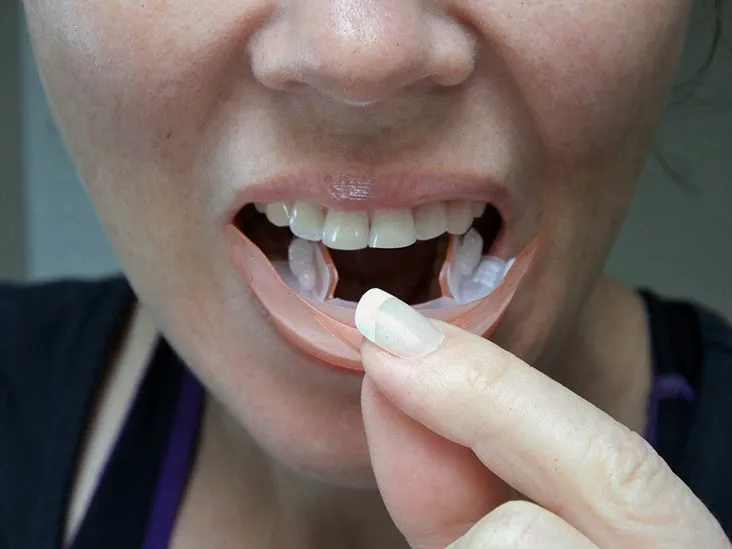
Whitening strips are thin, flexible strips coated with a peroxide-based whitening agent, typically hydrogen peroxide or carbamide peroxide. They are designed to be applied directly to the teeth for a specific duration, as indicated by the product instructions. The active ingredient in the strips penetrates the enamel, breaking down stains and discolorations. They provide a more concentrated dose of whitening agents directly to the teeth, allowing for potentially faster and more dramatic results compared to toothpaste. Whitening strips are often preferred for their convenience and ease of use, as they can be incorporated into your daily routine without major disruption, making them a popular choice for at-home teeth whitening.
The Science Behind Whitening Strips

The science behind whitening strips is rooted in the chemical reaction of the peroxide agent with the stains on your teeth. The peroxide molecules seep into the porous enamel, where they react with the stain molecules, breaking them down into smaller, less visible components. This oxidation process essentially bleaches the teeth from the inside out. The concentration of the peroxide determines the effectiveness and speed of the whitening process. Higher concentrations typically yield faster results but also come with an increased risk of sensitivity. The contact time, as specified on the product, is crucial because it allows sufficient time for the peroxide to react with the stains, so it’s essential to adhere to the manufacturer’s instructions for optimal outcomes.
Types of Whitening Strips
Whitening strips come in different formulations, each tailored to provide varying levels of whitening and cater to different sensitivities. Some are designed for quick results, containing higher concentrations of peroxide, while others offer gentler options for sensitive teeth, utilizing lower peroxide levels. There are also strips with different application methods, such as those that mold to the teeth for better contact and those that dissolve. Some brands also offer strips that focus on targeting specific types of stains, like those caused by coffee or tobacco. Choosing the right type of whitening strip depends on your individual needs, the severity of your stains, and your sensitivity level. Always check with your dentist if you have any concerns or pre-existing dental conditions before starting.
How Toothpaste Works
Whitening toothpaste is a daily oral hygiene product designed to remove surface stains and maintain a brighter smile. Unlike whitening strips, which penetrate the enamel, whitening toothpaste primarily works by abrasive action and the inclusion of mild chemical agents. These agents help scrub away stains caused by food, drinks, and other factors. Toothpaste is a crucial part of everyday oral care, providing an easy and accessible way to manage teeth whitening. Regular use of whitening toothpaste can maintain results and help prevent new stains from forming. It complements other whitening methods and contributes to overall oral hygiene.
The Role of Abrasives

Abrasives in whitening toothpaste are the primary stain-removing agents. These microscopic particles gently scrub the tooth surface, removing surface stains. The abrasiveness of a toothpaste is measured by its Relative Dentin Abrasivity (RDA) value. Toothpastes with higher RDA values are more effective at removing stains, but they can also potentially damage enamel with prolonged use. It is essential to select toothpaste with a moderate RDA, typically between 70 and 100, to effectively remove stains without excessive abrasion. The abrasive action is often combined with brushing techniques to maximize stain removal while maintaining tooth health, so proper brushing technique is as important as the toothpaste itself.
The Role of Whitening Agents
Besides abrasives, some whitening toothpastes contain chemical whitening agents such as hydrogen peroxide or other specialized ingredients. These agents work similarly to those found in whitening strips, albeit at much lower concentrations. The chemical agents gently lift stains from the tooth surface and help prevent new stains from forming. They often assist in the removal of deeper stains that abrasives alone cannot manage. The effectiveness of these agents varies depending on their concentration and the formulation of the toothpaste. When selecting a whitening toothpaste, consider ingredients like stannous fluoride, which can offer additional benefits like sensitivity relief and enamel protection, enhancing the overall effectiveness and benefits of the toothpaste.
Effectiveness Comparison
Comparing the effectiveness of whitening strips and toothpaste, it’s essential to understand that they operate through different mechanisms. Whitening strips generally provide more dramatic and quicker results because of their higher concentrations of whitening agents, and the direct and prolonged contact with the teeth. Whitening toothpaste, while offering a gradual brightening effect, is mainly effective at removing surface stains and maintaining whiteness rather than significantly altering the intrinsic color of your teeth. Both methods contribute to a brighter smile, but the extent and speed of the results vary greatly. The choice depends on your desired outcome and the urgency of achieving a whiter smile.
Whitening Strips Results

Whitening strips are known for producing noticeable results within a relatively short timeframe, often a few days to a couple of weeks, depending on the product and individual factors. The degree of whitening varies; some strips are designed for substantial changes, while others offer more subtle improvements. The effectiveness can also be influenced by the severity of the existing stains. For those with significant discoloration from coffee, tea, or smoking, the impact may be more pronounced. Consistency is key; using the strips as directed is essential for achieving the expected results. While the effects can be significant, the duration of the whitening effect is also important, which can vary, so you’ll likely require occasional maintenance.
Toothpaste Whitening Capabilities
Whitening toothpaste provides a more gradual and subtle approach to brightening teeth. Its primary function is to remove surface stains, so it’s best used for maintaining whiteness and preventing new stains. Regular use can make a noticeable difference over time, typically over several weeks or months. The degree of whitening depends on the formulation of the toothpaste and the individual’s oral hygiene habits. While not as dramatic as whitening strips, whitening toothpaste is a practical and affordable option for daily use. This is a great way to complement professional treatments or maintain the results from whitening strips. Proper brushing technique is critical to maximizing the stain-removing benefits of the toothpaste.
Factors Influencing Effectiveness
Several factors influence the effectiveness of both whitening strips and toothpaste. The type and severity of stains play a crucial role; surface stains are easier to remove than those embedded deep within the enamel. The concentration of the active whitening agent is also significant; higher concentrations often lead to quicker results. Adherence to product instructions is paramount, as incorrect usage can diminish effectiveness. Individual factors such as diet, lifestyle (smoking), and oral hygiene habits also affect the outcome. Furthermore, the natural shade of your teeth can impact the degree of whitening achievable, as results vary from person to person. Be realistic with your expectations and consider consulting with a dentist for personalized advice.
Cost Analysis

The cost of teeth whitening treatments varies widely, and both whitening strips and toothpaste offer different price points. Understanding the costs associated with each method helps in making a budget-friendly decision. The initial expense of a treatment isn’t the only factor; it’s important to consider the long-term use and potential need for maintenance. This will help you determine the true cost of achieving and maintaining a brighter smile. Proper cost analysis allows you to select an option that provides the desired results while staying within your financial boundaries.
Whitening Strips Price Range
The price of whitening strips varies depending on the brand, the number of strips in the package, and the concentration of the whitening agent. Generally, whitening strips are more expensive than whitening toothpaste. The costs can range from a few dollars to over one hundred dollars for a complete treatment. Higher-end strips often include advanced formulations, such as those designed to reduce sensitivity or provide faster results. When considering the cost, evaluate the number of strips and the duration of the treatment; a longer treatment might be more economical in the long run. Comparison shopping and reading reviews can also help you find a product that meets your needs and fits your budget.
Toothpaste Cost Considerations
Whitening toothpaste is generally more affordable than whitening strips, making it an accessible option for regular use. The cost varies, depending on the brand and the specific ingredients. Whitening toothpastes are readily available at most stores and can be incorporated into your daily oral hygiene routine without a significant impact on your budget. When assessing cost, it’s essential to consider factors like the size of the tube, the frequency of use, and whether it is a part of a larger oral care regimen. Buying in bulk or taking advantage of promotions and sales can further reduce the cost. Despite being more affordable, the cost-effectiveness of whitening toothpaste is linked with its ability to provide a gradual whitening effect and maintain your teeth’s brightness.
Value for Money

Determining the value for money requires assessing the cost against the results and the duration of the whitening effect. Whitening strips offer potentially faster and more noticeable results, which justify their higher price point for those seeking a quick enhancement. Whitening toothpaste provides a cost-effective way to maintain a brighter smile over time, especially if used consistently. Value also depends on individual needs; if you need a significant change for an event, whitening strips may be a better investment, whereas those aiming for gradual improvement might find whitening toothpaste more valuable. Considering both short-term and long-term costs, along with personal preferences, will help you determine which product offers the best value for your money.
Potential Side Effects
Both whitening strips and toothpaste can cause side effects, so it’s crucial to be aware of them before beginning any treatment. Common side effects include tooth sensitivity and gum irritation. These effects are typically temporary and subside once the treatment is stopped or when the sensitivity is managed. Understanding these side effects allows you to choose the product that minimizes the risks and provides the best oral health experience. Consulting a dentist is always wise to assess your oral health and minimize any potential risks associated with whitening products. Choosing the right product and taking the proper precautions can help to maintain a healthy and attractive smile.
Whitening Strips Sensitivity
Tooth sensitivity is a common side effect associated with whitening strips, especially those with higher concentrations of peroxide. The peroxide can penetrate the enamel and reach the dentin, irritating the nerves in the teeth. This sensitivity usually manifests as a sharp, sudden pain when consuming hot or cold foods and drinks. Gum irritation is another potential side effect, as the whitening agent can come into contact with the gums, causing redness, swelling, or discomfort. To mitigate sensitivity, consider using lower-strength strips, applying them for a shorter duration, or using a sensitivity toothpaste during treatment. It is also crucial to avoid overusing the strips and to adhere to the instructions provided by the manufacturer, as this reduces the likelihood of experiencing side effects.
Toothpaste Side Effects

Whitening toothpaste is generally gentler than whitening strips, but it can still cause side effects. The abrasive nature of some whitening toothpastes may lead to increased tooth sensitivity, especially for those with thinner enamel or receding gums. Prolonged use of highly abrasive toothpastes can also damage the enamel over time. Some whitening toothpastes may contain chemicals that could irritate the gums or soft tissues in the mouth. To minimize risks, select toothpastes with a lower RDA rating and always brush gently, using a soft-bristled toothbrush. If you experience sensitivity or irritation, switch to a toothpaste designed for sensitive teeth and consult your dentist for advice.
Mitigating Risks
You can mitigate the risks associated with both whitening strips and toothpaste by implementing several strategies. For whitening strips, starting with a lower concentration of peroxide, or using them for a shorter duration, can help reduce sensitivity. Using a sensitivity toothpaste before, during, and after treatment can also provide relief. For whitening toothpaste, select a product with a lower RDA value and avoid excessive brushing pressure. Ensure you have good oral hygiene practices, and consider consulting with your dentist before using any whitening products. Regular dental check-ups can also help identify and address any oral health issues early on, minimizing the potential for adverse effects.
Application and Usage
Proper application and usage are critical to achieving the best results and minimizing potential side effects with both whitening strips and toothpaste. Following the instructions provided by the manufacturer ensures the most effective and safe results. Whether you choose whitening strips or toothpaste, incorporating them correctly into your oral hygiene routine is vital to enhancing your smile. Proper techniques and habits will not only improve the whitening outcomes but also contribute to better overall oral health, which leads to long-term benefits.
Applying Whitening Strips

Applying whitening strips is a simple process, but it requires careful attention to detail. First, brush your teeth gently to remove any food particles or debris. Avoid brushing immediately before applying the strips, as this may increase sensitivity. Carefully peel the strips from their backing and apply them to your teeth, aligning them with the gum line. Press the strips gently to ensure they adhere properly. Make sure to avoid contact with the gums as much as possible. Leave the strips on for the recommended time, usually between 30 minutes and an hour. After the time has elapsed, remove the strips and discard them. Rinse your mouth thoroughly with water and avoid eating or drinking anything other than water for at least 30 minutes. Consistently following these steps will help you achieve the desired results while minimizing the risk of any side effects.
Using Whitening Toothpaste
Using whitening toothpaste is as simple as incorporating it into your daily oral hygiene routine. Apply a pea-sized amount of toothpaste to your toothbrush. Brush your teeth gently for at least two minutes, ensuring you cover all surfaces of your teeth. Focus on circular motions, and don’t apply excessive pressure, as this can damage your enamel. After brushing, rinse your mouth thoroughly with water. For optimal results, use whitening toothpaste at least twice a day, in the morning and before bed. Pair whitening toothpaste with other oral hygiene habits, such as flossing and mouthwash, to enhance the effects. Remember that consistency is key, as the whitening results from toothpaste are gradual; patience is necessary.
Best Practices for Optimal Results
To achieve the best results, there are several practices to follow with either method. With whitening strips, avoid eating, drinking, or smoking while the strips are applied, and adhere strictly to the recommended usage time. For toothpaste, brush your teeth gently and consistently, twice a day, and consider using an electric toothbrush for more effective cleaning. Additionally, combine these whitening methods with other oral hygiene practices, such as flossing and using mouthwash. Regular dental check-ups and cleanings are also essential to maintaining your overall oral health and enhancing your smile. By following these practices and maintaining a consistent routine, you can maximize the effectiveness of your teeth whitening efforts.
Conclusion Whitening Strips vs Toothpaste Making the Right Choice
Choosing between whitening strips and toothpaste depends on your individual needs and goals. Whitening strips offer a quick and potent solution, ideal for those seeking rapid results. Toothpaste is more suitable for those who prefer a gradual approach and want to maintain a brighter smile as part of their daily routine. Consider your budget, your tolerance for potential side effects, and how much time and effort you’re willing to invest. A combination of both may provide the most comprehensive approach to teeth whitening, with strips used for an initial boost, followed by toothpaste for maintenance. The best choice is the one that fits seamlessly into your lifestyle, helps you achieve your desired results safely, and contributes to your overall oral health. Consulting with a dentist can provide tailored guidance, helping you make the best decision for a brighter and more confident smile.