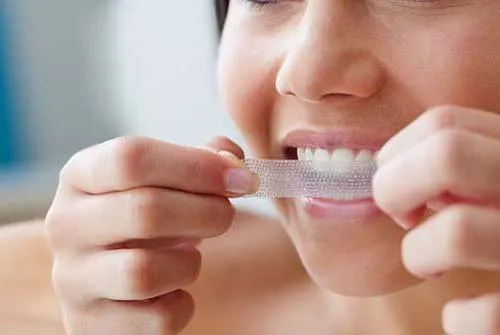
What are Whitening Strips
Whitening strips have become a popular method for achieving a brighter smile in the comfort of your own home. These thin, flexible strips are coated with a whitening agent, typically hydrogen peroxide or carbamide peroxide. They are designed to be applied directly to the teeth, adhering to the surface and initiating a chemical reaction that helps to break down stains and discoloration. The convenience and affordability of whitening strips make them an attractive option for those seeking a quick and easy way to enhance their dental aesthetics. It’s important to understand how they work and the correct usage to maximize their effectiveness and minimize any potential side effects. They are readily available over the counter and offer a convenient way to improve the appearance of teeth without a dental appointment.
How Whitening Strips Work
The effectiveness of whitening strips lies in the chemical reaction triggered by the active ingredients. The peroxide-based whitening agent penetrates the enamel, the outer layer of the tooth, and breaks down the stain molecules that cause discoloration. This process is often referred to as oxidation. The strips work by adhering closely to the tooth surface, ensuring prolonged contact with the whitening agent. The concentration of the active ingredient and the duration of the application time influence the degree of whitening achieved. Consistent use, as directed, is key to seeing noticeable results. The process targets both surface stains and deeper discoloration, offering a comprehensive approach to teeth whitening.
The Science Behind Whitening Strips

At the molecular level, the whitening process involves the breakdown of stain molecules. These molecules, which absorb light and give teeth a yellow or brownish appearance, are broken down into smaller, less visible particles. The peroxide agents release oxygen free radicals, which react with these stain molecules, effectively decolorizing them. The enamel’s porous nature allows the whitening agent to penetrate, reaching the stained areas. The strength of the peroxide concentration and the duration of its contact with the teeth directly impact the degree of whitening. Understanding the science behind whitening strips helps users appreciate how these products achieve their cosmetic effects and manage expectations regarding results. Also, it is crucial to follow instructions and guidelines to avoid damaging teeth or gums.
Do’s After Using Whitening Strips
To ensure the best results and protect your oral health, it’s important to follow certain guidelines after using whitening strips. Adhering to these ‘do’s’ can significantly impact the effectiveness of the treatment and minimize the risk of potential side effects. Following these recommendations will not only enhance your smile’s brightness but also help maintain the health and integrity of your teeth and gums. Careful attention to these practices can contribute to a more comfortable and effective whitening experience, ensuring you achieve the desired results with minimal adverse effects. Proper aftercare is essential for maximizing the benefits of whitening strips.
Brush Your Teeth After Whitening Strips
The common practice among dental professionals is to brush your teeth before applying whitening strips, not immediately after. Brushing before helps remove any plaque or debris that could hinder the whitening agent’s effectiveness. However, after using the strips, it’s advisable to wait before brushing your teeth. This waiting period allows the enamel to re-mineralize and reduces the chance of sensitivity. Additionally, certain toothpastes may contain abrasives that could potentially erode the enamel immediately after the treatment. It’s essential to follow the instructions provided with your specific whitening strips and listen to your dentist’s advice for the best results.
Wait Time

Waiting for a certain amount of time after using whitening strips is crucial. The exact duration can vary depending on the product, but it’s typically recommended to wait at least 30 minutes to an hour before brushing your teeth. This allows the enamel to settle and reduces the chance of sensitivity. During this waiting period, the teeth are more vulnerable, and brushing immediately could potentially cause minor damage. By allowing sufficient time, you help protect your enamel and ensure the best possible outcome from the whitening treatment. Always check the product instructions and consult with your dentist if you have specific questions.
Choosing the Right Toothpaste
When choosing a toothpaste to use after whitening strips, consider a formula designed for sensitive teeth or one that is fluoride-rich. Toothpastes with harsh abrasives should be avoided, as they can be too aggressive on the enamel immediately after whitening. Fluoride helps remineralize the enamel and protect against sensitivity. Look for a toothpaste that is gentle yet effective at cleaning and removing plaque. Consulting your dentist or a dental hygienist can help you find the best toothpaste to use after whitening strips. This careful selection of toothpaste ensures your teeth stay healthy and your whitening results last longer.
The Importance of Flossing
Flossing is a critical part of post-whitening care, as it helps remove plaque and food particles from between teeth and along the gum line. This is crucial for maintaining overall oral health and preventing staining. Flossing also ensures that the whitening agent can effectively reach all tooth surfaces. It is advisable to floss before applying the whitening strips, to clean the teeth, so it can work correctly. Gentle flossing helps remove debris and prevent the buildup of substances that can impact your smile’s brightness. A consistent flossing routine, combined with proper brushing and regular dental check-ups, helps to maintain a healthy, radiant smile.
Don’ts After Using Whitening Strips

To make the most of your whitening treatment and avoid potential issues, there are several things you should avoid after using whitening strips. These ‘don’ts’ are important for protecting your teeth and maintaining the results. The following guidelines help to maximize the benefits of the whitening process and reduce the risk of adverse effects. Paying attention to these recommendations will help you achieve a brighter, healthier smile and ensure your teeth whitening experience is successful.
Foods and Drinks to Avoid
Certain foods and drinks can stain teeth and undo the effects of whitening strips. It’s essential to avoid or minimize the consumption of these items after using the strips. Coffee, tea, red wine, and dark-colored sodas are major culprits, as they contain pigments that can easily stain the newly whitened enamel. Foods such as berries, soy sauce, and curries can also contribute to staining. Limiting these items for the duration of your whitening treatment and for a few weeks after can help you maintain your brighter smile. Consider drinking these beverages through a straw to reduce contact with your teeth.
Smoking and Whitening Strips
Smoking is a major contributor to tooth discoloration, and it can significantly impact the effectiveness of whitening strips. The nicotine and tar in tobacco products stain the teeth, undoing the whitening process and leading to a yellowing appearance. Smoking also reduces the effectiveness of the whitening treatment and can lead to a less desirable outcome. To achieve and maintain a brighter smile, it’s strongly recommended to avoid smoking or using tobacco products, especially during and after a teeth-whitening treatment. Quitting smoking has multiple health benefits, including preserving the results of your whitening efforts and improving overall oral health.
Other Factors to Consider

Besides following the ‘do’s and don’ts’, other factors can influence your teeth-whitening experience. Understanding these additional aspects can help you to achieve the best results and minimize potential problems. Paying attention to these factors ensures a more effective and comfortable whitening process. This will help you manage expectations and make informed decisions about your dental care. A comprehensive approach will help you to maximize the effectiveness of your teeth whitening efforts.
Sensitivity and Whitening Strips
Tooth sensitivity is a common side effect of teeth whitening, including the use of whitening strips. The peroxide in the strips can penetrate the enamel and reach the nerves, causing sensitivity to hot and cold. If you experience sensitivity, try using a toothpaste designed for sensitive teeth, which can help soothe the nerves. Reduce the frequency of treatments or shorten the application time. If the sensitivity persists or is severe, consult your dentist. They can provide guidance and recommendations to manage the sensitivity and to ensure your oral health is protected. They may recommend products or treatments to help alleviate the discomfort.
Consulting a Dentist
Before using whitening strips, it’s a good idea to consult with your dentist. A dentist can assess your oral health, identify any existing dental issues, and advise you on the best course of action. They can determine if whitening strips are suitable for your teeth and provide personalized recommendations. Dentists can also offer professional whitening treatments, such as in-office whitening, for more dramatic results. Regular dental check-ups are essential to ensure that your teeth are healthy and that any potential problems are addressed. Consulting with a dental professional ensures your teeth-whitening experience is safe, effective, and tailored to your specific needs. They can also provide tips on maintaining the results of your treatment.
In conclusion, maintaining a beautiful and healthy smile requires careful attention to detail, especially when using whitening strips. By adhering to the recommended ‘do’s’ and avoiding the ‘don’ts,’ you can achieve optimal results and keep your teeth looking their best. Remember that the specific instructions for each product vary. Always follow the manufacturer’s instructions. Regular dental check-ups, good oral hygiene, and thoughtful aftercare are essential for a brighter, healthier smile. Prioritizing proper care, you can enjoy a confident smile for years to come. Your commitment to these practices will not only enhance your smile but also contribute to your overall oral health.