
What is Whitening Mouthwash?
Whitening mouthwash is a specialized oral hygiene product formulated to brighten the appearance of teeth. Unlike regular mouthwash, which primarily focuses on freshening breath and reducing plaque, whitening mouthwash contains active ingredients designed to remove surface stains. These products are often used as part of a comprehensive oral care routine, offering a convenient way to maintain a brighter smile. They typically come in a liquid form, making them easy to incorporate into daily habits. Using a whitening mouthwash can complement other teeth-whitening methods or serve as a standalone approach for those seeking a subtle improvement in tooth shade. Understanding the composition and functionality of whitening mouthwash is the first step in evaluating its effectiveness and suitability for individual needs.
How Does Whitening Mouthwash Work?
Whitening mouthwash works through a combination of chemical and mechanical actions. The primary mechanism involves the use of active ingredients that target and break down stains on the surface of the teeth. These stains are often caused by substances like coffee, tea, tobacco, and certain foods. When the mouthwash comes into contact with the teeth, the active ingredients begin to react with the stain molecules, effectively lifting them away. Additionally, some whitening mouthwashes may contain mild abrasives that help to physically remove stains during rinsing. Regular use, as directed, can lead to gradual improvements in tooth brightness, contributing to a visibly whiter smile over time. The effectiveness of whitening mouthwash, however, is influenced by several factors, including the type of stains, the concentration of active ingredients, and the frequency of use.
Whitening Agents in Mouthwash

The key to the whitening capabilities of these mouthwashes lies in their active ingredients. These agents work diligently to combat discoloration and promote a brighter smile. Understanding these components helps consumers make informed choices about which product best suits their needs and expectations. Various chemical compounds are employed, each with a unique method of action and degree of effectiveness. The most common active ingredients in whitening mouthwash include Hydrogen Peroxide and other oxidizing agents. These components interact with the stains on the enamel to diminish their appearance. The choice of agent and its concentration often depend on the mouthwash’s formulation and intended use, offering various levels of whitening power and suitability for sensitive teeth.
Hydrogen Peroxide
Hydrogen peroxide is a widely used whitening agent in mouthwashes due to its effective stain-removal properties. It works by oxidizing the stain molecules, breaking them down and making them less visible. The concentration of hydrogen peroxide in mouthwash typically ranges from low percentages to ensure safety and minimize potential side effects like gum irritation or tooth sensitivity. It’s crucial to adhere to the manufacturer’s instructions when using hydrogen peroxide-based mouthwashes to achieve the best results while protecting oral health. Regular use of a mouthwash containing hydrogen peroxide can contribute to a noticeable improvement in tooth whiteness over time, making it a popular choice for those seeking a brighter smile. This chemical agent is a cornerstone in many whitening formulations.
How Effective is Whitening Mouthwash?
The effectiveness of whitening mouthwash varies based on several factors. Generally, these mouthwashes are most effective at removing surface stains and providing a subtle whitening effect. They may not produce the dramatic results seen with professional whitening treatments, such as those performed by a dentist. The active ingredients in the mouthwash help to lighten the teeth by breaking down stain molecules, but the degree of whitening depends on the concentration of these ingredients, the duration of contact with the teeth, and the individual’s oral hygiene habits. Consistent use, as directed, is key to achieving the desired results. Whitening mouthwash can be a valuable addition to a daily oral care routine, particularly for maintaining a brighter smile and preventing the buildup of new stains. Expectations should align with the capabilities of the product; while it can offer noticeable improvements, it is often a gradual process.
Factors Affecting Effectiveness

Several factors influence how well whitening mouthwash performs. These include the type and severity of the stains, the frequency and duration of use, and the individual’s existing oral health condition. Surface stains caused by coffee, tea, and tobacco are generally more responsive to whitening agents than deeper stains. The consistency of use is also crucial; following the product’s instructions, including the recommended rinse time and frequency, maximizes its effectiveness. Furthermore, the concentration of the active whitening agent, such as hydrogen peroxide, plays a significant role. Products with higher concentrations may yield faster results but also pose a higher risk of sensitivity. Individual factors like tooth enamel porosity and the presence of existing dental work can also impact the outcome. Understanding these factors helps manage expectations and make informed decisions about the use of whitening mouthwash as part of an oral care routine.
Severity of Stains
The effectiveness of whitening mouthwash often depends on the nature and intensity of the stains. Surface stains, typically caused by everyday substances such as coffee, tea, wine, and tobacco, are generally easier to remove. These stains are on the outermost layer of the tooth enamel and can be effectively addressed with the active ingredients in whitening mouthwash. More severe stains, such as those that have penetrated deeper into the enamel or are caused by intrinsic factors like aging or certain medications, may be less responsive. In such cases, professional whitening treatments or other more intensive methods might be necessary to achieve the desired results. Therefore, assessing the type and severity of the stains is an essential step in determining whether whitening mouthwash is a suitable approach for improving the brightness of your teeth.
Frequency of Use
The frequency with which you use whitening mouthwash directly impacts its effectiveness. Consistency is critical; following the manufacturer’s instructions ensures you get the best results. Most whitening mouthwashes suggest use twice daily, ideally after brushing your teeth. Adhering to this routine provides the active ingredients with the necessary time to interact with and remove stains from your teeth. Overuse, however, may lead to increased sensitivity or irritation. Therefore, sticking to the recommended usage is essential for both efficacy and safety. Regular, consistent use allows the whitening agents to gradually lighten the teeth, leading to a brighter and more appealing smile over time. Always read the product label for specific instructions and follow them closely to maximize the benefits.
Type of Whitening Mouthwash

Different types of whitening mouthwash are available, each with varying formulations and active ingredients. Some contain hydrogen peroxide, known for its strong whitening properties, while others may use alternative agents to remove stains. The choice of mouthwash should be guided by individual needs and preferences, including sensitivity levels and desired results. Some mouthwashes also incorporate fluoride, which helps strengthen tooth enamel, providing an added benefit. Additionally, alcohol-free options are available for those who prefer to avoid alcohol-based products. When selecting a whitening mouthwash, consider factors such as the concentration of active ingredients, the presence of fluoride, and whether it suits your sensitivity levels. Consulting with a dentist can also help determine the most appropriate type of whitening mouthwash for your specific dental needs and goals.
Benefits of Using Whitening Mouthwash
Incorporating whitening mouthwash into your daily oral hygiene routine provides several advantages beyond just a brighter smile. It helps improve overall oral hygiene by reducing the buildup of plaque and bacteria, which can contribute to gum disease and cavities. Many whitening mouthwashes also freshen breath, providing a sense of cleanliness and confidence. In addition, regular use of whitening mouthwash can help maintain the brightness of your teeth, preventing stains from setting in. It is a convenient and accessible method for enhancing your smile while promoting better oral health. Combining these benefits makes whitening mouthwash a valuable addition to any dental care regimen, offering both cosmetic and health advantages.
Improved Oral Hygiene
One of the primary benefits of using whitening mouthwash is the enhancement of oral hygiene. The mouthwash helps to reduce the amount of plaque and bacteria in the mouth, which are major contributors to tooth decay and gum disease. By rinsing with whitening mouthwash, you can reach areas that brushing might miss, ensuring a more thorough cleaning. Many formulas also contain ingredients that fight gingivitis and promote healthier gums. Integrating whitening mouthwash into your routine can thus significantly improve the overall health of your mouth, contributing to stronger teeth and healthier gums. This proactive approach not only improves the appearance of your smile but also protects your teeth from long-term damage.
Fresher Breath
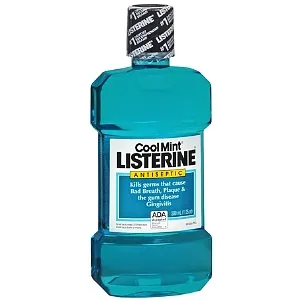
Another significant benefit of using whitening mouthwash is fresher breath. The antibacterial properties in many mouthwashes help eliminate the bacteria that cause bad breath, leaving your mouth feeling clean and revitalized. Whitening mouthwashes often contain ingredients that neutralize odor-causing compounds, providing long-lasting freshness. Regular use can boost confidence in social interactions and improve overall oral hygiene. The ability to combat bad breath, combined with the teeth-whitening effect, makes whitening mouthwash a dual-action product that caters to both aesthetic and health concerns.
Considerations and Potential Side Effects
While whitening mouthwash can offer several benefits, it is essential to be aware of potential side effects and considerations before incorporating it into your routine. Some individuals may experience tooth sensitivity or gum irritation, particularly with mouthwashes that contain higher concentrations of whitening agents like hydrogen peroxide. It is crucial to follow the manufacturer’s instructions and not overuse the product to minimize these risks. People with existing dental issues, such as sensitive teeth, gum disease, or cavities, should consult their dentist before using whitening mouthwash. Understanding the potential side effects and taking preventive measures can help ensure that you achieve the desired results safely.
Sensitivity
Tooth sensitivity is a common side effect of using whitening mouthwash, especially those with higher concentrations of active ingredients. The whitening agents can sometimes penetrate the enamel and irritate the nerves in the teeth, leading to increased sensitivity to hot or cold foods and drinks. This sensitivity is usually temporary and diminishes once the use of the mouthwash is stopped or reduced. To minimize sensitivity, it’s advisable to start with a low-concentration mouthwash, use the product as directed, and avoid overuse. People with pre-existing tooth sensitivity should consult their dentist before using whitening mouthwash, as they may recommend a different approach or product to minimize discomfort. Listening to your body and adjusting your routine accordingly can help manage sensitivity effectively.
Irritation

Irritation of the gums and soft tissues in the mouth is another potential side effect of using whitening mouthwash. This can manifest as redness, swelling, or a burning sensation, particularly if the mouthwash contains harsh ingredients or is overused. The risk of irritation is higher for individuals with sensitive gums or those prone to mouth sores. To mitigate this risk, it is crucial to choose a mouthwash that is suitable for your sensitivity level and to adhere to the recommended usage instructions. If you experience any signs of irritation, it is advisable to discontinue use and consult your dentist. They can assess your condition and recommend alternative oral care practices to minimize discomfort and promote oral health.
Choosing the Right Whitening Mouthwash
Selecting the right whitening mouthwash involves considering various factors to ensure it aligns with your individual needs and preferences. The first step is to read the product labels and understand the active ingredients and their concentrations. Hydrogen peroxide is a common whitening agent, but the concentration can vary, influencing the intensity of the whitening effect. If you have sensitive teeth, look for a lower concentration or an alcohol-free formula. Other important considerations include fluoride content and whether the mouthwash has any additional benefits, such as plaque reduction or breath freshening. Consulting with your dentist is the best way to get a recommendation tailored to your specific oral health needs.
Reading Labels
Carefully reading product labels is crucial when choosing a whitening mouthwash. Pay close attention to the active ingredients and their concentrations. Hydrogen peroxide is a common whitening agent, and the concentration will determine how effectively it brightens your teeth. If you have sensitive teeth, opt for a mouthwash with a lower concentration or consider an alcohol-free option. Also, check for the presence of fluoride, which helps strengthen tooth enamel. In addition, note the recommended usage instructions, including how often to use the mouthwash and the duration of each rinse. Being informed about these details will help you make a choice that suits your needs and minimizes the risk of side effects. Always follow the label’s guidance for the best results and to ensure your oral health.
Consulting with a Dentist

Before starting any whitening regimen, it’s highly recommended to consult with your dentist. A dentist can assess your oral health and determine if whitening mouthwash is appropriate for your specific needs. They can identify any underlying issues, such as cavities or gum disease, that might make whitening unsuitable or even harmful. Moreover, your dentist can provide personalized recommendations, considering your sensitivity levels and the type of stains you have. They may suggest a mouthwash with a specific formulation or advise you on alternative whitening methods if necessary. Professional guidance ensures that you achieve the desired results safely and effectively, minimizing the risk of potential side effects and promoting overall oral health. Regular dental check-ups are also essential to monitor your progress and address any concerns.