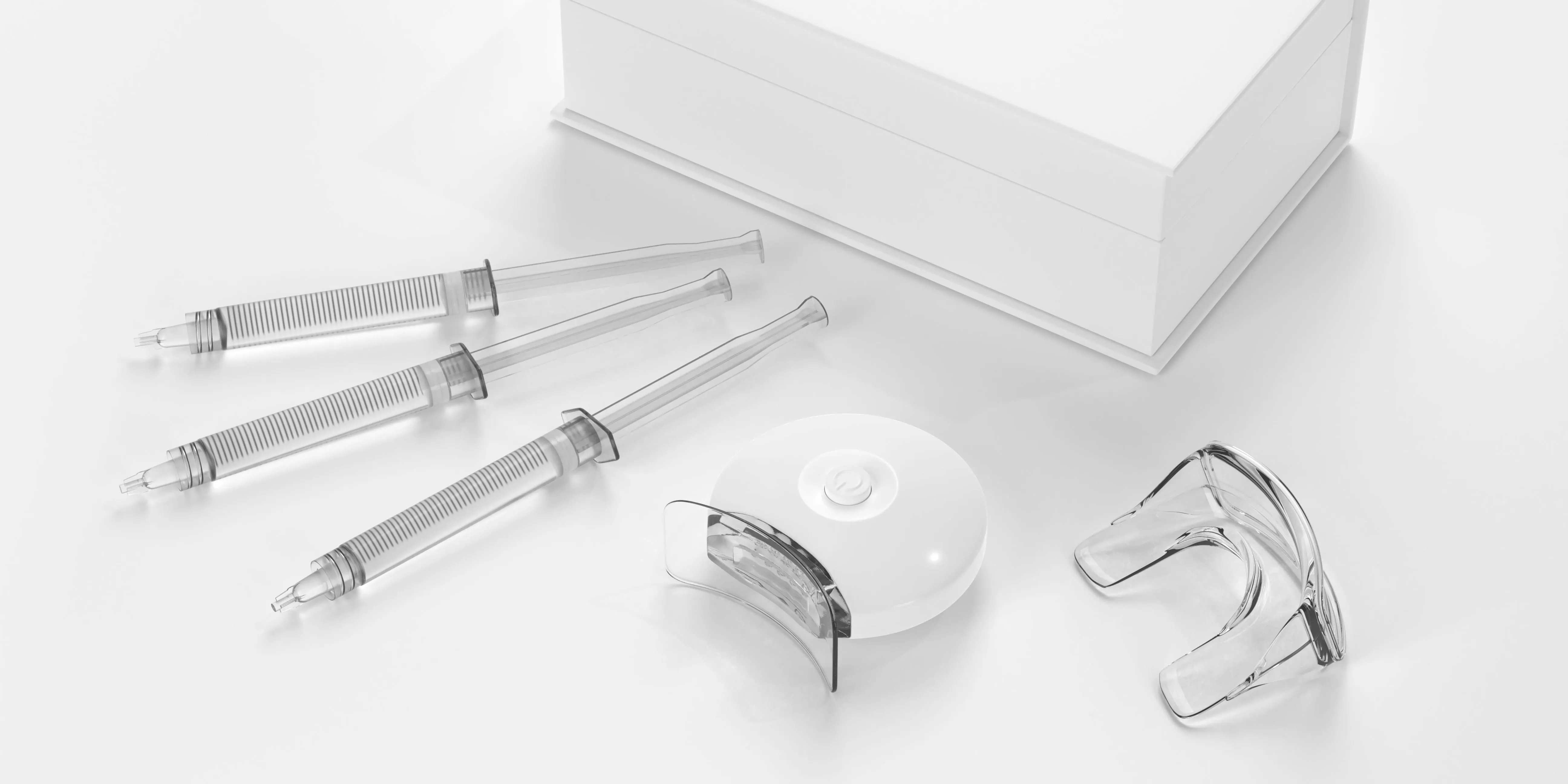
What Are Whitening Kits [Overview]
Whitening kits have become a popular and convenient way to achieve a brighter smile from the comfort of your home. These kits typically contain bleaching agents that penetrate the enamel of your teeth to lighten the discolored molecules. The active ingredients work by breaking down stains and discoloration, resulting in a noticeably whiter appearance. The effectiveness of these kits can vary depending on the concentration of the bleaching agent, the duration of use, and the individual’s dental condition. It is important to understand the different types of whitening kits available and how to choose the best one for your specific needs and dental health.
Types of Whitening Kits
There are several types of whitening kits available, each with its own features and application methods. Understanding the differences between these kits can help you make an informed decision. The most common types of whitening kits are whitening strips, gels, and toothpastes. Each type offers a unique way to apply the whitening agent to your teeth, and their effectiveness may vary based on the concentration of the active ingredients and how consistently they are used. When choosing a kit, consider factors like ease of use, application time, and the potential for sensitivity.
Whitening Strips

Whitening strips are perhaps the most widely recognized type of at-home whitening product. These thin, flexible strips are coated with a whitening gel and are designed to be applied directly to the teeth. They are easy to use and typically require only a short application time, making them a convenient option for many users. The active ingredient in most whitening strips is hydrogen peroxide. The convenience and ease of use of whitening strips make them a popular choice for those seeking a quick and accessible way to brighten their smile. However, results can vary, and consistent use is often necessary to achieve noticeable whitening.
Whitening Gels
Whitening gels often come in a syringe or pen and are applied directly to the teeth using a brush or applicator. These gels can be used with custom-fitted trays or applied directly to the teeth. The gels contain higher concentrations of bleaching agents than strips or toothpastes, which can lead to more significant whitening results. Due to the higher concentrations, it’s important to follow the product instructions carefully to avoid potential side effects, such as teeth sensitivity. Whitening gels offer flexibility in application and can be effective for targeted whitening, but they require careful usage to ensure the best results without harming your teeth.
Whitening Toothpastes
Whitening toothpastes work by removing surface stains from your teeth using mild abrasives and, in some cases, low concentrations of bleaching agents. They are a convenient and affordable option for maintaining a brighter smile as part of your daily oral hygiene routine. While whitening toothpastes can help to remove surface stains and prevent new ones from forming, they typically do not have the same whitening power as strips or gels. They are best used to supplement other whitening methods or as a way to maintain your results. Consistent use of whitening toothpastes can contribute to a cleaner, brighter smile over time.
Whitening Kit Ingredients

The main active ingredients in whitening kits are bleaching agents that break down stains and discoloration within the enamel of your teeth. The most common of these are hydrogen peroxide and carbamide peroxide. The concentration of these ingredients in a kit determines its potency and effectiveness. Understanding the role of these ingredients helps users make informed decisions and use the products safely. Proper usage and adherence to the product instructions are crucial to achieving the desired results without causing damage to your teeth or gums. Always check the ingredients before using the kit to avoid allergic reactions or other sensitivities.
Hydrogen Peroxide
Hydrogen peroxide is a common bleaching agent found in many whitening kits, including strips and gels. It works by oxidizing the stain molecules within the enamel of your teeth, breaking them down and making your teeth appear whiter. The effectiveness of hydrogen peroxide depends on its concentration, with higher concentrations usually resulting in faster and more significant whitening results. However, higher concentrations can also increase the risk of teeth sensitivity and gum irritation. Always follow the product instructions and start with a lower concentration if you have sensitive teeth.
Carbamide Peroxide
Carbamide peroxide is another bleaching agent used in whitening kits, often found in gels. When carbamide peroxide comes into contact with water, it breaks down into hydrogen peroxide and urea. This slow-release action makes it a less harsh option compared to hydrogen peroxide alone, while still effectively whitening teeth. Carbamide peroxide is frequently used in custom-fitted trays prescribed by dentists because it offers a controlled and gradual whitening process. Although less potent than higher concentrations of hydrogen peroxide, carbamide peroxide can still deliver noticeable results with consistent and correct use.
Choosing the Right Whitening Kit

Choosing the right whitening kit requires careful consideration of various factors, including your dental health, sensitivity levels, and desired results. Start by consulting with your dentist to ensure that teeth whitening is appropriate for you and to rule out any underlying dental issues. Researching different brands and reading reviews can also provide insight into the effectiveness and potential side effects of various products. Consider your budget, time commitment, and personal preferences when selecting a whitening kit to ensure it aligns with your needs. Proper selection can maximize your chances of achieving a brighter smile safely and effectively.
Consider Your Teeth Sensitivity
If you have sensitive teeth, choosing a whitening kit that is gentle on your teeth is essential. Look for kits with lower concentrations of hydrogen peroxide or carbamide peroxide. Products specifically designed for sensitive teeth often contain desensitizing agents like potassium nitrate, which helps to reduce sensitivity. Consider starting with a shorter application time or using the product less frequently. Consult your dentist for recommendations on which products are best suited for your sensitivity level. Careful selection and use can allow you to whiten your teeth without experiencing discomfort.
Check the Whitening Kit’s Strength
The strength of a whitening kit, determined by the concentration of the bleaching agent, affects its effectiveness. Higher concentrations can produce faster and more dramatic results but also increase the risk of side effects. For at-home use, the strength of whitening kits is typically lower than those used by dental professionals. If you have a history of sensitivity, consider kits with lower concentrations. Always follow the product instructions and do not exceed the recommended application time. Gradual whitening with lower concentrations is often a safer and more comfortable approach, especially for those new to teeth whitening.
Read Whitening Kits Reviews

Reading reviews from other users can provide valuable insight into the effectiveness and potential side effects of a whitening kit. Look for reviews that discuss results, ease of use, and any adverse reactions experienced. Consider reviews from people with similar dental conditions or sensitivity levels. Websites and online marketplaces often provide customer reviews, which can help you make an informed decision. Be aware that individual results can vary, but reading multiple reviews can give you a general sense of the product’s performance and safety. Prioritize reviews that address your specific concerns.
How to Use Whitening Kits Safely
Using whitening kits safely is crucial to protect your dental health. Always read and follow the manufacturer’s instructions carefully. Avoid overuse and follow the recommended application times and frequency. Ensure you are using the right type of kit for your needs and dental condition. Proper usage can prevent potential side effects like tooth sensitivity and gum irritation. If you experience any adverse reactions, stop using the product immediately and consult your dentist. Safe practices can help you achieve a brighter smile without compromising your oral health.
Follow the Instructions Carefully
The most important step in using a whitening kit safely is to follow the instructions provided by the manufacturer. Each kit has specific guidelines on how to apply the product, how long to leave it on your teeth, and how often to use it. Failing to follow these instructions can lead to ineffective results or increase the risk of side effects. Pay attention to details such as pre-treatment steps, application methods, and post-treatment care. If you are unsure about any part of the instructions, consult your dentist or contact the manufacturer for clarification. Adhering to the instructions will ensure you get the best outcome.
Avoid Overuse

Overuse of whitening kits can lead to increased tooth sensitivity and gum irritation. Avoid using the product more frequently or for longer durations than recommended by the manufacturer. Overuse can damage the enamel of your teeth and make them more vulnerable to decay. If you notice increased sensitivity or any other adverse effects, reduce the frequency of use or discontinue the treatment. Regular dental checkups can also help you monitor your teeth and ensure they are healthy during and after using a whitening kit. Remember that patience is key, and overdoing it will not speed up the process but may cause harm.
Whitening Kits: Risks and Side Effects
While whitening kits are generally safe when used as directed, there are potential risks and side effects. The most common side effects are teeth sensitivity and gum irritation. Sensitivity can occur due to the bleaching agents penetrating the enamel. Gum irritation can result from contact with the whitening product. Understanding these risks can help you prepare for potential issues and take appropriate steps to mitigate them. It is important to be aware of these risks and take proactive steps to minimize their impact, such as using desensitizing toothpaste or consulting your dentist for advice.
Teeth Sensitivity
Teeth sensitivity is a common side effect of using whitening kits. This occurs when the bleaching agents temporarily open the pores in the enamel, allowing the whitening agents to reach the nerves inside your teeth. This can cause discomfort, especially when consuming hot or cold foods and drinks. The level of sensitivity varies among individuals and is often temporary. To reduce sensitivity, use toothpaste designed for sensitive teeth, which often contains potassium nitrate. Avoiding overly hot or cold foods during the whitening treatment can also help. If the sensitivity is severe or prolonged, consult your dentist.
Gum Irritation

Gum irritation is another potential side effect of whitening kits. The bleaching agents can irritate the soft tissues of the gums if they come into prolonged contact. This can lead to redness, swelling, and discomfort. To minimize gum irritation, carefully apply the whitening product to your teeth, avoiding contact with the gums. If using trays, ensure they fit properly and do not allow the gel to leak onto the gums. If irritation occurs, discontinue use immediately and rinse your mouth thoroughly with water. Applying a small amount of petroleum jelly to your gums before application can also help protect them.
Whitening Kits Alternatives
If at-home whitening kits are not suitable or effective for you, or if you prefer alternative options, there are several alternatives to consider. Professional teeth whitening performed by a dentist is a highly effective option. Dental cleanings, porcelain veneers, and teeth bonding are also popular methods for improving the appearance of your smile. Making some lifestyle changes can also contribute to whiter teeth. The best choice for you depends on your specific needs, budget, and desired results. Consulting your dentist can help you determine the most appropriate and effective alternative for your situation.