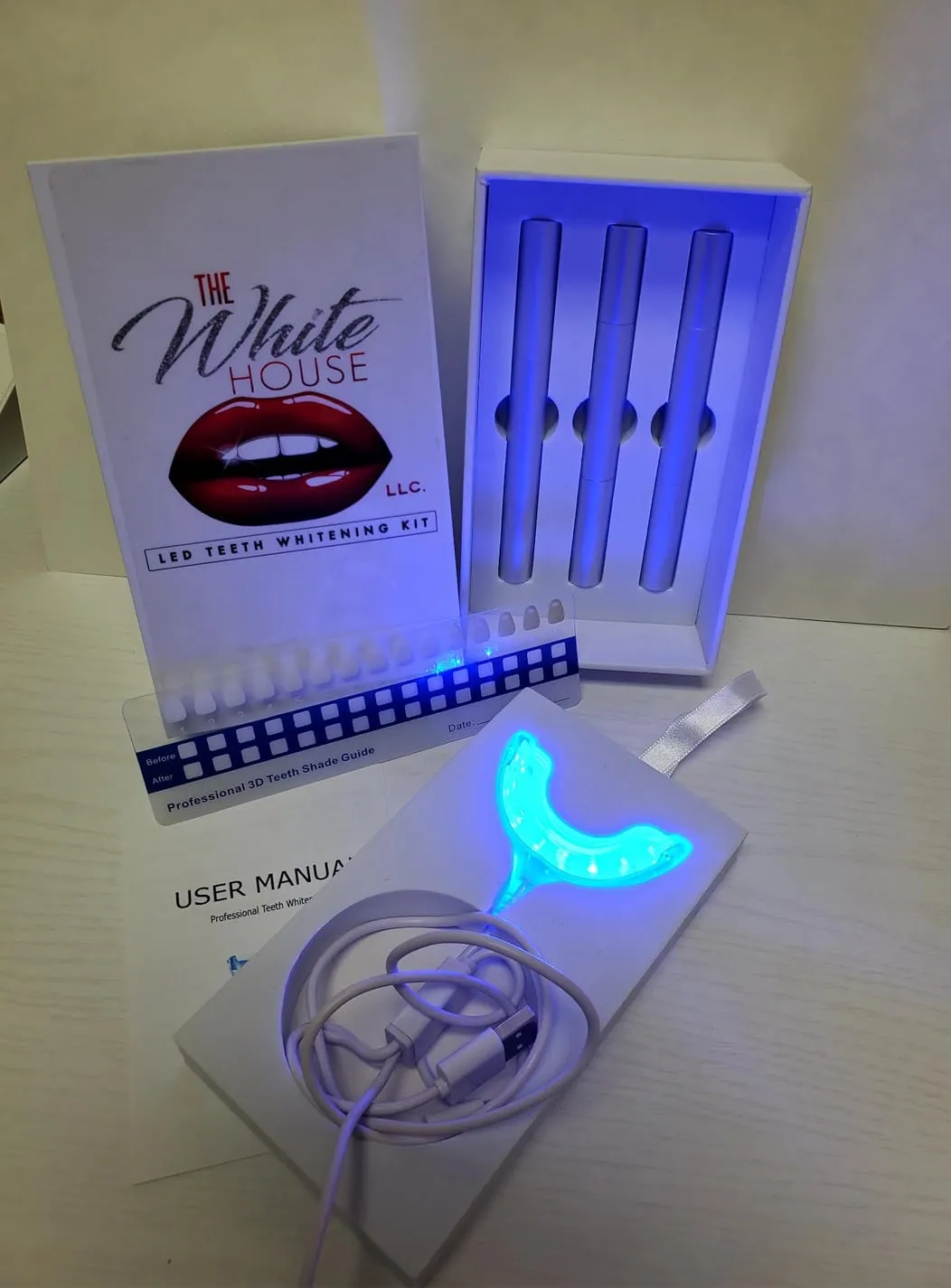
Understanding Whitening Kits
Whitening kits have become a popular method for achieving a brighter, more confident smile. But with a vast array of options available, it’s essential to understand how these kits work and what to consider before making a purchase. These kits typically utilize bleaching agents to lighten the color of your teeth. The active ingredients in these agents penetrate the enamel and dentin, breaking down the stains that cause discoloration. While the results can be impressive, it’s crucial to know the different types, ingredients, and application methods to ensure you choose the best whitening kit for your needs. Remember, the effectiveness of a whitening kit can vary depending on factors like the type of stains you have, the concentration of the active ingredients, and your overall oral health.
Types of Whitening Kits
Whitening kits are generally categorized into two main types: over-the-counter (OTC) and professional. Each offers different levels of effectiveness, convenience, and cost. Understanding the distinctions between these categories will help you make an informed decision. OTC kits are readily available at drugstores and online retailers, offering convenience and affordability. Professional kits, on the other hand, are provided by dentists and often contain higher concentrations of bleaching agents, leading to more dramatic results. It’s important to consider your individual needs, budget, and the extent of the whitening you desire when choosing between these types. Consulting with a dental professional can also provide valuable insights and recommendations tailored to your specific situation.
Over-the-Counter Kits

Over-the-counter whitening kits are a convenient option for those seeking a brighter smile without a visit to the dentist. They typically contain lower concentrations of bleaching agents like hydrogen peroxide or carbamide peroxide, making them safer for unsupervised use. These kits often include whitening strips, gels, or toothpastes, offering various application methods to suit individual preferences. While OTC kits may not provide the same dramatic results as professional treatments, they can still effectively lighten teeth, especially for surface stains. It’s essential to follow the instructions carefully, as overuse can lead to sensitivity or other side effects. Always read the label and look for products with the American Dental Association (ADA) Seal of Acceptance to ensure safety and efficacy.
Professional Whitening Kits
Professional whitening kits offer a more potent solution for teeth whitening, administered by a dentist. These kits utilize higher concentrations of bleaching agents, resulting in faster and more noticeable results. The process often involves custom-fitted trays and stronger bleaching gels. The dentist can monitor your progress and address any potential issues, such as sensitivity. Professional whitening is especially effective for deep-seated stains or discoloration that OTC products may not be able to address. Before undergoing professional whitening, your dentist will examine your teeth and gums to ensure they are healthy and suitable for treatment. This ensures optimal results and minimizes the risk of complications. While more expensive than OTC options, professional whitening provides the most effective and controlled teeth whitening experience.
Key Ingredients to Look For
The effectiveness of a whitening kit largely depends on the active ingredients it contains. The most common and effective bleaching agents are hydrogen peroxide and carbamide peroxide. These ingredients work by releasing oxygen molecules that break down the stain-causing compounds in your teeth. When choosing a whitening kit, pay close attention to the concentration of these ingredients, as this will affect the speed and intensity of the whitening process. Higher concentrations may yield quicker results but can also increase the risk of sensitivity. It is essential to understand how these ingredients work to make an informed decision about which whitening kit is right for you and your specific needs.
Hydrogen Peroxide

Hydrogen peroxide is a powerful oxidizing agent that is a primary ingredient in many teeth-whitening products. It’s the active component that breaks down the stains on your teeth. The concentration of hydrogen peroxide varies in different kits. OTC products usually contain lower concentrations (3-10%), making them safer for home use. Professional treatments administered by dentists can use higher concentrations (up to 40%) for faster results. While effective, higher concentrations can lead to increased tooth sensitivity. If you’re considering a hydrogen peroxide-based kit, follow the instructions precisely and consult your dentist if you experience any discomfort.
Carbamide Peroxide
Carbamide peroxide is another common bleaching agent found in whitening kits. It breaks down into hydrogen peroxide and urea, providing a slower, more sustained whitening effect. Kits with carbamide peroxide often require longer application times, such as overnight use. The release of urea can help buffer the whitening agent, potentially reducing sensitivity. Carbamide peroxide is available in various concentrations. OTC products contain lower concentrations, while professional treatments may use higher concentrations. Regardless of the concentration, it’s essential to follow the kit instructions and consult your dentist if you have concerns about sensitivity or any other adverse effects.
Choosing the Right Whitening Kit
Selecting the right whitening kit involves careful consideration of your individual needs, budget, and expectations. Before starting, assess your teeth’s current condition and the type of stains you have. Consider factors like the level of whitening you desire and any existing dental work, such as fillings or crowns, as whitening kits do not affect these. A consultation with your dentist can provide personalized recommendations and help you avoid potential problems. Always read reviews and compare different kits to determine the best option. Ultimately, choosing the right whitening kit is about finding a balance between effectiveness, safety, and convenience.
Evaluating Your Needs

Before you start, it’s essential to evaluate your teeth whitening needs. Determine the extent of discoloration. Are the stains superficial or deep-seated? Surface stains, often caused by coffee, tea, or smoking, may respond well to OTC whitening kits. More significant discoloration, such as stains from tetracycline antibiotics or aging, might require professional treatment. Consider the sensitivity of your teeth and gums. If you have sensitive teeth, you should opt for kits with lower concentrations of bleaching agents or those designed to minimize sensitivity. Assess your overall oral health. Address any existing dental issues, such as cavities or gum disease, before starting a whitening treatment. A healthy mouth ensures a more effective and safer whitening experience.
Considering Your Budget
Your budget is a crucial factor when choosing a whitening kit. Over-the-counter kits are significantly more affordable than professional treatments, making them an accessible option for many. Prices vary depending on the type of kit and the brand. Professional whitening procedures are more expensive, but they provide a more controlled and potentially more effective whitening experience. They also include the expertise of a dentist, which reduces the risk of side effects and complications. When making your budget, consider both the initial cost and any ongoing expenses, such as the cost of maintenance products or potential touch-up treatments. Weigh the benefits of each option against your budget to make an informed decision.
Reading Reviews and Recommendations
Before making a purchase, read reviews and seek recommendations from trusted sources. Online reviews from other users can provide valuable insights into a kit’s effectiveness, ease of use, and potential side effects. Pay attention to reviews that discuss the user’s initial tooth shade, the results they achieved, and any sensitivity they experienced. Consult with your dentist or dental hygienist for recommendations. They can assess your oral health and recommend the most suitable whitening kit based on your specific needs. Look for products with positive reviews and a proven track record. However, keep in mind that individual results may vary, so use reviews as a guide rather than a definitive guarantee.
Application Methods and Techniques

Various application methods are available for teeth whitening, each with its own set of advantages and disadvantages. These methods include whitening strips, gels and trays, and toothpastes. Understanding the different methods will help you select the most convenient and effective option for your lifestyle and desired results. The efficacy of each method depends on factors like the concentration of the active ingredients, the duration of application, and the consistency of use. Follow the instructions provided with your chosen kit precisely to achieve the best possible outcome and to minimize any potential risks. Consider your lifestyle, oral hygiene habits, and personal preferences when choosing an application method.
Whitening Strips
Whitening strips are one of the most popular and convenient methods for teeth whitening. These thin, flexible strips are coated with a whitening gel containing hydrogen peroxide or carbamide peroxide. They are easy to apply and conform to the shape of your teeth, providing direct contact with the enamel. Application involves placing the strips on your teeth for a specific duration, typically 30 minutes to an hour, once or twice a day, depending on the product. Results are usually visible within a few days to a few weeks. Whitening strips are a good option for those seeking a simple and relatively inexpensive whitening solution. However, they may not reach all areas of the teeth. Always follow the product instructions carefully to avoid potential side effects.
Whitening Gels and Trays
Whitening gels and trays offer a more customized and thorough whitening experience. These kits usually include a whitening gel and either pre-filled trays or custom-fitted trays. With pre-filled trays, you apply the gel directly into the tray and insert it into your mouth. Custom trays, provided by your dentist, are created to fit your teeth precisely. This ensures even distribution of the whitening gel. You typically wear the trays for a set period, often for several hours a day or overnight. Whitening gels and trays can offer more significant whitening results than strips, as the gel is in constant contact with the teeth. However, they require more time and commitment. Also, they may lead to increased tooth sensitivity. Always follow the instructions, and consult with your dentist if you have concerns.
Whitening Toothpastes

Whitening toothpastes can help improve the appearance of your teeth by removing surface stains. These toothpastes often contain mild abrasives and chemical agents that gently polish the enamel. Unlike whitening strips or gels, they do not change the color of the tooth itself. Instead, they target external stains caused by coffee, tea, and other foods and drinks. Whitening toothpastes are a good option for daily maintenance, but they may not provide significant whitening on their own. For best results, use them in conjunction with other whitening methods, such as strips or gels. Look for toothpastes with the ADA Seal of Acceptance to ensure safety and effectiveness. Always brush your teeth properly and follow your dentist’s recommendations for optimal oral hygiene.
Maintaining Your Results
Maintaining the results of your teeth whitening treatment requires ongoing effort and good oral hygiene practices. While whitening kits can significantly improve the appearance of your smile, the effects are not permanent. Several factors can affect how long your teeth remain white. These include your diet, lifestyle, and oral care routine. By adopting certain habits and avoiding specific substances, you can extend the life of your whitening results and keep your smile looking bright. Proper maintenance will ensure that you continue to enjoy the benefits of your whitening treatment for as long as possible, without having to go through the process repeatedly. Staying informed about the best maintenance practices is crucial for maintaining a brilliant smile.
Avoiding Staining Foods and Drinks
Certain foods and drinks can stain your teeth, reversing the effects of whitening treatments. Coffee, tea, red wine, and dark-colored sodas are notorious for causing discoloration. Minimize your consumption of these beverages or use a straw to reduce contact with your teeth. Highly pigmented foods, such as berries, curries, and soy sauce, can also contribute to staining. After consuming these foods, rinse your mouth with water or brush your teeth to remove any lingering particles. By being mindful of what you eat and drink, you can significantly extend the life of your whitening results. Regular dental checkups and cleanings can help remove any surface stains and maintain your bright smile.
Practicing Good Oral Hygiene

Maintaining a consistent oral hygiene routine is essential for preserving your whitening results. Brush your teeth at least twice a day for two minutes each time, using a fluoride toothpaste. Floss daily to remove plaque and food particles from between your teeth. Consider using a whitening toothpaste to gently remove surface stains. Regular dental checkups and professional cleanings are critical for removing plaque and tartar buildup, which can dull your smile. Your dentist can also provide personalized advice on maintaining a bright smile and addressing any oral health concerns. A healthy mouth is the foundation of a bright and confident smile, so prioritize your oral hygiene.
In conclusion, choosing the best whitening kit involves careful consideration of various factors, including the type of kit, active ingredients, application methods, and your individual needs and preferences. Both over-the-counter and professional options offer different levels of effectiveness and convenience. Understanding the key ingredients, such as hydrogen peroxide and carbamide peroxide, is vital for making an informed decision. Always read reviews, seek recommendations from dental professionals, and be mindful of maintaining your results through proper oral hygiene and dietary choices. By following these guidelines, you can confidently choose a whitening kit that will help you achieve a brighter, more radiant smile, boosting your confidence and overall well-being.