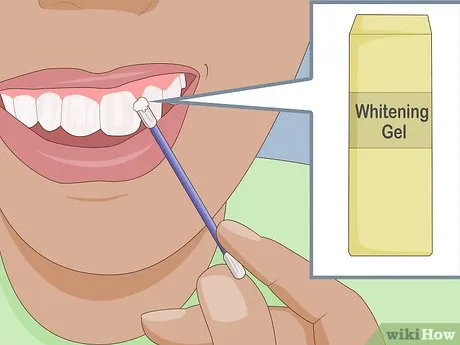
What is Whitening Gel and How Does it Work?
Whitening gel is a popular cosmetic dental product used to lighten the color of teeth. It typically contains a bleaching agent, most commonly hydrogen peroxide or carbamide peroxide, which penetrates the enamel and dentin to break down stain molecules. This process, called oxidation, removes discoloration caused by food, drinks, and aging. The concentration of the active ingredient determines the gel’s strength and effectiveness. Professional whitening treatments use higher concentrations than over-the-counter products, leading to faster and more dramatic results. However, it’s crucial to understand the mechanism to use it safely and effectively, ensuring you’re aware of the potential impacts on your gums.
The Science Behind Whitening Gel
The science behind whitening gel involves a chemical reaction. Peroxide-based gels release oxygen free radicals. These free radicals interact with the stain molecules embedded in the enamel and dentin. The breakdown of these molecules lightens the teeth, effectively removing discoloration. The efficacy of the gel depends on the concentration of the active ingredient, the application time, and the individual’s tooth structure. It’s important to note that whitening gels don’t change the natural color of your teeth, but they do break down the stains. Understanding this chemical process helps in appreciating how the gel works and why proper application techniques are vital for avoiding potential side effects, such as gum irritation.
Why Does Whitening Gel Affect Gums?

Whitening gel can affect gums due to several reasons. The primary cause is the direct contact of the bleaching agent with the soft tissues of the gums. Gums are highly sensitive and contain numerous blood vessels, making them vulnerable to irritation from chemicals. Moreover, the higher the concentration of peroxide, the greater the potential for irritation. Improper application techniques, such as applying too much gel or not using a proper tray, can increase the risk of gum contact. When the gel comes into contact with the gums, it can cause inflammation, redness, and sensitivity. It is very important to understand how to prevent and handle any side effects to continue with treatments safely.
Gum Sensitivity and Whitening Gel
Gum sensitivity is a common side effect of teeth whitening. The bleaching agents in the gel can irritate the delicate gum tissues, leading to discomfort or even pain. This sensitivity can manifest as a burning sensation, redness, and swelling. Some individuals may experience increased sensitivity to hot or cold foods and drinks. The severity of the sensitivity varies depending on the individual, the strength of the gel, and the duration of exposure. Protecting the gums is crucial during treatment to prevent or minimize sensitivity. Using trays that fit well, limiting the amount of gel used, and applying a protective barrier, such as petroleum jelly, can help alleviate this issue.
Understanding the Risks of Whitening Gel on Gums
The risks associated with whitening gel on gums include irritation, inflammation, and chemical burns. These risks are typically higher with concentrated gels or improper application. Gum irritation can range from mild redness to painful swelling. In severe cases, it may lead to ulceration and damage to the gum tissue. Individuals with pre-existing gum conditions, such as gingivitis or periodontitis, are at a greater risk. If the gel is swallowed, it can cause stomach upset. Therefore, it is essential to follow the directions carefully and consult a dentist if any complications arise. Professional treatments often include gum protection measures to minimize these risks.
Fact 1 Common Side Effects

Common side effects of whitening gel include gum irritation and tooth sensitivity. Gum irritation presents as redness, swelling, and tenderness, often due to the gel’s contact with the soft tissues. Tooth sensitivity can range from mild discomfort to sharp pains when exposed to hot or cold temperatures. Some individuals may also experience a sore throat or mild digestive issues if they swallow any gel. These side effects are usually temporary and subside within a few days of stopping the whitening treatment or reducing the frequency of application. It is essential to be aware of these potential side effects before starting to properly manage them.
Fact 2 Proper Application Techniques
Proper application techniques are vital for minimizing gum irritation. When using at-home kits, always follow the manufacturer’s instructions carefully. Ensure the whitening trays fit snugly and cover the teeth without touching the gums. Apply the gel in a thin, even layer, and avoid overfilling the trays. Remove any excess gel that spills onto the gums immediately. Consider using a desensitizing toothpaste a few weeks before starting the treatment to reduce sensitivity. When undergoing professional treatments, dentists often use protective measures like gingival barriers to shield the gums. Regular brushing and flossing are a must to help keep your gums healthy.
Fact 3 Avoiding Gum Irritation
Avoiding gum irritation involves several preventive measures. Use the right amount of gel. Make sure that the whitening trays fit correctly to prevent spillage. Consider using a lower concentration of whitening gel, especially if you have sensitive gums. Apply petroleum jelly or a similar barrier along the gumline before each treatment to provide extra protection. Rinse your mouth thoroughly after removing the trays to remove any remaining gel. If irritation occurs, take a break from the whitening treatment until your gums heal. Consulting your dentist can provide personalized advice and professional treatments to reduce irritation.
Fact 4 Selecting the Right Product

Selecting the right product depends on your specific needs and dental health. For at-home kits, consider the concentration of the bleaching agent and your sensitivity level. Lower concentrations of hydrogen peroxide or carbamide peroxide are gentler but may take longer to produce results. Look for products with a seal of approval from a reputable dental organization. If you have sensitive teeth or gums, choose products with desensitizing agents, like potassium nitrate or fluoride. Always consult with your dentist before starting any whitening treatment to determine the best option for your situation. They can guide you in selecting the proper product to meet your whitening goals while minimizing risks.
Fact 5 Ingredients to Watch Out For
When selecting whitening gels, pay attention to the ingredients to ensure safety and effectiveness. The primary active ingredient is typically hydrogen peroxide or carbamide peroxide. The concentration varies depending on the product and can impact the results and the risk of side effects. Some products also contain desensitizing agents like potassium nitrate and fluoride, which can reduce tooth sensitivity. Avoid products with high concentrations of abrasive ingredients. Always check the ingredient list for potential allergens or irritants. If you have any sensitivities, consult your dentist before using a whitening gel to verify that it is suitable for your teeth.
Fact 6 When to Consult a Dentist
Consulting your dentist is crucial before and during teeth whitening. Before starting, a dentist can assess your oral health and determine if whitening is appropriate for you. They can identify any underlying issues, like cavities or gum disease, that need to be addressed. If you experience significant gum irritation, tooth sensitivity, or any other concerning symptoms during the treatment, contact your dentist immediately. They can provide guidance, adjust the treatment plan, or recommend alternative approaches. Regular dental check-ups are essential to maintain optimal oral health and ensure the safety and effectiveness of your whitening treatments.
Fact 7 Alternative Whitening Methods

If whitening gel isn’t suitable or causes too much irritation, there are alternative methods. Professional whitening treatments, such as in-office whitening, offer controlled application and may be less likely to cause irritation. Over-the-counter whitening strips or toothpastes are gentler options. Consider using natural remedies such as activated charcoal, though effectiveness is debatable. Another option is to get veneers or dental bonding. When deciding, consult with your dentist to find the best way to achieve your desired results without damaging your gums or teeth. The best approach depends on your individual needs and oral health.
How to Minimize Risks and Maximize Benefits
To minimize the risks and maximize the benefits of whitening gel, follow these guidelines. Always consult your dentist before starting any whitening treatment to evaluate your oral health. Use the gel exactly as directed, ensuring proper application techniques to avoid gum contact. Choose the right product with appropriate concentrations. If you have sensitive gums, consider a lower concentration. Stop using the gel and consult your dentist if you experience any adverse reactions. Practice good oral hygiene, including regular brushing and flossing, to maintain healthy gums and teeth. Following these practices, you can effectively whiten your teeth while reducing the risk of gum irritation and other potential complications.
Effective Whitening Gel Practices
Effective practices for using whitening gel include several key steps. Start with a dental check-up to ensure your teeth and gums are healthy. Choose a product and concentration suitable for your needs, preferably under guidance from a dentist. Use the correct amount and apply it in a thin, even layer. Make sure the whitening trays fit well and don’t touch your gums. Follow the recommended treatment duration and frequency. After each treatment, rinse your mouth thoroughly and clean the trays. Take breaks between whitening sessions to allow your gums to recover. Following these practices will help maximize results while minimizing the risk of any side effects.
Post-Treatment Care and Gum Health

Post-treatment care is crucial for maintaining gum health after whitening. After each whitening session, rinse your mouth thoroughly with water or a fluoride mouthwash. Avoid eating or drinking highly pigmented foods and beverages, such as coffee, tea, and red wine, for the first few days. Brush and floss your teeth gently, especially if your teeth are sensitive. Use a desensitizing toothpaste if needed. Consider using a fluoride treatment to strengthen your enamel and protect your teeth from further staining. Regular dental check-ups and cleanings are essential to keep your gums healthy. This will help maintain your bright smile for a longer duration.
When to Seek Professional Help
It’s important to know when to seek professional help during teeth whitening. If you experience severe gum irritation, such as persistent redness, swelling, or pain, stop the treatment and consult your dentist immediately. If tooth sensitivity becomes unbearable or persists for more than a few days, seek professional advice. If you notice any unusual changes in your gums or teeth, such as dark spots or changes in texture, contact your dentist. If you are unsure about any aspect of the treatment, don’t hesitate to ask your dentist for guidance. Prompt intervention can prevent complications and ensure a safe and effective whitening experience.