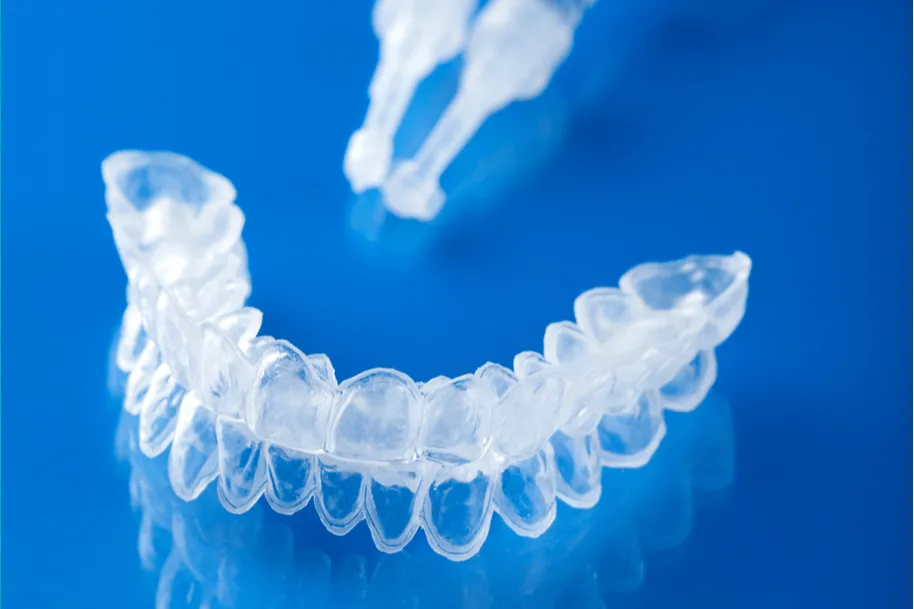
Understanding Tooth Whitening Gels
Tooth whitening gels are a popular and effective method for enhancing the brightness of your smile. These gels work by penetrating the enamel and breaking down stain molecules, revealing a whiter, more vibrant appearance. The active ingredients in these gels, typically hydrogen peroxide or carbamide peroxide, are responsible for the whitening effect. However, their effectiveness is not indefinite; like many cosmetic products, whitening gels have a shelf life and can expire, potentially impacting their efficacy and safety. Understanding the specifics of these gels, including their types, the importance of their expiration dates, and how to ensure their optimal use, is crucial for anyone looking to improve their smile. This knowledge not only helps in achieving the desired results but also protects your oral health.
Types of Whitening Gels
Whitening gels primarily come in two forms, each utilizing a different active ingredient to achieve the desired whitening effect. The most common are hydrogen peroxide-based gels and carbamide peroxide-based gels. The choice between these often depends on the concentration of the active ingredient, the duration of application, and the specific needs of the user. Both types work by oxidizing the stain molecules within the tooth enamel, but they have distinct characteristics in terms of their potency and how quickly they act. Understanding these differences can help you choose the most suitable product for your whitening goals.
Hydrogen Peroxide Gels

Hydrogen peroxide is a powerful oxidizing agent that directly bleaches the teeth. It is often found in higher concentrations in professional whitening treatments administered by dentists. Over-the-counter products may also contain hydrogen peroxide, but at lower concentrations to ensure safety for consumer use. These gels typically provide quicker results due to the direct action of the peroxide. However, because of the higher potency, hydrogen peroxide gels may also increase the risk of tooth sensitivity or gum irritation, particularly in individuals with sensitive teeth or gums. It’s important to follow the instructions provided with the product and consult with a dental professional if you have concerns.
Carbamide Peroxide Gels
Carbamide peroxide breaks down into hydrogen peroxide and urea, which means that when using a carbamide peroxide gel, your teeth are whitened by the release of hydrogen peroxide. Carbamide peroxide is a gentler alternative to hydrogen peroxide. It releases hydrogen peroxide over a longer period, making it suitable for overnight or extended use. This type of gel is commonly used in at-home whitening kits because the slower release of the active ingredient helps to minimize tooth sensitivity and gum irritation. The concentration of carbamide peroxide also affects the overall whitening process; higher concentrations can yield quicker results, but as with hydrogen peroxide, there’s a greater likelihood of sensitivity. Carbamide peroxide gels are a popular choice for those seeking gradual and less intensive whitening.
Expiration Dates Why They Matter
Expiration dates on tooth whitening gels are not arbitrary; they indicate the period during which the product is expected to remain effective and safe. Over time, the active ingredients in these gels, such as hydrogen peroxide or carbamide peroxide, break down. This degradation reduces the gel’s whitening efficacy, meaning it won’t whiten your teeth as effectively as a fresh product. Moreover, expired gels might develop altered chemical compositions, potentially leading to increased risks of side effects, such as sensitivity or irritation. Always check the expiration date before using a whitening gel to ensure both its effectiveness and your safety.
Factors Affecting Whitening Gel Expiration

Several factors can influence how quickly a tooth whitening gel expires. These include the initial concentration of the active ingredient, the type of gel (hydrogen peroxide or carbamide peroxide), and the storage conditions. Exposure to heat, light, and air accelerates the breakdown of the active ingredients, decreasing their effectiveness and potentially altering the gel’s chemical structure. The packaging of the product also plays a role; well-sealed containers and those designed to protect against light exposure can help extend the product’s shelf life. Understanding these factors can help you make informed decisions about product storage and use, maximizing the product’s efficacy.
Storage Conditions & Expiration
Proper storage plays a vital role in maintaining the effectiveness of tooth whitening gels. The ideal storage conditions are cool, dark, and dry environments, away from direct sunlight or heat sources. High temperatures and exposure to light can accelerate the degradation of the active ingredients, leading to a shorter shelf life. Storing the gel in its original packaging, which is often designed to protect it from light, can further help. Always ensure the container is tightly sealed after each use to minimize exposure to air, which can also degrade the product. Proper storage is crucial for ensuring that the gel remains effective throughout its intended use period. A well-preserved product will not only provide better results but also reduce the potential for adverse effects.
Temperature & Light Exposure
Temperature and light exposure significantly impact the shelf life of tooth whitening gels. Exposure to high temperatures can speed up the chemical reactions that break down the active whitening agents, such as hydrogen peroxide or carbamide peroxide. Direct sunlight or intense artificial light also can degrade these components, reducing their effectiveness over time. To maximize the shelf life of your whitening gel, store it in a cool, dark place. This could be a drawer, a cupboard, or a similar location where the product is protected from both heat and light. Following this guideline ensures the product retains its potency and is as effective as possible when you decide to use it.
Signs Your Whitening Gel Has Expired

It’s important to be able to identify when your tooth whitening gel has expired. Although the expiration date is the most straightforward indicator, other signs can also signal that the gel is no longer suitable for use. These visual cues and changes in the gel’s performance can help prevent any ineffective treatments or potential adverse effects. Regularly check your whitening gel for these indicators to ensure its efficacy and safety.
Changes in Consistency or Color
Changes in the physical properties of the whitening gel are often a sign of expiration. If the gel’s consistency changes from its original form (e.g., becoming too thick, too thin, or clumpy), it’s likely expired. The color of the gel can also indicate degradation; if the product has significantly changed color from its original shade, it may no longer be effective and should not be used. These physical alterations result from the breakdown of the active ingredients and could also affect how well the gel adheres to the teeth, potentially reducing its overall effectiveness.
Reduced Effectiveness
The most noticeable sign that a whitening gel has expired is a decrease in its whitening effectiveness. You may notice that after using the gel as directed, your teeth do not become as white as they should. This is because the active ingredients that whiten the teeth, such as hydrogen peroxide or carbamide peroxide, degrade over time, reducing their bleaching capability. If you experience a lack of visible results after multiple uses, the gel may have passed its expiration date. At this point, it is best to discontinue its use and replace the product with a new one to ensure effectiveness.
Risks of Using Expired Whitening Gel

Using expired whitening gel carries potential risks to your oral health. While the primary concern is often the gel’s ineffectiveness, there are also other potential hazards. Expired products may have altered chemical compositions, which could lead to adverse reactions. Understanding these risks can help you make informed decisions and prioritize your well-being.
Irritation or Sensitivity
Expired whitening gel may cause increased sensitivity or irritation in the gums and teeth. This can be caused by the breakdown of the active ingredients or the development of new, potentially irritating substances. Signs of irritation include soreness, redness, or a burning sensation in the gums. Sensitivity is often manifested as discomfort or pain when consuming hot or cold foods and drinks. If you experience these symptoms after using a whitening gel, discontinue its use immediately and consult with your dentist. Using a product that has exceeded its expiration date increases the likelihood of these side effects, making it essential to adhere to recommended usage and expiration guidelines.
Ineffective Whitening
The primary risk of using expired whitening gel is that it will not effectively whiten your teeth. As the active ingredients degrade, their ability to break down stain molecules within the enamel decreases significantly. This means you may not achieve the desired results, even if you follow the application instructions precisely. You may end up wasting product and time, leading to disappointment and frustration. To avoid this, always check the expiration date and replace the gel when it expires to ensure optimal whitening results.
Maximizing Whitening Gel Shelf Life

Extending the shelf life of your tooth whitening gel involves a combination of proper storage and careful handling. By implementing these practices, you can maintain the product’s effectiveness and safety for a longer period. Understanding the specific needs of your whitening gel will help you get the best results and ensure you’re not wasting your money.
Proper Storage Techniques
The key to extending the shelf life of your whitening gel lies in proper storage. Always store the gel in a cool, dark, and dry place, away from direct sunlight and heat. Ideal locations include a drawer, a cupboard, or a medicine cabinet. Ensure that the container is tightly sealed after each use to prevent air exposure. Avoid storing the gel in bathrooms, where humidity and temperature fluctuations can accelerate degradation. Following these storage guidelines will help you preserve the efficacy of your whitening gel, ensuring it remains effective for as long as possible.
Purchasing & Using Whitening Gels Safely
To safely use tooth whitening gels, always start by purchasing the product from a reputable source to ensure its authenticity and quality. Always check the expiration date before using the gel and discard it if expired. Read and carefully follow the manufacturer’s instructions, paying close attention to the recommended application time and frequency. If you experience any sensitivity or irritation during use, discontinue the treatment immediately and consult with your dentist. If you are unsure about using a specific product or have any pre-existing dental conditions, consult with a dentist before starting any whitening treatment. Taking these precautions will help you achieve a brighter smile safely and effectively.
In conclusion, understanding the shelf life of tooth whitening gel is crucial for ensuring both the effectiveness of the treatment and the safety of your oral health. By paying attention to the expiration date, storing the product correctly, and being aware of the signs of degradation, you can maximize its benefits and avoid potential risks. Always consult with your dentist for personalized advice on tooth whitening to achieve and maintain a radiant smile.