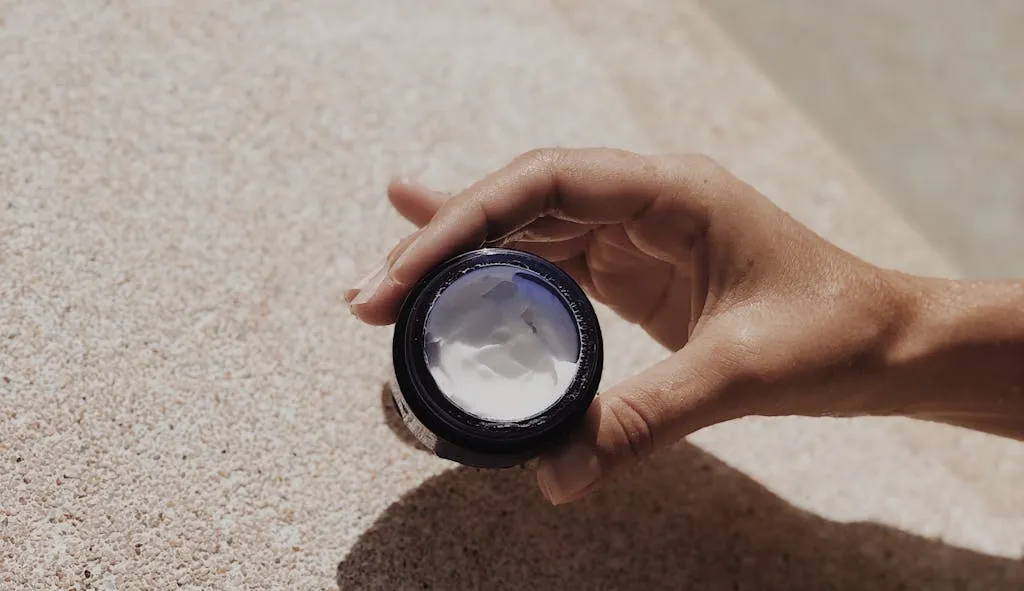
Understanding Whitening Creams
Whitening creams, also known as skin-lightening creams, are cosmetic products designed to reduce the amount of melanin in the skin, thereby making it appear lighter. These creams are popular for addressing various skin concerns such as dark spots, hyperpigmentation, uneven skin tone, and melasma. They work by targeting melanocytes, the cells responsible for producing melanin. The effectiveness of a whitening cream depends on its active ingredients, skin type, and the specific concerns being addressed. Choosing the right product is crucial for achieving desired results while minimizing potential risks. It’s important to understand how these creams function and what to look for to make an informed decision.
What to Consider Before Buying Whitening Cream
Before purchasing a whitening cream, several factors should be carefully considered to ensure the product aligns with your skin’s needs and is safe for use. Assessing your skin type, understanding specific skin concerns, and researching active ingredients are essential steps in the selection process. This proactive approach helps in selecting a product that is both effective and suitable, reducing the likelihood of adverse reactions and maximizing the benefits of the cream.
Skin Type

Your skin type is a crucial factor in determining the suitability of a whitening cream. Different skin types (e.g., oily, dry, combination, sensitive) have varying needs and sensitivities. For instance, individuals with sensitive skin should opt for creams with gentle, non-irritating ingredients. Oily skin may require lighter formulations to avoid breakouts, while dry skin might benefit from creams with moisturizing properties. Always consider your skin type before selecting a whitening cream to avoid potential adverse reactions and ensure optimal effectiveness.
Specific Skin Concerns
Identify the specific skin concerns you want to address. Are you dealing with dark spots, uneven skin tone, melasma, or general hyperpigmentation? Different whitening creams target various concerns with varying degrees of effectiveness. Some creams are formulated specifically for sunspots, while others are designed to lighten overall skin tone. Selecting a cream that directly addresses your specific issues is crucial for achieving the best results and ensuring the product is tailored to your needs.
Ingredients to Look For
The active ingredients in a whitening cream determine its effectiveness and potential side effects. Researching and understanding these ingredients is crucial. Look for products containing proven ingredients such as hydroquinone, retinoids, vitamin C, niacinamide, and arbutin. Each ingredient works differently, and their effectiveness varies depending on your skin type and concerns. Always check the ingredient list to ensure the cream contains the necessary compounds to address your specific needs.
Hydroquinone

Hydroquinone is a potent skin-lightening agent that works by inhibiting the production of melanin. It is often prescribed by dermatologists and is highly effective in treating dark spots and hyperpigmentation. However, it can cause side effects such as skin irritation and ochronosis (a bluish-black discoloration of the skin) with prolonged use. The concentration of hydroquinone in over-the-counter products is limited, but it’s crucial to use it under medical supervision if using a higher concentration.
Retinoids
Retinoids, derived from vitamin A, are known for their ability to accelerate skin cell turnover. This process helps in removing pigmented cells and promoting a more even skin tone. Retinoids also boost collagen production, which can reduce the appearance of fine lines and wrinkles. Common side effects include dryness, redness, and increased sun sensitivity, making it essential to use sunscreen when using retinoid-based creams.
Vitamin C
Vitamin C is a powerful antioxidant that helps to brighten the skin and reduce the appearance of dark spots. It inhibits melanin production and protects the skin from free radical damage caused by sun exposure. Vitamin C also promotes collagen synthesis, enhancing skin elasticity. Look for products with stable forms of vitamin C, such as L-ascorbic acid, to maximize its effectiveness. Its generally well-tolerated, but some individuals may experience mild irritation.
Niacinamide

Niacinamide, a form of vitamin B3, is known for its anti-inflammatory and skin-lightening properties. It helps to reduce hyperpigmentation by inhibiting the transfer of melanosomes to skin cells. Niacinamide also improves skin barrier function and reduces redness. It is generally well-tolerated and suitable for most skin types. Regular use can result in a more even skin tone and reduced inflammation.
Arbutin
Arbutin is a natural skin-lightening agent derived from the bearberry plant. It works by inhibiting tyrosinase, an enzyme that plays a key role in melanin production. Arbutin is considered a gentler alternative to hydroquinone. It helps to fade dark spots and improve skin tone. It is generally well-tolerated, making it suitable for those with sensitive skin. However, it may take longer to see noticeable results compared to more potent ingredients.
How to Choose the Right Whitening Cream
Choosing the right whitening cream involves more than just looking at the ingredients. It’s essential to consider factors like product reviews, certifications, and the need for a patch test. This approach ensures that the product aligns with your skin’s needs and is safe to use. Making an informed decision can prevent potential adverse reactions and enhance the effectiveness of the cream.
Read Reviews and Recommendations

Before purchasing a whitening cream, read reviews and recommendations from other users. These reviews offer valuable insights into the product’s effectiveness, potential side effects, and overall user experience. Look for reviews from individuals with similar skin types and concerns to gain a better understanding of how the cream might work for you. Websites and forums dedicated to skincare often provide detailed reviews and user feedback.
Check for Certifications and Approvals
Ensure the whitening cream has necessary certifications and approvals from relevant regulatory bodies. This verifies that the product has undergone safety and efficacy testing. Look for certifications like those from dermatologists or organizations that ensure the product meets quality standards. These approvals provide confidence in the product’s safety and effectiveness, reducing the risk of using potentially harmful products. Researching the brand’s reputation and compliance with industry standards is also essential.
Start with a Patch Test
Always perform a patch test before applying a whitening cream to your entire face or body. Apply a small amount of the cream to a discreet area of your skin, such as behind your ear or on your inner arm, and wait 24-48 hours to observe any reaction. This test helps identify potential allergic reactions or skin irritation. If you experience redness, itching, burning, or any other adverse symptoms, discontinue use immediately. A patch test is a crucial step to ensure the product is safe for your skin.
Application Techniques

Proper application techniques are crucial for maximizing the effectiveness of a whitening cream and minimizing potential side effects. Knowing when and how to apply the cream and maintaining consistency is essential for achieving the desired results. Adhering to these guidelines helps in optimizing the benefits of the cream and ensuring safe usage.
When and How to Apply
Follow the product instructions carefully regarding when and how to apply the whitening cream. Typically, creams are applied to clean, dry skin once or twice daily. Apply a thin layer to the affected areas and gently massage it in until absorbed. Avoid applying the cream to areas where it’s not needed, as this can increase the risk of side effects. Consistency in application is key to seeing noticeable results.
Consistency is Key
Consistency is crucial for achieving the desired results with a whitening cream. Apply the cream regularly as directed, and be patient, as results may take several weeks or months to become visible. Avoid skipping applications, as this can reduce the cream’s effectiveness. Establishing a consistent skincare routine helps to maintain an even skin tone and prevent the recurrence of hyperpigmentation. Staying committed to the process maximizes the chances of success.
Combining Whitening Creams with Other Skincare

Combining whitening creams with other skincare products can enhance their effectiveness and provide additional benefits. Incorporating sunscreen and exfoliants into your routine helps to protect the skin and promote better absorption of the whitening cream. Creating a comprehensive skincare regimen can lead to more significant improvements in skin tone and overall appearance.
Sunscreen
Sunscreen is a non-negotiable element in any skincare routine, especially when using whitening creams. Sun exposure can worsen hyperpigmentation and reduce the effectiveness of the cream. Apply a broad-spectrum sunscreen with an SPF of 30 or higher every morning, and reapply throughout the day, particularly if you are spending time outdoors. Sunscreen protects your skin from further damage and helps maintain the results achieved by the whitening cream.
Exfoliation
Exfoliation helps to remove dead skin cells, allowing the whitening cream to penetrate more effectively. Use a gentle exfoliant 1-2 times per week, depending on your skin type. This can be in the form of a chemical exfoliant (like AHAs or BHAs) or a physical scrub. Exfoliation promotes cell turnover and enhances the absorption of active ingredients, resulting in faster and more noticeable results. Over-exfoliation can irritate your skin, so it’s important to find a balance.
Potential Risks and Side Effects
Whitening creams, while beneficial, can pose potential risks and side effects. Understanding these risks is essential for safe and effective use. Common issues include allergic reactions, skin irritation, and the potential for long-term effects. Being aware of these possibilities allows you to take necessary precautions and seek professional advice when needed.
Allergic Reactions
Allergic reactions to whitening creams can manifest as redness, itching, swelling, or a rash. These reactions can be triggered by specific ingredients in the cream. Always perform a patch test before applying the cream to a larger area. If an allergic reaction occurs, discontinue use immediately and consult a dermatologist. Identifying the allergen and avoiding products containing it can prevent future reactions. (See image: skin-allergy-test.webp)
Skin Irritation
Skin irritation is a common side effect, especially with creams containing potent ingredients like hydroquinone or retinoids. This can lead to dryness, flaking, burning, or stinging. If you experience skin irritation, reduce the frequency of application, use a gentler formula, or consult a dermatologist. Keeping your skin moisturized and avoiding harsh cleansers can help manage irritation. It is important to adjust your skincare routine to accommodate your skin’s sensitivity.
Long-Term Use
The long-term use of certain whitening creams, particularly those containing hydroquinone, can have potential side effects. Prolonged use can lead to ochronosis, a condition characterized by the darkening of the skin. It is essential to use such creams under the guidance of a dermatologist and to take breaks from treatment to minimize risks. Regular monitoring of your skin by a professional is crucial to ensure the safety and effectiveness of long-term use.
Top Whitening Cream Recommendations
Because recommending specific products can be complex due to the wide variety of skin types and concerns, It’s best to consult with a dermatologist for personalized recommendations. However, many popular creams often include ingredients like Vitamin C serums, retinoid-based creams, and products containing niacinamide or arbutin. These products are generally considered effective and safe, but the best choice depends on your individual skin needs. Always prioritize products with proven ingredients and a good reputation.
Product 1
Product 1 often features ingredients like Vitamin C and antioxidants to brighten skin and reduce the appearance of dark spots. It is suitable for most skin types and is known for its gentle approach to skin lightening. The key benefits include improved skin tone, enhanced radiance, and protection against environmental damage. Following the recommended application instructions is crucial for achieving desired results without irritation.
Product 2
Product 2 often contains retinoids, a powerful ingredient for cell turnover and lightening the skin. Retinoids effectively address fine lines, wrinkles, and hyperpigmentation. It’s important to start with a low concentration to minimize potential irritation. This product is best used under a dermatologist’s guidance, and the use of sunscreen during the day is critical to protect your skin. Regular, consistent use leads to significant skin improvements.
Product 3
Product 3 typically includes niacinamide, a versatile ingredient that enhances skin tone and reduces inflammation. It is known to be well-tolerated and effective for reducing redness and unevenness. Niacinamide supports the skin barrier and improves overall skin health. Consistent use can lead to a more balanced and bright complexion, making it a suitable choice for various skin types.
Maintenance and Aftercare
After achieving your desired results with a whitening cream, proper maintenance and aftercare are crucial to preserve the improvements and prevent recurrence of skin concerns. This includes protecting your skin from further damage and attending regular check-ups to monitor your skin’s health.
Protecting Your Skin
Protecting your skin is essential after using a whitening cream. Sun protection should be a daily routine, using a broad-spectrum sunscreen with an SPF of 30 or higher. This shields the skin from harmful UV rays that can cause further hyperpigmentation. Additionally, avoid excessive sun exposure, wear protective clothing, and seek shade whenever possible. This helps to maintain the results achieved by the whitening cream.
Regular Check-ups
Schedule regular check-ups with a dermatologist to monitor your skin’s health. These check-ups allow for the early detection of any potential side effects or issues. The dermatologist can also evaluate the effectiveness of your skincare routine and make necessary adjustments. Regular professional skin evaluations ensure long-term skin health and the safe use of whitening creams. They can provide personalized advice and address any concerns promptly.
Conclusion
Choosing the right whitening cream requires careful consideration of your skin type, specific concerns, and the ingredients used. By understanding the active components, following proper application techniques, and being aware of potential risks, you can safely and effectively lighten your skin tone. Always consult with a dermatologist to find the best product for your skin and maintain a healthy, radiant complexion. Remember that consistency, sun protection, and regular check-ups are key to achieving and maintaining your desired results.