What is Baking Soda and How Does it Work
Baking soda, also known as sodium bicarbonate, is a common household item with a wide range of uses, from cooking and cleaning to personal care. But did you know that it can also be used to whiten your teeth? Baking soda is a mild abrasive, meaning it can help remove surface stains from your teeth. It also has a slightly alkaline pH, which helps to neutralize acids in your mouth, contributing to a healthier environment for your teeth. The abrasive nature of baking soda helps to scrub away stains caused by coffee, tea, wine, and other foods and drinks. This action helps restore the natural whiteness of your teeth. However, it’s crucial to use baking soda correctly and in moderation to avoid damaging your enamel. It’s an accessible and affordable option for people looking to improve the appearance of their smiles without expensive treatments.
The Science Behind Baking Soda
The effectiveness of baking soda in teeth whitening lies in its chemical properties and physical characteristics. Sodium bicarbonate acts as a mild abrasive, gently scrubbing away surface stains. These stains are often caused by the buildup of chromogens, color-producing substances found in various foods and drinks. The abrasive action of baking soda helps to dislodge these chromogens, revealing the underlying natural whiteness of your teeth. Furthermore, baking soda has a slightly alkaline pH. This is beneficial because it helps to neutralize the acids in your mouth. These acids, produced by bacteria, can erode tooth enamel and contribute to staining. By maintaining a more alkaline environment, baking soda can help protect your enamel and promote overall oral health. This is not a substitute for professional dental care, but it can certainly help in enhancing the natural brightness of your smile.
How Baking Soda Removes Stains

Baking soda’s stain-removing capabilities are due to a combination of its physical and chemical properties. As a mild abrasive, baking soda gently polishes the surface of your teeth, effectively scrubbing away stains and surface debris. This physical action is crucial for dislodging the chromogens that cause discoloration. Simultaneously, the slightly alkaline nature of baking soda helps to disrupt the environment where stains can thrive. By neutralizing acids, it prevents these stains from setting deeper into the enamel. The consistent use of baking soda can gradually reduce the appearance of stains caused by common culprits like coffee, tea, and tobacco. However, it’s important to remember that baking soda primarily targets surface stains and may not be effective for intrinsic stains, which are deeper within the tooth structure. Regular use of baking soda can also help to remove plaque, which is another cause of tooth discoloration. This dual action makes baking soda a valuable tool in your oral hygiene routine.
Getting Started Whiten Teeth Naturally
Embarking on a journey to whiten your teeth naturally with baking soda is a straightforward process, but it’s important to start with the right information and approach. Before you begin, assess your current oral health. If you have any existing dental issues, such as cavities, gum disease, or sensitive teeth, it’s best to consult with your dentist before trying any home remedies. They can advise you on whether baking soda is suitable for your specific situation. Once you have the green light from your dentist, gather your supplies and prepare to incorporate baking soda into your oral care routine. The key is to be patient and consistent, as noticeable results typically appear over time. Remember that natural teeth whitening can be a gradual process, and results may vary depending on individual factors. It’s important to manage your expectations and focus on maintaining good oral hygiene overall. You should be consistent, and patient to get a brighter smile.
Gathering Your Supplies
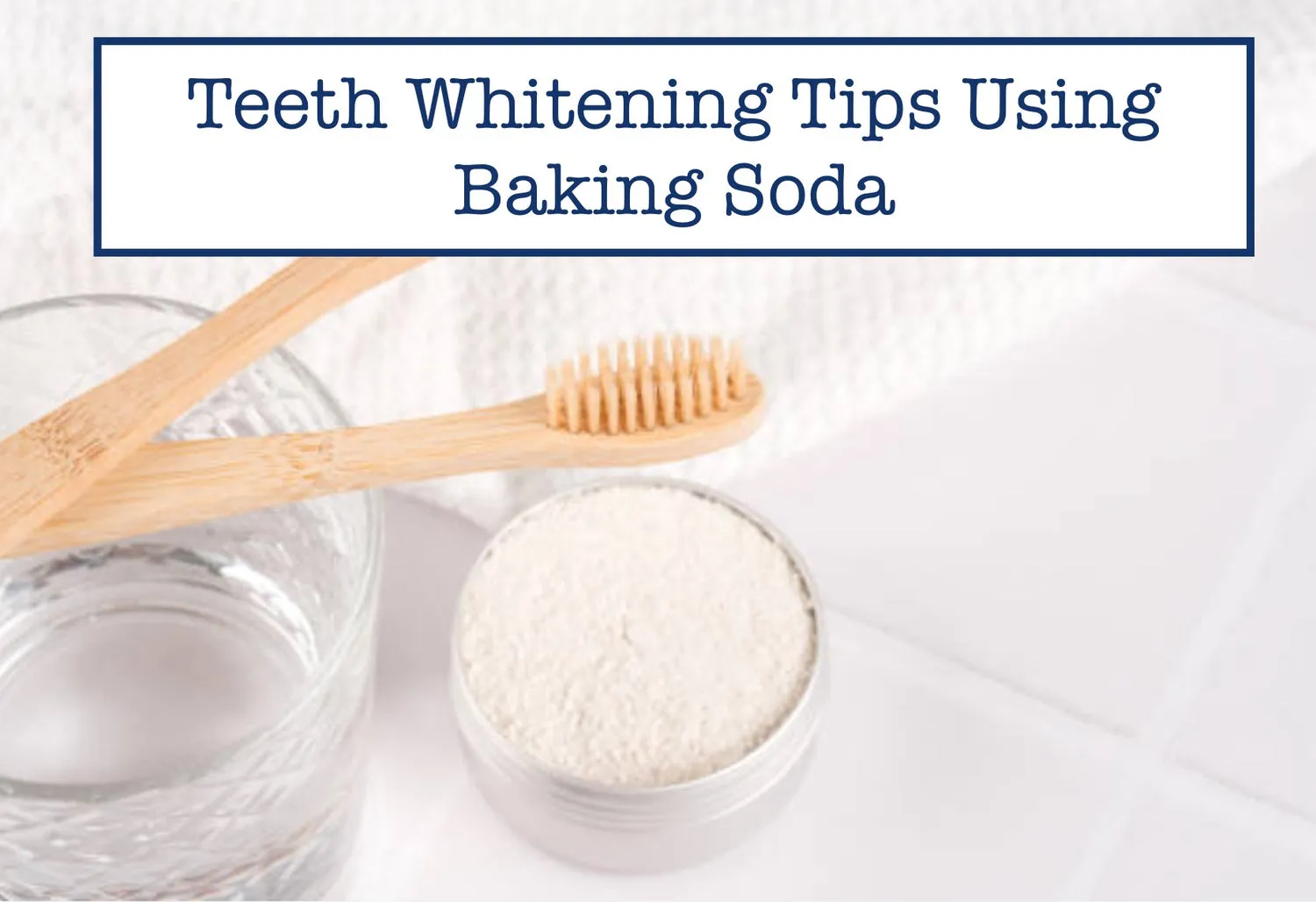
To begin whitening your teeth naturally with baking soda, you’ll need to gather a few essential supplies. First and foremost, you’ll need baking soda, which is readily available at most grocery stores and pharmacies. Make sure you purchase food-grade baking soda. It is pure and safe for oral use. You’ll also need a small container or bowl to mix the baking soda with water. This helps create a paste that can be applied to your teeth. A soft-bristled toothbrush is crucial to avoid damaging your enamel. Choose a toothbrush with soft bristles and replace it every three months, or sooner if the bristles become worn. You may also want to add a small amount of water to the baking soda to create the paste, but be cautious not to make it too runny. Finally, consider having a timer handy to ensure you don’t brush for too long. With these simple supplies, you’ll be well-equipped to embark on your journey to a brighter smile.
The Baking Soda Whitening Method

The baking soda whitening method is a simple yet effective way to brighten your smile naturally. Start by mixing a small amount of baking soda with water in a small container until you form a paste. The consistency should be similar to that of regular toothpaste. You don’t need a lot of water; the goal is to create a paste that will adhere to your teeth. Using your soft-bristled toothbrush, apply the paste to your teeth, making sure to cover all surfaces. Brush gently using small, circular motions. Avoid applying too much pressure to prevent damage to your enamel. Brushing too hard can erode enamel over time. Brush for no more than two minutes, paying attention to all areas of your mouth. After brushing, rinse your mouth thoroughly with water to remove any remaining baking soda paste. Repeat this process a few times a week for the best results. You should also use fluoride toothpaste.
How to Use Baking Soda
Using baking soda for teeth whitening is a straightforward process, but following the correct steps is vital for safety and effectiveness. Begin by mixing a small amount of baking soda (about a teaspoon) with enough water to form a paste. You want the consistency to be similar to regular toothpaste, not too runny or thick. Apply the paste to your toothbrush, ensuring all bristles are coated. Gently brush your teeth with the baking soda paste. Use small, circular motions and avoid applying too much pressure. Remember, the goal is to gently scrub away surface stains, not to aggressively scrub your teeth. Brush for no more than two minutes. This helps to prevent any potential enamel damage. After brushing, rinse your mouth thoroughly with water to remove all traces of the baking soda paste. Follow this with your regular toothpaste to help remineralize your enamel. Be sure to consult with your dentist.
Application and Frequency
The frequency of using baking soda for teeth whitening is an important factor to consider. While baking soda can be effective in removing surface stains, using it too often can potentially harm your enamel. Dentists generally recommend using baking soda for teeth whitening no more than two to three times per week. This frequency allows you to benefit from its whitening properties without overexposing your teeth to its abrasive nature. Overuse can lead to enamel erosion, increased sensitivity, and other dental issues. On the days you don’t use baking soda, continue to brush your teeth with regular fluoride toothpaste. Pay close attention to how your teeth feel and look. If you notice any increased sensitivity or discomfort, reduce the frequency of baking soda usage. Regular check-ups with your dentist are important to monitor your oral health and ensure that your teeth are not being adversely affected. The goal is to find a balance that delivers a brighter smile without compromising the long-term health of your teeth.
Alternative Whitening Methods

While baking soda is a popular method for natural teeth whitening, several other alternatives can help you achieve a brighter smile. One popular method is using over-the-counter whitening toothpaste. These toothpaste contain mild abrasives and whitening agents to remove surface stains. Whitening strips are another widely used option. They contain hydrogen peroxide and are applied directly to your teeth. For those seeking more intensive results, professional teeth whitening treatments performed by a dentist offer significant whitening effects. These treatments typically involve higher concentrations of hydrogen peroxide. Another natural option is using activated charcoal. This is known for its ability to absorb stains and impurities. Oil pulling with coconut oil is another traditional practice. It can help reduce bacteria and promote overall oral health. When considering alternative methods, it is crucial to research and select the option that suits your individual needs and oral health conditions.
Teeth Whitening with Hydrogen Peroxide
Hydrogen peroxide is a common ingredient in many teeth whitening products due to its bleaching properties. It works by penetrating the enamel and oxidizing the stain molecules, effectively lightening the color of your teeth. You can find hydrogen peroxide in various concentrations, from over-the-counter products to professional treatments provided by dentists. At-home whitening kits often contain lower concentrations of hydrogen peroxide and can be used with custom-fit trays. Professional treatments typically utilize higher concentrations for faster and more dramatic results. When using hydrogen peroxide for teeth whitening, it’s essential to follow the instructions carefully and avoid overuse. Excessive use of hydrogen peroxide can lead to tooth sensitivity and gum irritation. Consult with your dentist to determine the appropriate concentration and method for your needs. They can also monitor your progress and address any side effects that may arise. Hydrogen peroxide can be an effective teeth whitening option when used safely and under proper guidance.
Coconut Oil Pulling for Teeth Whitening
Coconut oil pulling is an ancient Ayurvedic practice that involves swishing coconut oil in your mouth for an extended period, typically 15–20 minutes. Proponents of this method claim it can help whiten teeth, remove bacteria, and improve overall oral health. The process involves taking a tablespoon of coconut oil and swishing it around your mouth, ensuring it reaches all areas, including between your teeth. After the specified time, spit out the oil and rinse your mouth with water. While some people report experiencing a brighter smile, the evidence supporting coconut oil pulling for teeth whitening is limited. Coconut oil is known for its antimicrobial properties, which can help reduce bacteria and plaque in your mouth. However, the effectiveness of coconut oil pulling in directly whitening teeth remains a subject of debate. If you decide to try coconut oil pulling, make sure to use a high-quality, food-grade coconut oil. Coconut oil pulling should not be a replacement for regular brushing and flossing.
Potential Risks and Side Effects

While baking soda is generally considered safe, it does come with potential risks and side effects that you should be aware of. One of the main concerns is enamel erosion. Baking soda is abrasive, and excessive or improper use can wear down your enamel over time. This can lead to increased tooth sensitivity, as the underlying dentin becomes exposed. Another potential side effect is gum irritation. If you brush too aggressively or use too much baking soda, it can irritate your gums, causing inflammation and bleeding. In some cases, prolonged use of baking soda can also disrupt the natural balance of bacteria in your mouth, increasing your risk of oral infections. It’s crucial to use baking soda in moderation, following the recommended frequency and application guidelines. If you experience any adverse effects, such as increased sensitivity, gum irritation, or other discomfort, discontinue use and consult with your dentist. They can assess your oral health and provide personalized advice to prevent further issues. Remember, the health of your teeth is paramount, and seeking professional guidance is always the safest approach.
Sensitivity and Irritation
Sensitivity and irritation are potential side effects to watch out for when using baking soda for teeth whitening. Due to its abrasive nature, baking soda can strip away the protective enamel on your teeth if used excessively or with too much pressure. This can expose the underlying dentin, which contains tiny tubules that lead to the nerve center of the tooth, resulting in increased sensitivity to hot, cold, sweet, or acidic foods and drinks. Gum irritation is another concern. The abrasive action of baking soda can irritate your gums, causing them to become inflamed or bleed. If you experience these symptoms, it is crucial to reduce the frequency of baking soda usage or discontinue using it altogether. In addition, using a toothpaste designed for sensitive teeth can help reduce discomfort and provide relief. If the sensitivity persists or worsens, consult your dentist. They can determine if there are underlying issues and recommend suitable treatments, such as fluoride treatments or desensitizing toothpaste. Being mindful of your oral health and promptly addressing any adverse effects is important.
When to See a Dentist
Knowing when to see a dentist is crucial for maintaining your oral health, especially when using home remedies like baking soda for teeth whitening. If you experience any of the following signs, it’s time to schedule an appointment. First, persistent tooth sensitivity, especially to hot or cold foods and drinks, is a sign that your enamel may be damaged or wearing away. Second, if you experience any gum irritation, such as redness, swelling, or bleeding, it could indicate that your gums are being negatively affected. Third, if you notice any changes in your teeth’s appearance, such as increased transparency or the development of cracks or chips, it’s important to have them checked by a dentist. During your dental visit, your dentist will assess your overall oral health, determine the cause of any symptoms, and provide appropriate treatment and guidance. They may also recommend alternative whitening methods or procedures if necessary. Regular check-ups with your dentist are key to catching any problems early on and keeping your smile healthy.
Maintaining Your Results

Once you’ve achieved a brighter smile with baking soda or any other teeth whitening method, maintaining the results is an important part of your oral care routine. Proper oral hygiene is essential for keeping your teeth white and preventing new stains from forming. This includes brushing your teeth twice a day with fluoride toothpaste and flossing daily to remove plaque and food particles. Regular dental check-ups and cleanings are also crucial, as your dentist can remove any surface stains and assess your overall oral health. Limiting your consumption of stain-causing foods and drinks, such as coffee, tea, red wine, and dark-colored berries, can also help. If you do consume these items, brush your teeth or rinse your mouth with water afterward to minimize staining. Another option is to use a straw for beverages that can stain your teeth. This will help reduce direct contact with your teeth. By incorporating these habits into your daily routine, you can enjoy a brighter, more confident smile.
Oral Hygiene Tips
Practicing good oral hygiene is essential for maintaining a healthy, bright smile, whether you’re using baking soda or other teeth whitening methods. The foundation of good oral hygiene is regular brushing. Brush your teeth at least twice a day, in the morning and before bed. Use fluoride toothpaste and brush for two minutes each time, making sure to reach all surfaces of your teeth. Flossing daily is another crucial step. Flossing removes plaque and food particles from areas that your toothbrush can’t reach, such as between your teeth and under your gum line. This prevents the buildup of bacteria and reduces the risk of gum disease and tooth decay. Consider using mouthwash after brushing and flossing. Mouthwash can help reduce bacteria and freshen your breath. Replace your toothbrush every three months, or sooner if the bristles become frayed. Visit your dentist regularly for check-ups and professional cleanings. Your dentist can identify any oral health issues early on and provide personalized advice.
Foods to Avoid for a Whiter Smile
Certain foods and drinks are notorious for staining your teeth and hindering your efforts to achieve a brighter smile. Identifying and limiting your intake of these items is important for maintaining your teeth’s natural whiteness. Coffee and tea are major culprits, as they contain tannins, which can stain tooth enamel over time. Red wine is another significant offender, as it contains dark pigments that can adhere to your teeth. Dark-colored sodas and fruit juices can also contribute to staining due to their high sugar content and artificial colorings. Berries, such as blueberries, raspberries, and blackberries, contain intense pigments that can stain your teeth. Tomato-based sauces and curries can also stain your teeth. If you consume these staining foods and drinks, it is wise to drink water after consumption. Regular brushing and flossing can help remove stains and prevent them from setting in. By making informed choices about what you eat and drink, you can help to protect your teeth and keep your smile looking its best.
Final Thoughts

Whitening your teeth naturally with baking soda can be an effective method to enhance your smile, but it’s important to approach it with caution and awareness. Baking soda is an affordable and accessible option, but it is not a substitute for professional dental care. It’s crucial to use it in moderation and to be mindful of potential risks, such as enamel erosion and gum irritation. Always prioritize your oral health by consulting with your dentist before incorporating baking soda into your routine. They can evaluate your specific needs and provide personalized recommendations. Combining the use of baking soda with other oral hygiene practices, such as regular brushing, flossing, and dental check-ups, can help you achieve and maintain a healthy and bright smile. Remember, consistency, patience, and a balanced approach are key. With the right knowledge and care, you can enjoy a confident and radiant smile for years to come. The process should focus on your overall health.