Understanding Teeth Whitening
A bright, white smile is often associated with health and beauty, and it’s no surprise that teeth whitening is a popular cosmetic procedure. But before you jump into various teeth whitening methods, it’s important to understand the basics. Teeth whitening involves removing stains and discoloration from the enamel of your teeth, restoring their natural brightness. This can be achieved through various methods, from professional treatments at the dentist’s office to over-the-counter products and, of course, home remedies. The effectiveness of each method can vary depending on the type of stains, the condition of your teeth, and your overall oral health. By understanding the different approaches, you can make an informed decision about how to achieve a sparkling smile.
What Causes Tooth Discoloration
Tooth discoloration can result from various factors, making it crucial to understand the underlying causes before attempting any whitening treatments. The most common culprits include the consumption of staining foods and beverages such as coffee, tea, red wine, and dark-colored berries. Smoking and tobacco use also contribute significantly to tooth discoloration, as nicotine and tar can stain the enamel. In addition, certain medications, such as tetracycline antibiotics, can cause intrinsic staining, especially in developing teeth. Aging also plays a role, as the enamel thins over time, revealing the yellowish dentin underneath. Genetic factors, poor oral hygiene, and dental trauma can further contribute to tooth discoloration. Understanding these causes helps you tailor your approach to teeth whitening and manage expectations.
Surface Stains vs. Intrinsic Stains

Tooth stains are broadly categorized into surface stains (extrinsic) and intrinsic stains. Surface stains affect the outer layer of the tooth, the enamel. These are often caused by the foods and beverages you consume, such as coffee, tea, and red wine. Surface stains are typically easier to remove with home remedies, over-the-counter whitening products, and professional cleaning. Intrinsic stains, on the other hand, originate from within the tooth structure, the dentin. These stains can be caused by factors like medications, excessive fluoride intake, or trauma to the tooth. Intrinsic stains are more difficult to remove and may require professional treatments like in-office bleaching or other cosmetic procedures. Differentiating between these two types of stains is important for selecting the most effective whitening method.
Home Recipes for Teeth Whitening
If you’re looking for natural and accessible ways to brighten your smile, home remedies for teeth whitening can be a great option. These methods often utilize ingredients readily available in your kitchen and can be a more affordable alternative to professional treatments. However, it’s crucial to approach these recipes with caution and moderation. Some ingredients may cause sensitivity or other side effects if overused. Always consult with your dentist before trying any new teeth whitening methods, especially if you have sensitive teeth or other dental issues. These home recipes can be a helpful part of your oral hygiene routine but are not a replacement for professional dental care.
Baking Soda and Lemon Juice Recipe
Baking soda and lemon juice are popular ingredients in many DIY teeth whitening recipes. Baking soda is a mild abrasive that can help remove surface stains, while lemon juice contains citric acid, which has natural bleaching properties. The combination can potentially brighten your teeth. However, it’s important to use this mixture cautiously due to the acidity of lemon juice, which can erode tooth enamel if overused. Moderation and proper technique are key to minimizing potential risks and maximizing the benefits of this recipe. This home remedy can be effective in removing surface stains, leading to a whiter smile over time.
How to Prepare the Baking Soda and Lemon Juice Mixture

To prepare this recipe, mix one teaspoon of baking soda with enough fresh lemon juice to form a paste. It should have a consistency that’s thick enough to apply to your teeth without dripping. Avoid using too much lemon juice, as excessive acidity can damage your enamel. Make sure you use fresh lemon juice, not pre-made lemon juice, as the fresh juice has more active properties. The key is to create a balanced mixture that effectively removes stains while minimizing potential risks to your teeth. Before applying this mixture to your teeth, make sure you have consulted with your dentist.
Application and Usage
Apply the paste to your teeth using a soft-bristled toothbrush. Gently brush for no more than two minutes, avoiding harsh scrubbing. Rinse your mouth thoroughly with water to remove any remaining paste. It’s recommended to use this mixture no more than once or twice a week to avoid enamel erosion. After using the paste, be extra careful with acidic foods or drinks, as your enamel may be temporarily more vulnerable. Always monitor your teeth for any signs of increased sensitivity or irritation, and discontinue use if necessary. This recipe can be an effective way to brighten your teeth at home when used with caution and moderation.
Strawberry and Baking Soda Recipe
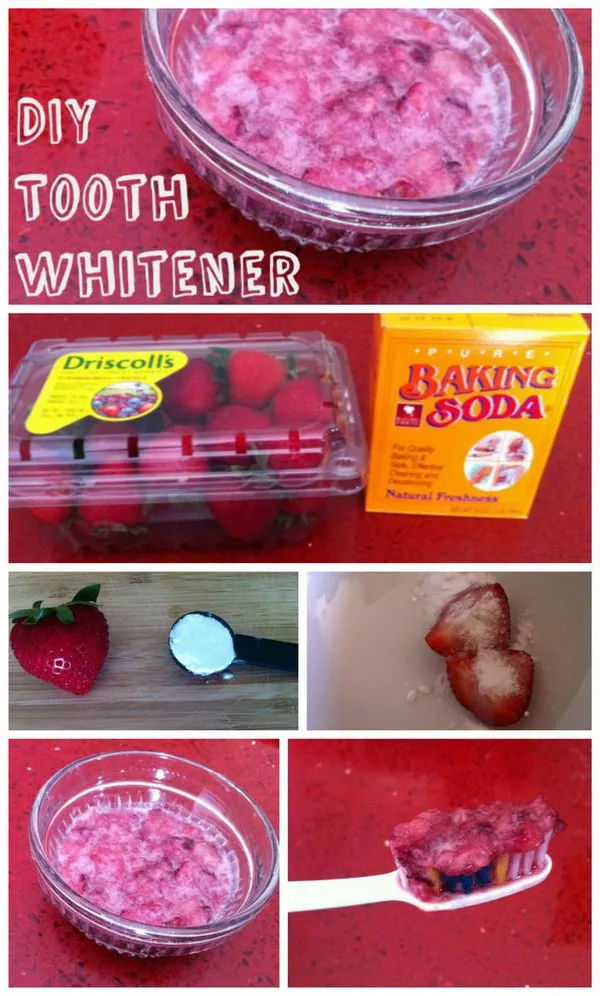
Strawberries contain malic acid, which acts as a natural astringent and may help remove surface stains. Combining strawberries with baking soda can create a gentle whitening effect. This recipe is often favored for its pleasant taste and relatively low risk of enamel damage compared to more acidic options. However, the effectiveness of this method varies, and results may not be as dramatic as with other treatments. Regular use of this recipe alongside proper oral hygiene can contribute to a brighter smile. Consult with your dentist to know if this recipe is ideal for your teeth health.
How to Prepare the Strawberry and Baking Soda Mixture

To prepare this mixture, mash one or two ripe strawberries into a pulp. Mix the mashed strawberries with a half-teaspoon of baking soda until it forms a paste. Make sure the strawberries are fully mashed to create an even consistency. The ripe strawberries will provide natural sweetness and flavor. This paste is designed to be gentler on your teeth compared to the lemon juice and baking soda mixture. You can also add a small amount of water if the paste is too thick. This method harnesses the natural properties of strawberries to enhance the whitening effect.
Application and Usage
Apply the strawberry and baking soda paste to your teeth using a soft toothbrush. Gently brush your teeth for about two minutes, ensuring all surfaces are covered. Rinse your mouth thoroughly with water to remove any remaining residue. As with other home remedies, limit the use of this paste to once or twice a week. This recipe is generally considered safe, but it’s always a good idea to listen to your teeth and discontinue use if you experience any sensitivity. Regular use of this paste combined with good oral hygiene practices can help contribute to a brighter, healthier smile.
Coconut Oil Pulling
Coconut oil pulling is an ancient Ayurvedic practice believed to detoxify the mouth and promote oral health, including teeth whitening. The oil helps to remove bacteria and plaque that can cause stains and discoloration. While the scientific evidence supporting its whitening effects is limited, many people find it to be a helpful part of their oral hygiene routine. Coconut oil is also known for its antibacterial properties, which may contribute to overall oral health. This method is generally considered safe and gentle, making it a popular choice for those seeking natural teeth whitening options.
How to Perform Coconut Oil Pulling

To perform coconut oil pulling, start by taking one to two tablespoons of coconut oil into your mouth. Swish the oil around your mouth for 15 to 20 minutes, making sure to reach all areas, including between your teeth. The oil should be gently swished, not gargled or swallowed. After 15–20 minutes, spit the oil into a trash can, as it contains bacteria and toxins that you don’t want to ingest. Rinse your mouth thoroughly with warm water, and then brush your teeth as usual. Be consistent with the practice to see results. Doing this first thing in the morning on an empty stomach is recommended for the best results.
Benefits of Coconut Oil Pulling
The potential benefits of coconut oil pulling extend beyond teeth whitening. Some proponents claim that it can reduce plaque and gingivitis, freshen breath, and improve overall oral hygiene. The lauric acid in coconut oil is known for its antimicrobial properties, which help to kill bacteria in the mouth. While the scientific evidence is still emerging, many people report noticeable improvements in the health of their gums and teeth. Consistent use of coconut oil pulling can also contribute to a cleaner mouthfeel and a reduction in bad breath. As with any oral health practice, consult with your dentist to know if this is right for you.
Turmeric Paste Recipe
Turmeric, a spice known for its anti-inflammatory and antioxidant properties, is believed by some to help whiten teeth. Its natural compounds may help to remove stains and reduce inflammation in the gums. While more research is needed to confirm its effectiveness, some people find turmeric to be a helpful addition to their oral care routine. This method is generally considered safe, but it is important to use it with caution, as turmeric can stain clothing and surfaces. Always consult with your dentist before trying any new teeth whitening methods, particularly if you have sensitive teeth or dental issues.
How to Prepare Turmeric Paste

To prepare the turmeric paste, mix a small amount of turmeric powder with water or coconut oil to create a paste. The consistency should be thick enough to stay on your teeth without dripping. Some people also add a pinch of baking soda to enhance the whitening effect. Make sure you use high-quality turmeric powder to ensure the best results. The combination of turmeric and water or coconut oil creates a simple paste that can be easily applied to your teeth. You can adjust the consistency by adding more water or coconut oil to your liking.
Application and Usage
Apply the turmeric paste to your teeth with a soft toothbrush. Gently brush for about two to three minutes, ensuring all surfaces are covered. Rinse your mouth thoroughly with water, and then brush your teeth again with regular toothpaste to remove any yellow residue. You may notice some staining on your toothbrush. The key to using turmeric is consistency and proper rinsing. For best results, use this paste a few times a week. Avoid using turmeric on your teeth if you have any open sores or cuts in your mouth. Be sure to monitor your teeth for any signs of increased sensitivity.
Apple Cider Vinegar Rinse
Apple cider vinegar (ACV) is a popular home remedy with various health benefits, including potential teeth whitening properties. Its acidic nature is believed to help remove stains and bacteria. However, due to its high acidity, it is essential to use ACV with caution to avoid damaging tooth enamel. Always dilute the ACV before use, and limit its use to a few times a week. The effectiveness of this method varies, and it’s crucial to monitor your teeth for any signs of sensitivity or erosion. Consult with your dentist to know if this is right for your teeth health.
How to Use Apple Cider Vinegar

To use apple cider vinegar, mix one or two teaspoons of ACV with a cup of water. Swish the diluted mixture around your mouth for about 30 seconds. Then, rinse your mouth thoroughly with plain water. Never use ACV undiluted, as its high acidity can damage your tooth enamel. This method is quick and easy, but its effectiveness and safety depend on proper dilution and moderation. Following this simple process can potentially help to brighten your smile. Be sure to rinse thoroughly after using ACV to remove any remaining acid.
Precautions
Using apple cider vinegar on your teeth comes with several precautions. The acidity of ACV can erode tooth enamel over time, leading to increased sensitivity and a higher risk of cavities. Always dilute the ACV with water before use, and limit its use to a few times a week. Avoid brushing your teeth immediately after using ACV, as this can further damage the enamel. If you experience increased sensitivity or any other issues, discontinue use immediately and consult with your dentist. Regular dental check-ups are essential to ensure your oral health is not being compromised by this or any other home remedy.
Important Considerations
While home remedies can be effective for teeth whitening, it’s important to approach them with caution and awareness of potential risks. Consulting with a dentist, understanding the limitations of home treatments, and prioritizing overall oral health are critical. This section covers these key considerations to ensure you make informed decisions and protect your teeth. Proper research and awareness can help you achieve a whiter smile safely and effectively.
Consulting a Dentist
Before trying any home remedies for teeth whitening, consulting with your dentist is crucial. Your dentist can assess your oral health, identify the causes of your tooth discoloration, and recommend the most appropriate treatments. They can also advise you on the potential risks and benefits of each home remedy, considering your specific dental condition. Regular dental check-ups are essential for maintaining healthy teeth and gums. Your dentist can also perform professional teeth whitening treatments if needed. Professional guidance ensures you take the most suitable approach to whitening your teeth while safeguarding your oral health.
Sensitivity and Potential Side Effects
One of the potential side effects of teeth whitening, whether at home or at the dentist’s office, is increased tooth sensitivity. This can occur due to the ingredients used in whitening products, which can temporarily affect the enamel. Other potential side effects include gum irritation and, in rare cases, damage to the tooth enamel if the whitening agents are used improperly or excessively. Monitoring your teeth for any adverse reactions, such as increased sensitivity or pain, is essential. Discontinue use of any home remedy if you experience such symptoms. Consult with your dentist if side effects persist or worsen.
Maintaining Your White Smile
Achieving a whiter smile is only part of the journey; maintaining it requires consistent care and attention. This involves adopting proper oral hygiene practices, making smart dietary choices, and attending regular dental check-ups. A combination of these efforts will ensure your teeth stay bright and healthy. Building long-term habits is essential for preserving your sparkling smile. Consistent care helps prevent staining, decay, and other dental issues.
Proper Oral Hygiene
Proper oral hygiene is the foundation of a bright and healthy smile. Brushing your teeth at least twice a day with fluoride toothpaste is essential for removing plaque and preventing stains. Flossing daily helps remove food particles and plaque from between your teeth, where a toothbrush can’t reach. Consider using an antibacterial mouthwash to further reduce bacteria and freshen breath. Using a soft-bristled toothbrush can help prevent damage to your enamel and gums. Maintaining a consistent oral hygiene routine is critical for keeping your teeth white and preventing future discoloration.
Dietary Choices
Your diet plays a significant role in maintaining a white smile. Certain foods and beverages are known to stain teeth, so limiting their consumption can help prevent discoloration. Coffee, tea, red wine, and dark-colored berries are common culprits. Consider drinking these beverages through a straw to minimize contact with your teeth. Eating crunchy fruits and vegetables, such as apples and carrots, can help naturally clean your teeth. Drinking plenty of water throughout the day helps to rinse away food particles and acids. Making mindful dietary choices is a valuable step in keeping your teeth white and healthy.
Regular Dental Check-ups
Regular dental check-ups and cleanings are essential for maintaining a bright smile and overall oral health. During a check-up, your dentist can remove any plaque or tartar buildup, which can cause staining and discoloration. They can also identify and address any underlying dental issues that could impact the color of your teeth. Professional cleanings can help maintain the effects of whitening treatments and prevent future staining. Regular check-ups also allow your dentist to monitor your oral health and provide personalized advice on maintaining a bright and healthy smile. Schedule your dental appointments regularly for optimal results.