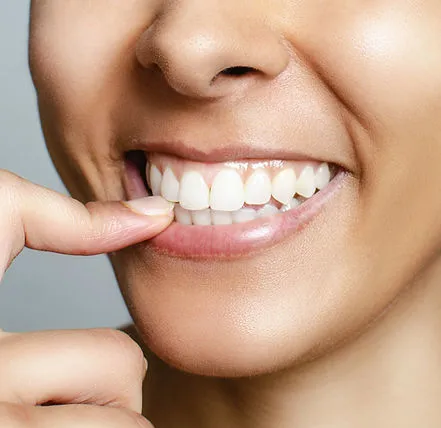
Top 5 UK Tooth Whitening Options
A bright, white smile is often seen as a sign of health and attractiveness, making tooth whitening a popular cosmetic dental procedure in the UK. Fortunately, there’s a wide range of options available to suit different needs and budgets, from professional treatments at a dental clinic to convenient at-home solutions. This guide explores the top 5 tooth whitening options available in the UK, helping you make an informed decision on the best approach for achieving a dazzling smile. Consider factors like the current shade of your teeth, the type of stains you’re dealing with, and your budget to find the perfect match. Remember, the goal is a confident, healthy smile!
Professional Teeth Whitening
Professional teeth whitening, also known as in-office whitening, is performed by a dentist or a trained dental professional. This method offers the most dramatic results and is generally considered the safest and most effective option. The process involves applying a high-concentration bleaching agent to the teeth, which is then activated using a special light or laser. This procedure can significantly lighten your teeth in a single visit, often by several shades. It is very effective and can combat both intrinsic and extrinsic stains.
In-Office Whitening Procedure

The procedure typically begins with a thorough cleaning of the teeth to remove any plaque or debris. The dentist then protects your gums and soft tissues with a protective barrier. Next, the whitening agent is applied to the teeth. This is often a hydrogen peroxide-based gel. A special light or laser may be used to accelerate the whitening process. The whitening agent is left on the teeth for a specific amount of time, and the process may be repeated multiple times during the session. After the treatment, the dentist removes the protective barrier and provides after-care instructions.
Advantages of Professional Whitening
Professional whitening offers several advantages. It provides the most effective and fastest results, delivering noticeable improvements in just one visit. The treatment is performed under the supervision of a dental professional, ensuring safety and minimizing the risk of complications. Dentists can tailor the treatment to your specific needs, addressing different types of stains. They also have access to stronger whitening agents than those available over-the-counter. With a dentist’s guidance, the process is both effective and safe.
Cost of Professional Whitening
The cost of professional teeth whitening in the UK varies depending on the clinic, location, and the specific treatment used. It is generally the most expensive option, but the results and safety often justify the price. It’s important to discuss the cost with your dentist beforehand and inquire about any available payment plans or financing options. The investment in professional whitening is an investment in your smile and, often, your self-confidence. The cost should be considered against the potential benefits and longevity of the results.
At-Home Whitening Kits

At-home whitening kits offer a convenient and more affordable alternative to professional treatments. These kits typically contain custom-fitted trays filled with a bleaching agent, usually hydrogen peroxide or carbamide peroxide. The trays are worn for a specified amount of time each day or night, depending on the product. At-home kits can provide noticeable results over several weeks of consistent use. They’re a good option for those looking to improve their smile without the higher cost of in-office procedures.
Types of At-Home Kits
There are several types of at-home whitening kits available. Some kits require custom-fitted trays made by your dentist, which offer a more precise fit and better results. Others use pre-filled trays that are designed to fit most mouths. Some kits use strips, which are thin, flexible strips coated with a whitening agent that are applied directly to the teeth. The choice of kit often depends on your budget, your willingness to make a dentist appointment, and your preferences for ease of use.
Effectiveness of At-Home Kits
The effectiveness of at-home whitening kits varies depending on the concentration of the bleaching agent and the consistency of use. Custom-fitted trays generally provide better results than pre-filled trays or strips because they ensure the whitening agent comes into full contact with the teeth. Results may take several weeks to become apparent, and the degree of whitening can vary. At-home kits can be effective for mild to moderate stains but may not be as effective for severe discoloration or intrinsic stains. Always follow the instructions carefully to ensure the best results and minimize any potential side effects.
Cost of At-Home Kits

At-home whitening kits are significantly less expensive than professional whitening. The cost depends on the type of kit and the brand. Custom-fitted tray kits provided by your dentist will typically cost more than over-the-counter options. The price is an attractive feature of these kits, making them accessible to a broader range of people. Always compare prices, read reviews, and consult with your dentist before making a purchase to ensure you select a safe and effective kit.
Whitening Toothpaste
Whitening toothpaste is a readily available and affordable option for brightening your teeth. These toothpastes typically contain mild abrasives and/or chemical agents that help remove surface stains. While they can improve the appearance of your teeth, they are generally not as effective as professional treatments or at-home whitening kits. Whitening toothpastes are a good option for maintaining a brighter smile and preventing new stains from forming.
Effectiveness of Whitening Toothpaste
Whitening toothpastes are most effective at removing surface stains caused by foods, drinks, and smoking. They can help improve the overall brightness of your teeth, but they cannot change the natural color of your teeth. The effectiveness depends on the ingredients and the type of stains. Consistent use over time can lead to a noticeable improvement in the appearance of your smile. However, they are not a substitute for professional whitening treatments.
Limitations of Whitening Toothpaste

Whitening toothpastes have limitations. They are not effective on intrinsic stains, such as those caused by aging, medications, or genetics. They are generally less effective than professional whitening treatments and at-home kits. Some toothpastes may contain abrasive ingredients that can wear down the enamel if used excessively. The results are usually subtle and may take several weeks or months to become noticeable. The effects are also temporary, and the color can fade with time.
Cost of Whitening Toothpaste
Whitening toothpastes are the most affordable option for teeth whitening. They are readily available in supermarkets, pharmacies, and online stores. The cost varies depending on the brand and the specific formulation. They are a budget-friendly option for maintaining a brighter smile and preventing new stains. The affordability makes them a great addition to any oral hygiene routine.
Teeth Whitening Strips
Teeth whitening strips are thin, flexible strips coated with a whitening agent, typically hydrogen peroxide. They are easy to use and can be purchased over-the-counter. Strips are applied directly to the teeth and left in place for a specific period. The convenience and affordability of teeth whitening strips make them a popular choice for many people looking to improve their smile. They are an effective and quick option to boost the appearance of your teeth.
How Strips Work

Whitening strips work by adhering to the surface of your teeth and delivering a concentrated dose of a whitening agent directly to the enamel. The hydrogen peroxide penetrates the enamel and breaks down the stain molecules. The strips are designed to conform to the shape of your teeth, ensuring optimal contact with the whitening agent. They are typically worn for a specified time, usually 30 minutes a day, for a set period, often a few weeks, to achieve noticeable results.
Effectiveness of Strips
The effectiveness of teeth whitening strips varies depending on the concentration of the whitening agent and the duration of use. Strips are generally more effective than whitening toothpastes but less effective than professional treatments or custom-fitted tray systems. They work best on surface stains and are less effective on intrinsic stains. Results are typically noticeable within a few weeks of consistent use. The degree of whitening achieved depends on factors like the severity of the stains and the individual’s tooth structure.
Cost of Strips
Teeth whitening strips are moderately priced, offering a balance between affordability and effectiveness. The cost varies depending on the brand, the number of strips included in the package, and the concentration of the whitening agent. They are more expensive than whitening toothpastes but less expensive than professional treatments and custom-fitted trays. They provide a cost-effective way to improve the brightness of your smile.
DIY Teeth Whitening

DIY teeth whitening involves using home remedies to lighten your teeth. This may include using baking soda and lemon juice, activated charcoal, or other natural ingredients. While these methods may seem appealing due to their low cost and accessibility, they often lack scientific backing and can be risky. It is always best to consult with a dentist to assess the safety and effectiveness of any DIY whitening methods.
Risks of DIY Whitening
DIY teeth whitening methods carry potential risks. Some ingredients, such as lemon juice and baking soda, are highly acidic and can erode the enamel, leading to increased sensitivity and damage to your teeth. The use of abrasive substances, like activated charcoal, can also scratch the enamel, making your teeth more susceptible to stains and decay. It is essential to consider the potential downsides of DIY approaches before attempting them. Professional guidance is always the safest option.
Popular DIY Methods
Popular DIY teeth whitening methods include using baking soda and lemon juice, activated charcoal, and coconut oil pulling. The efficacy of these methods is often questionable, and they may not provide noticeable results. Always approach DIY methods with caution and research the potential risks before trying them. For the best results and safety, always seek professional dental advice. Consider consulting with a dentist before trying any DIY whitening method.
Alternatives to Whitening

If teeth whitening is not the right option for you, there are several alternatives to consider for improving the appearance of your smile. These include dental veneers and dental bonding, which can address more complex cosmetic issues. It is essential to discuss your goals with your dentist to determine the most suitable treatment for your specific needs.
Dental Veneers
Dental veneers are thin, custom-made shells that are bonded to the front surface of the teeth. They can correct a variety of cosmetic issues, including discoloration, chips, cracks, and gaps. Veneers are made from porcelain or composite resin and are designed to match the color and shape of your natural teeth. They provide a durable and aesthetically pleasing solution for enhancing your smile. Veneers are a great long-term investment.
Dental Bonding
Dental bonding involves applying a tooth-colored resin to the teeth to repair chips, cracks, or discoloration. The resin is then hardened with a special light, and the dentist shapes and polishes the material to match the surrounding teeth. Dental bonding is a less expensive and less invasive alternative to veneers. Bonding is useful for minor cosmetic issues and is a quick and efficient treatment.
Maintaining Your White Smile
Once you have achieved a brighter smile through tooth whitening, it is important to take steps to maintain the results. This involves good oral hygiene practices and making lifestyle choices that help prevent new stains. Regular dental check-ups and cleanings are also essential for keeping your teeth healthy and bright. A combination of good habits and professional care will ensure a long-lasting, beautiful smile.
Good Oral Hygiene
Maintaining good oral hygiene is crucial for preserving your white smile. This includes brushing your teeth twice a day with a fluoride toothpaste, flossing daily, and using mouthwash to remove plaque and bacteria. Regular dental check-ups and cleanings are also important for removing surface stains and preventing future discoloration. Proper oral hygiene will maintain your smile and help to prevent future problems.
Avoiding Staining Foods and Drinks
Certain foods and drinks can stain your teeth and diminish the effects of whitening treatments. To maintain your bright smile, it is important to limit your intake of staining substances such as coffee, tea, red wine, and dark-colored sodas. If you do consume these beverages, drinking them through a straw can help minimize contact with your teeth. Rinsing your mouth with water after consuming staining foods and drinks can also help prevent stains from setting in.