The Synergy of Teeth Whitening and Invisalign
Achieving a dazzling smile is a common goal, and the combination of Invisalign and teeth whitening offers a powerful path to a brighter, more confident you. Invisalign, the clear aligner system, not only straightens teeth but also creates a unique opportunity for enhancing your smile through simultaneous teeth whitening. The ability to whiten your teeth while undergoing orthodontic treatment presents a convenient and effective approach to comprehensive smile improvement. This integration allows you to address both alignment and discoloration, leading to dramatic and lasting results. Understanding how these two treatments work together is the first step toward unlocking a radiant smile. The key lies in how Invisalign trays facilitate the teeth whitening process.
How Invisalign Trays Enhance Whitening
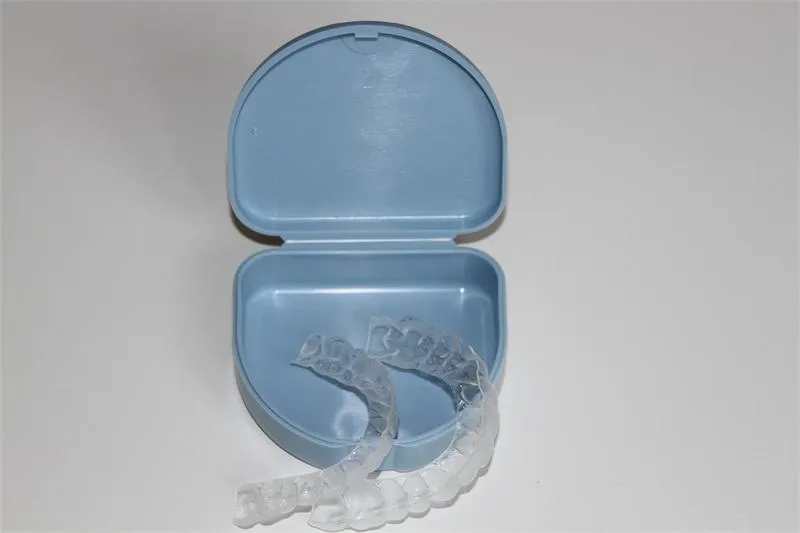
Invisalign trays are custom-made, clear aligners designed to fit snugly over your teeth. This design feature is instrumental in the teeth whitening process. The trays act as perfect applicators for the whitening agent, ensuring even and consistent coverage across the tooth surfaces. Unlike other whitening methods that may not provide uniform application, Invisalign trays help the whitening gel reach every surface of your teeth. This direct contact allows the bleaching agents to effectively break down stains and discoloration. Moreover, the trays help to keep the whitening gel in close contact with the teeth for an extended period, amplifying its efficacy. This close contact also helps to prevent the whitening gel from being diluted by saliva, optimizing the whitening results. The trays’ ability to facilitate a controlled, even, and prolonged application makes them ideal for teeth whitening.
Optimizing Whitening with Invisalign Top 5 Tips
Tip 1 Consult Your Dentist
Before embarking on any teeth whitening journey, consulting with your dentist is paramount. They can assess your oral health, identify any underlying issues like cavities or gum disease, and determine if teeth whitening is suitable for you. They can also recommend the most appropriate whitening products and concentrations based on your individual needs and sensitivity levels. Your dentist can explain the potential risks and benefits, ensuring you have realistic expectations. A professional consultation helps tailor a plan that maximizes whitening results while safeguarding your oral health. This also includes discussing the use of whitening products compatible with Invisalign treatment, ensuring that they will not damage the aligners. Professional guidance prevents adverse effects and sets you up for a successful, safe whitening experience.
Tip 2 Use the Right Whitening Product
Choosing the right whitening product is crucial. Your dentist can suggest professional-grade whitening gels designed to be used with Invisalign trays. These gels contain higher concentrations of hydrogen peroxide or carbamide peroxide, providing more potent whitening effects. Over-the-counter whitening products may not be as effective or can potentially cause sensitivity, so it’s crucial to follow your dentist’s recommendations. Ensure the product is specifically designed for use with aligners, as some formulations can damage the trays. Proper product selection involves considering your teeth’s sensitivity and the severity of the discoloration. Following the directions for use, including application frequency and duration, is essential to maximize your whitening results while minimizing any adverse effects. Furthermore, choose products that are clinically tested and backed by dental professionals to ensure safety and efficacy.
Tip 3 Proper Tray Usage

Correct usage of your Invisalign trays is key to achieving optimal whitening results. After applying the whitening gel to your trays, carefully insert them into your mouth, ensuring they fit snugly over your teeth. Follow your dentist’s instructions regarding the duration of wear – usually, a few hours per day or overnight. Avoid eating or drinking anything besides water while wearing your trays to prevent staining or weakening the whitening agents. Regularly clean both your trays and your teeth to maintain good oral hygiene. Use a soft-bristled toothbrush and gentle toothpaste to clean your teeth before and after each whitening session. Clean your trays with a soft brush and mild soap, avoiding hot water that may distort the plastic. Proper maintenance will ensure the trays remain clear, effective, and comfortable throughout your treatment.
Tip 4 Maintain Excellent Oral Hygiene
Oral hygiene plays a vital role in the success of your teeth whitening efforts. Brush your teeth thoroughly at least twice a day, ideally after meals and before applying the whitening gel. Floss daily to remove plaque and food particles from between your teeth and beneath the gum line. Consider using an antibacterial mouthwash to further reduce bacteria and promote gum health. Regularly schedule dental check-ups and professional cleanings to remove any built-up tartar and ensure your overall oral health is in top condition. Good oral hygiene practices not only enhance the effectiveness of the whitening treatment but also help prevent new stains from forming. This approach will lead to a healthier and brighter smile.
Tip 5 Patience and Consistency
Teeth whitening is a process that requires patience and consistency. Results do not happen overnight. It usually takes several days or weeks to achieve the desired level of brightness. Following your dentist’s recommendations, consistently using the whitening products, and maintaining excellent oral hygiene are critical. Avoid skipping treatments or reducing the wear time, as this can hinder progress. Keeping a consistent routine allows the whitening agents to gradually lift stains and lighten your teeth. Documenting your progress with photos can help you visually track changes and stay motivated. Remember that individual results can vary depending on your teeth’s natural shade and the type of stains you have. Staying patient and persistent will ensure the best outcome, culminating in a beautiful, confident smile.
Potential Challenges and Solutions

Sensitivity and How to Manage It
Tooth sensitivity is a common side effect of teeth whitening. It can range from mild discomfort to sharp, temporary pain. To manage sensitivity, your dentist might recommend using a toothpaste designed for sensitive teeth, containing ingredients like potassium nitrate. Avoiding overly hot or cold foods and drinks during the treatment period can also help. In some cases, the dentist might suggest a higher-fluoride toothpaste or a desensitizing agent to apply in the trays for a short period. Adjusting the concentration or frequency of the whitening product can also lessen sensitivity. If sensitivity becomes severe, consult your dentist immediately. These adjustments will improve your comfort while you continue whitening. The goal is to maintain the process while preventing unnecessary discomfort.
Uneven Whitening: Causes and Remedies
Uneven whitening can occur if some areas of your teeth whiten faster than others. This might be due to variations in the tooth enamel’s thickness or the presence of intrinsic stains. To address uneven whitening, your dentist may recommend more frequent whitening sessions or using a higher concentration of the whitening gel. Special attention to the areas that are slower to whiten might be needed. Another approach involves using specialized whitening trays that help focus the product on specific spots. For persistent cases of unevenness, professional in-office whitening treatments may be necessary to provide more targeted results. Staying consistent with the treatment and communicating your progress with your dentist are important. Careful adjustments to your whitening plan will often result in a more uniform and brighter smile.
Post-Treatment Care and Maintenance

Maintaining Your Bright Smile
Once you’ve achieved your desired level of whiteness, maintaining your results is crucial. Avoiding staining foods and drinks, such as coffee, tea, red wine, and berries, can help prevent future discoloration. Using a whitening toothpaste regularly can also help maintain brightness. Consider touch-up whitening treatments as recommended by your dentist to maintain your smile. Maintaining good oral hygiene habits and regular dental check-ups are essential for long-term results. Protecting your teeth from staining is easier after whitening. These simple steps will help you preserve your brighter, more confident smile long after your Invisalign and whitening treatment is complete.