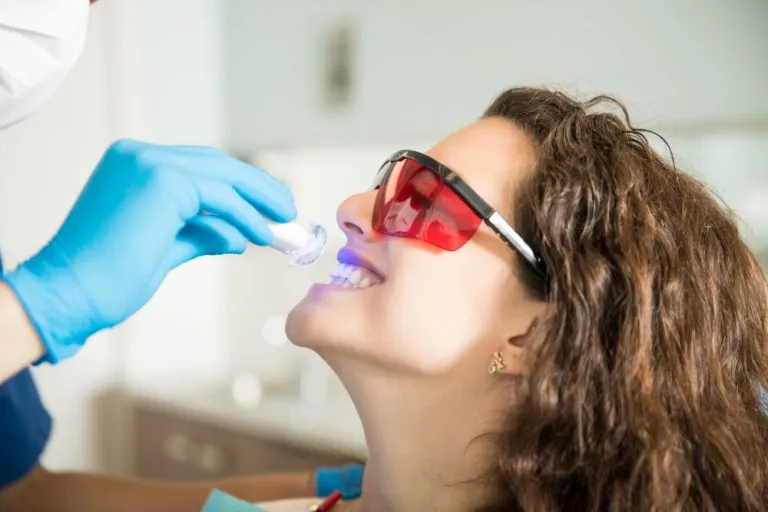
Understanding Aching Teeth After Whitening
Teeth whitening is a popular cosmetic procedure, but it can sometimes lead to temporary discomfort. Aching teeth after whitening is a common experience, often described as a sharp, throbbing, or sensitive sensation. Understanding why this happens is the first step in managing and alleviating the pain. The discomfort typically arises because the whitening agents, such as hydrogen peroxide or carbamide peroxide, penetrate the enamel to reach the stains within the tooth structure. This process can irritate the nerves inside the teeth, leading to sensitivity and, in some cases, more significant pain. However, this sensitivity is usually temporary and resolves within a few days as the teeth adjust to the treatment.
Causes of Aching Teeth
Sensitivity to Whitening Agents

The primary cause of aching teeth after whitening is the sensitivity to the whitening agents themselves. These chemicals can irritate the tooth’s pulp, which contains nerves, and cause inflammation. The concentration of the whitening agent and the duration of its contact with the teeth play significant roles in the degree of sensitivity experienced. Professional whitening treatments, which use higher concentrations of the bleaching agent, often lead to more pronounced and immediate sensitivity compared to at-home kits. Even with at-home products, overuse or improper application can amplify discomfort.
Microscopic Cracks and Existing Issues
Teeth with existing microscopic cracks or other dental issues are more susceptible to sensitivity during whitening. These imperfections can provide pathways for the whitening agents to penetrate deeper into the tooth structure, reaching the nerve endings more quickly and causing a heightened response. People who already have fillings, cavities, or a history of dental problems may find that the whitening process exacerbates pre-existing conditions. Prior to whitening, it is essential to discuss any dental concerns with a dentist, to explore potential issues and ensure that your teeth are in optimal condition for the procedure.
Gum Irritation
Gum irritation can also contribute to the overall discomfort experienced during teeth whitening. If the whitening agent comes into contact with the gums, it can cause inflammation and sensitivity. This is particularly common with at-home whitening kits, where the trays might not fit perfectly, leading to leakage of the gel onto the soft tissues. Professional treatments are usually done with greater precision, using protective measures to minimize gum exposure. Any existing gingivitis or other gum issues will make the irritation worse, therefore ensuring the health of the gums prior to teeth whitening is extremely important.
Top 5 Aching Relief Tips After Teeth Whitening

Over-the-Counter Pain Relievers
One of the most immediate solutions for aching teeth after whitening is the use of over-the-counter pain relievers. Analgesics such as ibuprofen or acetaminophen can effectively reduce pain and inflammation. These medications work to block pain signals to the brain and provide quick relief. It is important to follow the instructions on the label and not exceed the recommended dosage. If the pain is severe or doesn’t improve with these medications, consulting your dentist is advisable to rule out any other underlying causes or complications.
Desensitizing Toothpaste
Desensitizing toothpaste is another effective remedy for aching teeth after whitening. These toothpastes contain ingredients such as potassium nitrate, which helps to block the nerve signals that cause sensitivity. Using a desensitizing toothpaste a few weeks before your whitening treatment, as well as during and after the process, can significantly reduce discomfort. Ensure to use the toothpaste as directed, allowing the active ingredients to work, and be patient as it may take a few days or weeks to provide the full effect. Consistent use can help build a protective barrier for the tooth enamel.
Fluoride Treatments

Fluoride treatments can fortify the tooth enamel and reduce sensitivity. Fluoride remineralizes the enamel, making it more resistant to the whitening agents and less likely to cause pain. Your dentist can provide professional fluoride treatments, which may be more concentrated and effective than over-the-counter options. Fluoride varnishes or gels can be applied directly to the teeth. You can also use fluoride-containing mouthwashes or toothpaste to increase the fluoride exposure to your teeth at home. Always follow your dentist’s recommendations for the best results.
Soft Diet and Avoiding Irritants
Adjusting your diet during and immediately after teeth whitening can help minimize discomfort. Opt for a soft diet that avoids hard, crunchy, or acidic foods. These can aggravate sensitive teeth. Instead, consume foods that are gentle on the teeth, such as yogurt, smoothies, mashed potatoes, and cooked vegetables. Avoid foods and drinks that are known to stain teeth, such as coffee, tea, red wine, and dark-colored berries, as well as anything too hot or cold. This also ensures the whitening treatment is not compromised. This will help your teeth to heal and reduce the chances of further irritation.
Hydration and Proper Oral Hygiene
Maintaining excellent oral hygiene is essential. Brush your teeth gently with a soft-bristled toothbrush to avoid irritating your gums and teeth further. Make sure you use lukewarm water, as cold or hot water can exacerbate sensitivity. Floss regularly to remove any food particles, but do so carefully to avoid irritating the gums. Staying hydrated is also key, as dehydration can make sensitivity worse. Drink plenty of water throughout the day to keep your mouth moist and promote saliva production, which helps neutralize acids and protect your teeth.
Preventing Aching Teeth During Whitening

Consulting Your Dentist Beforehand
Before undergoing any teeth whitening procedure, it is highly recommended to consult with your dentist. They can examine your teeth, identify any pre-existing issues like cavities or gum disease, and advise whether whitening is suitable for you. Your dentist can also offer professional cleaning to remove surface stains and plaque, which can enhance the effectiveness of the whitening treatment. Discussing your oral health history and any existing sensitivity will help them tailor the whitening process to your specific needs and minimize potential discomfort. This includes addressing any fillings, cavities, or other dental concerns before starting the whitening process.
Using Recommended Whitening Products and Methods
Choose whitening products and methods that are recommended by your dentist. They can guide you toward options that are safe and effective for your individual oral health. Avoid products with excessively high concentrations of bleaching agents unless under professional supervision. For at-home kits, follow the instructions meticulously, and avoid overuse. Consider custom-fitted trays for at-home treatments, as they provide a better fit and reduce the likelihood of the whitening gel leaking onto your gums. During professional treatments, dentists use techniques to protect gums and minimize sensitivity.
Following Aftercare Instructions

After teeth whitening, adhere strictly to your dentist’s aftercare instructions. These instructions usually involve avoiding certain foods and drinks that can stain your teeth, maintaining a good oral hygiene routine, and possibly using desensitizing toothpaste. Avoid smoking, as it can stain your teeth and also contribute to inflammation. Be gentle when brushing and flossing to avoid irritation. Following these guidelines will help to maintain the results of the whitening treatment and minimize any potential sensitivity or discomfort.
When to Seek Professional Help
Severe or Persistent Pain
While some level of sensitivity is normal after teeth whitening, severe or persistent pain warrants a visit to your dentist. If the pain is intense, does not subside within a few days, or worsens over time, it could indicate an underlying issue that needs attention. This could include previously unnoticed dental problems or complications from the whitening treatment. Your dentist can assess the situation, diagnose the cause of the pain, and provide appropriate treatment to alleviate the discomfort and address any underlying problems.
Signs of Infection or Other Complications

Be alert for signs of infection or other complications, such as excessive bleeding, swelling, or discharge from your gums. These symptoms may indicate an adverse reaction to the whitening treatment or an underlying dental issue. If you experience any of these signs, contact your dentist immediately. Early detection and treatment of complications can prevent more serious problems and ensure the health of your teeth and gums. Your dentist can provide necessary treatment to address the infection, inflammation, or any other complications, ensuring your oral health is maintained.
In conclusion, while aching teeth after whitening is a common side effect, it is usually temporary and manageable. By understanding the causes, following relief tips, and taking preventive measures, you can minimize discomfort and enjoy the benefits of a brighter smile. Always consult your dentist for personalized advice and to address any concerns you may have. Proper care and attention will ensure a successful and comfortable teeth whitening experience.