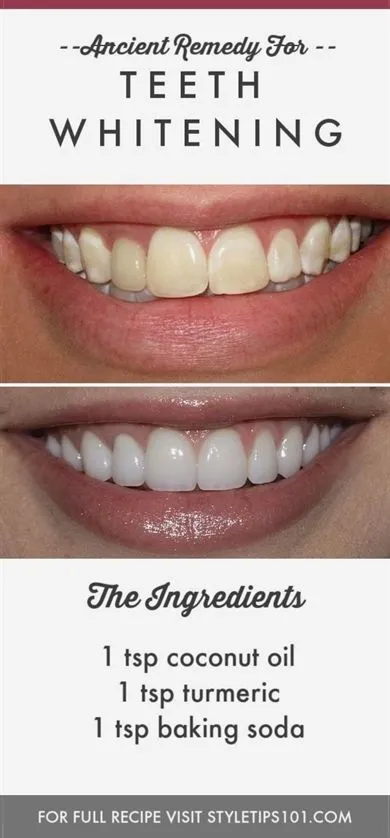
Teeth whitening strips have become a popular way to achieve a brighter smile, but sometimes, the process can be accompanied by discomfort. Many people experience teeth sensitivity or even outright pain after using these strips. Understanding why this happens and how to alleviate the pain is crucial for a comfortable teeth-whitening experience. This guide will walk you through the causes of pain, immediate relief strategies, and long-term solutions, ensuring you can achieve a dazzling smile without the agony.
Understanding Teeth Whitening Strips and Pain
Before diving into solutions, it’s essential to understand why teeth whitening strips can cause pain. The primary culprits are the active ingredients in the strips, which are designed to break down stains and discoloration on your teeth. These ingredients, while effective, can also irritate the teeth and gums, leading to sensitivity and pain. This section will explore the science behind the process and common causes of discomfort.
What Causes Teeth Sensitivity
Teeth sensitivity occurs when the enamel, the protective outer layer of your teeth, is compromised or thinned. This exposes the underlying dentin, which contains tiny tubules that lead directly to the tooth’s nerve. When these tubules are stimulated by hot, cold, sweet, or acidic substances—or, in this case, the chemicals in whitening strips—the nerve is triggered, resulting in sharp, shooting pain. The intensity of the sensitivity varies depending on individual factors such as existing enamel erosion and the strength of the whitening agents used.
The Science Behind Whitening Strips

Whitening strips typically contain hydrogen peroxide or carbamide peroxide as the active whitening agents. These chemicals penetrate the enamel and break down the stain molecules that cause discoloration. While effective, they can also cause the teeth to become temporarily dehydrated, leading to increased porosity and sensitivity. This process can irritate the soft tissues of the gums and teeth, leading to pain and discomfort, especially for those with pre-existing sensitivity or thin enamel. The higher the concentration of peroxide, the more likely the user is to experience sensitivity.
Common Ingredients that Cause Pain
The primary irritants in whitening strips are hydrogen peroxide and carbamide peroxide. These chemicals are effective at breaking down stains, but they can also cause inflammation of the dental pulp and irritation of the gums. Other ingredients, such as flavoring agents and adhesives, can also contribute to sensitivity. Additionally, some individuals are simply more sensitive to these chemicals than others, experiencing pain even with lower concentrations or shorter application times.
Immediate Relief Strategies
If you’re experiencing pain after using teeth whitening strips, immediate relief is essential. Several easy-to-implement strategies can help alleviate the discomfort and allow you to continue with your day. From over-the-counter remedies to simple home treatments, here’s how you can quickly find relief and get back to feeling comfortable.
Over-the-Counter Pain Relief

Over-the-counter pain relievers such as ibuprofen (Advil, Motrin) or acetaminophen (Tylenol) can effectively manage the pain associated with teeth sensitivity. Always follow the package instructions and do not exceed the recommended dosage. These medications work by reducing inflammation and blocking pain signals, providing temporary relief while the sensitivity subsides. If the pain is severe, consider consulting with your dentist for a stronger recommendation.
Desensitizing Toothpaste
Desensitizing toothpaste contains ingredients like potassium nitrate or stannous fluoride, which help block the tubules in the dentin, reducing sensitivity. Brush your teeth with this type of toothpaste at least twice a day, and apply a small amount directly to the sensitive areas. It may take several days or weeks to notice a significant improvement, but desensitizing toothpaste is a highly effective long-term solution for managing tooth sensitivity. Ensure the toothpaste is specifically designed for sensitive teeth, and consider consulting your dentist for recommendations.
Rinsing with Salt Water
A saltwater rinse is a simple, yet effective home remedy for reducing inflammation and soothing irritated gums. Mix half a teaspoon of salt in a cup of warm water and gently rinse your mouth for about 30 seconds. Saltwater helps to draw out fluids, reducing swelling and promoting healing. It also has natural antiseptic properties that can help prevent infection. Repeat this several times a day, especially after using whitening strips or brushing your teeth.
Cold Compress Application

Applying a cold compress to the outside of your cheek can help numb the pain and reduce inflammation. Wrap an ice pack or a bag of frozen vegetables in a thin towel and hold it against your cheek for 15-20 minutes at a time. This method provides immediate relief and can be repeated as needed. The cold temperature constricts blood vessels, reducing swelling and numbing the area, which can significantly decrease discomfort. Avoid applying ice directly to your skin to prevent damage.
Long-Term Pain Management Techniques
While immediate relief is crucial, addressing the root causes of sensitivity can prevent future pain. Long-term management involves adjusting your oral care routine, selecting appropriate products, and making informed decisions about your whitening treatment. Implementing these strategies can significantly improve your teeth-whitening experience and maintain a healthy, pain-free smile.
Choosing the Right Whitening Strips
Not all whitening strips are created equal. Opt for strips with lower concentrations of hydrogen peroxide, especially if you have sensitive teeth. Many brands offer different levels of intensity; start with a milder option and gradually increase the strength if necessary. Look for strips designed specifically for sensitive teeth, which typically contain milder formulations and desensitizing agents. Always read reviews and consult with your dentist to determine the best product for your specific needs.
Proper Application Techniques

Proper application is crucial for minimizing pain. Follow the instructions on the product packaging carefully. Avoid over-application; do not leave the strips on for longer than recommended. Make sure the strips cover your teeth evenly and avoid contact with your gums. If you experience pain, remove the strips immediately and rinse your mouth with water. Consider using the strips less frequently or for shorter durations to reduce sensitivity. Ensure the strips adhere properly to the teeth and do not come into contact with soft tissues.
Dietary Adjustments
Certain foods and drinks can exacerbate teeth sensitivity. During and after your teeth-whitening treatment, avoid or minimize the consumption of acidic foods and beverages such as citrus fruits, tomatoes, carbonated drinks, and coffee. These can erode enamel and increase sensitivity. Additionally, sugary foods can contribute to tooth decay, which can worsen sensitivity. Focus on a balanced diet rich in calcium and phosphorus, which helps strengthen tooth enamel. Drink plenty of water to stay hydrated and rinse your mouth after consuming acidic foods.
Professional Dental Advice
Consulting your dentist is essential for managing teeth sensitivity. Your dentist can assess your oral health, identify any underlying issues contributing to the pain, and recommend the most appropriate treatment. They may suggest professional-strength desensitizing treatments, custom-fitted whitening trays, or alternative whitening options that are gentler on your teeth. Regular dental check-ups can help prevent future sensitivity issues and ensure your overall oral health.
Preventing Future Pain

Preventing future pain involves adopting healthy habits and maintaining a proactive approach to your oral health. By following a consistent oral hygiene routine and scheduling regular dental check-ups, you can minimize the risk of experiencing sensitivity and ensure a comfortable teeth-whitening experience. This section offers specific strategies to help you maintain a pain-free, bright smile.
Maintaining Oral Hygiene
Maintaining excellent oral hygiene is paramount for preventing sensitivity and ensuring healthy teeth. Brush your teeth twice a day with a soft-bristled toothbrush, and use fluoride toothpaste. Floss daily to remove plaque and food particles from between your teeth and under the gumline. Consider using an antimicrobial mouthwash to reduce bacteria and prevent gingivitis. Regular brushing and flossing help to protect your enamel, prevent gum recession, and minimize the risk of sensitivity and other dental problems. Use gentle brushing techniques to avoid damaging your enamel and gums. Proper oral hygiene is the cornerstone of a healthy, pain-free smile.
Regular Dental Check-ups
Schedule regular dental check-ups and cleanings every six months. Your dentist can identify early signs of enamel erosion, cavities, or gum disease, allowing for prompt treatment. Professional cleanings remove plaque and tartar, which can contribute to sensitivity and inflammation. During your check-up, your dentist can also provide personalized advice on managing sensitivity and maintaining optimal oral health. Regular visits ensure that any developing issues are addressed quickly, preventing more severe problems and keeping your smile healthy and bright. Dental check-ups are a proactive step towards preventing pain and maintaining a confident smile.
In conclusion, while teeth whitening strips can sometimes cause pain, understanding the causes and implementing the right strategies can help you achieve a brighter smile without discomfort. From immediate relief options like over-the-counter pain relievers and desensitizing toothpaste to long-term solutions like choosing the right whitening strips and maintaining proper oral hygiene, there are numerous ways to manage and prevent teeth sensitivity. By following the advice in this guide and consulting with your dentist, you can confidently whiten your teeth and enjoy a healthy, pain-free smile.