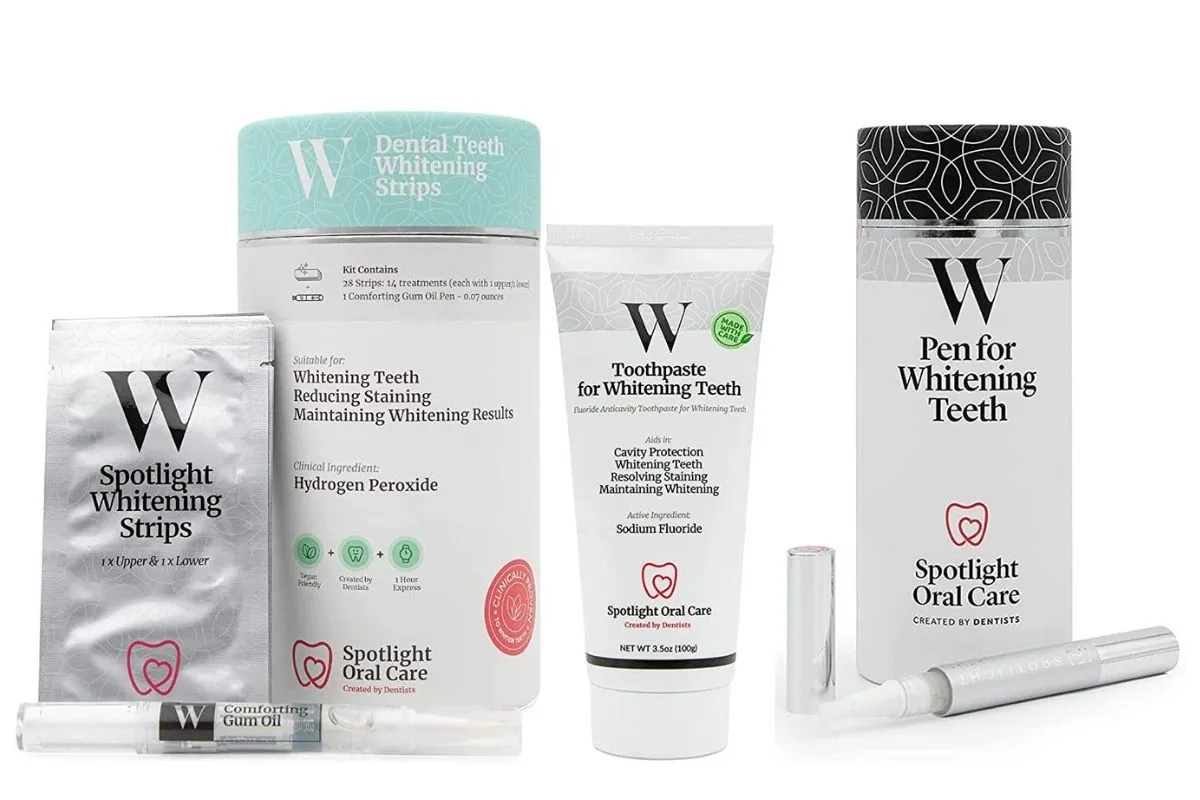
How Teeth Whitening Strips Work
Teeth whitening strips have become a popular method for achieving a brighter smile. But how do they work? Understanding the science behind these strips is crucial to assessing their effectiveness and whether they are the right choice for your dental needs. The fundamental principle involves the use of active ingredients that penetrate the enamel and dentin to break down stain molecules. These molecules, accumulated over time from food, drinks, and other habits, cause discoloration. Whitening strips are designed to target these stains, providing a convenient way to lighten your teeth.
The Science Behind Whitening
The science behind teeth whitening primarily relies on oxidation-reduction reactions. The active ingredients in whitening strips, typically peroxides, release oxygen molecules. These oxygen molecules interact with the stain molecules within the tooth enamel. This interaction breaks down the bonds that hold the stain molecules together, effectively lightening the appearance of the teeth. The process doesn’t physically remove the enamel; instead, it changes the structure of the stain molecules, making them less visible and reflecting light differently, thus appearing whiter.
The Active Ingredients

The primary active ingredients found in most teeth whitening strips are hydrogen peroxide and carbamide peroxide. These chemicals act as bleaching agents, breaking down the stain molecules within the teeth. The concentration of these ingredients varies depending on the product, with higher concentrations often found in professional treatments. Understanding the role of these active ingredients is vital to evaluate the potential results and sensitivity levels associated with the strips.
Hydrogen Peroxide
Hydrogen peroxide is a common and potent bleaching agent. It is a strong oxidizing agent that effectively penetrates the enamel and dentin to reach stain molecules. Over-the-counter whitening strips usually contain lower concentrations of hydrogen peroxide to ensure consumer safety, while professional treatments can utilize higher concentrations for quicker and more dramatic results. The effectiveness and potential side effects often correlate with the concentration levels of hydrogen peroxide.
Carbamide Peroxide
Carbamide peroxide is another commonly used active ingredient. It breaks down into hydrogen peroxide and urea. The urea helps to buffer the hydrogen peroxide, which can reduce tooth sensitivity. It is also a gentler alternative, often preferred in at-home treatments. The release of hydrogen peroxide from carbamide peroxide is slower, providing a more sustained whitening effect. The concentration of carbamide peroxide also influences the overall efficacy and impact of the whitening strips.
How Effective are Whitening Strips

The effectiveness of teeth whitening strips varies, and several factors influence the results you can expect. While many users experience noticeable improvements in the brightness of their teeth, the degree of whitening can differ significantly. Knowing the influencing factors is critical to set realistic expectations and choose the right product for your specific needs. Regular and consistent use, following the product instructions, plays a critical role in maximizing the effectiveness of whitening strips.
Factors Influencing Effectiveness
Several factors influence the effectiveness of teeth whitening strips. These factors include the type and severity of stains, the adherence to instructions, and the initial condition of your teeth. Additionally, individual differences, such as enamel thickness and natural tooth shade, can also impact the outcome. Therefore, assessing your specific situation and selecting a product accordingly ensures the best possible results, considering all influencing elements.
Stain Type and Severity
The type and severity of stains significantly impact how well whitening strips work. Surface stains, caused by coffee, tea, and smoking, often respond well to whitening treatments. Intrinsic stains, which originate from within the tooth structure (e.g., caused by medications or aging), might be more challenging to address. The more severe the staining, the more treatments may be required to achieve desired results. Understanding the origin and nature of stains can guide you in choosing the most suitable whitening solution.
Adherence to Instructions

Following the product instructions precisely is paramount for achieving optimal results. The duration, frequency, and method of use are all designed to maximize the effectiveness and minimize potential side effects. Skipping applications or not adhering to the recommended usage can reduce the whitening outcome. Additionally, avoiding foods and drinks that can stain teeth during the treatment can significantly enhance the overall impact of whitening strips. Consistency and following the manufacturer’s guidelines will help you to get the best possible results.
Types of Whitening Strips
Different types of teeth whitening strips are available, varying in terms of the concentration of active ingredients and the way they are sold. Over-the-counter strips offer a convenient and affordable option for home use, while professional-grade strips are available through dentists. Understanding the differences between these types can help you choose the most suitable option to meet your needs and expectations. The key difference lies in the concentration of the whitening agent, which influences both the results and potential side effects.
Over-the-Counter Strips
Over-the-counter (OTC) whitening strips are widely accessible and offer a convenient way to whiten your teeth at home. They typically contain lower concentrations of hydrogen peroxide or carbamide peroxide to ensure safety for consumer use. These strips are generally easier to use and come with straightforward instructions. However, the results may take longer to appear, and the whitening effect may not be as dramatic as professional treatments. OTC strips are often a good option for those with mild to moderate staining or seeking a subtle improvement in their smile.
Professional Whitening Strips

Professional whitening strips are prescribed and administered by a dentist. These strips usually contain higher concentrations of the active whitening agents, resulting in faster and more pronounced results. Dentists can also provide customized trays for a more precise fit, which can improve the effectiveness of the whitening process and minimize side effects. Although more expensive than OTC strips, professional whitening strips can be a more suitable option for individuals with significant staining or who want quicker results. The dentist’s guidance ensures safe and effective use, minimizing risks.
Benefits of Using Whitening Strips
Teeth whitening strips offer several advantages that make them a popular choice for improving the appearance of your smile. They provide convenience, cost-effectiveness, and are relatively easy to use at home. These benefits make whitening strips an attractive option for many individuals seeking a brighter smile. The ease of incorporating them into a daily routine and the potential for noticeable improvements contribute to their popularity. Despite the benefits, users should also consider potential risks and alternatives before starting the treatment.
Convenience and Ease of Use
Whitening strips are celebrated for their convenience and ease of use. They can be easily incorporated into your daily routine without requiring dental visits or complex procedures. Most strips are designed for easy application, with clear instructions. Their portability makes them convenient for use at home, work, or while traveling, letting you maintain your whitening routine consistently. This ease of use contributes to high adherence rates and ensures consistent results for users.
Cost-Effectiveness

Compared to professional teeth whitening treatments, whitening strips are generally more cost-effective. Over-the-counter strips provide an affordable way to improve your smile, making teeth whitening accessible to a broader audience. While the results may not be as dramatic or long-lasting as professional treatments, the lower cost is a significant benefit for many users. The affordability factor makes it easier for people to maintain and enhance their smile without making a huge financial investment.
Potential Risks and Side Effects
While teeth whitening strips are generally safe when used as directed, there are potential risks and side effects that you should be aware of. Tooth sensitivity and gum irritation are the most common side effects. It’s important to weigh these potential drawbacks against the desired outcome, ensuring you are fully informed before starting treatment. Being aware of the risks can also help you take necessary precautions to minimize the severity of side effects and to select the right product for your needs.
Tooth Sensitivity
Tooth sensitivity is a common side effect of teeth whitening strips. The active ingredients can penetrate the enamel and reach the dentin, where they can irritate the nerves in your teeth, leading to temporary sensitivity. This sensitivity usually subsides shortly after finishing the treatment. Using toothpaste designed for sensitive teeth or avoiding cold or hot foods and drinks during treatment can help reduce sensitivity. If the sensitivity becomes severe or prolonged, it’s best to consult your dentist.
Gum Irritation

Gum irritation is another potential side effect, typically caused by the whitening agent coming into contact with gum tissue. This can result in mild discomfort, redness, or swelling. To minimize gum irritation, apply the strips carefully, ensuring they do not overlap the gum line. If irritation occurs, taking a break from the treatment and using a fluoride toothpaste can help to soothe your gums. Persistent or severe gum irritation should be addressed by a dentist to prevent any potential complications.
Alternatives to Whitening Strips
If teeth whitening strips are not the right choice for you, several alternatives can help you achieve a brighter smile. These alternatives include professional teeth whitening treatments and other home remedies. Considering these options allows you to select a solution that best suits your needs, preferences, and dental health. Consulting with a dental professional will help you make an informed decision based on your specific oral health and desired outcomes. Different methods offer varying degrees of effectiveness, cost, and convenience.
Professional Teeth Whitening
Professional teeth whitening, performed by a dentist, is a more intensive option than whitening strips. Dentists use stronger whitening agents and can apply them more precisely, ensuring the even coverage of the teeth. Professional treatments can offer more dramatic and rapid results, making them a popular choice for those seeking significant improvements. The process is generally safe when carried out by a dental professional, and any potential side effects are usually managed effectively. However, professional whitening is more expensive and requires visits to the dentist.
Other Home Remedies
Apart from whitening strips, various home remedies can help brighten your teeth. These include using whitening toothpaste, baking soda, or activated charcoal. Whitening toothpaste contains mild abrasives and/or bleaching agents that help remove surface stains. Baking soda has mild abrasive properties that can aid in stain removal, but it should be used sparingly to avoid enamel erosion. Activated charcoal is also promoted as a whitening agent, although scientific evidence supporting its effectiveness is limited. The effects of home remedies tend to be subtler than those of professional treatments or whitening strips, and it’s essential to use them cautiously, following the dentist’s recommendation to prevent any damage.
Conclusion
Teeth whitening strips can be an effective and convenient method for improving the appearance of your smile. They work by using active ingredients to break down stain molecules, offering a cost-effective alternative to professional treatments. However, the effectiveness varies based on factors like the type of stains, adherence to instructions, and the specific product used. While generally safe, potential side effects like tooth sensitivity and gum irritation can occur. Understanding the science, the different types of strips, their benefits, and potential risks is vital for making an informed decision. If you are considering teeth whitening strips, always consult your dentist to ensure they are suitable for your oral health needs and to discuss alternative options. A brighter smile can be within reach, and choosing the right method can significantly enhance your confidence and oral well-being.