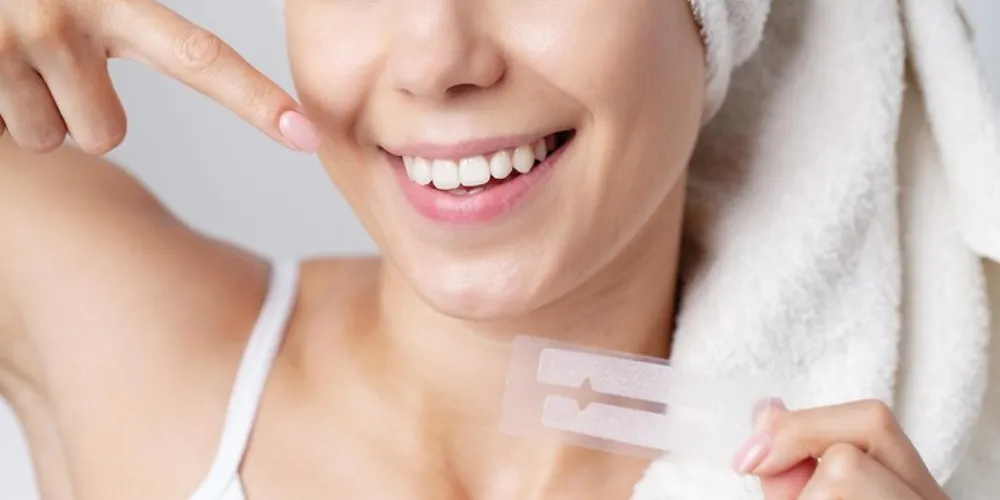
Understanding Teeth Whitening Strips
Teeth whitening strips have become a popular method for achieving a brighter smile. These convenient strips, readily available over-the-counter, offer a user-friendly approach to teeth whitening. They are designed to adhere directly to the surface of your teeth, delivering a whitening agent, typically hydrogen peroxide or carbamide peroxide, to remove stains and discoloration. But understanding the science behind these strips and how to use them correctly is essential for achieving the best results. Whether you’re a seasoned user or a newcomer to teeth whitening, grasping the basics of these strips is the first step towards a radiant smile.
How Whitening Strips Work
Whitening strips work through a process of oxidation. The active ingredient, usually a peroxide-based compound, penetrates the enamel of your teeth. Once inside, it breaks down into smaller molecules that interact with the stain molecules, causing them to break apart and lighten. The process is similar to bleaching, but the concentration of the whitening agent in strips is generally lower than what is used in professional dental treatments, making them safer for home use. The effectiveness of the strips depends on several factors, including the concentration of the whitening agent, the duration of application, and the individual’s tooth structure and the type of stains present.
Ingredients in Whitening Strips

The primary active ingredient in most teeth whitening strips is hydrogen peroxide or carbamide peroxide. These compounds are responsible for the bleaching action. Hydrogen peroxide is a stronger oxidizing agent and can produce faster results, while carbamide peroxide breaks down into hydrogen peroxide, offering a more gradual whitening effect. Other ingredients typically found in whitening strips include water, glycerin, and flavoring agents to ensure the strip adheres to the teeth and improve the user experience. Some strips may also contain stabilizers and other chemicals that contribute to the product’s overall effectiveness and shelf life. Always check the product label for a complete list of ingredients, especially if you have sensitivities or allergies.
The Importance of Oral Hygiene
Before delving into the specifics of using whitening strips, it’s crucial to understand the fundamentals of good oral hygiene. Your oral health significantly impacts the effectiveness of whitening treatments. Maintaining a clean mouth ensures the whitening agent can effectively reach the tooth surface, maximizing the brightening effect. This also minimizes the risk of potential side effects and promotes overall dental health. Regular brushing, flossing, and dental check-ups are the cornerstones of a healthy mouth, helping to create an environment where whitening strips can work optimally. Ignoring these basics can undermine your efforts to achieve a brighter smile.
Why Brushing Matters
Brushing your teeth is the first line of defense against plaque, bacteria, and surface stains. Plaque is a sticky film of bacteria that forms on your teeth and can cause tooth decay and gum disease. Brushing removes plaque and food particles, preventing these issues. Moreover, brushing helps to remove some surface stains that can dull your smile. These stains can be caused by various foods and beverages, such as coffee, tea, and red wine. Regular brushing prepares your teeth for the whitening process by creating a clean surface for the whitening agents to work on, leading to better results. Consistent brushing not only enhances the appearance of your teeth but also supports their long-term health.
Benefits of Brushing Your Teeth

Brushing offers several benefits beyond just a brighter smile. It helps prevent cavities by removing plaque and food debris, the primary food source for cavity-causing bacteria. Brushing also helps maintain healthy gums by preventing gingivitis, an early form of gum disease. Regular brushing stimulates the gums, improving blood circulation and keeping them strong and healthy. It can also freshen your breath by removing odor-causing bacteria and food particles. Moreover, it can help prevent the buildup of tartar, which can cause more serious dental issues. Therefore, integrating brushing into your daily routine is an investment in both your oral health and your overall well-being.
Timing Your Brushing with Whitening Strips
The timing of brushing your teeth in relation to using whitening strips is a critical factor in maximizing their effectiveness and minimizing potential side effects. The order in which you perform these two actions can influence the results you achieve. There are various schools of thought regarding this, and the best approach might vary based on individual factors. However, understanding the potential pros and cons of each method will help you make an informed decision. Consider the impact on enamel sensitivity, the presence of abrasive agents in toothpaste, and how they interact with the whitening process. The following sections will delve into the specifics of brushing before and after applying whitening strips.
Brushing Before Whitening Strips
Brushing your teeth before applying whitening strips is a common practice. The main advantage is that it removes food particles, plaque, and surface stains, creating a clean surface. This allows the whitening agent in the strips to come into direct contact with the tooth enamel, potentially improving the whitening effect. Furthermore, brushing can help remove any debris that might hinder the strips from adhering properly to the teeth. However, this approach also has a few potential drawbacks. Using toothpaste immediately before applying the strips can sometimes create a barrier and reduce the efficacy of the whitening agent.
Potential Drawbacks of Brushing Before

One of the main concerns with brushing immediately before applying whitening strips is the potential for increased tooth sensitivity. Many toothpastes contain abrasive ingredients that can temporarily wear down the enamel, especially when combined with the peroxide in the whitening strips. This can lead to increased sensitivity. Also, certain toothpaste ingredients can create a barrier on the tooth surface, preventing the whitening agent from effectively penetrating the enamel. Therefore, if you choose to brush before using whitening strips, it is advisable to wait at least 30 minutes after brushing to allow your saliva to neutralize the toothpaste residue. Consider using a toothpaste specifically designed for sensitive teeth.
Brushing After Whitening Strips
Brushing your teeth after using whitening strips is another method. The rationale behind this approach is to remove any remaining whitening agent and ensure the teeth are clean after the treatment. Many people prefer this method to remove the taste of the whitening strip and to ensure no residue remains on the teeth. This also removes any potential buildup of the whitening product, preventing prolonged exposure. Some believe that brushing after can help maintain the whitening effect by removing any newly formed surface stains. However, this approach also has potential downsides that need to be considered.
Potential Drawbacks of Brushing After
The primary concern with brushing immediately after using whitening strips is the potential for increased tooth sensitivity. The whitening agents can temporarily make the enamel more porous, and brushing immediately afterward could increase the risk of abrasion, making your teeth more sensitive. Also, the toothpaste’s abrasive ingredients might counteract the whitening effect. Therefore, if you choose to brush after using whitening strips, waiting at least 30 minutes after removing the strips before brushing is essential to allow your enamel to recover. Consider using a soft-bristled toothbrush and a toothpaste designed for sensitive teeth to minimize any abrasive action and potential irritation.
Optimal Timing for Best Results

The optimal timing of brushing in relation to whitening strips involves a balance between cleaning the teeth and minimizing potential side effects. Many dental professionals recommend brushing your teeth before applying the whitening strips, but allowing some time to pass between the two actions. This approach provides a clean surface for the whitening agent while reducing the risk of sensitivity. After brushing, rinse your mouth with water to remove any toothpaste residue, and wait at least 30 minutes before applying the strips. This gives the saliva time to re-mineralize the enamel. If you choose to brush after whitening, wait at least 30 minutes after removing the strips. This approach allows the teeth to recover from the whitening treatment. Using a soft-bristled toothbrush and a toothpaste for sensitive teeth is also recommended during this period to minimize abrasion and potential irritation. Ultimately, listen to your teeth; adjust the timing based on your comfort level and sensitivity.
Additional Tips for Using Whitening Strips
Besides the brushing schedule, several other factors can influence the success of whitening strips. Following these tips will help you achieve the best results and maintain a brighter, healthier smile. From dietary adjustments to maintaining a consistent routine, incorporating these practices can boost the efficacy of your teeth whitening process. Always remember that consistency and a holistic approach are key to long-lasting results.
Avoid Staining Foods and Drinks
During and after your whitening treatment, avoiding or minimizing the consumption of staining foods and drinks is important. These substances can re-stain your teeth and diminish the whitening effects. Common culprits include coffee, tea, red wine, dark sodas, berries (especially blueberries and blackberries), and soy sauce. If you can’t avoid these items, consider using a straw for drinks to minimize contact with your teeth and rinse your mouth with water immediately after consumption. Also, be mindful of foods with strong pigments, like curries and tomato-based sauces, which can also contribute to staining. Making conscious dietary choices will help you maintain your brighter smile for longer.
Maintain a Consistent Routine

Consistency is crucial for effective teeth whitening. Follow the instructions provided with your whitening strips carefully. Most strips require daily use for a specified period. Skipping applications or using them inconsistently can lead to less effective results. Try to incorporate the whitening process into your daily routine, such as applying the strips while you get ready in the morning or before bed. Setting reminders can help. Also, be patient; it may take several weeks to see the full results. Maintaining a consistent oral hygiene routine, including brushing, flossing, and regular dental check-ups, is also important to support the whitening process and maintain a healthy mouth.
Consult Your Dentist
Before starting any teeth whitening treatment, especially with over-the-counter products, consult your dentist. Your dentist can assess your oral health, identify any underlying issues that might affect the outcome, and recommend the best course of action for your specific needs. They can also provide professional advice and guidance on the safe and effective use of whitening strips. If you have existing dental work, such as fillings, crowns, or veneers, your dentist can inform you of any potential effects that the whitening treatment may have on them. They might also offer professional whitening options that can achieve faster and more dramatic results. Regular check-ups and consultations with your dentist are essential to maintain optimal oral health and achieve your desired smile.
Conclusion
Using teeth whitening strips can be an effective way to brighten your smile. Understanding how they work, incorporating proper oral hygiene practices, and paying attention to the timing of brushing are essential for achieving the best results. Whether you brush before or after applying the strips, prioritize a balanced approach that considers your oral health and sensitivity. By following the tips outlined in this guide, including avoiding staining foods, maintaining a consistent routine, and consulting with your dentist, you can enjoy a brighter, more confident smile. Remember, a healthy, radiant smile is an investment in your overall well-being, and it is achievable with consistent effort and proper care.