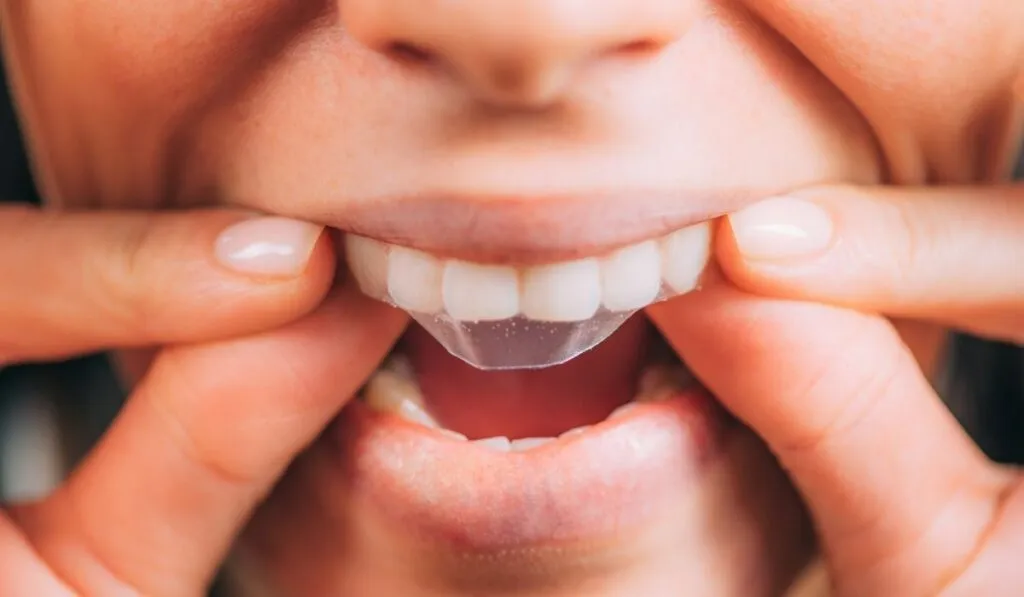
Understanding Teeth Whitening Strips
Teeth whitening strips have become a popular and convenient method for achieving a brighter smile. These thin, flexible strips are coated with a peroxide-based whitening agent, typically hydrogen peroxide or carbamide peroxide. They are designed to adhere to the surface of your teeth, delivering the whitening compound directly where it’s needed. The appeal lies in their ease of use and accessibility, offering a do-it-yourself solution that can be incorporated into your daily oral hygiene routine. Understanding how these strips work and the best practices for their use is key to achieving effective results and maintaining optimal oral health. Many people often wonder about the ideal timing for using these strips, particularly in relation to brushing their teeth. This is a very important aspect to be taken into consideration.
The Science Behind Whitening Strips
The science behind teeth whitening strips involves a chemical process that targets the stains and discoloration within the enamel of your teeth. The active ingredient, usually hydrogen peroxide or carbamide peroxide, penetrates the enamel and breaks down the stain molecules. These molecules are then dispersed, which lightens the overall appearance of the teeth. The concentration of the whitening agent and the duration of application directly influence the effectiveness of the whitening process. The specific formulation and the way it interacts with the tooth structure is a critical factor in this process. Moreover, the enamel’s porosity and the type of stains present also play a significant role in how well the whitening agent works. Understanding these scientific principles helps users make informed decisions about their whitening routine and expectations.
How Whitening Strips Work

Whitening strips are engineered for ease of use. After application, the active whitening agent begins to break down stains that have built up on your teeth. The strips adhere to the teeth for a certain duration, typically ranging from 30 minutes to an hour, depending on the product instructions. During this time, the peroxide-based solution works to penetrate the enamel and oxidize the stain molecules. The result is a reduction in the appearance of stains and a brighter, whiter smile. For the best results, users should adhere to the manufacturer’s instructions, which include details on the application time, the frequency of use, and any precautions to take. Consistency is also key; regular use, as directed, is usually needed to achieve the desired whitening effect.
Why Timing Matters After Brushing
The timing of when you use whitening strips after brushing your teeth significantly impacts their effectiveness. When you brush your teeth, you are not only removing food particles and plaque but also applying a layer of toothpaste to your teeth. Toothpaste contains ingredients that can interfere with the whitening process. These ingredients can create a barrier on the tooth surface, preventing the whitening agent in the strips from fully contacting the enamel. This can reduce the effectiveness of the whitening process and potentially lead to less desirable results. Therefore, allowing a certain amount of time to pass between brushing and using whitening strips is a recommended practice to optimize the whitening treatment and achieve the best results.
Impact of Toothpaste on Whitening
Toothpaste can influence the efficacy of teeth whitening strips in several ways. Toothpaste can create a barrier between the teeth and the whitening agent, which prevents the strip from working effectively. The active ingredients in the strips need direct contact with the tooth enamel to break down the stains. If a layer of toothpaste coats the teeth, it can hinder this contact. Furthermore, some toothpaste formulas contain ingredients that can counteract the whitening process. Fluoride, a common component in toothpaste, is important for strengthening enamel, but it can also create a surface that is less receptive to whitening agents. Therefore, the type of toothpaste and its ingredients play a crucial role in determining the impact on the whitening treatment.
Ingredients in Toothpaste that Interfere

Certain ingredients commonly found in toothpaste can interfere with the effectiveness of whitening strips. Sodium lauryl sulfate (SLS), a foaming agent, and fluoride are among the most notable. SLS can leave a residue that interferes with the whitening agent’s ability to penetrate the enamel. Fluoride, while beneficial for enamel strength, can also create a barrier. Abrasive agents in toothpaste, intended for stain removal, can potentially wear down enamel if used too soon before applying the strips. Therefore, checking the ingredient list of your toothpaste is crucial to understand how it might affect your whitening process. For those seeking the best results, consider using a toothpaste without these potentially interfering ingredients.
Recommended Waiting Time Guidelines
To maximize the effectiveness of teeth whitening strips, it’s recommended to wait a certain amount of time after brushing your teeth before applying the strips. This allows for the removal of toothpaste residue and gives the enamel a chance to be free of any barriers that could inhibit the whitening process. Most dental professionals recommend waiting at least 30 minutes to an hour after brushing before using whitening strips. During this period, the toothpaste is washed away, and your teeth are better prepared to receive the whitening agent. This simple adjustment to your daily routine can greatly improve the results of your whitening treatment. Always follow the instructions provided by the manufacturer of your whitening strips.
Best Practices for Optimal Results
Implementing best practices is key to achieving optimal results with teeth whitening strips. Always read and follow the instructions on the product packaging. This includes information on application time, frequency of use, and any specific guidelines to maximize effectiveness. Avoiding certain foods and drinks known to stain teeth, such as coffee, tea, red wine, and dark berries, can also help maintain your newly whitened smile. Maintain a consistent oral hygiene routine, including regular brushing, flossing, and dental check-ups, to keep your teeth clean and healthy. Using a toothpaste that does not interfere with the whitening process is also recommended. Finally, be patient; results may vary, and it often takes consistent use over time to see the desired whitening effect.
Step-by-Step Guide to Whitening with Strips

Following a step-by-step guide ensures you use teeth whitening strips effectively and safely. Begin by brushing your teeth thoroughly, but wait the recommended time (30 minutes to an hour) before applying the strips. Gently peel the strip from its backing and apply it to the teeth, aligning it with the gum line. Ensure the strip covers the visible surface of your teeth. After applying the strip, avoid eating, drinking, or smoking. Follow the instructions on how long to keep the strips on your teeth, usually between 30 minutes and an hour. After the recommended time, remove the strips and rinse your mouth with water. Avoid swallowing the whitening solution. Repeat this process as directed by the product instructions. Staying consistent with these steps will help achieve the best whitening results.
Maximizing Your Whitening Treatment
Several strategies can enhance the results of your teeth whitening treatment. Firstly, ensure that your teeth are clean and free from plaque or tartar, as this can interfere with the whitening process. This can be achieved with regular dental cleanings. Use a soft-bristled toothbrush to avoid damaging your enamel. Choose a toothpaste that is specifically designed to complement the whitening process, without abrasive or interfering ingredients. Consider using a whitening toothpaste in addition to the strips, but alternate their use to avoid overexposure. Maintain a balanced diet and limit the consumption of staining foods and drinks. Stay hydrated, drinking water throughout the day can help wash away stains and keep your mouth clean. Consult your dentist for personalized advice and professional treatments.
Potential Risks and Side Effects
While teeth whitening strips are generally safe, potential risks and side effects should be considered. The most common side effect is tooth sensitivity, which can occur as the whitening agent penetrates the enamel. Some users may experience gum irritation or inflammation. Rarely, individuals may have an allergic reaction to the ingredients in the strips. It is essential to follow the instructions carefully to minimize these risks. Avoid overuse, as this can increase sensitivity and gum irritation. If you experience any significant discomfort, discontinue use and consult with your dentist. People with pre-existing dental issues, such as cavities or gum disease, should seek professional advice before using whitening strips.
Common Concerns and Solutions

Several concerns commonly arise when using teeth whitening strips, and knowing how to address them can improve your experience. Tooth sensitivity is a frequent concern, and it can be alleviated by using a toothpaste designed for sensitive teeth or reducing the frequency of whitening treatments. If gum irritation occurs, make sure the strips are not in contact with your gums. Ensure proper application and avoid overexposure. If staining is uneven, this could be due to the inconsistency in applying the strips or the presence of existing dental work. In such cases, consider professional whitening options. If you’re not seeing the desired results, assess your diet and oral hygiene habits and ensure you are using the strips consistently as instructed. Consult your dentist for personalized solutions and advice.
Maintaining a Bright Smile
Maintaining a bright smile requires consistent effort and the integration of healthy habits. After you’ve achieved your desired level of whitening, make sure to avoid foods and drinks that can cause stains, such as coffee, tea, red wine, and dark-colored berries. Drink water regularly, as it can help wash away food particles and prevent stains. Continue with your regular oral hygiene routine, including brushing, flossing, and regular dental check-ups. Consider using a whitening toothpaste to help maintain your results, but alternate its use with regular toothpaste to avoid overexposure. If you notice any discoloration or staining, consider a touch-up whitening treatment or consult with your dentist for professional cleaning or whitening options. Regular maintenance helps ensure your smile remains bright and healthy over time.
Tips for Long-Lasting Whitening
Several tips can help you extend the life of your teeth whitening results. Avoid or limit the consumption of staining foods and beverages, such as coffee, tea, red wine, and dark-colored fruits. If you do consume these items, brush your teeth afterward or rinse your mouth with water. Use a straw when drinking staining beverages to minimize contact with your teeth. Maintain a strict oral hygiene routine, including regular brushing, flossing, and dental check-ups. Consider using a whitening toothpaste for maintenance but alternate with regular toothpaste to avoid overexposure. Avoid smoking and tobacco products, which can severely stain teeth. Schedule periodic touch-up whitening treatments as recommended by your dentist. By incorporating these practices into your daily life, you can ensure that your bright, white smile lasts for a long time.