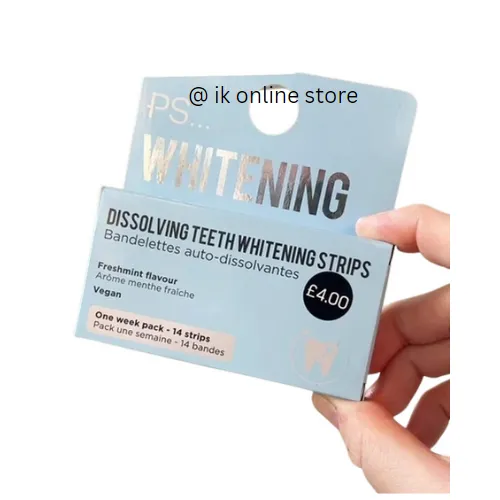
Understanding Teeth Whitening Strips
Teeth whitening strips have become a popular and convenient method for brightening your smile. These thin, flexible strips are coated with a peroxide-based whitening agent that helps to remove stains and discoloration from the surface of your teeth. They are designed for home use, offering a cost-effective alternative to professional whitening treatments. The ease of use and accessibility of these strips have made them a staple in many individuals’ oral care routines. However, understanding how they work, how to use them correctly, and what to expect is crucial for achieving the best results. This ultimate guide will provide a comprehensive overview of teeth whitening strips, covering everything from the science behind their effectiveness to the best practices for safe and successful usage.
How Do Teeth Whitening Strips Work?
Teeth whitening strips work through a chemical process that involves the use of a whitening agent, typically hydrogen peroxide or carbamide peroxide. These agents penetrate the enamel of your teeth and break down the stains that have accumulated over time. This process oxidizes the stain molecules, causing them to become less concentrated and making your teeth appear whiter. The concentration of the whitening agent varies depending on the product, with higher concentrations often yielding faster results. The effectiveness of the strips also depends on factors such as the duration of application and the consistency of use. It’s important to choose a product that suits your individual needs and sensitivity levels.
The Science Behind Whitening

The active ingredient in teeth whitening strips, either hydrogen peroxide or carbamide peroxide, releases oxygen molecules that react with the discolored molecules within the enamel and dentin. These oxygen molecules break the bonds of the stain molecules, effectively lightening the color of your teeth. The process is similar to how bleach works on clothing, but the concentration of the peroxide is carefully controlled to be safe for your teeth. The process is generally considered safe when used as directed, but it’s important to follow the instructions and be aware of potential side effects. The effectiveness can vary based on the type and severity of the stains, as well as the individual’s natural tooth color. This method is particularly effective on stains caused by coffee, tea, tobacco, and aging.
Benefits of Using Teeth Whitening Strips
The benefits of using teeth whitening strips are numerous, making them a popular choice for people looking to enhance their smiles. The primary benefit is, of course, teeth whitening, leading to a more confident and appealing appearance. They are also incredibly convenient, as they can be used at home without the need for appointments. Compared to professional whitening treatments, teeth whitening strips are generally more affordable, making them accessible to a wider range of consumers. Many strips offer a relatively quick way to see results, with noticeable whitening often occurring within a few days of use. The ease of use is another advantage, as the application process is straightforward and can be easily integrated into your daily routine. Finally, many individuals experience a boost in self-esteem and improved social interactions due to their brighter smiles.
Step-by-Step Directions for Using Teeth Whitening Strips
Following the correct directions is essential for achieving the best results from teeth whitening strips. The process is relatively simple but requires careful attention to detail to ensure the strips are applied correctly and safely. This step-by-step guide will walk you through each stage of using the strips, from preparing your teeth to post-whitening care. Proper application not only enhances the effectiveness of the whitening process but also minimizes the risk of side effects, such as tooth sensitivity or gum irritation. Consistency and following these directions are key to a successful whitening experience. Remember to read the product-specific instructions that come with your chosen strips as they may have unique recommendations.
Preparing Your Teeth

Before applying the whitening strips, it’s important to prepare your teeth for optimal results. Start by brushing your teeth gently with a soft-bristled toothbrush to remove any surface debris or plaque. However, avoid brushing immediately before applying the strips, as this can irritate your gums. Rinse your mouth thoroughly with water to remove any lingering toothpaste. Ensure your teeth are dry before applying the strips, as this will help them adhere properly. You can gently pat your teeth dry with a clean tissue. It’s also advisable to avoid using mouthwash immediately before applying the strips, as some mouthwashes can interfere with the whitening process. By properly preparing your teeth, you’ll maximize the effectiveness of the whitening strips and minimize the risk of any adverse reactions.
Applying the Strips
Carefully peel the whitening strips from their backing. Typically, you’ll find one strip for the upper teeth and another for the lower teeth. Apply the longer strip to your upper teeth and the shorter strip to your lower teeth. Align the strips with your gumline, pressing gently to ensure they adhere to the surface of your teeth. Avoid touching the strips excessively with your fingers, as this can reduce their effectiveness. Make sure the whitening gel side of the strips is in direct contact with your teeth. Smooth out any wrinkles or air bubbles to ensure even coverage. The application process is usually quick and straightforward. Some products may have different application methods, so always refer to the product-specific instructions before use. The objective is to achieve full and even coverage of the teeth surfaces you wish to whiten.
Proper Placement Technique
Proper placement is crucial for the effectiveness of the whitening process. Position the strips along your gumline, ensuring that the gel covers the visible surfaces of your teeth. Avoid placing the strips directly onto your gums, as this can cause irritation. Gently press the strips onto your teeth, starting from the center and moving outwards. Smooth out any wrinkles or air bubbles to ensure the strips are making good contact with your teeth. Make sure the strips cover the front surfaces of your teeth and extend slightly onto the back surfaces for comprehensive whitening. The key is to get the strips to adhere properly without causing them to overlap or fold over on themselves. Proper placement helps the whitening agent distribute evenly and maximizes its effectiveness. Use a mirror to ensure accurate placement.
Ensuring Full Coverage

Ensuring full coverage of your teeth with the whitening strips is essential for achieving a uniform and consistent whitening effect. Check that the strips extend from your front teeth to your molars, covering all the visible surfaces. Smooth out any folds or wrinkles in the strips to prevent uneven whitening. Ensure the strips cover the entire surface of your teeth, including the areas that show when you smile. If the strips are too short, you may not achieve a complete whitening effect. Consider using a product that offers longer strips or strips that are designed to cover a wider area. Proper coverage ensures that all areas of your teeth receive the whitening agent, leading to a more even and aesthetically pleasing result. Take your time to adjust the strips and make sure they cover the teeth you want to whiten fully.
Adhering to the Recommended Time
The amount of time you leave the whitening strips on your teeth is critical for achieving the desired results and minimizing potential side effects. Always follow the product instructions carefully. Most strips recommend leaving them on for a specific duration, typically ranging from 30 minutes to an hour. Overusing the strips or leaving them on for longer than recommended will not necessarily whiten your teeth more effectively, but it will increase the risk of tooth sensitivity and gum irritation. Set a timer to ensure you adhere to the recommended time. After the allotted time, carefully remove the strips. If you experience any discomfort or excessive sensitivity, remove the strips immediately. Consistent adherence to the recommended time frame is key to achieving safe and effective whitening.
Removing the Strips
After the recommended time, carefully remove the whitening strips from your teeth. Start by gently peeling them off, beginning from the back and working your way forward. Do not pull the strips off quickly, as this can potentially cause discomfort or damage to your gums. Some residue may remain on your teeth after removing the strips; this is normal and usually not harmful. You can gently wipe off any remaining gel with your finger or brush your teeth after removing the strips. If the strips are difficult to remove, try rinsing your mouth with warm water to loosen them. After removal, inspect your teeth for any signs of irritation or sensitivity. If you experience any discomfort, consult with your dentist. Discard the used strips after removal, as they are designed for single use.
Post-Whitening Care

Post-whitening care is essential for maintaining your newly whitened smile and minimizing potential side effects. Rinse your mouth thoroughly with water to remove any remaining gel residue. Avoid eating or drinking anything other than water for at least 30 minutes after removing the strips. This helps to prevent any potential staining. Brush your teeth gently with a soft-bristled toothbrush and fluoride toothpaste. If you experience tooth sensitivity, consider using a toothpaste designed for sensitive teeth. Continue to practice good oral hygiene, including brushing twice a day and flossing daily. Avoid foods and drinks that can stain your teeth, such as coffee, tea, and red wine, for at least a few days after each whitening session. Regular follow-up care helps to prolong the effects of the whitening treatment and maintain a healthy, bright smile.
Best Practices for Optimal Results
To achieve the best possible results from teeth whitening strips, it’s important to follow some best practices. These tips will not only help you whiten your teeth effectively but also minimize any potential side effects. From selecting the right product to avoiding common mistakes, these guidelines will assist you in reaching your smile goals. Remember that consistency, patience, and adherence to the instructions are key to a successful whitening experience. These practices will help you make the most of your whitening treatment and maintain a bright, confident smile.
Choosing the Right Whitening Strips
Choosing the right whitening strips is an important step in the teeth whitening process. Consider your individual needs and preferences when selecting a product. Look for strips with a proven track record and positive customer reviews. Consider the concentration of the whitening agent, typically hydrogen peroxide or carbamide peroxide. If you have sensitive teeth, choose strips with a lower concentration. Check for the American Dental Association (ADA) seal of acceptance, which indicates that the product has been evaluated for safety and effectiveness. Read the product label carefully and follow all instructions. The length of the treatment period can vary, so consider how quickly you want to see results. Choose a product that suits your lifestyle and budget. Before purchasing, consult with your dentist, especially if you have any existing dental work or sensitivities.
Reading Product Labels

Carefully reading the product label is crucial for safe and effective use of teeth whitening strips. The label provides essential information about the ingredients, the concentration of the whitening agent, and the recommended usage instructions. Pay close attention to the directions for use, including how long to leave the strips on your teeth and how often to use them. Check for any warnings or precautions, such as those related to tooth sensitivity or gum irritation. Review the list of ingredients to ensure you are not allergic to any of them. Verify the expiration date to ensure the product is still effective. The label may also provide information about potential side effects and what to do if you experience them. By reading the product label thoroughly, you can ensure that you are using the whitening strips safely and effectively, and minimize the risk of any adverse reactions. Always consult your dentist if you have any questions or concerns about the product.
Considering Sensitivity
If you have sensitive teeth, it’s essential to take extra precautions when using teeth whitening strips. Choose strips specifically designed for sensitive teeth, which typically contain a lower concentration of the whitening agent. Consider using the strips for a shorter period than recommended or using them less frequently. Consult with your dentist before using whitening strips if you have sensitive teeth or any other dental concerns. Before starting the whitening treatment, try using a desensitizing toothpaste for a few weeks to reduce sensitivity. If you experience any discomfort or sensitivity during the whitening process, discontinue use immediately. Using a fluoride rinse can help reduce sensitivity. Consider using a whitening strip with a lower concentration and applying it for a shorter time period. Sensitivity is a common side effect, but with the right precautions, you can minimize it and achieve a brighter smile.
Avoiding Common Mistakes
Avoiding common mistakes can enhance the effectiveness of teeth whitening strips and prevent potential issues. One common mistake is using the strips incorrectly. Always read and follow the product instructions carefully. Avoid using too many strips or using them too frequently, as this can increase the risk of tooth sensitivity and gum irritation. Do not use the strips on teeth with cavities or existing dental work without consulting your dentist. Avoid eating or drinking while the strips are on your teeth, as this can reduce their effectiveness and increase the risk of staining. Do not use the strips if you are pregnant or breastfeeding without consulting your doctor. Be patient and allow time for the whitening process to take effect; results may not be immediate. Avoid brushing your teeth immediately before applying the strips, as this can cause gum irritation. Proper use and following these guidelines can greatly improve your experience and results.
Potential Side Effects and Solutions

While teeth whitening strips are generally safe, some potential side effects can occur. Understanding these side effects and knowing how to manage them is crucial for a positive whitening experience. Common side effects include tooth sensitivity and gum irritation. However, with proper precautions and management strategies, you can often minimize these issues. Always prioritize your oral health and seek professional advice if you have any concerns. By being aware of the potential side effects, you can use teeth whitening strips safely and effectively and still achieve your desired results.
Managing Tooth Sensitivity
Tooth sensitivity is a common side effect of teeth whitening strips. If you experience sensitivity, try using a toothpaste designed for sensitive teeth, as it contains ingredients that help to block the nerve endings in your teeth. Reduce the frequency of your whitening treatments or use the strips for a shorter period. Avoid extremely hot or cold foods and drinks, as these can exacerbate sensitivity. Rinse your mouth with lukewarm water instead. Consider using a fluoride rinse to strengthen your enamel and reduce sensitivity. If the sensitivity is severe, consult with your dentist. They may recommend a professional fluoride treatment or other options to help manage the discomfort. Be patient, as sensitivity typically subsides within a few days of stopping or reducing your whitening treatments.
Dealing with Gum Irritation
Gum irritation is another potential side effect of teeth whitening strips. This can manifest as redness, swelling, or tenderness in your gums. To minimize gum irritation, avoid placing the strips directly onto your gums. Ensure proper placement along your gumline and avoid over-application. If you experience gum irritation, discontinue use of the strips for a few days to allow your gums to heal. Gently brush your teeth and gums with a soft-bristled toothbrush. Rinse your mouth with warm saltwater to soothe and promote healing. Avoid using irritating products like alcohol-based mouthwashes. Apply a small amount of vitamin E oil to your gums to help reduce inflammation. If the irritation persists or worsens, consult your dentist, as they may recommend a different whitening approach or provide other solutions.
Maintenance and Long-Term Care
Maintaining your whitened smile and providing long-term care requires a consistent approach to oral hygiene and lifestyle choices. Regular maintenance will help you preserve your results for a longer time. By adopting these practices, you can keep your smile bright and healthy. Remember that consistency is the key to long-term success. Routine care is essential for preventing future stains and maintaining your results.
Maintaining Your White Smile
To maintain your white smile, practice consistent oral hygiene and follow lifestyle recommendations. Schedule regular dental check-ups and cleanings with your dentist. Consider using whitening toothpaste to help maintain the brightness of your teeth. Avoid or limit consumption of staining foods and drinks, such as coffee, tea, red wine, and berries. If you consume these items, rinse your mouth with water immediately afterward to minimize staining. Use a straw when drinking beverages that can stain your teeth. Consider touch-up treatments with whitening strips or other whitening products as needed, but follow the product instructions carefully. Avoid smoking and tobacco products, as they can significantly stain your teeth. A combination of these approaches can help you maintain your bright, beautiful smile for years to come.
Oral Hygiene Practices
Maintaining good oral hygiene practices is crucial for preserving your whitened smile. Brush your teeth twice a day for two minutes each time using a soft-bristled toothbrush and fluoride toothpaste. Floss daily to remove plaque and food particles from between your teeth. Use an antimicrobial mouthwash to help reduce bacteria and keep your breath fresh. Clean your tongue regularly to remove bacteria and debris. Schedule regular dental check-ups and professional cleanings to remove plaque and tartar buildup. Consider using an electric toothbrush, as these can be more effective at removing plaque than manual toothbrushes. Replace your toothbrush every three months or sooner if the bristles become frayed. Proper oral hygiene, along with a healthy diet and lifestyle, is key to overall oral health and helps maintain your whitened teeth.
Avoiding Staining Foods and Drinks
Avoiding staining foods and drinks is an essential part of maintaining your white smile. Certain foods and beverages contain pigments that can stain your teeth over time. Reduce or avoid consuming these items. Some of the most common staining culprits include coffee, tea, red wine, dark sodas, and berries. If you consume these items, rinse your mouth with water immediately afterward to help prevent staining. Use a straw when drinking beverages that can stain your teeth, as this helps minimize contact with your teeth. Avoid or limit the consumption of highly pigmented sauces, such as soy sauce and balsamic vinegar. Consider incorporating teeth-whitening foods into your diet, such as apples, celery, and carrots, which can help scrub your teeth and promote saliva production, which can help prevent stains. By being mindful of your diet and making smart food choices, you can significantly extend the life of your white smile.