
Understanding Teeth Whitening Sensitivity
Teeth whitening is a popular cosmetic procedure, but sometimes, it can lead to teeth sensitivity. Many people experience this discomfort after undergoing professional teeth whitening treatments or using over-the-counter whitening products. This sensitivity can range from a mild tingling sensation to a sharp, throbbing pain, making everyday activities like eating and drinking uncomfortable. Understanding the causes and the best ways to manage this sensitivity is crucial for a positive teeth whitening experience. The good news is that sensitivity is usually temporary and there are several effective solutions to alleviate the discomfort.
What Causes Sensitivity After Whitening?
The primary reason for teeth sensitivity after whitening is the presence of peroxide-based whitening agents. These agents, whether carbamide peroxide or hydrogen peroxide, work by penetrating the enamel to break down stains. During this process, the peroxide can pass through the enamel and dentin, reaching the nerves inside the teeth. This can irritate the nerves, leading to sensitivity. This is a common occurrence, especially in individuals with existing dental issues like small cracks or exposed root surfaces. The concentration of the whitening agent and the duration of exposure also play a significant role; stronger solutions and longer application times tend to increase the likelihood and severity of sensitivity.
Common Whitening Ingredients

The active ingredients in teeth whitening products are almost always some form of peroxide. Hydrogen peroxide is often used in professional treatments and in-office whitening, due to its rapid action. Carbamide peroxide is more common in at-home kits, as it breaks down into hydrogen peroxide over time. Other ingredients, such as desensitizing agents like potassium nitrate, are sometimes added to the whitening formulations to reduce sensitivity. These ingredients help to block the nerve signals that cause pain. Knowing these ingredients helps you understand how the products work and what to expect during and after the whitening process. Always read the product labels carefully and follow the instructions provided by your dentist or the manufacturer.
Top 5 Soothing Solutions for Sensitive Teeth
Use Sensitive Toothpaste
Sensitive toothpaste is specially formulated to reduce teeth sensitivity. It contains ingredients like potassium nitrate or stannous fluoride, which work to block the pathways to the tooth’s nerves. These ingredients help to reduce the transmission of pain signals to the brain. Switching to sensitive toothpaste a couple of weeks before your whitening treatment can often help to lessen the sensitivity you experience. It’s important to continue using sensitive toothpaste after your whitening procedure to provide continued relief. This simple change can make a significant difference in your comfort levels.
How Sensitive Toothpaste Works

Sensitive toothpaste works primarily by desensitizing the nerves in your teeth. Potassium nitrate penetrates the tooth to calm the nerves and stannous fluoride helps to block the tiny tubules in your dentin, preventing irritants from reaching the nerves. These ingredients create a barrier against the triggers that cause sensitivity. The effectiveness of the toothpaste usually increases with regular use, so it’s best to incorporate it into your daily oral hygiene routine. Consistency is key for achieving the best results, ensuring a more comfortable experience, especially after teeth whitening.
Correct Application Techniques
To maximize the benefits of sensitive toothpaste, use the correct application techniques. Apply a small amount of toothpaste to a soft-bristled toothbrush. Gently brush all surfaces of your teeth, including the gum line, for two minutes, twice a day. Ensure you are not brushing too vigorously, as this can worsen sensitivity and potentially damage enamel. For added relief, apply a thin layer of sensitive toothpaste directly to sensitive areas and leave it on for a few minutes before brushing. This direct application provides targeted relief and helps the active ingredients penetrate and protect the sensitive areas.
Over-the-Counter Pain Relievers
Over-the-counter pain relievers can provide temporary relief from teeth sensitivity after whitening. Non-steroidal anti-inflammatory drugs (NSAIDs) such as ibuprofen or naproxen are often effective in reducing inflammation and pain. Acetaminophen (Tylenol) can also help manage pain, though it does not reduce inflammation. Always follow the dosage instructions on the product label, and do not exceed the recommended dose. If your sensitivity is severe or persists for more than a few days, consult with your dentist or a medical professional to rule out other potential causes of your discomfort.
Types of Pain Relievers

Various over-the-counter pain relievers can help with teeth sensitivity. NSAIDs like ibuprofen and naproxen are effective because they reduce inflammation. Acetaminophen provides pain relief but doesn’t reduce inflammation. For mild discomfort, acetaminophen can be sufficient. For more severe pain, NSAIDs might be needed. Always consider any existing health conditions and potential interactions with other medications before taking any pain reliever. If your pain is intense or persistent, it’s important to seek professional advice.
Dosage and Precautions
When using over-the-counter pain relievers, follow the dosage instructions carefully. Do not exceed the recommended dose, as this can lead to adverse side effects. If you have any underlying health conditions, like kidney problems or stomach ulcers, or if you are taking other medications, consult your doctor or pharmacist before taking pain relievers. Be mindful of potential side effects. If you experience any unusual symptoms, stop taking the medication and contact your healthcare provider. Always use these medications as a temporary solution and seek professional dental care if the sensitivity persists.
Fluoride Treatments
Fluoride treatments can strengthen your enamel and reduce teeth sensitivity. Fluoride helps to remineralize the enamel, making your teeth less porous and more resistant to sensitivity. Professional fluoride treatments, applied by your dentist, are highly effective. These treatments are often in the form of a concentrated fluoride gel or varnish. They can be applied during a dental check-up. In addition to professional treatments, your dentist might recommend the use of a prescription-strength fluoride toothpaste. This helps to provide continuous protection against sensitivity and strengthens your enamel.
Benefits of Fluoride

Fluoride offers several benefits for sensitive teeth. It strengthens the enamel, which is the outer protective layer of your teeth. This strengthened enamel is less susceptible to the effects of whitening agents. Fluoride also helps to block the small tubules in your dentin, reducing the transmission of pain signals to the nerves. Regular fluoride treatments can significantly reduce sensitivity. Fluoride helps to remineralize and protect the teeth, making them more resistant to discomfort and decay. The benefits are comprehensive, providing both immediate relief and long-term protection.
Where to Get Fluoride Treatments
Fluoride treatments are commonly available at your dentist’s office. During a routine check-up or cleaning, your dentist can apply a professional fluoride treatment. These treatments are more concentrated than the fluoride found in toothpaste and provide enhanced protection. Your dentist can also recommend prescription-strength fluoride toothpaste for at-home use. Some over-the-counter mouthwashes contain fluoride, but the concentration is typically lower. Always consult your dentist to determine the most appropriate fluoride treatment for your specific needs and sensitivity levels. Regular dental visits are essential for maintaining optimal oral health.
Avoid Irritating Foods and Drinks
Certain foods and drinks can exacerbate teeth sensitivity. Acidic foods and beverages, such as citrus fruits, tomatoes, soda, and vinegar, can irritate your teeth and worsen discomfort. Very hot or cold foods and drinks can also trigger sensitivity. Reducing your intake of these items can significantly improve your comfort levels. Instead, choose foods and beverages that are gentle on your teeth. This can include bland, non-acidic options. Making temporary dietary adjustments can help you manage sensitivity effectively during and after teeth whitening. It is an essential part of your post-whitening care.
Foods to Avoid Immediately After Whitening

After teeth whitening, avoiding certain foods and drinks can help minimize sensitivity. Citrus fruits, like oranges and lemons, and acidic juices should be avoided. Coffee, tea, and dark-colored sodas can also be problematic, not just because of the acidity but also because they can stain freshly whitened teeth. Very hot or cold items can increase sensitivity. It’s best to stick to a soft, bland diet for a few days following your whitening treatment to allow your teeth to recover. Following these guidelines will help prevent additional discomfort and ensure the best possible results from your whitening procedure.
Foods That Are Generally Safe
Some foods are generally safe to consume after teeth whitening and can even help to soothe sensitive teeth. Dairy products, such as milk, yogurt, and cheese, are usually well-tolerated. These foods are mild and can provide a calcium boost for your enamel. Plain white bread, cooked vegetables, and lean proteins are also good choices. Avoid highly processed foods with added sugars and acids, as these can irritate the teeth. Staying hydrated with water is also critical for maintaining good oral health. By choosing these types of foods, you can maintain a balanced diet while minimizing discomfort.
Professional Dental Care
If you experience persistent or severe teeth sensitivity after whitening, seeking professional dental care is essential. Your dentist can assess the extent of the sensitivity and determine the underlying cause. They can also provide more advanced treatments to alleviate the discomfort. Professional care ensures that any other underlying dental issues are addressed, such as cavities or gum disease, as these can exacerbate sensitivity. Regular dental check-ups are a critical part of maintaining oral health and managing sensitivity. This includes routine examinations and professional cleanings, along with personalized advice tailored to your needs.
When to See a Dentist
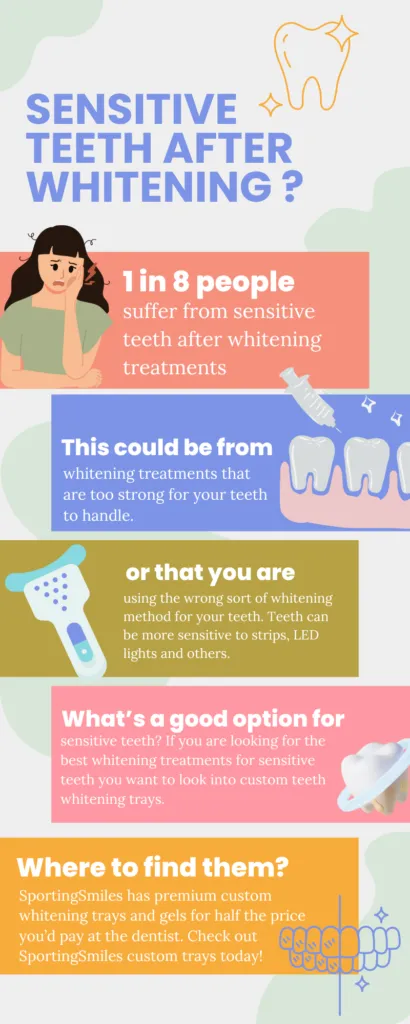
You should consult your dentist if your teeth sensitivity is severe, persistent, or accompanied by other symptoms like pain or swelling. If over-the-counter remedies don’t provide relief within a few days, it’s time to seek professional help. Any sudden increase in sensitivity after whitening or any concerns regarding the health of your teeth and gums should be discussed with your dentist. Early intervention can prevent more serious issues. Your dentist can diagnose the problem accurately and recommend a suitable course of treatment. Timely dental care helps to alleviate discomfort and prevent complications.
Professional Treatments
Your dentist can offer various professional treatments to manage teeth sensitivity. Fluoride treatments, as mentioned earlier, are a common option. Your dentist might apply a fluoride varnish or gel directly to your teeth to strengthen the enamel and reduce sensitivity. They can also recommend desensitizing agents to block the tubules in your dentin. In some cases, if sensitivity is due to receding gums, your dentist might recommend a gum graft. Each treatment option depends on the cause and severity of your sensitivity. Regular check-ups and professional treatments are critical for maintaining optimal oral health and managing sensitivity after teeth whitening.