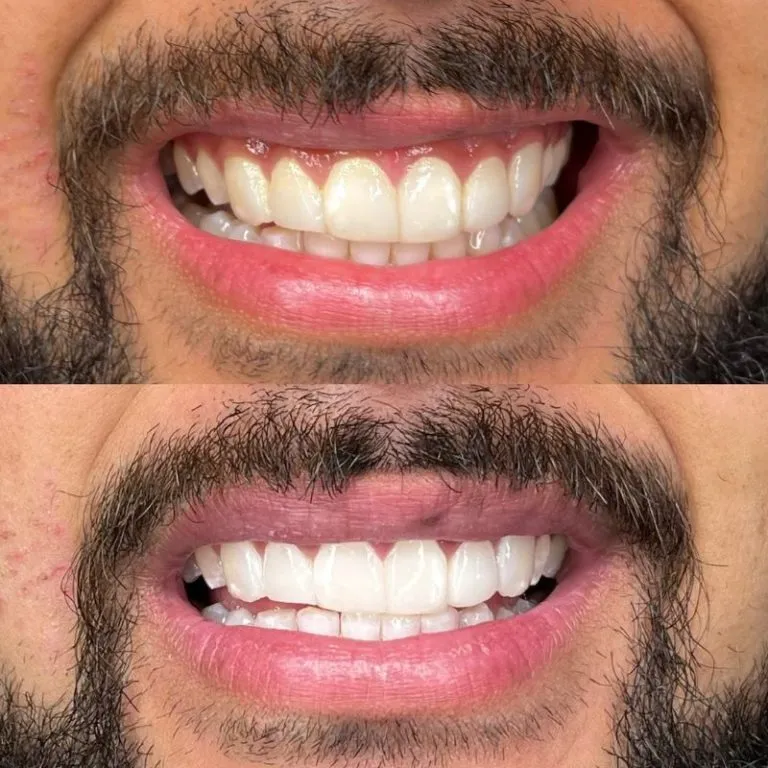
The Importance of a Bright Smile
A radiant smile is often the first thing people notice, and it plays a significant role in how we perceive ourselves and how others perceive us. Beyond aesthetics, a bright smile can boost self-confidence, improve social interactions, and even have positive effects on our professional lives. The appearance of our teeth directly impacts our overall image, contributing to perceptions of youthfulness, health, and vitality. A confident smile not only makes a positive impression but also enhances communication, making it easier to connect with others. Investing in teeth whitening is thus an investment in your overall well-being, bolstering both your self-esteem and your social standing. The pursuit of a sparkling smile is a common desire, reflecting a broader interest in self-improvement and personal presentation.
Factors Affecting Teeth Whitening
Several factors influence the effectiveness of teeth whitening treatments and the longevity of results. These include genetics, age, and oral hygiene habits. The natural color of your teeth, determined by genetics, varies significantly from person to person, and some individuals may find that their teeth respond more readily to whitening treatments than others. Aging often leads to enamel thinning and the accumulation of stains, making teeth appear darker. Lifestyle choices such as diet, smoking habits, and the consumption of certain beverages also play a critical role in staining. Additionally, the presence of dental restorations, such as fillings or crowns, can impact the uniformity of whitening, as these materials do not whiten in the same way as natural teeth. Understanding these factors is essential for setting realistic expectations and choosing the most appropriate whitening method.
Diet and Lifestyle Choices

What we consume and how we live has a profound effect on the color and brightness of our teeth. A diet rich in staining foods and beverages, coupled with habits like smoking, can quickly diminish the natural brilliance of your smile. Maintaining a balanced diet and avoiding excessive consumption of staining agents is crucial for preserving your teeth’s whiteness. Regularly practicing good oral hygiene, which includes brushing and flossing, can help mitigate some of the staining effects, but avoiding or limiting these elements is the most proactive approach. Furthermore, smoking and using tobacco products not only contribute to tooth discoloration but also increase the risk of oral health problems, underlining the importance of lifestyle choices in maintaining a healthy and beautiful smile. Remember, a healthy lifestyle is a pathway to a healthy and beautiful smile.
Foods and Drinks to Avoid
Certain foods and drinks are notorious for staining teeth due to their high pigment content and acidity, which erodes enamel and makes it easier for stains to penetrate. Coffee, tea, red wine, and dark-colored sodas are among the most common culprits, as they contain chromogens, which are color-producing substances that adhere to tooth enamel. Berries, such as blueberries and blackberries, and deeply colored sauces like soy sauce and balsamic vinegar also contribute to staining. Citrus fruits and other acidic foods can weaken the enamel, making it more susceptible to staining. Limiting the consumption of these items or rinsing your mouth with water immediately after consumption can help minimize their impact on your teeth’s brightness. Being mindful of your diet is a cornerstone of maintaining a bright and healthy smile.
Smoking and Tobacco Use
Smoking and the use of tobacco products are detrimental to both oral health and the appearance of teeth. Tobacco contains nicotine and tar, which are known to stain teeth, leading to a yellowish or brownish discoloration over time. Moreover, smoking reduces saliva production, which naturally cleanses the mouth and helps to protect against staining. The chemicals in tobacco also erode enamel, making teeth more susceptible to stains. Beyond discoloration, smoking increases the risk of gum disease, tooth loss, and oral cancer, further emphasizing the importance of avoiding tobacco products. Quitting smoking is one of the most effective steps you can take to improve your oral health and enhance the natural brightness of your smile. Consider consulting with a healthcare professional to explore resources and support for quitting smoking.
Teeth Whitening Methods Unveiled

Various teeth whitening methods are available, ranging from professional treatments performed by dentists to over-the-counter products for home use. Each method employs different techniques and whitening agents to remove stains and brighten teeth. The choice of the most suitable method depends on several factors, including the severity of the stains, your budget, and your personal preferences. Professional whitening treatments offer the most dramatic and immediate results, while at-home options provide greater convenience and affordability. Understanding the pros and cons of each method is crucial for making an informed decision and achieving the desired results. Consider consulting with a dental professional to assess your specific needs and determine the most effective approach to achieve a sparkling smile. The journey to a whiter smile starts with knowledge.
Professional Teeth Whitening
Professional teeth whitening, performed by a dentist, is the most effective and fastest way to achieve a noticeably brighter smile. These treatments use highly concentrated bleaching agents, such as hydrogen peroxide, to penetrate the enamel and remove deep-seated stains. The process usually involves isolating the teeth with protective barriers and applying the whitening agent, which may be activated by a special light or laser to accelerate the whitening process. Professional whitening offers several advantages, including the ability to achieve significantly lighter shades in a single session and the supervision of a dental professional to ensure safety and minimize potential side effects like tooth sensitivity. While professional treatments are generally more expensive than at-home options, the results are often more dramatic and longer-lasting. They’re ideal for those seeking quick and impressive results.
In-Office Whitening Procedures
In-office whitening procedures typically involve a few steps that are completed within a single dental appointment. The dentist begins by cleaning your teeth and protecting your gums with a barrier. A highly concentrated bleaching agent is then applied to the teeth, and often, a special light or laser is used to activate the whitening process, enhancing its effectiveness. The treatment may be repeated several times during the session to achieve the desired level of brightness. The entire procedure usually takes about one to two hours, making it a convenient option for those with busy schedules. After the treatment, the dentist will provide you with instructions on how to care for your teeth and maintain the results, which may include the use of at-home whitening products. The in-office procedure delivers immediate and impressive results.
Benefits of Professional Whitening

Professional teeth whitening offers several key benefits that make it a preferred choice for many. The primary advantage is the speed and effectiveness of the treatment, as it delivers dramatic results in a short period. Dentists use stronger bleaching agents than those available over-the-counter, which can effectively remove deep-seated stains and discoloration. Another benefit is the safety of the procedure, as it is performed under the supervision of a dental professional, who can monitor the process and address any potential side effects, such as tooth sensitivity. Moreover, professional whitening is often customized to your specific needs, ensuring optimal results and minimizing risks. The expertise of the dentist also allows for a more even and consistent whitening effect. Opting for professional teeth whitening offers both superior results and peace of mind.
At-Home Teeth Whitening Options
At-home teeth whitening options provide a convenient and affordable alternative to professional treatments. These products come in various forms, including whitening strips, trays with bleaching gels, and whitening toothpastes. While the results may not be as dramatic or immediate as professional whitening, at-home methods can still effectively lighten teeth and remove surface stains over time. It’s important to follow the instructions carefully and be patient, as the results typically appear gradually. Consider consulting with your dentist before using at-home products to ensure they are safe and appropriate for your specific needs and to discuss any potential risks or precautions. Exploring at-home options can be an excellent first step towards a brighter smile, providing flexibility and accessibility for achieving your whitening goals.
Over-the-Counter Whitening Products
Over-the-counter (OTC) teeth whitening products are widely available in pharmacies and supermarkets. These products include whitening strips, trays, and toothpastes, each designed to lighten teeth using different mechanisms. Whitening strips are easy to use and adhere to the teeth, delivering a bleaching agent directly to the enamel. Whitening trays are filled with a bleaching gel and worn for a specified period, allowing the gel to penetrate the teeth. Whitening toothpastes contain abrasive agents and chemicals that help remove surface stains. OTC products are generally less expensive than professional treatments and offer greater convenience. However, the concentration of the whitening agents is usually lower, resulting in a less dramatic effect. Always read and follow the instructions carefully and be aware of the potential for sensitivity.
Whitening Toothpastes and Rinses

Whitening toothpastes and rinses are common additions to oral hygiene routines, often marketed as a gentle way to brighten teeth. These products typically contain mild abrasives, such as silica, or chemicals like hydrogen peroxide to remove surface stains. While they can help to improve the appearance of your teeth by removing stains caused by food, drinks, or smoking, whitening toothpastes and rinses do not change the intrinsic color of your teeth in the same way as bleaching treatments. They are most effective at removing surface stains and preventing new ones from forming. Regular use can contribute to a brighter smile over time, but the results are usually subtle. When selecting a whitening toothpaste or rinse, look for products with the American Dental Association (ADA) Seal of Acceptance to ensure they meet specific safety and effectiveness standards.
Homemade Teeth Whitening Techniques
While some people explore homemade teeth whitening techniques, it’s crucial to approach these methods with caution. Some popular homemade remedies include using baking soda, lemon juice, or activated charcoal. Baking soda acts as a mild abrasive and can help remove surface stains, while lemon juice contains citric acid, which may have a bleaching effect. Activated charcoal is believed to absorb stains from the teeth. However, the effectiveness and safety of these homemade methods are not scientifically proven, and some can potentially cause harm. For instance, excessive use of baking soda can erode enamel, and the acidity of lemon juice can damage tooth structure. If you’re considering a homemade technique, consult with your dentist first to assess any potential risks.
Tips for Effective Teeth Whitening
To achieve the best results from teeth whitening, whether professional or at-home, several tips can enhance the effectiveness and longevity of the treatment. Always consult with your dentist before starting any whitening procedure to ensure it’s suitable for your teeth and oral health. Follow the instructions provided carefully, whether using over-the-counter products or following post-treatment care after professional whitening. Avoid consuming staining foods and beverages, such as coffee, tea, red wine, and berries, immediately after whitening, as your teeth may be more susceptible to staining during this period. Practice good oral hygiene, including regular brushing, flossing, and dental checkups, to maintain your bright smile. Consider using a straw to drink beverages that can stain your teeth. By adhering to these tips, you can optimize your whitening results and enjoy a radiant smile for a longer time.
Consulting with a Dental Professional

Consulting with a dental professional is a crucial step in your teeth whitening journey. A dentist can assess your oral health, identify any underlying issues, and determine the most suitable whitening method for your needs. They can evaluate the condition of your teeth and gums, check for cavities or other problems that may affect the whitening process, and provide personalized recommendations. They can also discuss potential risks and side effects, such as tooth sensitivity, and guide you on how to manage them. Furthermore, a dentist can offer professional whitening treatments that provide faster and more dramatic results compared to at-home options. Seeking professional advice ensures a safe and effective whitening experience tailored to your individual circumstances.
Maintaining Your Sparkling Smile
Maintaining your sparkling smile requires consistent effort and attention to oral hygiene practices and lifestyle choices. After undergoing teeth whitening, it’s important to adopt habits that help preserve your results. Regular brushing and flossing are essential to remove plaque and prevent the accumulation of surface stains. Using a whitening toothpaste can further aid in maintaining brightness. Avoiding or limiting the consumption of staining foods and beverages, such as coffee, tea, and red wine, is crucial. Regular dental checkups and professional cleanings can also help keep your teeth looking their best. Following a proper oral hygiene regimen will help you keep your dazzling smile.
Oral Hygiene Practices
Proper oral hygiene is the cornerstone of maintaining a healthy and bright smile. Brush your teeth at least twice a day for two minutes each time, using fluoride toothpaste to remove plaque and bacteria. Floss daily to remove food particles and plaque from between your teeth, where a toothbrush can’t reach. Rinse your mouth with an antibacterial mouthwash to further reduce bacteria and freshen your breath. Consider using a tongue scraper to remove bacteria and debris from the surface of your tongue. Regular dental checkups and cleanings are also vital for removing tartar and preventing oral health problems. By establishing and maintaining a consistent oral hygiene routine, you can protect your teeth from stains, decay, and gum disease, ensuring a long-lasting and radiant smile.
Regular Dental Check-ups

Regular dental checkups and professional cleanings are essential for maintaining a bright and healthy smile. During a checkup, your dentist will examine your teeth and gums for any signs of decay, gum disease, or other oral health problems. They may also take X-rays to check for issues not visible to the naked eye. A professional cleaning removes plaque and tartar buildup, which can cause stains and lead to gum disease. Regular checkups allow your dentist to identify and address problems early, preventing them from becoming more serious and costly to treat. Additionally, your dentist can provide personalized advice on oral hygiene practices and recommend the most appropriate teeth whitening methods. Making regular dental checkups a priority is an investment in your overall oral health and the longevity of your sparkling smile.
Foods and Drinks that Stain Teeth
Certain foods and drinks are notorious for staining teeth due to their high pigment content and acidity, which erodes enamel and makes it easier for stains to penetrate. Coffee, tea, red wine, and dark-colored sodas are among the most common culprits, as they contain chromogens, which are color-producing substances that adhere to tooth enamel. Berries, such as blueberries and blackberries, and deeply colored sauces like soy sauce and balsamic vinegar also contribute to staining. Citrus fruits and other acidic foods can weaken the enamel, making it more susceptible to staining. Limiting the consumption of these items or rinsing your mouth with water immediately after consumption can help minimize their impact on your teeth’s brightness. Being mindful of your diet is a cornerstone of maintaining a bright and healthy smile.
Conclusion
Achieving a sparkling smile is within reach with the right knowledge and approach. From understanding the factors that affect teeth whitening to exploring various methods and maintaining your results, this guide provides a comprehensive overview to help you on your journey. Remember that consulting with a dental professional is crucial for personalized advice and ensuring your safety. By adopting proper oral hygiene practices, making smart lifestyle choices, and considering professional treatments or at-home options, you can enhance your smile’s brightness and boost your confidence. The path to a stunning smile is about more than just aesthetics—it’s about overall health, self-esteem, and a brighter outlook. Start your journey today and unveil the radiant smile you’ve always desired.