The 5 Major Causes of Teeth Whitening Pain
Teeth whitening is a popular cosmetic procedure that can dramatically improve your smile, but it can sometimes lead to teeth pain. While the prospect of a brighter, more confident smile is enticing, it’s essential to understand the potential causes of teeth pain after whitening. This article delves into the top five reasons why you might experience discomfort and offers insights into managing and preventing it. Understanding the root causes is the first step toward a pain-free whitening experience. Several factors contribute to this discomfort, and being aware of them can help you make informed decisions about your teeth whitening process.
Sensitivity to Whitening Agents
The most common cause of teeth pain after whitening is sensitivity to the whitening agents themselves. These agents, typically hydrogen peroxide or carbamide peroxide, work by breaking down stains on your teeth. This process, while effective, can also irritate the tooth’s nerve, leading to temporary pain or discomfort. The concentration of the whitening agent plays a significant role; higher concentrations often result in more pronounced sensitivity. Different individuals have varying levels of sensitivity, meaning some might experience pain while others feel nothing. The key is to understand how these agents interact with your teeth and adjust the treatment accordingly.
How Whitening Agents Work

Whitening agents penetrate the enamel and dentin layers of the tooth, where they break down the stain molecules. This chemical process can cause the dentinal tubules, tiny channels within the teeth, to become more open, exposing the nerves to stimuli like temperature changes and pressure. This increased sensitivity is a common side effect, and the intensity varies. The process of oxidation, where the stain molecules are broken down, can also lead to the release of free radicals, which can cause inflammation in the pulp. Understanding how these agents function within your teeth can help you anticipate and manage any discomfort that may arise during and after the whitening process.
Enamel Micro-Cracks and Sensitivity
Microscopic cracks in your enamel can also contribute to teeth pain after whitening. These tiny fissures can act as pathways for the whitening agents to reach the nerves more easily, increasing sensitivity. Additionally, if your enamel is already thin or compromised due to other factors like acid erosion, the whitening agents can penetrate more rapidly, exacerbating the pain. Regular dental check-ups are crucial to identify and address any enamel damage before whitening. Pre-treatment with fluoride can help strengthen the enamel and reduce the likelihood of pain. The state of your enamel health is therefore a critical factor to consider before undergoing any teeth whitening procedure.
Existing Dental Issues
If you have pre-existing dental issues such as cavities, gum disease, or receding gums, you are more likely to experience pain after teeth whitening. The whitening agents can irritate these areas, leading to increased sensitivity and discomfort. Cavities expose the inner layers of the tooth, which are highly sensitive, while gum disease can cause inflammation and further increase the likelihood of pain. It’s always recommended to address any dental issues before whitening your teeth. Your dentist can identify and treat any underlying problems, minimizing the risk of pain. Ignoring these issues can make the whitening process uncomfortable and potentially lead to more significant dental problems in the long run.
Gum Irritation and Inflammation

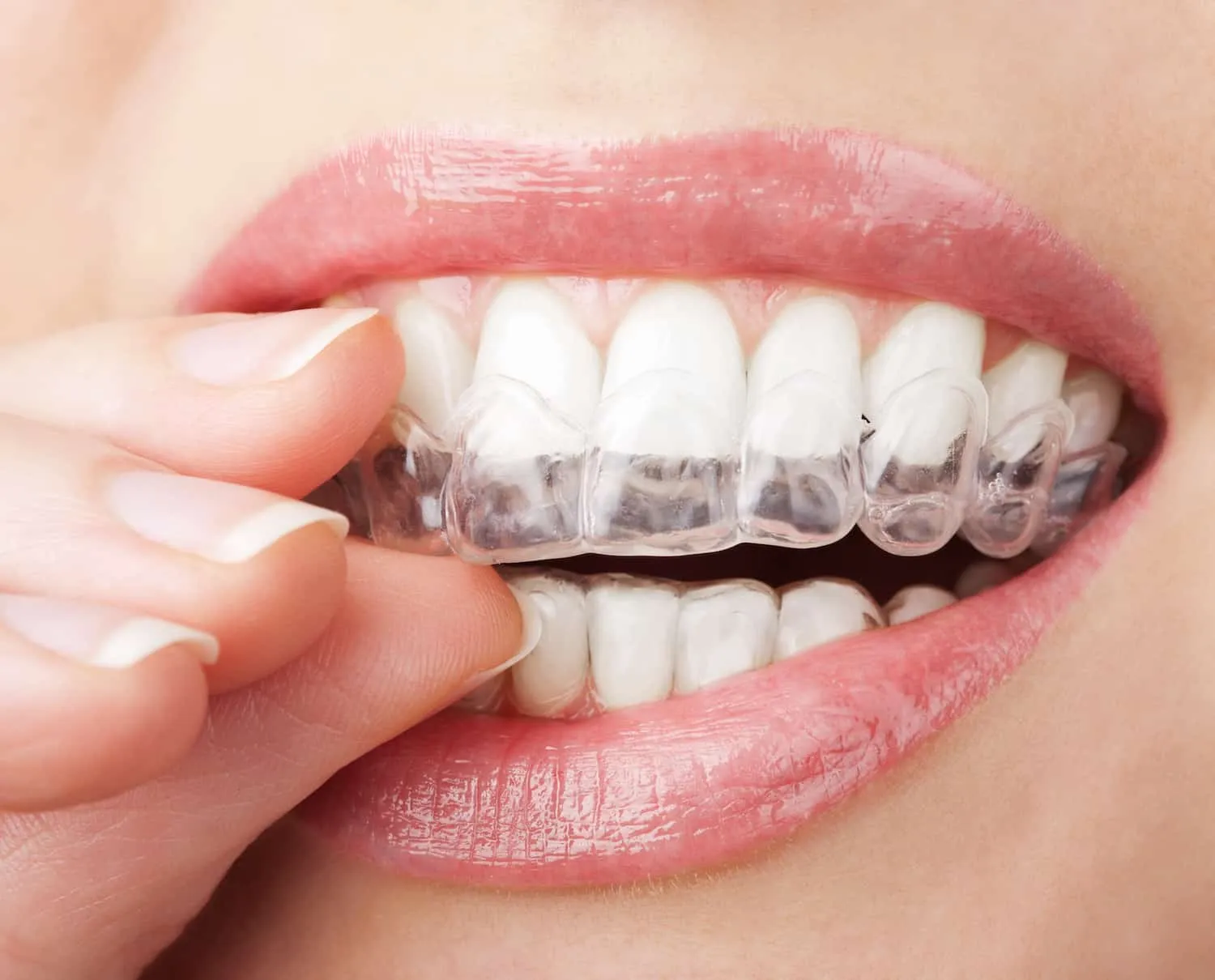
Teeth whitening products can sometimes come into contact with your gums, leading to irritation and inflammation. This is especially true with at-home whitening kits that don’t fit your teeth perfectly, allowing the whitening gel to leak onto the soft tissues. Symptoms can include redness, swelling, and tenderness in the gums. Professional whitening treatments often use protective barriers to shield the gums from the whitening agents. Careful application and following the product instructions are essential to minimize gum irritation. If you experience significant gum discomfort, consult your dentist. You can also use special trays or strips designed to protect your gums while whitening.
Allergic Reactions and Chemical Burns
In rare cases, people may experience allergic reactions or chemical burns from teeth whitening products. These reactions can manifest as pain, swelling, and blistering of the gums and soft tissues in the mouth. If you suspect an allergic reaction, stop using the product immediately and seek professional medical attention. Chemical burns can result from using high-concentration whitening agents or from prolonged exposure. Always adhere to the product instructions and consult with a dentist before starting any whitening treatment, especially if you have a history of allergies or sensitive teeth. Identifying the specific allergen is crucial for preventing future occurrences. This can be found by analyzing the specific ingredients that compose the whitening agents.
Understanding the Symptoms
Teeth whitening pain can manifest in various ways, from mild sensitivity to sharp, intense discomfort. Recognizing the different types of pain can help you better manage your symptoms and determine when to seek professional help. Some common symptoms include sharp, stabbing pain, dull, aching discomfort, and increased tooth sensitivity to temperature. The severity of the pain can vary depending on the individual and the type of whitening treatment used. It is essential to be aware of how these symptoms may affect you. Keeping a record of symptoms can also assist your dentist in diagnosing the underlying cause and recommending the appropriate treatment.
Sharp, Stabbing Pain

Sharp, stabbing pain is often a sign of nerve irritation. This type of pain is usually triggered by external stimuli, such as cold air or sweet foods, and can be quite intense. It typically subsides quickly once the stimulus is removed. If you experience sharp pain, it’s essential to avoid the triggers and consider using desensitizing toothpaste or consulting your dentist. This acute pain can be caused by the direct stimulation of the nerve fibers within the tooth, due to the temporary openness of the dentinal tubules. Managing these triggers will help you maintain a comfortable experience.
Dull, Aching Discomfort
Dull, aching discomfort is another symptom of teeth whitening pain, often characterized by a persistent, low-grade ache. This can be caused by inflammation of the tooth pulp or surrounding tissues. It may be accompanied by tenderness when biting or applying pressure. Using over-the-counter pain relievers and avoiding hard or crunchy foods can provide relief. This type of pain can also indicate the need for dental intervention, especially if it persists. Monitoring the intensity and frequency of the dull ache is crucial to determining the best course of action and understanding how your teeth are healing.
Increased Tooth Sensitivity to Temperature
Increased sensitivity to temperature is a very common symptom after teeth whitening. This means your teeth may become more sensitive to hot and cold foods and drinks. This happens because the whitening agents temporarily make your teeth more porous, allowing stimuli to reach the nerves more easily. Using desensitizing toothpaste containing ingredients like potassium nitrate can help block the nerve signals and reduce sensitivity. Avoiding very hot or cold foods during the whitening process can also provide relief. If the sensitivity is severe or prolonged, consult your dentist for additional solutions.
The Role of Whitening Products

Understanding the different types of teeth whitening products and how they work can help you manage and anticipate potential pain. From over-the-counter products to professional treatments, the concentration of the active ingredients and the method of application can significantly impact your experience. The main active ingredients in teeth whitening products are hydrogen peroxide and carbamide peroxide, which break down stains and lighten the teeth. The concentration of these agents and how they’re used influence how sensitive the teeth become. Therefore, consider all options to determine what’s right for you.
Hydrogen Peroxide and Carbamide Peroxide
Hydrogen peroxide and carbamide peroxide are the main active ingredients in teeth whitening products. Hydrogen peroxide is a stronger whitening agent and is typically used in professional treatments, while carbamide peroxide breaks down into hydrogen peroxide and is often found in at-home kits. The higher the concentration of the active ingredient, the faster the whitening process, but it also increases the likelihood of sensitivity. The concentration levels in over-the-counter products are regulated to be lower than those used by dental professionals. This is done to reduce the risk of side effects. Choose a product carefully and read the instructions to find the right balance for your comfort and desired results.
Over-the-Counter vs Professional Treatments
Over-the-counter teeth whitening products include whitening toothpastes, strips, and trays. These products generally contain lower concentrations of whitening agents and may cause less sensitivity. Professional treatments, on the other hand, are performed by dentists and use higher concentrations of hydrogen peroxide. This results in faster and more effective whitening but can also lead to more significant pain. Your dentist can assess your teeth, determine the appropriate level of treatment, and provide guidance on managing any potential side effects. The choice between over-the-counter and professional treatments depends on your desired results and your tolerance for potential pain.
Potential Side Effects and Complications

Besides teeth pain, teeth whitening can have other potential side effects and complications. Gum irritation, as mentioned previously, is a common issue, often resulting from the whitening agent coming into contact with the gums. Tooth sensitivity can also be a long-term problem for some individuals. In rare cases, excessive whitening can lead to damage of the enamel, making teeth more prone to decay. Understanding these potential issues can help you make informed decisions and take the necessary precautions to minimize risks. Always follow product instructions and consult with your dentist if you experience persistent or severe side effects. This is key in maintaining your oral health.
Short-Term vs Long-Term Pain
Teeth whitening pain can be either short-term or long-term. Short-term pain is typically temporary and resolves within a few days after the whitening treatment. This is generally due to temporary irritation of the tooth’s nerves. Long-term pain, however, can persist for weeks or even months. This could be caused by underlying dental issues or damage to the tooth enamel. If the pain lasts for an extended period or worsens, you should consult your dentist. They can evaluate your teeth and recommend appropriate treatments to address the issue. Distinguishing between these two types of pain is essential for determining the severity of the problem and the necessary course of action.
How to Manage and Reduce Pain
Several strategies can help manage and reduce teeth whitening pain, both during and after the procedure. Choosing the right whitening method, using desensitizing toothpaste, and avoiding trigger foods are effective ways to minimize discomfort. Over-the-counter pain relievers can also provide temporary relief. Implementing these strategies can ensure a more comfortable experience. Understanding your sensitivity level and consulting with your dentist is critical for customizing your approach. Addressing your pain is easier with knowledge.
Desensitizing Toothpaste
Desensitizing toothpaste can be a helpful tool for managing teeth whitening pain. These toothpastes contain ingredients like potassium nitrate, which helps block the nerve signals that cause pain. Using desensitizing toothpaste for a couple of weeks before starting your whitening treatment can prepare your teeth and minimize sensitivity. Continue using the toothpaste throughout the whitening process and for a few weeks afterward. Follow the instructions on the toothpaste for the best results. Consistency in using desensitizing toothpaste can significantly reduce pain associated with whitening procedures. Be patient, as it may take a few weeks to feel the full benefits.
Fluoride Treatments
Fluoride treatments can help strengthen your tooth enamel and reduce sensitivity. You can get fluoride treatments from your dentist, or you can use fluoride toothpaste or mouthwash. Fluoride helps to remineralize the enamel, making your teeth less porous and less susceptible to sensitivity. If you are experiencing teeth pain after whitening, your dentist might recommend an in-office fluoride treatment. This can provide immediate relief and protection. Regularly using fluoride products as part of your oral hygiene routine can also help in preventing future sensitivity. Combining fluoride and desensitizing toothpaste can enhance your teeth’s protection.
Pain Relievers and Anti-Inflammatories
Over-the-counter pain relievers, such as ibuprofen or acetaminophen, can help manage pain and discomfort associated with teeth whitening. Anti-inflammatory medications can also reduce inflammation in the gums and surrounding tissues. Always follow the recommended dosage and consult with your dentist or physician before taking any medication. Avoid using aspirin, as it can sometimes irritate the gums. If the pain is severe or persistent, your dentist may prescribe stronger pain relief medication. Remember to use these pain relievers as directed and be aware of any potential side effects. This allows you to handle potential discomfort from teeth whitening effectively.
Preventive Measures and Aftercare

Preventing teeth whitening pain involves taking proactive steps before, during, and after the procedure. Choosing the right whitening method, maintaining good oral hygiene, and following proper aftercare instructions can significantly reduce your risk of experiencing pain. Understanding how to best care for your teeth ensures a more comfortable and successful whitening experience. Consistent adherence to these measures promotes a brighter smile and overall oral health. These measures provide lasting benefits beyond just the initial aesthetic improvements.
Choosing the Right Whitening Method
The whitening method you choose plays a vital role in determining the likelihood of pain. If you have sensitive teeth, consider starting with over-the-counter products that use lower concentrations of whitening agents. Professional treatments can offer faster results but may also cause more pain. Consult with your dentist to determine the best option for your teeth and sensitivity level. If you’re prone to sensitivity, your dentist might recommend a customized whitening plan. This is an effective plan to help minimize discomfort. Consider the advantages and disadvantages to find what best fits your personal needs and goals.
Proper Oral Hygiene Routine
Maintaining a proper oral hygiene routine is essential for preventing and managing teeth whitening pain. Brush your teeth gently with a soft-bristled toothbrush, and be sure to floss daily to remove plaque and food particles. Using a fluoride toothpaste is crucial. Avoid brushing too vigorously, which can damage your enamel and increase sensitivity. After whitening, it’s especially important to be gentle with your teeth. Maintain regular dental check-ups and cleanings to keep your teeth healthy and minimize the risk of sensitivity. Establishing a robust oral hygiene routine will not only aid in reducing pain but also contribute to the longevity of your whitening results.
Regular Dental Check-ups
Regular dental check-ups are essential for identifying and addressing any underlying dental issues that could worsen the pain caused by teeth whitening. During a check-up, your dentist can examine your teeth for cavities, gum disease, and enamel erosion. Addressing these issues before whitening can prevent pain and complications. Your dentist can also provide professional cleaning to remove plaque and tartar. This is crucial for optimal whitening results. Regular check-ups also allow your dentist to monitor the health of your teeth and gums, ensuring that any problems are addressed promptly. Schedule regular check-ups every six months, or as recommended by your dentist, to maintain a healthy, pain-free smile.
When to Seek Professional Help
Knowing when to seek professional help is crucial if you experience teeth whitening pain. While some discomfort is normal, persistent or severe pain should always be evaluated by your dentist. If the pain lasts for more than a few days, or if it intensifies, contact your dentist. Other signs to watch for include bleeding gums, swelling, or any other unusual symptoms. Your dentist can diagnose the cause of your pain and recommend the most appropriate treatment. Do not hesitate to seek professional help if you are concerned about any dental discomfort. Early intervention can prevent more serious dental issues. Your dentist will have the knowledge to help you.
In conclusion, understanding the causes of teeth whitening pain and the strategies to manage and prevent it can significantly improve your experience. The key is to choose the right whitening method, maintain good oral hygiene, and consult with your dentist if you experience any discomfort. With the right approach, you can achieve a brighter, more confident smile without unnecessary pain. By taking these preventive measures, you can maintain your beautiful smile. Remember, your dental health is essential, and a healthy smile is a happy smile.