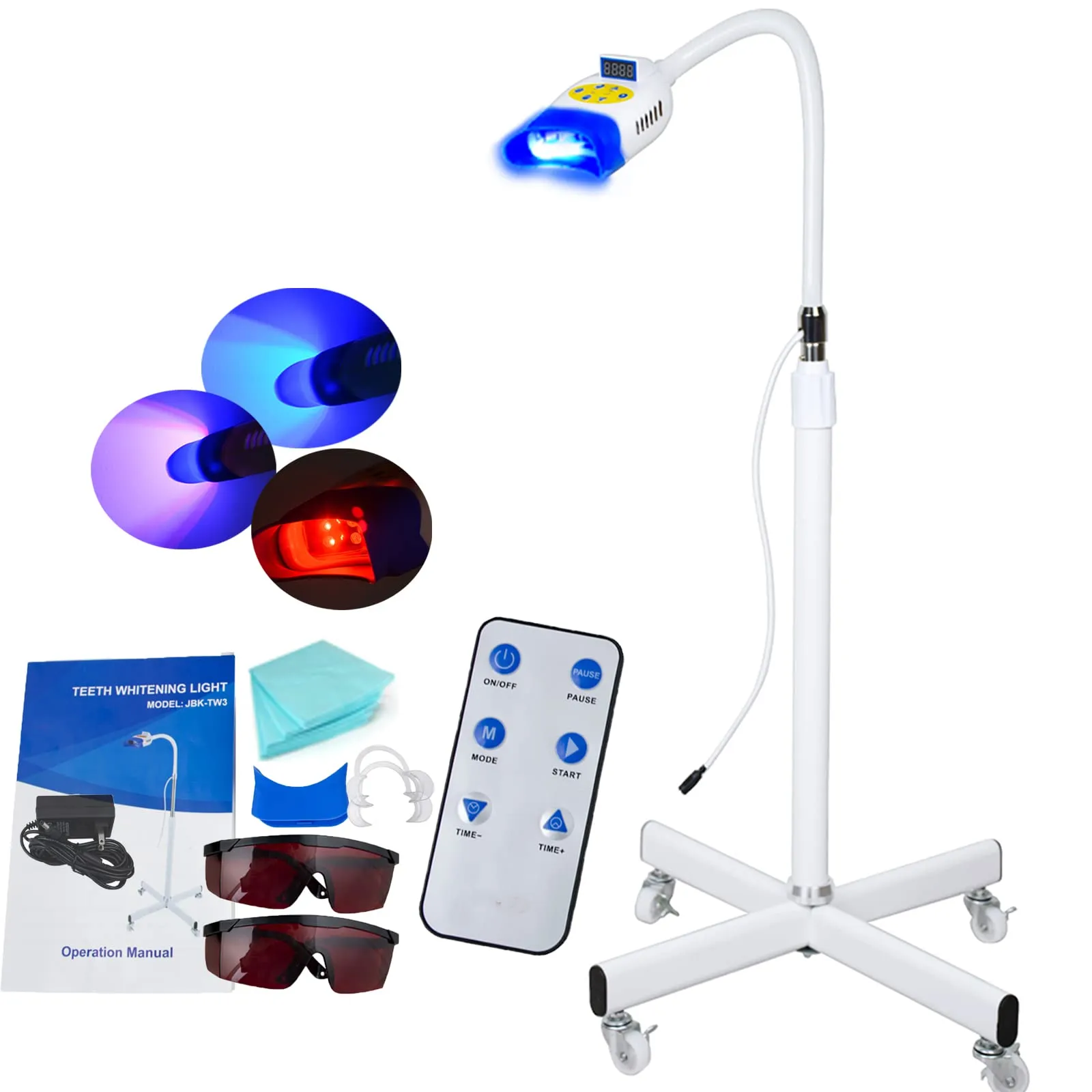
What is Teeth Whitening Light
Teeth whitening light, a popular method for enhancing your smile, utilizes specific light wavelengths to accelerate the whitening process when combined with a bleaching agent. This method is designed to break down stains and discoloration on the surface and within the enamel of your teeth. These lights often come in various forms, including plasma, laser, and LED, each using different technologies to achieve similar results. The primary goal is to offer a convenient and effective solution for achieving a brighter, more confident smile from the comfort of your home or in a professional setting.
How Teeth Whitening Light Works
The mechanism behind teeth whitening light involves a chemical reaction. The light, typically blue light, activates the whitening agent, often a hydrogen peroxide or carbamide peroxide gel. This activation speeds up the process of breaking down stain molecules that have accumulated in the enamel. The light doesn’t directly whiten the teeth but acts as a catalyst, making the whitening agent more effective. The intensity and duration of the light exposure, along with the concentration of the whitening agent, determine the final results. The light helps in oxidizing the stains, leading to a lighter and brighter appearance of the teeth.
Types of Teeth Whitening Lights

Several types of teeth whitening lights are available, each employing different technologies. The main categories include plasma, laser, and LED lights. Understanding the differences between these can help you make an informed choice. Each type of light offers unique advantages in terms of efficiency, cost, and ease of use. Choosing the right type of teeth whitening light is vital for achieving optimal results and ensuring a comfortable experience. The market provides a range of options to cater to different needs and preferences.
Plasma Teeth Whitening Light
Plasma teeth whitening lights use a plasma arc lamp to emit intense light. This technology is often used in professional dental settings due to its ability to deliver strong and focused light. The high intensity of the light can accelerate the whitening process more rapidly, potentially leading to quicker results compared to other light types. However, plasma lights may generate more heat, which could increase the risk of teeth sensitivity. They generally require professional application due to their power.
Laser Teeth Whitening Light
Laser teeth whitening involves using a laser to activate the whitening gel. Lasers are known for their precision and controlled application. This method is often considered highly effective as lasers can focus on specific areas, ensuring even whitening. The use of lasers is usually performed by dental professionals, ensuring safety and optimal results. Laser whitening can offer significant whitening in a short period, making it a popular choice for those seeking rapid results.
LED Teeth Whitening Light

LED (Light Emitting Diode) teeth whitening lights are a popular option for home use. They are energy-efficient and produce less heat compared to plasma and laser lights, making them less likely to cause sensitivity. LED lights are often incorporated into home whitening kits, offering a user-friendly experience. The blue light emitted by LEDs helps activate the whitening gel, accelerating the bleaching process. LED lights offer a safe and convenient way to whiten teeth at home, with effective results over time.
Benefits of Using Teeth Whitening Light at Home
Using teeth whitening light at home offers several advantages. It is a cost-effective alternative to professional treatments, as home kits are generally less expensive. Moreover, it provides the convenience of whitening your teeth in the comfort of your own home, saving you time and the hassle of dental appointments. Many home kits are easy to use, allowing you to incorporate teeth whitening into your daily routine. The accessibility of home kits makes it easier to maintain a bright smile, addressing stains and discoloration without professional intervention.
Cost-Effective Teeth Whitening
Home teeth whitening kits are often more budget-friendly than professional treatments. The initial investment in a home kit is typically lower, making it an accessible option for many. While professional treatments may offer quicker results, the cumulative cost of several home treatments can be less over time. This cost-effectiveness allows individuals to whiten their teeth regularly, maintaining a brighter smile without incurring significant expenses. The lower cost makes teeth whitening more accessible for those on a budget.
Convenience and Accessibility

Home teeth whitening kits offer unparalleled convenience. You can whiten your teeth anytime, anywhere, without the need for appointments. This flexibility is ideal for busy individuals who want to maintain their smile without disrupting their schedules. Accessibility is another key benefit; these kits are widely available online and in stores, making it easy to obtain the products you need. The ease of use and portability of home kits ensure that you can achieve a brighter smile at your convenience.
Effective Stain Removal
Teeth whitening lights, when used with whitening agents, are effective at removing various types of stains. They can address surface stains caused by coffee, tea, and other food items, as well as deeper stains. The light enhances the action of the whitening agent, breaking down stain molecules and restoring the natural color of your teeth. Consistent use can lead to noticeable improvements in tooth brightness and overall appearance. The effectiveness of home kits allows for significant stain removal and a more radiant smile.
How to Use a Teeth Whitening Light Safely
Using a teeth whitening light safely involves following specific guidelines. Always read and adhere to the manufacturer’s instructions provided with your kit. This includes the recommended duration of use and the concentration of the whitening agent. It is crucial to protect your gums and soft tissues, as the whitening agent can cause irritation. Some kits include mouth trays to help with this. Avoid overuse, as excessive whitening can lead to increased sensitivity. Consult your dentist if you have any concerns or pre-existing dental conditions.
Choosing the Right Teeth Whitening Light

Selecting the right teeth whitening light involves considering several factors. Firstly, assess the type of light that best suits your needs; LED lights are often preferred for home use due to their safety and ease of use. Evaluate the whitening agent provided with the kit, looking for a concentration of hydrogen peroxide that is effective yet safe for your teeth. Check for certifications and reviews to ensure the product is reliable and safe. Consider the ease of use and the features offered by the kit. Look for kits that provide mouth trays, timers, and other accessories to make the process more convenient.
Preparing Your Teeth
Before using a teeth whitening light, proper preparation is essential. Begin by brushing and flossing your teeth thoroughly to remove any food particles or plaque. This ensures the whitening agent can effectively contact the tooth surface. If you have any fillings, crowns, or other dental work, consult your dentist, as these may not whiten. If you have sensitive teeth, consider using a desensitizing toothpaste a few weeks before starting the treatment to minimize discomfort. Prepare your mouth by rinsing with water to remove any remaining debris and ensure optimal results.
Step-by-Step Guide to Using the Light
Here’s a general step-by-step guide. First, apply the whitening gel as directed, usually to a mouth tray or directly onto your teeth. Place the mouth tray with the gel in your mouth, ensuring even coverage. Turn on the teeth whitening light and position it according to the manufacturer’s instructions. Maintain the light position for the recommended duration. After the treatment, remove the tray and rinse your mouth thoroughly to remove any remaining gel. Follow the manufacturer’s guidelines for frequency and duration of use. Regular use, combined with proper oral hygiene, will yield the best results.
Maintaining Your Bright Smile

Maintaining your bright smile after using a teeth whitening light involves a combination of good oral hygiene habits and lifestyle choices. Regular brushing and flossing are fundamental to removing food particles and plaque that can cause stains. Avoiding or limiting the consumption of staining foods and beverages, such as coffee, tea, red wine, and dark-colored foods, is also crucial. Regular dental checkups and cleanings can help maintain your smile by removing surface stains. Using a whitening toothpaste can also help maintain the results of your whitening treatment.
Aftercare and Tips for Long-Lasting Results
To ensure long-lasting results after teeth whitening, follow specific aftercare tips. Avoid consuming staining foods and drinks for at least 24 to 48 hours after the treatment, as your teeth are more susceptible to staining during this time. Use a whitening toothpaste to help maintain your bright smile, and consider using a straw for beverages that can stain your teeth. If you smoke, quitting will significantly improve the longevity of your whitening results. Regular dental checkups and cleanings will also help preserve your bright, white teeth.
Potential Risks and Side Effects
While teeth whitening light treatments are generally safe, potential risks and side effects do exist. Understanding these can help you make an informed decision. The most common side effects are increased tooth sensitivity and gum irritation. These side effects are usually temporary, subsiding within a few days after the treatment. More serious complications are rare but can include damage to the enamel or soft tissues if the treatment is misused. Always follow instructions carefully and consult with a dentist if you experience any adverse effects.
Teeth Sensitivity

Teeth sensitivity is a common side effect of teeth whitening treatments. The whitening agents can penetrate the enamel and irritate the nerves in your teeth, causing temporary sensitivity to hot and cold temperatures. To minimize sensitivity, use a desensitizing toothpaste a few weeks before and during the treatment. Avoid excessively hot or cold foods and beverages immediately after the treatment. If sensitivity is severe or prolonged, consult your dentist. Sensitivity typically subsides within a few days.
Gum Irritation
Gum irritation is another potential side effect of teeth whitening. The whitening agent can come into contact with the gums and cause redness, swelling, and discomfort. To prevent this, ensure that the whitening agent is applied precisely to your teeth, avoiding contact with your gums. Use mouth trays or other protective methods to shield your gums during treatment. If gum irritation occurs, discontinue the treatment temporarily and consult your dentist. Gum irritation is usually mild and resolves on its own within a few days.
Alternatives to Teeth Whitening Light
If teeth whitening light is not suitable for you, several alternative options can brighten your smile. These include professional teeth whitening treatments, over-the-counter whitening products, and cosmetic dentistry procedures. Consulting your dentist is essential to determine the best option for your specific needs and oral health. Each alternative offers different levels of effectiveness, cost, and convenience. Understanding the pros and cons of each can help you make the right decision for a brighter, more confident smile.
Professional Teeth Whitening

Professional teeth whitening is performed by a dentist and offers immediate and significant results. Dentists use stronger whitening agents and specialized equipment, such as plasma or laser lights, to accelerate the process. This method is highly effective for removing deep stains and discoloration. It offers the advantage of professional supervision, ensuring safety and addressing any potential issues. While more expensive than home kits, professional whitening can provide dramatic improvements in a short period. Consult your dentist to see if professional whitening is right for you.
Over-the-Counter Products
Various over-the-counter (OTC) products are available for teeth whitening. These include whitening toothpastes, strips, and gels, which can be purchased without a prescription. Whitening toothpastes contain mild abrasives and chemicals that help remove surface stains. Whitening strips and gels typically use a lower concentration of hydrogen peroxide compared to professional treatments. OTC products are generally more affordable and accessible, making them a convenient option for many. However, the results may be less dramatic compared to professional treatments. Follow the manufacturer’s instructions carefully to ensure safe and effective use.