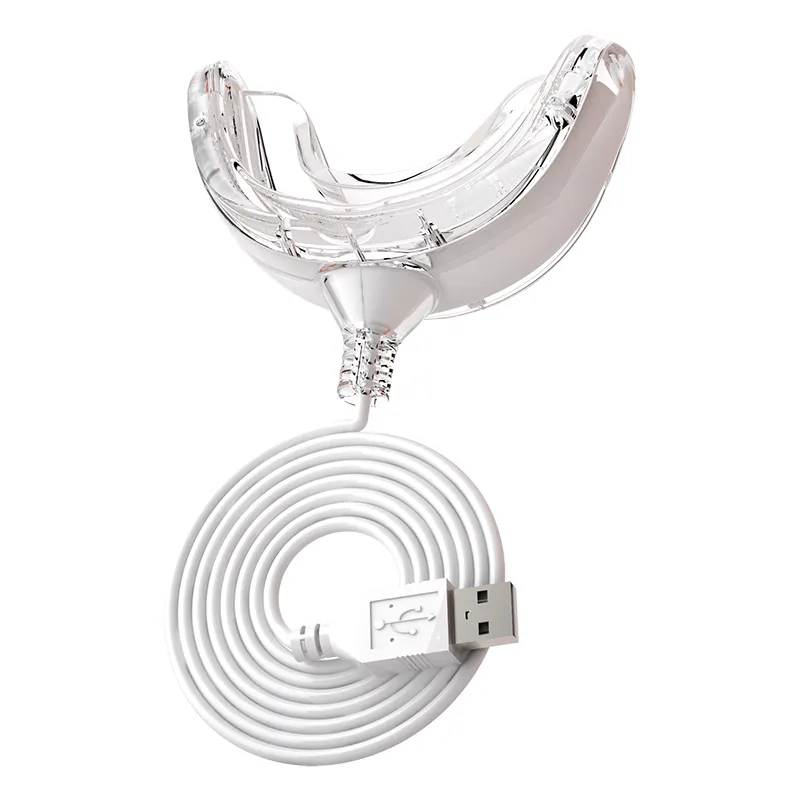
What Are Teeth Whitening LED Lights
Teeth whitening LED lights have become increasingly popular as a convenient and accessible method for achieving a brighter smile. These systems typically involve the use of a blue light, often in conjunction with a whitening agent, to accelerate the process of removing stains and discoloration from teeth. Unlike professional treatments at a dentist’s office, at-home kits are designed for user-friendly application. They often come with a mouthpiece that houses the LED lights, which are activated after the whitening gel is applied to the teeth. The appeal lies in the promise of noticeable results within a short period, making it an attractive option for those seeking a quick cosmetic enhancement. These kits offer a non-invasive alternative to other cosmetic procedures, creating a surge in demand and availability across the market. Many users are drawn to the ease of use and affordability compared to more expensive and time-consuming dental treatments.
The Science Behind LED Teeth Whitening
The efficacy of LED teeth whitening is rooted in the science of photochemistry. The core principle involves the use of a specific wavelength of light to activate and enhance the whitening action of the bleaching agent, usually a hydrogen peroxide or carbamide peroxide gel. When the LED light shines on the gel applied to the teeth, it catalyzes a reaction that breaks down the stain molecules embedded in the enamel. This process is essentially a form of oxidation, where the light energy speeds up the release of oxygen radicals. These free radicals penetrate the enamel and dentin, breaking down the discolored compounds without altering the tooth structure. While the light itself does not directly whiten the teeth, it acts as a catalyst, making the whitening agent more effective. Understanding this mechanism is key to appreciating how LED teeth whitening can provide noticeable results.
How LED Lights Work with Whitening Agents

The synergy between LED lights and whitening agents is the cornerstone of the whitening process. The light emitted by the LED device is typically a blue light, as this wavelength is most effective in activating the peroxide-based whitening agents. This specific light spectrum accelerates the breakdown of the peroxide, releasing oxygen molecules that penetrate the tooth enamel. These oxygen molecules then break down the stain molecules, which are the culprits behind tooth discoloration. This process is not about bleaching the teeth but rather about oxidizing the stains, making them less visible. The LED light doesn’t directly bleach the teeth but works to increase the rate and efficiency of the bleaching agent, leading to a faster and more pronounced whitening effect compared to using the whitening agent alone. The effectiveness of this combination hinges on the concentration of the whitening agent, the duration of exposure to the light, and the specific light intensity used.
Different Types of LED Teeth Whitening Systems
The market offers a diverse range of LED teeth whitening systems, each with distinct features and application methods. At-home kits are the most common and typically include a pre-filled or refillable mouthpiece with built-in LED lights. These kits often use a gel containing a lower concentration of hydrogen peroxide, making them suitable for regular use. Another option is professional LED whitening, performed by a dentist. These in-office treatments use stronger whitening agents and more powerful LED lights, providing quicker and more dramatic results. There are also brush-on whitening systems with LED lights, which use a brush to apply the whitening gel directly to the teeth. Each type of system caters to different preferences and budgets, allowing consumers to choose the most appropriate method for their needs. It’s crucial to consider factors like the concentration of the whitening agent, the duration of treatment, and the overall cost when selecting a system.
Effectiveness of LED Teeth Whitening
The effectiveness of LED teeth whitening can vary depending on several factors, including the type of system used, the concentration of the whitening agent, and the individual’s oral health. In general, these systems can provide noticeable results, with many users reporting a brighter smile after just a few treatments. The extent of whitening can range from a few shades lighter to several shades, depending on the intensity of the system and the nature of the stains. Professional LED whitening treatments typically yield the most dramatic results due to the use of higher concentrations of hydrogen peroxide and stronger LED lights. Home kits can be effective but often require more prolonged use to achieve similar outcomes. While LED teeth whitening can effectively remove surface stains and lighten the overall appearance of the teeth, it may not be as effective on certain types of stains, such as those caused by tetracycline antibiotics.
Factors Influencing Results

Several factors can influence the effectiveness of LED teeth whitening. The type and severity of the stains play a significant role; surface stains caused by coffee, tea, and tobacco are generally easier to remove than deep intrinsic stains. The concentration of the whitening agent is also a critical factor, with higher concentrations leading to faster and more pronounced results. The duration of the treatment and the frequency of use also affect outcomes. Consistent application, as per the instructions, is key. Individual factors, such as the natural shade of the teeth, oral hygiene habits, and the presence of any dental work, can also influence results. People with naturally darker teeth may see less dramatic changes compared to those with lighter shades. Maintaining good oral hygiene, including regular brushing and flossing, is essential to maximize and maintain the whitening effect. Prior to treatment, consulting with a dentist to identify any underlying dental issues is beneficial.
Comparing LED Whitening to Other Methods
Comparing LED teeth whitening to other methods is essential for making an informed decision. Traditional whitening strips are a popular alternative, offering convenience and affordability but often with slower results. Professional in-office whitening, which includes LED light treatments, provides the most dramatic results but is also the most expensive. Whitening toothpastes can help maintain brightness but typically don’t offer substantial whitening. The choice depends on individual needs, budget, and expectations. For those seeking quick results, professional whitening is the top choice. LED at-home kits provide a balance of effectiveness and affordability. Whitening strips are a good option for maintaining brightness. Whitening toothpastes serve as a supplement. Consider the level of existing discoloration, desired level of whitening, and the time commitment involved in each method. Consulting with a dentist can also help determine the best approach based on individual dental health and aesthetic goals.
Pros and Cons of LED Teeth Whitening
LED teeth whitening offers a range of advantages, making it an attractive option for many. One major benefit is its convenience; at-home kits allow users to whiten their teeth in the comfort of their homes, saving time and money compared to professional treatments. LED systems often provide faster results compared to traditional whitening strips. The process is relatively painless and non-invasive. However, there are also potential drawbacks to consider. The effectiveness can vary, and results might not be as dramatic as those achieved with professional treatments. Some individuals may experience temporary tooth sensitivity or gum irritation. The cost can be a factor, with prices varying widely based on the kit. While generally safe, it’s essential to follow the instructions and consult with a dentist, especially if you have pre-existing dental conditions. Choosing the right product and using it correctly can minimize potential negative effects. Understanding both the benefits and drawbacks helps set realistic expectations and ensures a satisfying whitening experience.
Benefits of Using LED Teeth Whitening

The advantages of LED teeth whitening are numerous, and make it a highly sought-after cosmetic solution. One of the main benefits is the convenience, which allows individuals to achieve a brighter smile without frequent trips to the dentist. The relatively quick results compared to alternative methods are a significant advantage for those looking for a faster turnaround. The ease of use is another factor; most kits come with simple instructions, making the process user-friendly for all. The affordability, particularly with at-home kits, offers a cost-effective alternative to professional procedures. This accessibility allows more people to enhance their smiles. The non-invasive nature of LED teeth whitening is another positive aspect. The procedure does not involve any drilling or other invasive techniques. LED whitening is generally considered safe when used according to instructions. LED teeth whitening can significantly boost self-confidence and overall well-being by improving the appearance of the teeth and creating a more appealing smile.
Potential Downsides and Side Effects
While LED teeth whitening is generally considered safe, it’s essential to be aware of potential downsides and side effects. The most common side effect is temporary tooth sensitivity, which can occur due to the whitening agent penetrating the enamel and reaching the dentin. This sensitivity usually subsides shortly after the treatment. Gum irritation can also occur, especially if the whitening gel comes into contact with the gums. This is usually minor and resolves quickly. In rare cases, some individuals may experience minor pain or discomfort. The effectiveness of the treatment can vary, with some people seeing more dramatic results than others. It’s crucial to manage expectations and understand that the outcome depends on individual factors. Overuse or incorrect usage of the whitening kit can increase the risk of side effects, so following instructions carefully is essential. Consulting with a dentist is recommended to address concerns and ensure any underlying dental issues are managed effectively before starting any whitening treatment.
How to Use LED Teeth Whitening Safely and Effectively
To ensure safe and effective LED teeth whitening, several important steps should be followed. Before starting, it’s essential to consult with a dentist to assess the health of your teeth and gums and to identify any underlying dental issues. Read and understand the instructions provided with the LED whitening kit. Prepare your teeth by brushing and flossing gently to remove any food particles or debris. Apply the whitening gel to your teeth as directed, ensuring it covers the surface evenly. Insert the LED mouthpiece into your mouth, and activate the light according to the instructions. Adhere to the recommended treatment time, and avoid exceeding it, as this can increase the risk of sensitivity. After the treatment, rinse your mouth thoroughly with water and clean the mouthpiece. Avoid consuming foods and drinks that can stain teeth, such as coffee, tea, and red wine, for the first few hours following the treatment. Regular dental check-ups help with monitoring the effects and maintaining your oral health. Following these guidelines will enhance the effectiveness and safety of your LED teeth whitening experience.
Step-by-Step Guide to Using LED Kits

Using an LED teeth whitening kit effectively involves following a step-by-step process to maximize the results and minimize potential side effects. Begin by brushing and flossing your teeth thoroughly to remove any plaque or debris. Carefully apply the whitening gel to the tray provided in the kit, ensuring that it covers the front surfaces of your teeth. Insert the tray into your mouth, making sure it fits comfortably and that the teeth are fully exposed to the gel. Activate the LED light according to the instructions, usually by pressing a button to turn it on. Wear the tray for the recommended time, which is typically between 10 to 30 minutes, depending on the specific kit and the desired level of whitening. After the treatment time has elapsed, remove the tray and rinse your mouth with water to remove any remaining gel. Clean the tray with water and store it for future use. Repeat the process as directed by the kit instructions, usually for a few days or a week, to achieve optimal whitening. Consistent and careful adherence to these steps will help you achieve a brighter, whiter smile.
Tips for Maintaining Results
Maintaining the results of LED teeth whitening requires a combination of good oral hygiene and lifestyle adjustments. Brush your teeth at least twice a day using a whitening toothpaste, and floss daily to remove plaque and food particles. Avoid or limit the consumption of foods and drinks that can stain your teeth, such as coffee, tea, red wine, and dark-colored berries. If you consume staining foods and drinks, rinse your mouth with water immediately afterward. Regular dental check-ups and cleanings are essential to remove any surface stains and maintain the overall health of your teeth. Consider touch-up treatments with your LED whitening kit as needed to combat any new stains or discoloration. Use a straw when drinking staining beverages, as this helps reduce direct contact with your teeth. Quit smoking, as tobacco use is a major cause of tooth discoloration. Following these tips will help preserve your brighter smile and extend the benefits of your LED teeth whitening treatment.
Choosing the Right LED Teeth Whitening Product
Choosing the right LED teeth whitening product involves considering several factors to ensure effectiveness and safety. First, research and compare different brands and types of kits, looking at the ingredients of the whitening gel. Look for products that include hydrogen peroxide or carbamide peroxide, the active whitening agents, and verify the concentration of these agents, as higher concentrations may lead to more dramatic results, but also increase the risk of sensitivity. Check for product reviews and ratings from other users to gain insights into the product’s effectiveness and ease of use. Ensure the kit comes with a properly fitted mouthpiece and an LED light that emits the correct wavelength. Read and understand the instructions carefully, and consider the recommended treatment time and frequency. Look for kits that have been certified by dental professionals. Consider the cost, as prices can vary widely, and balance the budget with the desired features and results. Prioritize products that have a proven track record, high-quality ingredients, and clear instructions to optimize your whitening experience.
What to Look for in a Good LED Whitening Kit

When selecting an LED teeth whitening kit, pay close attention to key features that will enhance its effectiveness and ensure a safe experience. Check the concentration of the whitening agent, which is typically hydrogen peroxide or carbamide peroxide, as this determines the potency of the treatment. The LED light should emit the correct wavelength to activate the whitening agent effectively. Look for a comfortable and well-fitting mouthpiece that allows for even coverage of the teeth. Ensure the kit includes clear and comprehensive instructions, making the application process easy to follow. Prioritize kits with a timer function to help you adhere to the recommended treatment time. Consider the inclusion of a desensitizing agent in the gel, such as potassium nitrate, to minimize potential tooth sensitivity. Look for kits that are FDA-approved or have been reviewed and recommended by dental professionals. Check for any additional features, such as a storage case for convenience. Reading customer reviews will help you understand the experiences of other users. By focusing on these key elements, you can select a high-quality LED teeth whitening kit that delivers optimal results with minimal risk.
Reviews and Recommendations
Before purchasing an LED teeth whitening kit, it’s essential to research and consider reviews and recommendations from other users and dental professionals. Customer reviews provide valuable insights into the product’s effectiveness, ease of use, and any potential side effects. Look for reviews that discuss the level of whitening achieved, the presence of any sensitivity, and the overall satisfaction with the product. Seek recommendations from dentists or dental hygienists, as they can provide expert advice on the best brands and products based on your specific needs. Check for independent reviews from reputable sources, such as consumer reports or dental journals. Compare reviews from different sources to get a well-rounded perspective on the product’s strengths and weaknesses. Pay attention to any recurring themes in the reviews, such as the product’s ease of use, taste, and overall value. Consider the specific needs of your teeth and the level of whitening you desire when evaluating the reviews. Taking the time to read reviews and seek professional recommendations can help you make an informed decision and choose the most suitable LED teeth whitening kit for you.