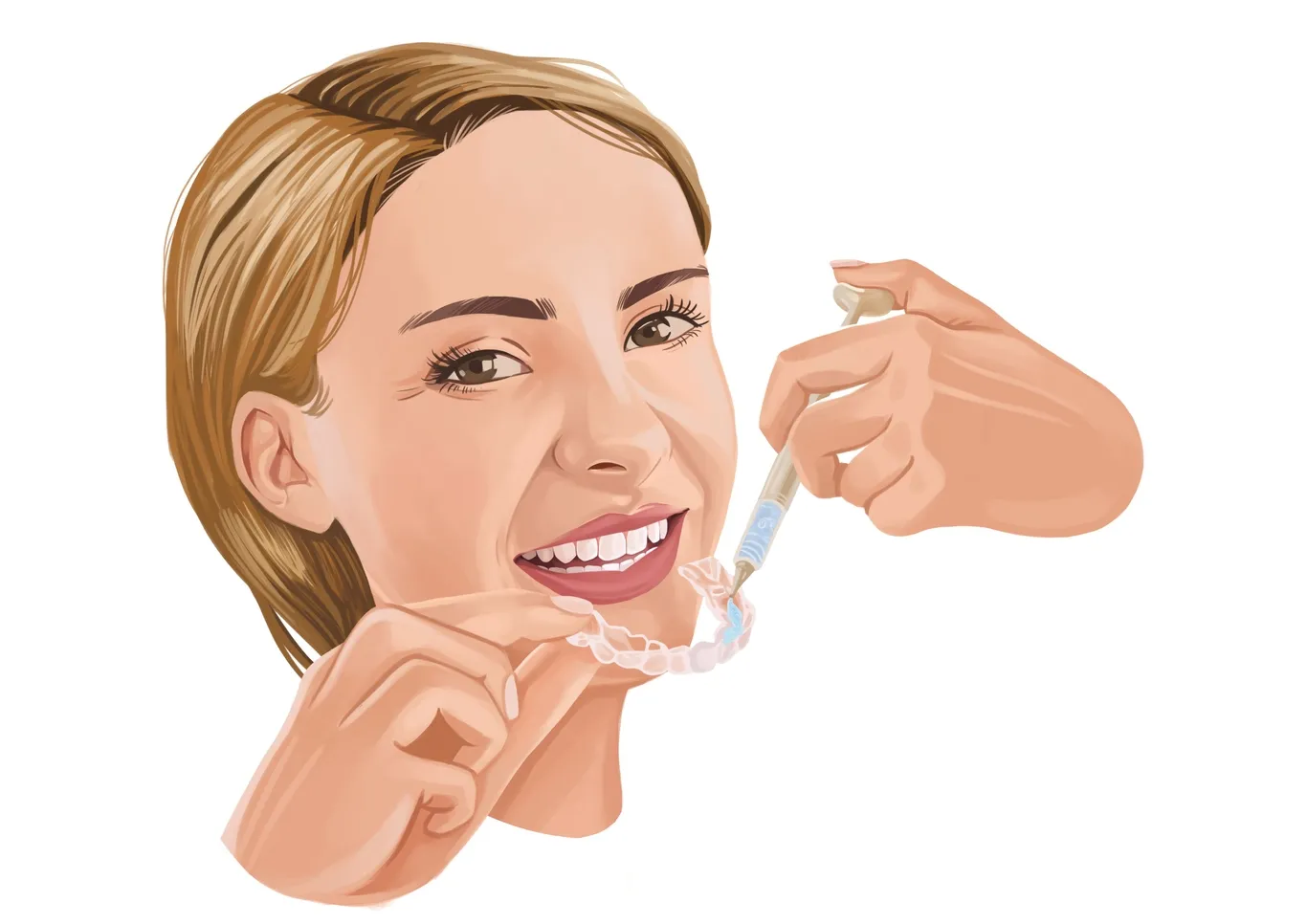
Teeth Whitening Coverage The Basics
Understanding whether your dental insurance covers teeth whitening can be a complex issue. Teeth whitening is primarily considered a cosmetic procedure. Cosmetic procedures aim to improve the appearance of your teeth rather than address a health problem. As such, many dental insurance plans do not automatically cover the cost of teeth whitening. However, it’s crucial to delve deeper into your specific plan details, as coverage can vary significantly based on the type of insurance you have, the provider, and the specific terms of your policy. Knowing the nuances of your plan is essential to determine whether you can receive financial assistance for teeth whitening or if you will have to explore alternative payment options.
What Dental Insurance Plans Cover
Dental insurance plans generally categorize treatments into preventive, basic restorative, and major restorative procedures. Understanding these categories is crucial to see how teeth whitening fits in. Preventive care often includes routine cleanings and exams, which are usually covered at a high percentage. Basic restorative procedures cover treatments like fillings, and major restorative procedures address more extensive dental work like crowns or bridges. Cosmetic procedures, which include teeth whitening, are often placed in a different category.
Routine Cleanings and Exams

Most dental insurance plans highly prioritize and cover routine cleanings and exams. These are fundamental to maintaining good oral health. They involve a professional cleaning of the teeth to remove plaque and tartar, along with a thorough examination by a dentist to identify any potential issues early on. Regular cleanings and exams are usually covered at a high percentage, sometimes even 100%, as they are key to preventing more serious and costly dental problems in the future. These are generally covered without any significant out-of-pocket expense for the patient.
Preventive Treatments
Preventive treatments, like fluoride treatments and dental sealants, are frequently covered by insurance plans. These are proactive measures to protect teeth from decay and cavities. Fluoride treatments strengthen tooth enamel, making it more resistant to acids produced by bacteria. Dental sealants are applied to the chewing surfaces of the molars to create a barrier against bacteria and food particles, preventing cavities from forming. Insurance typically covers a significant portion of the cost of these treatments, recognizing their importance in maintaining oral health and reducing the need for more extensive procedures in the future.
Basic Restorative Procedures
Basic restorative procedures, like fillings, are commonly covered, though the extent of coverage can vary. Fillings are used to repair teeth damaged by decay. The insurance plan usually covers a portion of the cost, but the exact percentage depends on the specific plan. Some plans may cover a higher percentage for certain materials like composite fillings. It’s essential to check your plan’s details to understand how much you will be responsible for paying out-of-pocket. Understanding these percentages can help you budget for the treatment.
Major Restorative Procedures

Major restorative procedures include treatments such as crowns, bridges, and dentures. These treatments are often needed to restore the function and appearance of teeth that are severely damaged or missing. Because these procedures are more extensive and costly, insurance coverage typically covers a lower percentage of the total cost compared to preventive or basic restorative procedures. The patient usually pays a more significant portion out-of-pocket. Understanding the specific coverage limits and co-pays associated with major restorative procedures is critical when planning for such treatments.
Teeth Whitening and Cosmetic Procedures
Teeth whitening is often considered a cosmetic procedure. This means that it is primarily intended to improve the appearance of the teeth rather than to address a specific health issue. As a result, many standard dental insurance plans do not cover the cost of teeth whitening. Coverage, if available, may be limited, and the patient could be responsible for a significant portion of the expense. Always check the details of your plan or speak to your insurance provider to confirm whether teeth whitening is covered and understand the extent of the coverage before undergoing the procedure.
Why Teeth Whitening Is Often Not Covered
The main reason teeth whitening is often not covered by dental insurance is that it is classified as a cosmetic procedure. Insurance companies prioritize coverage for treatments that address health issues or restore oral function. Teeth whitening is generally considered elective, meaning it is not medically necessary for oral health. Since it’s not deemed essential for health, insurance providers typically exclude it from their coverage. This decision allows insurance companies to manage costs and focus on more critical treatments. However, this can be frustrating for individuals seeking to enhance their smiles. Therefore, exploring alternative payment options and understanding the terms of your specific insurance plan is essential.
Factors Influencing Insurance Coverage

Several factors influence whether your dental insurance will cover teeth whitening. Understanding these factors is crucial for managing your expectations and planning your dental care. The type of insurance plan you have, the specific details of your plan, and any waiting periods or pre-existing conditions can all impact your eligibility for coverage. Being aware of these factors will enable you to make informed decisions and choose the best course of action for your needs.
Type of Dental Insurance
The type of dental insurance you have significantly impacts the likelihood of teeth whitening coverage. There are various types of dental insurance, including Preferred Provider Organizations (PPOs), Dental Health Maintenance Organizations (DHMOs), and indemnity plans. PPOs are the most common, offering a broader network of dentists and often providing coverage for a range of services, though cosmetic procedures may have limited coverage. DHMOs typically have lower premiums but restrict you to a specific network of dentists and may not cover teeth whitening. Indemnity plans, the least common, allow you to see any dentist, but often have higher out-of-pocket costs and may not include cosmetic procedures. Review your specific plan to understand the type and coverage provided.
Your Specific Plan Details
The specific details of your dental insurance plan are crucial in determining coverage for teeth whitening. Examine your policy carefully to understand the terms and conditions. This includes annual maximum benefits, which is the maximum amount your insurance will pay for dental services each year. Also, look at the co-pays, which is the fixed amount you pay for a specific service, and the co-insurance, which is the percentage of the cost you are responsible for after your deductible is met. Check whether teeth whitening is explicitly listed as a covered benefit and what limitations or exclusions apply. Contacting your insurance provider directly to confirm your coverage is highly recommended.
Waiting Periods

Waiting periods can affect when you can access benefits, including teeth whitening coverage. Many dental insurance plans have waiting periods for certain procedures, particularly cosmetic ones. This means you might have to wait a specific amount of time, often several months to a year, after your plan goes into effect before you can receive coverage for teeth whitening. Knowing about these waiting periods is essential when planning to get your teeth whitened because you’ll need to factor in this timeline when scheduling your procedure. Always check your plan’s details to understand the waiting period before proceeding with any cosmetic treatments.
Pre-existing Conditions
Pre-existing conditions may impact the coverage available for teeth whitening. Some insurance plans may have clauses that exclude treatments related to conditions that existed before your coverage began. For example, if you have had significant dental work or staining issues prior to enrolling in your insurance plan, the insurer may not cover the cost of teeth whitening. Check the details of your policy to see if any exclusions apply to pre-existing conditions and how they may affect your eligibility for teeth whitening benefits. In some cases, you may need to provide documentation or undergo an examination to confirm your eligibility.
Ways to Potentially Get Coverage for Teeth Whitening
While standard dental insurance may not cover teeth whitening, some strategies may increase your chances of receiving some financial assistance. Exploring supplemental dental insurance and using health savings accounts (HSAs) or flexible spending accounts (FSAs) are worth considering. Examining these options can potentially make teeth whitening more affordable and accessible. Each option comes with specific requirements and benefits, so understanding the details is essential to make the best choice for your situation.
Supplemental Dental Insurance

Supplemental dental insurance can sometimes provide coverage for procedures not typically covered by standard plans, such as teeth whitening. These plans are designed to offer additional benefits and can be a way to get some financial assistance for cosmetic treatments. However, supplemental plans often have specific limitations and may come with higher premiums or waiting periods. Carefully review the terms and conditions of any supplemental plan to understand what is covered, the extent of coverage, and any associated costs. Some plans might offer a partial coverage for teeth whitening, which can reduce your out-of-pocket expenses.
Flexible Spending Accounts (FSAs) and Health Savings Accounts (HSAs)
Flexible Spending Accounts (FSAs) and Health Savings Accounts (HSAs) can be used to pay for dental treatments, including teeth whitening, using pre-tax dollars. These accounts allow you to set aside money specifically for healthcare expenses. FSAs are employer-sponsored and must be used within the plan year, while HSAs are available to those with high-deductible health plans and roll over year to year. While the funds in these accounts can be used to cover expenses, it’s important to verify that teeth whitening is an eligible expense under the specific rules of your FSA or HSA plan. Utilizing these accounts can significantly reduce the after-tax cost of teeth whitening.
Payment Options and Alternatives
If your insurance does not cover teeth whitening, or if you prefer not to use your insurance, various payment options and alternatives are available. These options can make teeth whitening more accessible and affordable, allowing you to achieve a brighter smile without breaking the bank. Understanding your choices helps you select the best approach for your financial situation and desired results. Considering all the available alternatives allows you to make informed decisions about your dental care.
Cash Payments and Payment Plans

Paying for teeth whitening with cash or utilizing payment plans offered by your dentist are straightforward options. Many dental practices offer payment plans, which can break down the total cost into more manageable monthly installments. These plans often have flexible terms to fit various budgets, making the procedure more affordable. Paying with cash avoids the complexities of insurance and may sometimes qualify you for a discount from the dental practice. Before committing to a payment plan, carefully review the terms, interest rates, and any associated fees.
Home Whitening Kits
Home whitening kits offer a cost-effective alternative to professional teeth whitening. These kits generally contain bleaching agents like hydrogen peroxide or carbamide peroxide. They come in different forms, including whitening strips, trays, and pens. Home whitening kits are more affordable than in-office treatments, but results can vary. While convenient, the effectiveness of home kits may be less dramatic than professional procedures. Always follow the instructions carefully to ensure safe and effective use. Consult your dentist before using home whitening kits to make sure they are suitable for your specific dental needs.
Professional Teeth Whitening Costs and Considerations
Understanding the cost of professional teeth whitening and the factors influencing it is crucial when considering this option. Professional whitening, typically performed in a dentist’s office, offers faster and more significant results than at-home methods. However, it comes with a higher price tag. Analyzing the cost, the procedures, and the variables that affect it allows you to make an informed decision about whether professional teeth whitening aligns with your budget and expectations.
Professional Whitening Procedures
Professional teeth whitening procedures typically involve applying a high-concentration bleaching agent to your teeth and activating it with a special light or laser. The dentist will first clean your teeth and protect your gums with a barrier. The whitening agent is then applied, and the light is used to accelerate the bleaching process. Multiple sessions might be needed to achieve the desired results. The whole process is performed under the supervision of a dental professional, ensuring safety and effectiveness. After the treatment, you will receive instructions on how to maintain the results and keep your smile bright.
Cost of Professional Whitening
The cost of professional teeth whitening can vary based on factors like the dentist’s location, the specific whitening method used, and the number of sessions required. Generally, in-office whitening is more expensive than at-home options. Prices can range from a few hundred to over a thousand dollars. The cost includes the dentist’s fees, the whitening materials, and the time required for the procedure. Before undergoing the treatment, get a detailed estimate from your dentist and discuss payment options. Comparing prices from different dental practices can help you find the most cost-effective solution.
Maintaining Your White Smile
After getting your teeth whitened, maintaining your bright smile requires a proactive approach. Following a consistent oral hygiene routine, making smart dietary choices, and attending regular dental check-ups are key. Maintaining a white smile ensures that you enjoy the benefits of your whitening treatment for as long as possible. Implementing these practices protects your investment and helps maintain your oral health.
Regular brushing and flossing are essential for keeping your teeth clean and preventing stains. Use a whitening toothpaste and consider a mouthwash designed to maintain the brightness of your teeth. Limit your consumption of staining foods and beverages like coffee, tea, red wine, and berries. If you consume these items, brush your teeth soon after to minimize staining. Schedule regular dental check-ups and cleanings to remove any plaque or surface stains and keep your teeth healthy and bright. With a consistent and attentive approach, you can enjoy a beautiful, white smile for years to come.