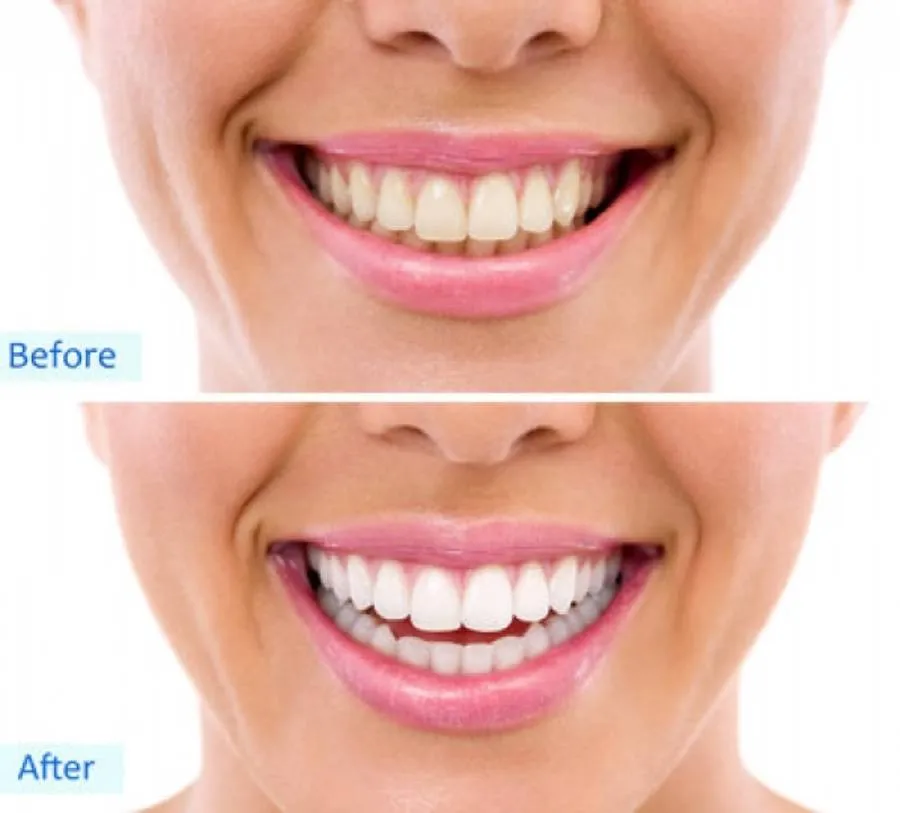
Understanding Teeth Whitening and Eating
Teeth whitening is a popular cosmetic procedure that brightens your smile by removing stains and discoloration from your teeth. However, the effectiveness and longevity of your whitening treatment depend significantly on your diet and eating habits after the procedure. Understanding the relationship between teeth whitening and your diet is crucial for achieving the best results and maintaining them. This guide provides essential rules and tips for what you should eat and drink after whitening your teeth, ensuring you can enjoy a brighter, healthier smile for longer. Following these guidelines will not only protect your investment in teeth whitening but also contribute to your overall oral health.
The Science Behind Teeth Whitening
Teeth whitening works by using bleaching agents, typically hydrogen peroxide or carbamide peroxide, to penetrate the enamel and break down the stain molecules. This process makes the teeth appear whiter. After whitening, the enamel’s pores are more susceptible to staining. The bleaching agents temporarily increase the porosity of the enamel, making it easier for color pigments from food and drinks to penetrate the tooth structure. Therefore, what you eat and drink immediately after whitening can significantly impact the final result. This is why adhering to a specific diet plan following the procedure is so important to avoid re-staining your teeth and compromising your whitening results.
How Whitening Affects Tooth Porosity

During the teeth whitening process, the enamel becomes temporarily more porous. The whitening agents open up the pores in your teeth to lift away stains, but this also makes your teeth more vulnerable to absorbing new stains from food and beverages. The increased porosity means that the enamel can easily absorb pigments from colored substances. This increased sensitivity lasts for a certain period, usually a few days to a week. During this time, it’s crucial to avoid foods and drinks that can stain your teeth. Following the guidelines outlined in this guide will help you maintain your bright smile by preventing new stains from setting into the teeth.
The Importance of Diet After Whitening
Your diet plays a pivotal role in how long your teeth whitening results last. The foods and drinks you consume after the procedure can either maintain your bright smile or quickly reverse the effects. Staining foods and drinks can easily seep into the porous enamel and cause discoloration. Conversely, a carefully chosen diet can help protect your teeth and prolong the whitening effects. By making smart food choices and avoiding staining agents, you not only preserve the results of your teeth whitening treatment but also support your overall oral health. A well-planned diet complements the whitening process, ensuring your smile stays radiant for an extended period.
Top 5 Rules for Eating After Teeth Whitening
To maximize the benefits of your teeth whitening treatment, it is important to follow some simple rules. These rules are designed to protect your newly whitened teeth from staining and ensure the longevity of your bright smile. Here are the top 5 rules to follow for eating after teeth whitening. Adhering to these rules will help you enjoy your radiant smile for as long as possible, while also supporting your overall oral health.
Rule 1 Avoiding Staining Foods and Drinks

The primary rule for maintaining your post-whitening results is to avoid foods and drinks that can stain your teeth. This means steering clear of items that contain strong pigments. These pigments can easily penetrate the porous enamel and cause discoloration. This is especially critical in the first few days after the procedure when your teeth are most vulnerable. By avoiding staining substances, you are protecting your newly whitened teeth from absorbing color and ensuring that your smile remains bright and vibrant. Making smart choices about what you consume is the first step towards preserving the results of your teeth whitening treatment.
Foods and Drinks to Avoid Immediately
Immediately after your teeth whitening treatment, the best approach is to adhere to a strict white diet. This means avoiding all foods and drinks that have strong colors. Coffee, tea, red wine, and dark-colored juices are major culprits, as they contain pigments that can easily stain your teeth. Also, steer clear of soda, as it is both acidic and often contains dark colorings. Other foods to avoid include berries, tomato-based sauces, soy sauce, and anything that could potentially stain a white shirt. Sticking to this rule for the first 24 hours sets the foundation for maintaining your whitening results.
Foods and Drinks to Avoid for the First 24-72 Hours
After the initial 24 hours, it’s still essential to be cautious about what you eat and drink. Continue to avoid highly pigmented foods and drinks for at least 72 hours. This includes items like beets, curries, and any heavily colored sauces. Even seemingly harmless foods like chocolate can contribute to staining. It’s best to err on the side of caution. Staying vigilant for these crucial days will help ensure that your teeth remain bright. Gradually, you can reintroduce certain foods, but always be mindful of their potential to stain.
Rule 2 The Waiting Game How Long to Wait

One of the most common questions after teeth whitening is how long you need to wait before eating or drinking anything other than water. The answer depends on several factors, but generally, the longer you wait, the better. This waiting period gives your teeth time to stabilize and reduce the risk of staining. The initial few hours are the most critical, as your teeth are most susceptible to absorbing stains. Following recommended waiting times will significantly impact how well your whitening results are maintained.
Recommended Waiting Times
Dentists usually recommend waiting at least 2 hours after your whitening treatment before consuming anything other than water. Ideally, you should wait longer, such as 24 hours, to consume any foods or drinks that are not part of the white diet. This extended period allows the enamel to settle and reduces the risk of staining. Always adhere to the specific instructions provided by your dentist, as their recommendations are tailored to your specific treatment and individual circumstances. Patience during this phase is key to preserving the brilliance of your newly whitened smile.
Factors Influencing Waiting Time
Several factors can influence how long you should wait to eat after teeth whitening. The type of whitening treatment you had plays a role. In-office whitening treatments often have different aftercare instructions compared to at-home kits. The intensity of the treatment matters; stronger whitening agents might require a longer waiting period. Also, individual tooth sensitivity can affect the recommended waiting time. If your teeth are more sensitive, your dentist may advise a longer wait. Always consult your dentist for personalized advice based on your specific treatment and dental condition.
Rule 3 Safe Food Choices What to Eat

While avoiding staining foods is crucial, you still need to eat! The good news is that many safe food choices will not compromise your whitening results. Focusing on these safe options helps you maintain your diet while ensuring your newly whitened teeth remain stain-free. A well-planned menu can be both delicious and beneficial for preserving the brilliance of your smile. Prioritize these options to protect your investment in teeth whitening while still enjoying your meals.
Foods That Are Safe to Consume Immediately
Immediately after your treatment, you should stick to a strict white diet. This includes foods like white rice, plain pasta, and skinless chicken or turkey. Dairy products like milk, yogurt (without added colors or fruit), and cheese are also great options. Avoid any sauces or seasonings that could potentially stain your teeth. The key is to choose foods that are light-colored and free of strong pigments. Sticking to this limited but safe selection is ideal for the first few hours following the procedure.
Foods That Are Safe After 24 Hours
After the initial 24 hours, you can gradually reintroduce some other foods into your diet. However, you should still be cautious. Continue to favor light-colored foods. You may add white fish, tofu, and clear broths. Some fruits, like bananas and peeled apples, are generally considered safe. Avoid dark-colored sauces and spices, and when in doubt, choose lighter options. Paying attention to your food choices helps you maintain the results of your teeth whitening and enjoy a wider variety of foods without risking stains.
Rule 4 Hydration Drinking Safely

Staying hydrated is important for your overall health, and it plays a crucial role in maintaining the results of your teeth whitening. However, not all drinks are created equal. Some can quickly stain your teeth and reverse the effects of your whitening treatment. This guide provides the safest options for hydration post-whitening, ensuring you stay hydrated without compromising the brightness of your smile.
Safe Drink Options
The best drink option after teeth whitening is water. It’s essential for staying hydrated without any risk of staining. Milk is another safe option. Clear, non-carbonated beverages like clear soda can also be consumed in moderation. Always choose light-colored, clear drinks to protect the brilliance of your teeth. Staying hydrated while using safe drink choices ensures you get the best results from your teeth whitening procedure.
Drinks to Avoid
Drinks to avoid are those with strong pigments that can stain your teeth. This includes coffee, tea, red wine, dark juices, and colas. These drinks contain pigments that easily penetrate the porous enamel of your teeth, leading to discoloration. Avoid these beverages, at least in the first few days, to maintain the results of your teeth whitening. Be mindful of what you drink and choose clear alternatives to safeguard your bright smile.
Rule 5 Post-Whitening Maintenance for Long-Lasting Results

Maintaining your bright smile requires consistent care beyond just the initial diet guidelines. Practicing good oral hygiene and attending regular dental check-ups will help to ensure that your teeth remain white and healthy. Following these maintenance tips will help you enjoy a long-lasting and radiant smile. Implementing these practices will not only maintain your results but will also boost your overall oral health.
Oral Hygiene Practices
Proper oral hygiene is key to maintaining your teeth whitening results. Brush your teeth at least twice a day, using a soft-bristled toothbrush and a whitening toothpaste. Floss daily to remove food particles and plaque from between your teeth. Consider using a mouthwash specifically designed for whitening to help keep your teeth bright. Avoiding smoking and chewing tobacco is critical, as these habits can cause significant staining. Maintaining a consistent oral hygiene routine helps to remove surface stains and keeps your smile looking its best.
Regular Dental Check-ups
Regular dental check-ups and cleanings are essential for maintaining your teeth whitening results. Your dentist can professionally clean your teeth, removing any surface stains that might have developed. They can also assess the overall health of your teeth and gums and identify any potential issues. Regular visits allow your dentist to offer professional advice on maintaining your bright smile and provide touch-up whitening treatments if needed. Following your dentist’s recommendations will ensure the longevity of your whitening results and support your overall oral health.