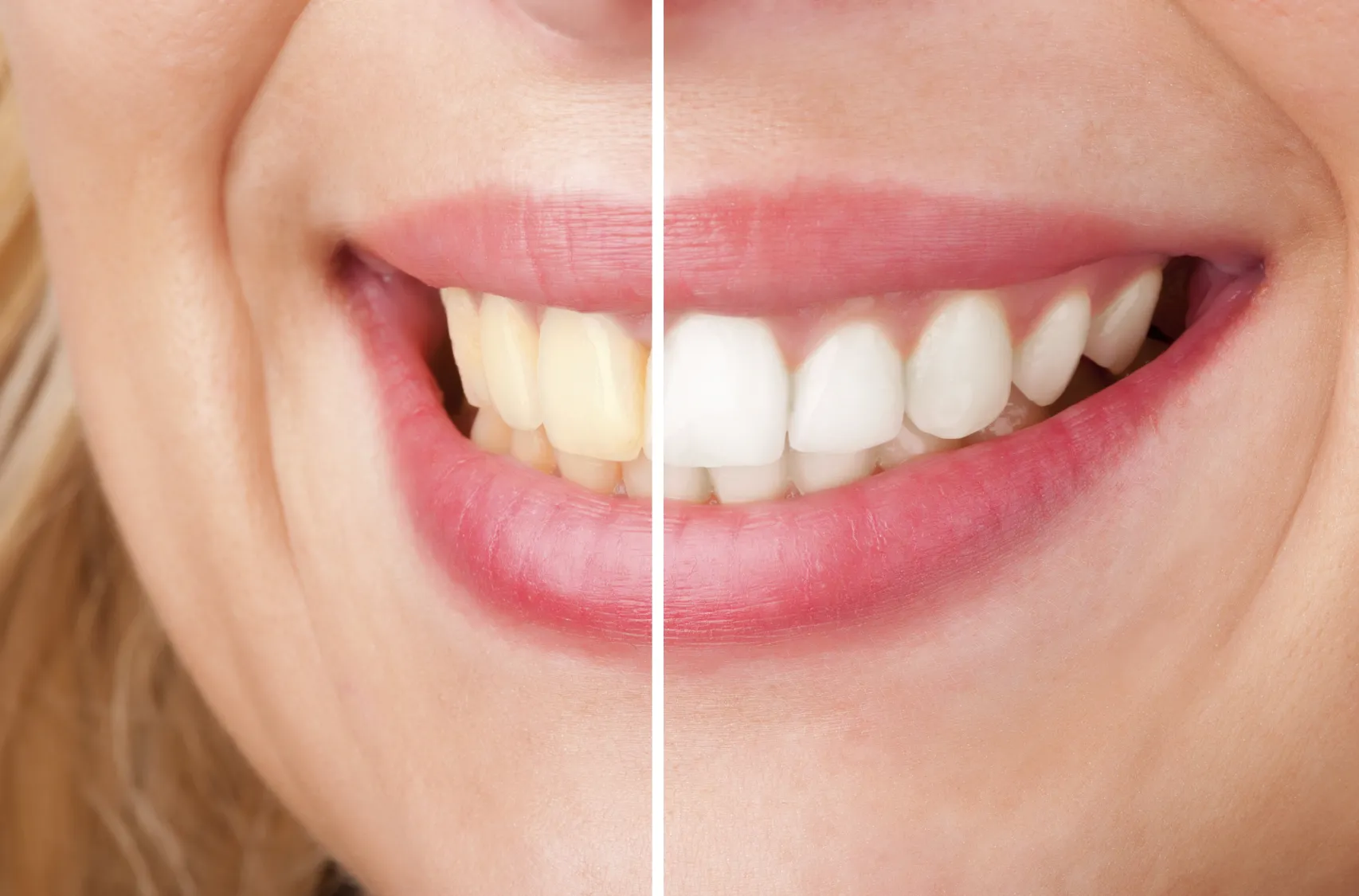
What is Tooth Enamel
Tooth enamel is the hard, protective outer layer of your teeth. It is the most mineralized substance in your body, primarily composed of calcium phosphate. This strong outer shell serves as the first line of defense against decay, protecting the sensitive inner layers of the tooth, such as the dentin and pulp, from the harsh effects of acids, bacteria, and physical damage. Its primary function is to enable you to chew and grind food, enabling proper digestion. Enamel’s translucent nature also contributes to the overall appearance of your smile, as it allows light to pass through, reflecting the color of the underlying dentin. Its durability is critical to maintaining a healthy and functional mouth.
Importance of Enamel for Oral Health
The health of your enamel is paramount to your overall oral health. It acts as a barrier against the constant bombardment of bacteria and acids present in your mouth, which are major contributors to tooth decay. When enamel is weakened or eroded, it can no longer effectively protect the underlying dentin and pulp, making your teeth more vulnerable to cavities and infections. Furthermore, healthy enamel contributes significantly to your teeth’s structural integrity. It provides the necessary strength to withstand the forces of chewing and biting. Damage to the enamel, such as cracks or chips, can lead to sensitivity, pain, and an increased risk of tooth loss. Therefore, preserving your enamel is a fundamental aspect of maintaining a healthy, functional, and aesthetically pleasing smile.
Understanding Teeth Whitening

Teeth whitening is a popular cosmetic dental procedure designed to lighten the shade of your teeth and remove stains or discoloration. The process typically involves the use of bleaching agents, usually hydrogen peroxide or carbamide peroxide, which penetrate the enamel to break down the stain molecules. This results in a brighter, whiter smile. There are various teeth whitening methods available, ranging from professional treatments administered by dentists to over-the-counter products like whitening strips and toothpastes. Each method has its own set of advantages and disadvantages, including the concentration of the whitening agent, the duration of the treatment, and the potential for side effects. The choice of method often depends on the individual’s needs, the severity of the discoloration, and budget.
How Teeth Whitening Works
The core mechanism of teeth whitening revolves around the chemical reaction caused by the bleaching agents. These agents, primarily hydrogen peroxide or carbamide peroxide, break down into oxygen molecules when applied to the teeth. These oxygen molecules then penetrate the porous enamel surface and react with the stain molecules embedded within. Through a process of oxidation, the stain molecules are broken down, effectively dissolving the discoloration and lightening the overall appearance of the teeth. The concentration of the bleaching agent and the duration of its application are key factors influencing the effectiveness of the whitening process. Professional treatments often use higher concentrations, leading to faster results, while at-home products typically contain lower concentrations, offering a gentler, albeit slower, whitening effect. The goal is always to achieve a brighter smile while minimizing any potential damage to the enamel or the surrounding tissues.
The Potential Damage of Teeth Whitening
While teeth whitening can dramatically improve the appearance of your smile, it’s essential to be aware of the potential risks involved. The active bleaching agents, if used improperly or excessively, can cause a range of adverse effects. These include tooth sensitivity, gum irritation, and in more severe cases, damage to the enamel. The degree of damage often depends on the concentration of the whitening agent, the duration of its use, and the individual’s oral health. Over-the-counter products, if not used as directed, can pose a risk, and even professional treatments require careful consideration to minimize potential harm. Understanding these risks is crucial to making an informed decision about whether teeth whitening is right for you and how to approach it safely. Consulting with a dentist is crucial to assess your oral health and determine the most appropriate and safest whitening method.
Enamel Erosion from Whitening
One of the primary concerns associated with teeth whitening is the potential for enamel erosion. While enamel is a highly resilient substance, repeated or improper use of strong bleaching agents can weaken its structure. This erosion process involves the gradual wearing away of the enamel, making the teeth more porous and susceptible to staining, sensitivity, and decay. The extent of enamel erosion depends on several factors, including the concentration of the bleaching agent, the duration of its application, and the frequency of treatments. Overuse of whitening products can lead to significant enamel loss over time. Once enamel is eroded, it cannot be fully restored, highlighting the importance of careful usage and preventative measures. Dentists often recommend using fluoride treatments to help remineralize the enamel and protect against further erosion.
Sensitivity Issues
Tooth sensitivity is a common side effect of teeth whitening. This occurs when the bleaching agents penetrate the enamel and reach the dentin, the layer beneath the enamel that contains the tooth’s nerve endings. As a result, individuals may experience sharp, temporary pain or discomfort when consuming hot, cold, sweet, or acidic foods or drinks. The severity of sensitivity varies from person to person, depending on factors such as the concentration of the whitening agent, the condition of the enamel, and individual pain thresholds. In most cases, the sensitivity is temporary and subsides within a few days or weeks after the whitening treatment is completed. Dentists often recommend using desensitizing toothpaste containing potassium nitrate or fluoride to alleviate sensitivity. Avoiding excessively hot or cold foods and drinks during and immediately after whitening can also help minimize discomfort. If sensitivity persists or becomes severe, it’s important to consult with a dentist.
Other Side Effects of Teeth Whitening
In addition to enamel erosion and sensitivity, teeth whitening can have other side effects. Gum irritation or inflammation, also known as gingivitis, is another common issue. The bleaching agents can irritate the soft tissues of the gums, causing redness, swelling, and tenderness. This is especially true if the whitening product comes into contact with the gums during application. Another potential side effect is the uneven whitening of teeth. This can occur if the whitening agent doesn’t reach all areas of the tooth surface equally or if the teeth have existing fillings, crowns, or veneers, which do not respond to the whitening process. In rare cases, individuals may experience allergic reactions to the whitening agents. For these reasons, it’s crucial to choose a whitening method that is appropriate for your individual needs and to follow all instructions carefully.
Top 5 Things to Know About Teeth Whitening Damage

- Enamel Erosion: Overuse or improper use of whitening agents can weaken and erode the enamel, making teeth more susceptible to sensitivity, staining, and decay.
- Tooth Sensitivity: A common side effect, tooth sensitivity occurs when the bleaching agents reach the dentin, causing temporary discomfort when consuming hot or cold foods and drinks.
- Gum Irritation: The bleaching agents can irritate the gums, leading to redness, swelling, and tenderness. Proper application and avoiding contact with the gums are crucial.
- Uneven Whitening: Existing dental work like fillings or crowns will not whiten, which can lead to an uneven appearance of your smile.
- Professional Consultation: Always consult a dentist before teeth whitening to assess your oral health and determine the safest and most effective whitening method for you.
Considerations Before Whitening
Before undergoing teeth whitening, several considerations are crucial. A thorough dental examination by a dentist is essential to determine if you are a good candidate for the procedure. This involves assessing your overall oral health, including the condition of your teeth and gums. It’s important to address any existing dental issues, such as cavities or gum disease, before whitening. The dentist will also evaluate the cause of the discoloration and advise you on the most suitable whitening method based on your individual needs and the severity of the stains. Another important consideration is your expectations. Realistic expectations are key to being satisfied with the results of the whitening. Teeth whitening can lighten your teeth, but it may not achieve the exact shade you desire. Discuss your goals with your dentist to ensure that your expectations align with the potential outcomes.
Choosing the Right Whitening Method
Selecting the appropriate teeth whitening method is crucial for achieving the desired results while minimizing potential risks. There are several options available, each with its own advantages, disadvantages, and level of effectiveness. Professional in-office whitening, performed by a dentist, typically involves the use of high-concentration bleaching agents and can provide dramatic results in a single visit. Custom-fitted trays for take-home whitening kits are another option, where the dentist provides custom trays and a bleaching gel to be used at home. Over-the-counter whitening products, such as strips and toothpastes, are readily available but often contain lower concentrations of bleaching agents, which may lead to slower results. Your dentist can help you weigh the pros and cons of each option and recommend the best method based on your oral health, the degree of discoloration, and your personal preferences. They can also guide you on the proper use of the chosen method to minimize the risk of damage to your enamel.
Professional Whitening vs. DIY Kits

The choice between professional teeth whitening and DIY kits depends on several factors, including your budget, the desired results, and your overall oral health. Professional whitening, performed by a dentist, offers the advantage of stronger bleaching agents and professional expertise. This can lead to faster and more effective results. Dentists can also assess your oral health and ensure the whitening is safe and suitable for your teeth and gums. DIY kits, on the other hand, are generally less expensive and more convenient, as they can be used at home. However, they often contain lower concentrations of bleaching agents, which may result in slower and less dramatic whitening. There is also an increased risk of misuse or improper application with DIY kits, which can potentially lead to enamel erosion or gum irritation. If you’re considering DIY whitening, it’s essential to consult with your dentist first to ensure it’s a safe and appropriate option for you and to receive guidance on proper usage.
How to Protect Your Enamel During Whitening
Protecting your enamel during teeth whitening is vital to minimize potential damage and maintain your oral health. One of the most important steps is to follow the instructions provided by your dentist or the manufacturer of the whitening product carefully. Avoid using excessive amounts of the bleaching agent or leaving it on your teeth for longer than recommended. Using a desensitizing toothpaste containing potassium nitrate or fluoride for a few weeks before and during the whitening process can help reduce sensitivity and protect your enamel. Limiting the consumption of acidic foods and drinks, such as citrus fruits, soda, and vinegar, can help minimize enamel erosion. Also, schedule regular dental check-ups and cleanings to monitor your oral health and ensure your enamel remains strong and healthy. During these check-ups, your dentist can provide professional advice and recommend fluoride treatments to help remineralize and strengthen your enamel.
Aftercare for Teeth Whitening
Proper aftercare is crucial for maintaining the results of your teeth whitening and protecting your enamel. Avoid consuming foods and drinks that can stain your teeth for at least a week after whitening. These include coffee, tea, red wine, berries, and dark-colored sauces. Using a whitening toothpaste can help maintain the brightness of your smile. Brushing and flossing regularly is essential to remove plaque and bacteria, which can contribute to staining. Consider using a straw when drinking beverages that can stain your teeth, and rinse your mouth with water after consuming potentially staining foods or drinks. If you experience any sensitivity, use a desensitizing toothpaste and consult with your dentist. Regular dental check-ups and cleanings are also important to maintain your oral health and the results of your whitening treatment.
Maintaining Oral Health After Whitening

Maintaining good oral hygiene is key to long-term oral health and preserving the results of your teeth whitening. Brush your teeth at least twice a day for two minutes each time, using a fluoride toothpaste. Floss daily to remove plaque and food particles from between your teeth and under the gum line. Regular dental check-ups and professional cleanings are essential to monitor your oral health and remove any stains or plaque that may have accumulated. Follow a balanced diet and limit your consumption of sugary and acidic foods and drinks, which can erode enamel and contribute to staining. Avoid smoking and chewing tobacco, which can significantly stain your teeth and damage your oral health. By adhering to these oral hygiene practices, you can help maintain your bright, healthy smile long after your teeth whitening treatment.
When to See a Dentist
It’s important to know when to seek professional dental help. If you experience any unusual or persistent tooth sensitivity or pain after teeth whitening, consult your dentist immediately. Sensitivity lasting longer than a few weeks may indicate underlying enamel damage. If you notice any changes in the color or texture of your teeth, such as increased transparency or the appearance of cracks, make an appointment with your dentist. These could be signs of enamel erosion. Regular dental check-ups and cleanings are also essential, even if you haven’t had any teeth whitening. Your dentist can assess your oral health, identify any potential problems early on, and provide appropriate treatment. If you’re considering teeth whitening, always consult your dentist first to determine if it’s a suitable option for you and to discuss any potential risks and benefits.
Signs of Enamel Damage
Recognizing the signs of enamel damage is critical for early intervention and preventing further deterioration. Increased tooth sensitivity to hot, cold, sweet, or acidic foods and drinks is often one of the first indicators of enamel erosion. This sensitivity can range from mild discomfort to sharp pain. Changes in the appearance of your teeth, such as increased transparency, cracks, chips, or a rough texture, can also signal enamel damage. If you notice any of these signs, it’s essential to consult with your dentist promptly. They can assess the extent of the damage and recommend appropriate treatments, such as fluoride treatments, dental fillings, or in more severe cases, dental crowns, to protect your teeth and restore their function and appearance. Early detection and intervention can help prevent more serious dental problems.
Alternatives to Teeth Whitening

If you’re concerned about the potential risks of teeth whitening or if it’s not suitable for you, various alternatives are available to improve the appearance of your smile. Dental veneers are thin, custom-made shells that cover the front surface of your teeth, providing a brighter, more uniform appearance. Veneers can also correct other cosmetic issues, such as chips, cracks, or gaps. Teeth bonding involves applying a tooth-colored resin to the teeth to repair chips, cracks, or discoloration. This is a less invasive and more affordable option than veneers. Professional dental cleaning removes surface stains and plaque, improving the overall brightness of your teeth. Maintaining good oral hygiene, including regular brushing, flossing, and professional cleanings, can also help prevent staining and maintain the natural whiteness of your teeth. Discuss these alternatives with your dentist to determine the best option for your individual needs and goals.