Understanding Teeth Whitening Costs
The desire for a brighter, more radiant smile is a common one, and teeth whitening has become a popular cosmetic procedure. However, one of the first questions many people ask is, “How much does teeth whitening cost?” The answer, unfortunately, isn’t a simple one, as the price of teeth whitening can vary significantly based on a multitude of factors. This guide will delve into the specifics of teeth whitening costs, helping you understand the different options available, the associated expenses, and how to make an informed decision about achieving your perfect smile. From professional treatments in a dentist’s office to at-home kits, we’ll break down the costs associated with each and offer valuable insights into making the best choice for your needs and budget.
Factors Influencing Teeth Whitening Prices
Several key factors influence the cost of teeth whitening. Understanding these elements is crucial for estimating the overall expense. The most significant factor is the type of whitening treatment you choose, whether it’s a professional in-office procedure or an at-home kit. Additionally, the dentist’s location, the specific whitening products used, and any additional services or treatments required can all impact the final price. Another factor to consider is the number of sessions needed to achieve the desired level of brightness. Some individuals may require multiple treatments, leading to increased costs. Moreover, the expertise and reputation of the dental practice or the brand of at-home products can also influence the price.
Type of Whitening Treatment

The primary determinant of teeth whitening cost is the type of treatment. There are two main categories: professional treatments performed by a dentist and at-home whitening kits available over-the-counter or prescribed by a dentist. Professional treatments typically involve a stronger whitening agent and are performed under controlled conditions, often resulting in faster and more dramatic results. At-home kits, on the other hand, offer a more budget-friendly option, but may require more time and consistency to achieve the desired outcome. The effectiveness and safety of each method also vary, which can affect your decision and the associated costs. The selection depends on your specific needs, preferences, and budget.
In-Office Whitening Cost
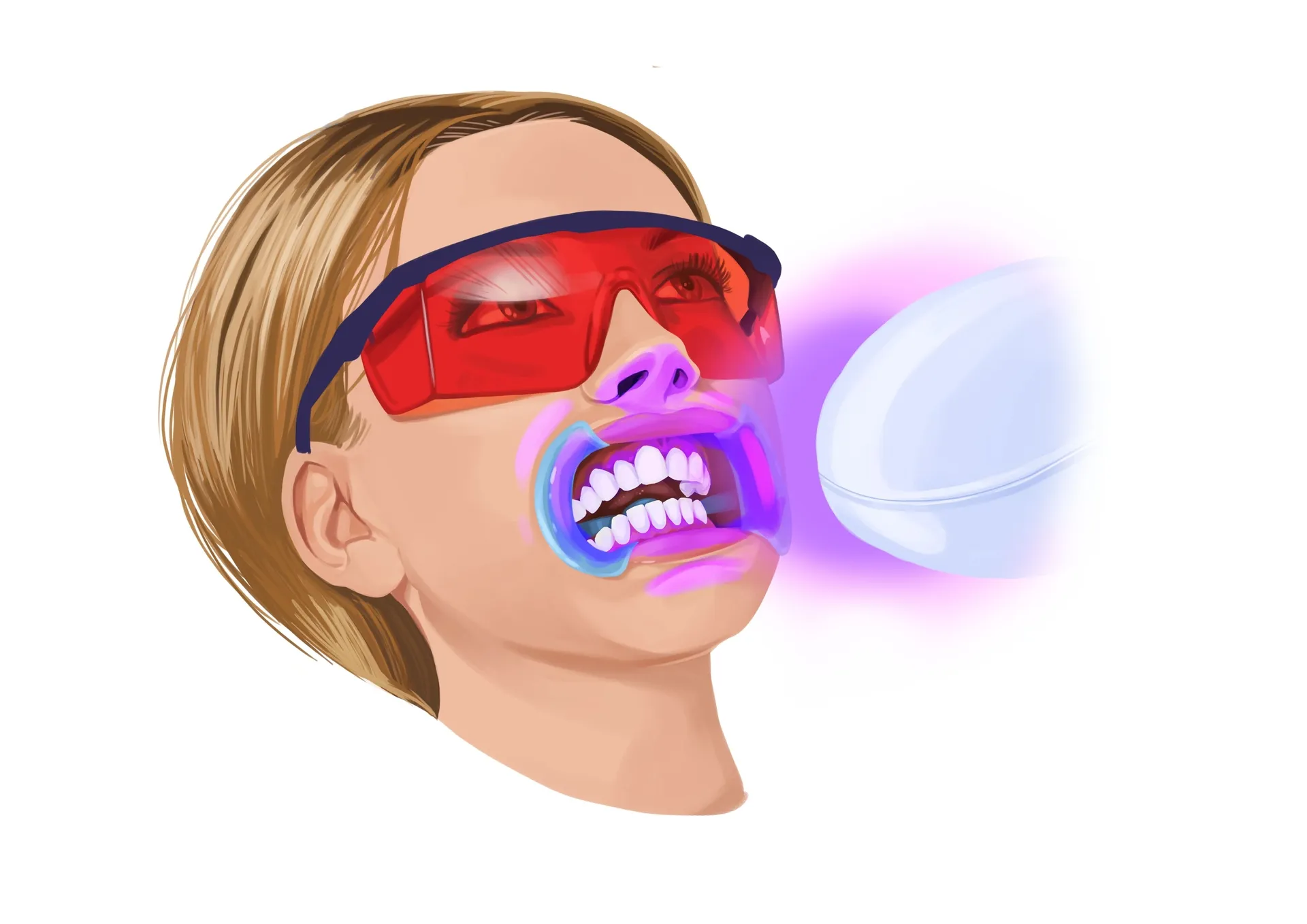
In-office teeth whitening is generally the most expensive option but often provides the most noticeable and immediate results. The cost can range from several hundred to over a thousand dollars per session, depending on the dentist’s location, the specific whitening system used, and the complexity of your case. The procedure typically involves the application of a high-concentration hydrogen peroxide gel to the teeth, which is then activated using a special light or laser. This process is carefully monitored by a dental professional to ensure safety and minimize any potential side effects. The price usually includes the cost of the whitening agent, the dentist’s time and expertise, and any pre-treatment procedures, such as a dental cleaning. Because of the higher costs, it’s important to discuss the expected results and potential risks with your dentist before proceeding.
At-Home Whitening Kits Cost
At-home whitening kits are a more affordable alternative to in-office treatments. These kits typically cost anywhere from a few dollars to a few hundred dollars, depending on the brand, the strength of the whitening agent, and whether they are over-the-counter or prescribed by a dentist. Over-the-counter kits, such as whitening strips and trays, are readily available at drugstores and online retailers. They contain lower concentrations of hydrogen peroxide and may require several weeks of consistent use to achieve noticeable results. Prescribed at-home kits, provided by your dentist, usually contain a stronger whitening agent and custom-fitted trays for a more precise application. While these kits are more expensive than over-the-counter options, they are generally more effective and may provide better results. Consider the time commitment and the potential results when assessing the cost of these options.
Professional vs. Over-the-Counter: Cost Comparison

Comparing the costs of professional teeth whitening and over-the-counter products is essential for making an informed decision. Professional treatments offer the advantage of faster results and the expertise of a dental professional. However, the costs associated with in-office whitening are considerably higher. Over-the-counter options, such as whitening strips and gels, are far more budget-friendly, but their effectiveness may vary, and the results may take longer to appear. When considering the cost, evaluate the time commitment, the expected results, and the level of professional supervision you desire. It is also worth factoring in the potential risks and benefits of each method, as well as your personal oral health goals. Weigh the pros and cons to find the best balance between cost and effectiveness for your needs.
Cost of Professional Teeth Whitening
Professional teeth whitening costs can range significantly, primarily due to the type of treatment and the location of the dental practice. As mentioned previously, in-office whitening procedures typically range from $500 to $1,000 or more per session. This cost usually includes the initial consultation, the whitening treatment itself, and any necessary follow-up care. Some dental practices offer package deals or payment plans to make the cost more manageable. It’s important to inquire about all potential costs upfront and to understand what is included in the price. Prices can also vary depending on the specific whitening system used by the dentist. Always consider your budget and your desired outcome when evaluating the cost of professional teeth whitening.
Cost of At-Home Whitening Products
The cost of at-home teeth whitening products varies greatly depending on the type and brand. Over-the-counter whitening strips and gels typically range from $20 to $100, offering a budget-friendly entry point. These products are readily available and easy to use, making them a convenient option for many. Custom-fitted whitening trays, often prescribed by a dentist, may cost between $100 to $500, which includes the cost of the trays and the whitening gel. Prescription-strength whitening gels are generally more effective than over-the-counter products, providing more significant and lasting results. When considering at-home whitening options, be sure to compare the prices of different products and evaluate their features, such as the concentration of the whitening agent and the application method, to choose the best solution for your budget.
Additional Costs to Consider

Beyond the basic cost of teeth whitening, there are often additional expenses to consider. These can include consultation fees, the cost of pre-treatment procedures, and the price of maintenance products. Understanding these additional costs can help you budget accurately for the entire teeth whitening process. For example, some dentists may charge a consultation fee to assess your oral health and determine your suitability for teeth whitening. Other potential expenses include the cost of professional dental cleaning, necessary before whitening to remove surface stains and improve results. Additionally, you may need to purchase maintenance products, such as whitening toothpaste or touch-up kits, to prolong the effects of your whitening treatment. Considering all these costs is crucial for creating a comprehensive budget.
Consultation Fees
Many dental practices charge a consultation fee for an initial examination and assessment before any teeth whitening procedure. This fee covers the dentist’s time and expertise in evaluating your oral health, discussing your goals, and determining the best course of treatment. The cost of a consultation can vary depending on the practice and the scope of the examination. It’s a good idea to inquire about the consultation fee when you schedule your appointment. This will help you understand the total cost of the process and avoid any unexpected charges. The consultation is an important step in ensuring that teeth whitening is safe and appropriate for your individual needs.
Maintenance and Follow-up
After your teeth whitening treatment, you’ll likely need to invest in maintenance to preserve your brighter smile. This might include purchasing whitening toothpaste, mouthwash, or touch-up kits to use at home. These products can help maintain the results of your treatment and prevent new stains from forming. The cost of maintenance products will vary depending on the brand and the frequency of use. In addition to at-home maintenance, some dentists recommend periodic follow-up appointments to monitor your results and provide additional whitening treatments if needed. The cost of these follow-up appointments will also depend on the dentist’s fees. Therefore, including maintenance costs in your budget is essential for achieving long-lasting results.
Geographical Location Impact on Cost

The cost of teeth whitening can vary significantly depending on your geographical location. Dental practices in metropolitan areas or regions with a higher cost of living often charge more for their services compared to practices in smaller towns or rural areas. This is due to factors such as higher rent, labor costs, and other overhead expenses. It is, therefore, worthwhile to research the prices of teeth whitening treatments in your area to understand the local market. Comparing prices from multiple dental practices can help you find the best value. If you live in a region with high prices, you might consider seeking treatment in a nearby area with lower costs. Make sure to factor in travel costs when comparing the overall expenses.
Teeth Whitening Cost in Different Regions
The cost of teeth whitening can vary widely across different regions. Major cities and urban areas often have higher prices than smaller towns or rural communities. For example, the cost of in-office teeth whitening in a major metropolitan area might be considerably higher than in a smaller town. Similarly, the cost of at-home whitening kits could also vary depending on the local market. When researching teeth whitening costs, it’s essential to consider the pricing trends in your specific geographic area. Online searches, local dental directories, and contacting several dental practices can provide valuable insights. Comparing the costs of different treatments, considering the quality of service, and reading reviews from other patients can help you make an informed decision and find the best value for your teeth whitening needs.
Tips for Saving on Teeth Whitening
If you’re looking to whiten your teeth without breaking the bank, there are several strategies you can use to save money. Researching and comparing prices is one of the most effective methods. Shopping around and obtaining quotes from multiple dental practices can help you find the best deal. In addition, consider different whitening options, such as at-home kits, which are generally more affordable than in-office treatments. Another strategy is to look for special offers, promotions, and discounts offered by dental practices. Many practices offer discounts during certain times of the year or for new patients. Lastly, you can also explore financing options or payment plans to make the cost of teeth whitening more manageable. By implementing these tips, you can make your dream of a brighter smile a reality while staying within your budget.
Comparing Prices and Treatments

Comparing prices and treatments is essential to ensure you get the best value for your money. Get quotes from several dental practices and compare the costs of their various whitening options, including in-office treatments and take-home kits. In addition to the price, consider the type of whitening system used, the dentist’s experience, and any additional services included in the price. Also, compare the expected results, the treatment duration, and the potential side effects of different options. Many dental practices offer free consultations, which can be an excellent opportunity to get personalized advice and treatment estimates. Carefully consider all these factors to make an informed decision and choose the teeth whitening treatment that best meets your needs and budget.
Finding Deals and Discounts
Many dental practices offer deals and discounts on teeth whitening treatments. Taking advantage of these can significantly reduce the overall cost. Look for seasonal promotions, new patient specials, or package deals that include teeth whitening along with other dental services. Some practices also offer financing options or payment plans to make the cost of treatment more manageable. Checking dental practice websites and social media pages is a good way to discover current offers. In addition, you can often find discounts through dental insurance or other benefit programs. By actively seeking out deals and discounts, you can make teeth whitening more affordable and achieve a brighter smile without exceeding your budget.
Is Teeth Whitening Worth the Cost?
Deciding whether teeth whitening is worth the cost depends on your personal priorities, your budget, and your expectations. For many people, a brighter smile can boost self-confidence and improve their overall appearance. Teeth whitening can be a worthwhile investment if you believe it will enhance your self-esteem and positively affect your social or professional life. However, it’s important to consider the potential drawbacks and risks of teeth whitening, such as tooth sensitivity or gum irritation. It’s essential to weigh the costs against the benefits and determine if the investment aligns with your financial goals. Make sure you consult with your dentist to understand the process, the expected results, and potential risks before making your decision.
Benefits of Teeth Whitening

The benefits of teeth whitening extend beyond just aesthetics. A brighter smile can significantly enhance your self-confidence and positively impact your social interactions and professional life. Research shows that people with whiter teeth are often perceived as more attractive, friendly, and successful. Teeth whitening can also reverse the effects of stains caused by aging, smoking, or consuming staining foods and drinks, such as coffee and tea. In some cases, it can even motivate people to maintain better oral hygiene habits, leading to overall improved dental health. If you value the emotional and psychological benefits of a brighter smile and are willing to invest in your appearance, teeth whitening might be a valuable and fulfilling option.
Potential Drawbacks and Risks
While teeth whitening offers many benefits, it’s essential to be aware of potential drawbacks and risks. The most common side effect is tooth sensitivity, which can range from mild to moderate and usually subsides shortly after the treatment. Gum irritation is another possible side effect, especially if the whitening agent comes into contact with the gums. In rare cases, overuse of whitening products can lead to more serious issues, such as damage to tooth enamel or chemical burns. It’s essential to follow the dentist’s instructions carefully and to avoid overusing at-home whitening products. People with certain dental conditions, such as cavities or gum disease, might not be suitable candidates for teeth whitening. Consulting with your dentist is always recommended to determine if teeth whitening is right for you and to address any potential risks.