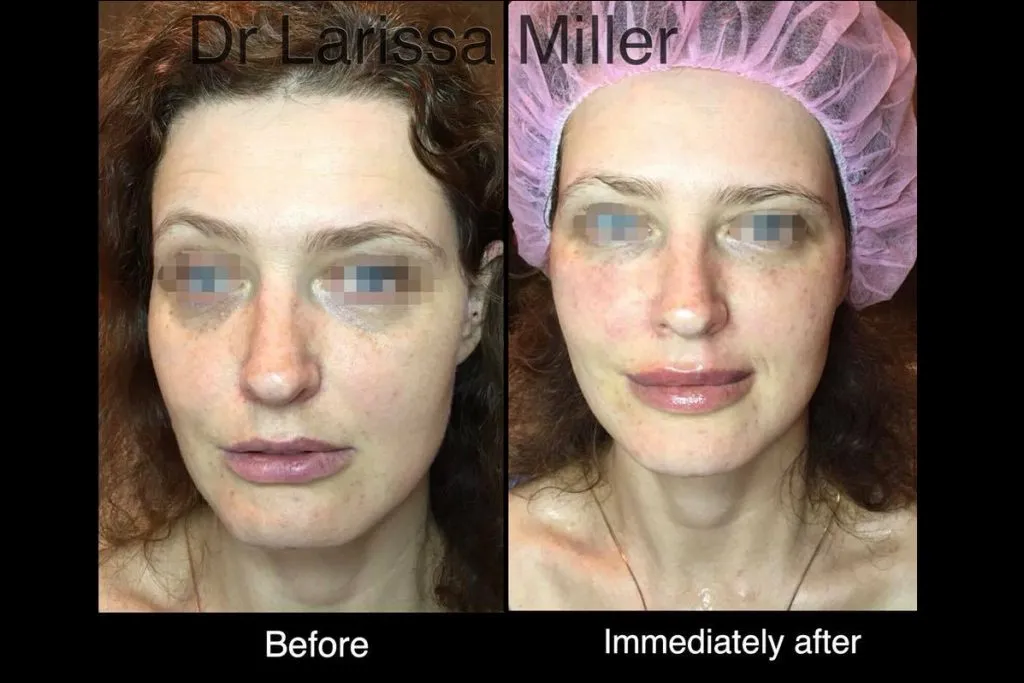
Understanding Skin Whitening What You Need to Know
Skin whitening, or skin lightening, is a cosmetic procedure aimed at reducing the melanin concentration in the skin to give it a lighter appearance. Melanin is the pigment responsible for skin color, and its production can be influenced by various factors, including genetics, sun exposure, and hormonal changes. While skin whitening is a common practice in many cultures, it’s essential to approach it with a clear understanding of the process, potential risks, and the importance of consulting with healthcare professionals. The motivations behind skin whitening vary from personal preference to addressing hyperpigmentation issues like dark spots, acne scars, or uneven skin tone. Before embarking on any skin whitening journey, it is crucial to be well-informed and consult with a dermatologist to ensure the methods used are safe and suitable for your skin type.
Types of Skin Whitening Treatments
The world of skin whitening offers a diverse range of treatments, each with its own mechanisms, benefits, and potential drawbacks. These treatments can be broadly categorized into topical applications, professional procedures, and, in some cases, oral medications. The choice of treatment depends on individual skin type, the specific concerns being addressed, and the desired outcome. It’s critical to remember that not all treatments are suitable for everyone and that consulting a dermatologist is crucial to determine the most appropriate approach for your skin. The effectiveness of each treatment can also vary, and results may not always be immediate or permanent. Understanding the different types of treatments available is the first step towards making informed decisions about your skin care journey.
Topical Creams and Serums for Skin Whitening

Topical creams and serums are often the first line of defense in skin whitening, offering a convenient and readily accessible solution. These products typically contain active ingredients designed to inhibit melanin production, exfoliate the skin, or both. Common ingredients include hydroquinone, retinoids, vitamin C, kojic acid, and azelaic acid. Hydroquinone is a potent skin-lightening agent, but it can also cause side effects, such as skin irritation and ochronosis, a permanent darkening of the skin. Retinoids, derived from vitamin A, promote cell turnover and can help reduce hyperpigmentation. Vitamin C is a powerful antioxidant that can brighten the skin and protect against sun damage. Kojic acid and azelaic acid are also effective in reducing melanin production. However, the effectiveness of these creams and serums can vary, and consistent use is often required to see noticeable results. It’s crucial to read the labels carefully, understand the potential risks, and follow the instructions provided by the manufacturer or dermatologist. Always perform a patch test before applying a new product to a larger area of your skin.
The Science Behind Skin Whitening Ingredients
The effectiveness of skin whitening treatments hinges on the science behind their ingredients. These ingredients work by targeting different stages of melanin production, either by inhibiting the enzyme tyrosinase, which is essential for melanin synthesis, or by accelerating the shedding of pigmented skin cells. Hydroquinone, for example, acts as a tyrosinase inhibitor, while retinoids promote cell turnover, allowing lighter skin cells to come to the surface. Vitamin C is a potent antioxidant that can also inhibit tyrosinase and neutralize free radicals that contribute to skin damage. Kojic acid also inhibits tyrosinase, and azelaic acid reduces melanin production by inhibiting DNA and mitochondrial function in melanocytes. The concentration of these ingredients, the formulation of the product, and the skin type all influence the effectiveness of the treatment. Understanding how these ingredients work is important for setting realistic expectations and choosing the most suitable products for your specific needs. Consulting a dermatologist provides a deeper understanding and personalized advice.
Professional Procedures for Skin Whitening
Professional procedures offer more intensive and often more effective skin whitening treatments compared to topical products. These procedures are typically performed by dermatologists or trained professionals in a clinic setting. They can address deeper layers of the skin, leading to faster and more dramatic results. However, they also come with a higher risk of side effects and require a thorough understanding of the skin’s physiology and proper technique. These procedures often involve chemical peels, laser treatments, and microdermabrasion. The choice of procedure depends on the individual’s skin type, the severity of the hyperpigmentation, and the desired outcome. Each procedure has its own set of benefits, risks, and recovery time. Consulting with a dermatologist is essential before undergoing any professional skin whitening treatment to determine its suitability for your skin.
Chemical Peels for Skin Whitening

Chemical peels involve applying a chemical solution to the skin to exfoliate the outer layers, promoting cell turnover and revealing a lighter, more even complexion. The depth of the peel varies depending on the concentration of the chemical used, ranging from superficial to deep peels. Superficial peels, which use mild acids like alpha-hydroxy acids (AHAs), are used to treat mild hyperpigmentation and fine lines. Medium-depth peels, which use trichloroacetic acid (TCA), can address deeper pigmentation and moderate wrinkles. Deep peels, which are the most aggressive, use phenol and are generally reserved for severe cases. After a chemical peel, the skin may be red, sensitive, and peel for several days or weeks. The results can be impressive, but the risk of side effects, such as scarring, infection, and changes in skin pigmentation, increases with the depth of the peel. Proper aftercare, including sun protection, is essential for achieving the desired results and minimizing complications. Consult a dermatologist to determine the most appropriate peel type for your skin type and concerns.
Laser Treatments for Skin Whitening
Laser treatments utilize focused beams of light to target and break down melanin in the skin. Different types of lasers can be used, depending on the specific needs of the patient. Q-switched lasers are commonly used to treat hyperpigmentation, such as sunspots and age spots, while fractional lasers can improve skin texture and tone. The laser energy is absorbed by the melanin, causing it to shatter and be eliminated by the body’s natural processes. Laser treatments can offer precise and effective results, but they also carry risks, including hyperpigmentation, hypopigmentation, scarring, and infection. The cost of laser treatments can be significant, and multiple sessions are often needed to achieve the desired outcome. Proper aftercare is crucial to prevent complications and protect the treated skin. A dermatologist can assess your skin type and advise whether laser treatments are appropriate for you.
Microdermabrasion for Skin Whitening
Microdermabrasion is a minimally invasive procedure that exfoliates the skin using a stream of fine crystals or a diamond-tipped wand. This process removes the dead skin cells on the surface, revealing smoother, brighter skin and improving the penetration of topical products. While microdermabrasion can help lighten the skin, its effect is generally less dramatic than chemical peels or laser treatments. It is often used to treat mild hyperpigmentation, fine lines, and dull skin. The procedure is relatively quick, with minimal downtime, and is generally considered safe for most skin types. However, repeated sessions are often needed to maintain the results. The main side effects are mild redness and sensitivity, which typically resolve within a few hours or days. Microdermabrasion is often used in conjunction with other skin whitening treatments to enhance their effectiveness. Consult with a dermatologist or a trained aesthetician to determine if microdermabrasion is a good option for your skin.
Doctors Advice How to Choose the Right Treatment

Choosing the right skin whitening treatment can be a complex decision, and it’s essential to consult with a dermatologist or qualified skincare professional. The best treatment for you will depend on your skin type, the specific concerns you want to address, and your individual goals. During a consultation, your dermatologist will assess your skin, review your medical history, and discuss your expectations. They may recommend a combination of treatments to achieve the best results. Don’t be swayed by marketing claims or promises of quick fixes; instead, rely on the expert advice of a healthcare professional. They can help you understand the potential risks and benefits of each treatment and develop a safe and effective plan. Remember, patience is key; skin whitening treatments often take time to produce noticeable results. By working closely with your dermatologist, you can make informed decisions and achieve your desired outcome safely and effectively.
Considering Skin Type and Tone
Your skin type and tone play a crucial role in determining the suitability and effectiveness of skin whitening treatments. Different skin types, such as oily, dry, sensitive, or combination skin, react differently to various ingredients and procedures. For example, people with sensitive skin may be more prone to irritation from strong chemical peels or topical creams. Moreover, skin tone affects the types of treatments that are safe and effective. Individuals with darker skin tones are at higher risk of developing post-inflammatory hyperpigmentation, a condition where the skin darkens after an inflammatory response. Therefore, it is essential to choose treatments that are specifically designed for your skin tone and to take precautions to prevent hyperpigmentation. A dermatologist can assess your skin type and tone and recommend treatments that are less likely to cause adverse effects. Be honest about your skin history and any previous treatments you’ve tried when consulting your dermatologist to help them determine the best approach.
Consulting with a Dermatologist
Consulting with a dermatologist is the most critical step in any skin whitening journey. A dermatologist is a medical doctor specializing in skin health, and they can provide expert guidance on the safety, effectiveness, and suitability of different treatments for your specific skin. During a consultation, your dermatologist will examine your skin, discuss your concerns, and assess your overall health. They will then recommend the most appropriate treatment options based on your skin type, tone, and the nature of your concerns. They will also educate you about the potential risks and benefits of each treatment, as well as the necessary aftercare. It is essential to be honest and open with your dermatologist, providing them with a complete medical history and any previous treatments you’ve tried. They can also monitor your progress and adjust your treatment plan as needed. A dermatologist can help you set realistic expectations and avoid potentially harmful products or procedures. Regular check-ups with your dermatologist can also help monitor your skin’s health and address any concerns that may arise.
Realistic Expectations and Skin Whitening

Setting realistic expectations is crucial when embarking on a skin whitening journey. It’s important to understand that skin whitening is not a quick fix, and the results may not always meet your exact expectations. The effectiveness of the treatment varies from person to person, and factors such as skin type, the severity of the hyperpigmentation, and adherence to the treatment plan influence the outcome. It’s essential to discuss your expectations with your dermatologist and understand what is achievable. Skin whitening treatments can often improve skin tone and reduce hyperpigmentation, but they may not completely eliminate all imperfections. Also, it’s important to consider the long-term maintenance required to sustain the results. Avoid unrealistic promises or exaggerated claims made by some product manufacturers or clinics. Focus on achieving gradual and sustainable results. Remember, the goal is to improve your skin’s health and appearance, not to completely transform it. Be patient, persistent, and prioritize your skin’s health over immediate results.
Doctors Advice on Safety and Side Effects
Safety is a paramount concern in skin whitening, and it’s essential to be aware of the potential side effects and risks associated with different treatments. Many skin whitening products contain harsh chemicals that can cause irritation, inflammation, and other adverse reactions. Hydroquinone, a common ingredient in skin-lightening creams, can cause skin irritation, ochronosis, and even increase the risk of skin cancer if used improperly. Chemical peels and laser treatments also carry risks, including infection, scarring, and changes in skin pigmentation. Oral medications used for skin whitening can have systemic side effects. Always consult with a dermatologist to discuss the potential risks and benefits of any treatment before starting. Choose reputable products and clinics. Follow your dermatologist’s instructions carefully. Report any adverse reactions promptly. If you experience any signs of irritation, inflammation, or other concerning symptoms, stop using the product or treatment immediately and seek medical advice.
Risks Associated with Skin Whitening
Skin whitening carries inherent risks that should be carefully considered before undergoing any treatment. Some of the most common risks include skin irritation, redness, itching, and dryness. More serious risks can include skin thinning, increased sun sensitivity, and changes in skin pigmentation, such as hypopigmentation (lightening of the skin) or hyperpigmentation (darkening of the skin). In some cases, improper use of certain products or procedures can lead to permanent damage, such as scarring or ochronosis (a permanent darkening of the skin). Some skin whitening products may contain mercury, which is a toxic heavy metal that can cause serious health problems. When considering skin whitening, always consult a dermatologist and carefully research the products or procedures. Choose reputable clinics and always prioritize your skin’s health and safety.
Managing Side Effects

If you experience side effects from skin whitening treatments, it is crucial to take appropriate steps to manage them. The specific approach will depend on the type and severity of the side effects. For mild irritation or dryness, over-the-counter moisturizers and gentle cleansers may be sufficient. If you experience more severe reactions, such as redness, swelling, or blistering, consult your dermatologist immediately. They may prescribe topical corticosteroids or other medications to reduce inflammation and promote healing. Avoid using any products that may exacerbate the side effects. Protect your skin from sun exposure by wearing sunscreen and protective clothing. Follow your dermatologist’s instructions carefully. If your skin is sensitive to a particular ingredient, avoid products containing that ingredient. By managing side effects promptly and appropriately, you can minimize discomfort and promote healing. Remember to prioritize your skin’s health, and seek medical advice if you are concerned about any adverse effects.
Doctors Advice on Aftercare and Maintenance
Aftercare and maintenance are essential for achieving and sustaining the results of skin whitening treatments. The specific aftercare instructions will vary depending on the type of treatment you undergo. However, there are some general principles to follow. Protect your skin from sun exposure by wearing sunscreen with a high SPF, seeking shade, and wearing protective clothing. Avoid harsh skincare products that can irritate your skin. Use gentle cleansers and moisturizers to keep your skin hydrated. Follow your dermatologist’s recommendations for a skincare routine. Depending on the treatment, you may need to avoid certain activities or products for a period of time. Regular follow-up appointments with your dermatologist are essential to monitor your progress and adjust your treatment plan as needed. It’s also important to maintain a healthy lifestyle, including a balanced diet and regular exercise. By following these aftercare and maintenance guidelines, you can optimize your results and keep your skin healthy and radiant.
Protecting Your Skin from the Sun
Sun protection is absolutely critical in skin whitening. Sun exposure can trigger melanin production, which can undo the results of skin whitening treatments or worsen hyperpigmentation. Therefore, protecting your skin from the sun is one of the most important things you can do. Apply a broad-spectrum sunscreen with an SPF of 30 or higher every day, even on cloudy days. Reapply sunscreen every two hours, or more frequently if you are swimming or sweating. Seek shade during peak sun hours, typically between 10 AM and 4 PM. Wear protective clothing, such as long sleeves, pants, and a wide-brimmed hat. Avoid tanning beds and sunbathing. By consistently protecting your skin from the sun, you can maintain your results, prevent further hyperpigmentation, and protect your skin from sun damage, including skin cancer. Sunscreen is your best friend in this endeavor. Make it a habit and protect your skin health!
Maintaining Results

Maintaining the results of skin whitening treatments requires a consistent and comprehensive approach. This includes a combination of proper skincare, sun protection, and a healthy lifestyle. First and foremost, adhere to your dermatologist’s aftercare instructions, which may include using specific skincare products and avoiding certain activities. Protect your skin from the sun. Continue to use a broad-spectrum sunscreen. Maintain a consistent skincare routine that includes gentle cleansing, moisturizing, and, if recommended by your dermatologist, maintenance treatments. A healthy diet, rich in antioxidants and vitamins, can contribute to skin health and radiance. Avoid smoking and excessive alcohol consumption. Stay hydrated by drinking plenty of water. Regular check-ups with your dermatologist are essential to monitor your skin’s health and adjust your treatment plan if necessary. By following these steps, you can prolong your results and keep your skin looking its best.
Doctors Advice Long-Term Skin Health
Ultimately, the goal of any skin whitening journey should be to achieve long-term skin health. This means focusing on more than just lightening your skin; it involves taking care of your skin’s overall health and well-being. Prioritize sun protection by consistently using sunscreen and seeking shade. Follow a gentle skincare routine that includes cleansing, moisturizing, and the use of appropriate products. Eat a healthy diet rich in antioxidants and vitamins. Stay hydrated by drinking plenty of water. Get regular exercise and manage stress. Consult with a dermatologist for professional advice and regular check-ups. Avoid smoking and excessive alcohol consumption. By focusing on these practices, you can promote skin health, maintain your results, and enjoy a radiant and youthful complexion for years to come. Remember, healthy skin is not just about appearance; it’s about feeling good about yourself and maintaining your overall well-being. The key is a holistic approach, incorporating skincare, lifestyle choices, and regular medical check-ups.