Understanding Sensitive Teeth and Whitening
Teeth whitening is a popular cosmetic procedure, but for those with sensitive teeth, the process can be challenging. Tooth sensitivity, characterized by sharp, temporary pain in response to stimuli like cold, heat, or pressure, can make many whitening products and methods uncomfortable or even unbearable. This article aims to guide individuals with sensitive teeth through the various whitening options, helping them achieve a brighter smile without exacerbating their sensitivity. We’ll explore the causes of tooth sensitivity, the ingredients to watch out for, and the best products available, while offering practical tips for a comfortable whitening experience. The goal is to empower you to make informed decisions, balancing your desire for a whiter smile with the need for dental comfort and health.
Causes of Tooth Sensitivity
Tooth sensitivity can stem from a variety of factors, each affecting the protective layers of your teeth. Enamel erosion, often caused by acidic foods and drinks or aggressive brushing, exposes the underlying dentin, which contains microscopic tubules leading directly to the nerve. Gum recession, whether due to periodontal disease or overly vigorous brushing, also exposes the root surfaces of the teeth, which lack the protective enamel. Other factors include teeth grinding (bruxism), which can wear down enamel; dental procedures like fillings or teeth cleaning, which can temporarily increase sensitivity; and even the use of certain mouthwashes. Recognizing the root cause of your sensitivity is crucial, as it will influence the best approach for whitening your teeth.
Common Whitening Ingredients and Sensitivity

The active ingredients in most teeth whitening products are oxidizing agents that break down stains. The most common are hydrogen peroxide and carbamide peroxide. These agents penetrate the enamel to reach the discolored molecules and lighten them. However, they can also irritate the nerves within the teeth, leading to sensitivity. The concentration of these ingredients directly affects the intensity of the whitening and the likelihood of sensitivity. Higher concentrations yield quicker results but increase the risk of discomfort. Therefore, it’s important to choose products with lower concentrations if you have sensitive teeth. Look for products specifically designed for sensitive teeth, as they often contain ingredients to mitigate sensitivity.
Hydrogen Peroxide
Hydrogen peroxide is a powerful bleaching agent used in many professional and over-the-counter whitening products. It’s known for its rapid action, but it can be harsh on sensitive teeth. Its ability to deeply penetrate the enamel also increases the risk of irritating the dental nerves. In higher concentrations, it can cause significant discomfort, ranging from mild tingling to sharp, shooting pains. Products containing hydrogen peroxide are available in various strengths, from low-concentration toothpastes to higher-concentration gels used in dental offices. If you have sensitive teeth, it’s important to use lower-concentration products and monitor your teeth for signs of discomfort.
Carbamide Peroxide
Carbamide peroxide breaks down into hydrogen peroxide and urea. The urea acts as a moisturizing agent, potentially making carbamide peroxide gentler than hydrogen peroxide alone. It’s often found in whitening strips and gels. Because it releases hydrogen peroxide gradually, it can provide a more sustained whitening effect. However, carbamide peroxide can still cause sensitivity, especially in higher concentrations or with prolonged use. Those with sensitive teeth should opt for lower concentrations of carbamide peroxide and follow the product instructions carefully to minimize potential discomfort.
Best Whitening Products for Sensitive Teeth

Navigating the world of teeth whitening with sensitive teeth requires careful selection. The best products balance effectiveness with gentleness, incorporating ingredients to minimize discomfort. Look for products specifically formulated for sensitive teeth, which often contain lower concentrations of active whitening agents and ingredients to soothe the nerves. This section reviews some of the most effective and gentle whitening options available, providing insights into their key features and benefits, and guiding you to find the products best suited to your needs.
Whitening Toothpastes for Sensitive Teeth
Whitening toothpastes are a convenient and readily available option. Many are designed to be gentle enough for sensitive teeth while still providing a degree of whitening. These toothpastes typically contain mild abrasives to remove surface stains and lower concentrations of peroxide or other whitening agents. Some also include ingredients like potassium nitrate or stannous fluoride, which help to block the nerve pathways, reducing sensitivity. When choosing a whitening toothpaste for sensitive teeth, look for options with a low RDA (Relative Dentin Abrasivity) value to minimize abrasion and enamel wear.
Whitening Strips for Sensitive Teeth
Whitening strips are a popular choice for their ease of use and portability. Several brands now offer strips specifically designed for sensitive teeth, using lower concentrations of whitening agents and shorter application times. These strips adhere directly to the teeth, delivering the whitening agent consistently. To minimize sensitivity, follow the instructions carefully, avoiding any overlap with the gums. If you experience sensitivity, reduce the frequency of use or shorten the application time. Whitening strips, when used correctly, can provide noticeable results with minimal discomfort.
Whitening Gels and Trays for Sensitive Teeth

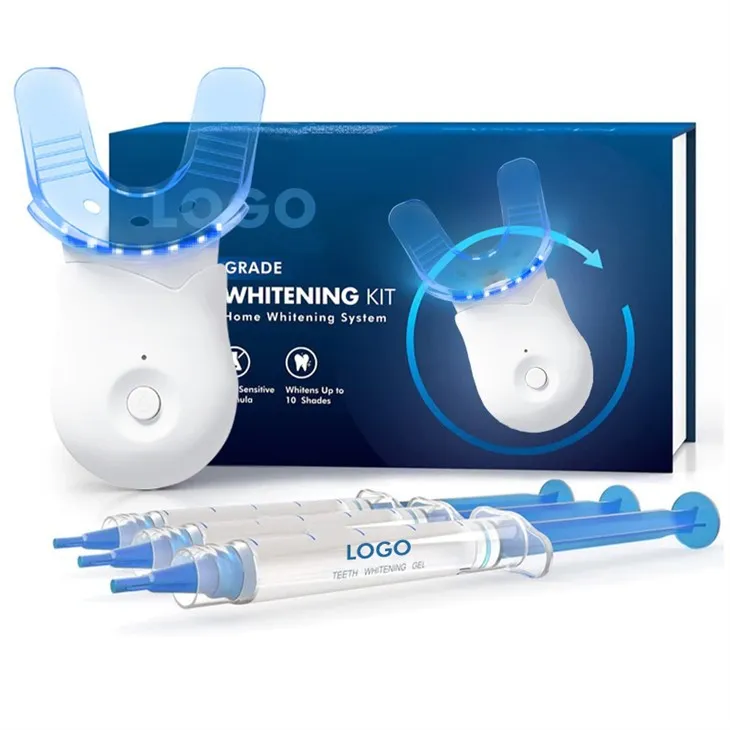
Whitening gels and trays offer a more customized approach. These products typically involve applying a whitening gel to a custom-fitted tray, which is then worn for a specific period. Custom trays, made by a dentist, ensure an even application of the gel, minimizing contact with the gums. Gels for sensitive teeth usually contain lower concentrations of peroxide. Pre-filled disposable trays are also available, providing a convenient alternative. When using these products, it is crucial to follow the dentist’s instructions or the product guidelines carefully, paying close attention to application time and frequency to minimize the risk of sensitivity.
Professional Whitening Options for Sensitive Teeth
If over-the-counter products don’t provide the desired results, or if you have significant sensitivity, professional whitening options offered by a dentist are worth considering. Dentists have access to stronger whitening agents and can tailor treatments to your specific needs, mitigating sensitivity more effectively. These treatments are performed under professional supervision, ensuring safety and maximizing effectiveness. This section explores the two main professional whitening options available.
In-Office Whitening
In-office whitening involves a dentist applying a high-concentration whitening gel to your teeth, often followed by the use of a special light to accelerate the process. The entire procedure usually takes about an hour and can provide immediate results. The dentist can take precautions to minimize sensitivity, such as applying a desensitizing agent before the procedure and monitoring your comfort throughout. In-office whitening is a safe and effective way to achieve dramatic results, even for those with sensitive teeth, when performed by a qualified professional.
Custom Whitening Trays

Custom whitening trays are another professional option. The dentist creates a mold of your teeth to create a perfectly fitting tray. You then apply a whitening gel provided by your dentist and wear the tray for a specified amount of time each day or night. This method provides a more controlled and consistent whitening experience, and your dentist can adjust the concentration of the gel and the duration of use to suit your sensitivity level. Custom trays are an excellent option for those who prefer at-home whitening but want the guidance and expertise of a dental professional.
Top 7 Whitening Products for Sensitive Teeth
Here are some of the best whitening products designed with sensitive teeth in mind. These products are selected based on their effectiveness, gentleness, and customer reviews. Always consult with your dentist before starting any whitening treatment to ensure it is right for you.
Product 1 Detailed Review
Product 1: [Product Name]. This product is known for its gentle formula, which is specifically designed for sensitive teeth. [Describe key features and ingredients, e.g., low percentage of hydrogen peroxide, presence of potassium nitrate, easy-to-use application]. Many users have reported minimal sensitivity while achieving noticeable whitening results. [Include any specific instructions for use, and mention any potential drawbacks or limitations].
Product 2 Detailed Review

Product 2: [Product Name]. Featuring a unique approach to whitening, this product combines [describe the key features and ingredients, focusing on what makes it gentle and effective]. Users often appreciate its [mention specific benefits like ease of use or taste]. However, [discuss any potential drawbacks or things to consider before purchasing].
Product 3 Detailed Review
Product 3: [Product Name]. This is another excellent option, particularly for [mention the target audience, e.g., those seeking fast results or those with mild sensitivity]. Its key ingredient is [mention the active ingredient, and how it works]. Users have also noted [mention any additional benefits or drawbacks].
Product 4 Detailed Review
Product 4: [Product Name]. Known for [describe the product’s most prominent features, emphasizing its suitability for sensitive teeth]. The unique formula [explain how the ingredients contribute to its gentleness and effectiveness]. Be sure to [mention any important usage guidelines or potential cautions].
Product 5 Detailed Review

Product 5: [Product Name]. This product is a great pick because it [detail its key features, emphasizing benefits for those with sensitive teeth]. It is formulated with [mention specific ingredients]. [Mention potential downsides and usage tips].
Product 6 Detailed Review
Product 6: [Product Name]. Another great option. [Describe the product’s qualities, ingredients, and how it helps to whiten the teeth]. Remember to [mention any specific instructions].
Product 7 Detailed Review
Product 7: [Product Name]. Last but not least, [describe its features, ingredients, and usage]. The product [explain its advantages and usage tips].
Tips for Using Whitening Products with Sensitive Teeth
Successfully whitening sensitive teeth involves more than just choosing the right product. It also requires a strategic approach to minimize discomfort and maximize results. By following the following tips, you can enhance your experience.
Consult Your Dentist
Before starting any whitening treatment, it’s crucial to consult your dentist. They can assess the cause of your sensitivity, determine if whitening is appropriate for your situation, and recommend the most suitable products. Your dentist can also provide professional whitening options that can be tailored to your sensitivity level, as well as address any existing dental issues that might worsen sensitivity.
Proper Application Techniques
Following the product instructions precisely is essential for minimizing sensitivity and achieving the best results. Avoid overusing whitening products, and don’t exceed the recommended application time. When using strips or gels, avoid contact with your gums to prevent irritation. Consider using a toothbrush with soft bristles and applying gentle pressure when brushing to avoid further enamel erosion.
Managing Sensitivity During Whitening
If you experience sensitivity, several strategies can help manage the discomfort. Use a toothpaste designed for sensitive teeth, containing ingredients like potassium nitrate. Apply the toothpaste to your teeth before whitening and after. Take breaks from whitening treatments, allowing your teeth to recover. Avoid extremely hot or cold foods and drinks during the whitening process, as these can exacerbate sensitivity. Over-the-counter pain relievers can help alleviate any discomfort.
Frequently Asked Questions about Whitening and Sensitivity
This section answers common questions about whitening and sensitive teeth, providing clear and concise information to further guide your decisions.
Can I Whiten My Teeth if They Are Sensitive?
Yes, you can whiten your teeth even if they are sensitive. The key is to choose the right products and follow the guidelines carefully. Opt for products specifically designed for sensitive teeth, which typically use lower concentrations of whitening agents. Always consult with your dentist to ensure whitening is safe and suitable for you.
Are Whitening Products Safe for Sensitive Teeth?
Most whitening products are safe for sensitive teeth, provided you use them as directed and choose products specifically formulated for sensitivity. However, it’s essential to be aware of potential side effects, such as temporary sensitivity, and to discontinue use if you experience significant discomfort. Professional guidance from your dentist can help you navigate the process safely.
How Long Does It Take to See Results?
The time it takes to see results varies depending on the whitening method used and the severity of your stains. With over-the-counter products, it can take a few weeks to a couple of months to see noticeable changes. Professional whitening treatments can provide immediate results, often lightening your teeth several shades in a single session. Consistency is key, so follow the recommended usage guidelines for the best results.
Conclusion Finding the Right Whitening Solution
Whitening your teeth when they are sensitive doesn’t have to be a difficult or painful experience. By understanding the causes of sensitivity, choosing the right products, and following best practices, you can achieve a brighter, more confident smile. Always prioritize the health and comfort of your teeth, consulting with your dentist to create a customized whitening plan. With careful selection and consistent application, you can enjoy the benefits of teeth whitening while minimizing discomfort and maintaining optimal oral health.