Understanding Skin Whitening
Skin whitening, also known as skin lightening or skin brightening, is a cosmetic procedure aimed at reducing the melanin pigment in the skin to give it a lighter appearance. The primary goal is to address uneven skin tone, hyperpigmentation, or simply to achieve a fairer complexion. This process can be achieved through various methods, ranging from over-the-counter products and natural remedies to professional treatments. It’s crucial to understand that skin whitening does not change your natural skin type; it primarily targets the existing pigmentation. Before starting any skin whitening treatment, it’s essential to understand your skin type, the causes of your skin discoloration, and the potential risks involved. Always prioritize a healthy skincare approach that emphasizes skin health and sun protection.
The Science Behind Skin Whitening
The science of skin whitening centers on the reduction of melanin production and/or the removal of melanin already present in the skin. Melanin, produced by melanocytes, is the pigment responsible for skin color. Factors like sun exposure, genetics, hormones, and inflammation can stimulate melanin production, leading to darker skin or uneven pigmentation. Skin whitening methods aim to inhibit tyrosinase, an enzyme crucial for melanin synthesis. Ingredients such as rice flour and milk contain compounds that can help in this process. These methods work by either slowing down melanin production or by helping to exfoliate the skin, thus removing the pigmented cells from the skin’s surface. Sun protection remains paramount throughout the skin whitening process, as UV rays can stimulate melanin production and reverse the lightening effects.
Benefits of Rice Flour for Skin Whitening

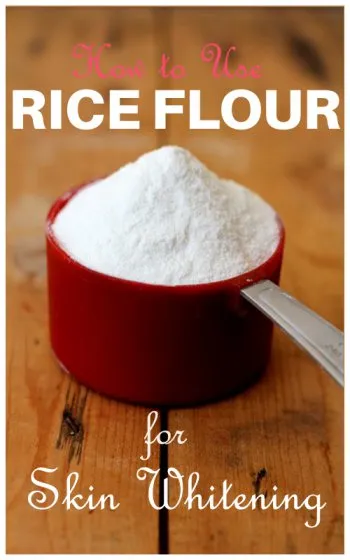
Rice flour, a staple in many Asian cultures, offers several benefits for skin whitening. It’s a gentle exfoliant that helps remove dead skin cells, revealing a brighter complexion. The fine particles of rice flour act as a natural scrub, gently removing the top layer of skin that contains accumulated pigmentation and impurities. Rice flour contains antioxidants that protect the skin from environmental damage and may help in reducing the appearance of dark spots and uneven skin tone. Regular use of rice flour can lead to a smoother, more radiant skin texture. Furthermore, rice flour is generally considered safe and suitable for most skin types, making it a popular ingredient in homemade skincare treatments. The key is to use high-quality, finely ground rice flour to avoid irritation.
Exfoliation Properties of Rice Flour
The exfoliating properties of rice flour are one of its key benefits for skin whitening. As a natural exfoliant, it gently removes dead skin cells, dirt, and impurities that accumulate on the skin’s surface. This process reveals the fresh, new skin underneath, which appears brighter and more even-toned. The mild abrasiveness of rice flour is effective without being harsh, making it suitable for regular use. By removing the top layer of dead skin cells, rice flour helps to reduce the appearance of dark spots, blemishes, and hyperpigmentation. This also allows skincare products to penetrate more effectively, enhancing their benefits. Consistent exfoliation with rice flour can significantly improve skin texture, making it smoother and more radiant. However, be gentle during application to avoid irritation, especially if you have sensitive skin.
Rice Flour and Melanin Production
While rice flour is not a potent inhibitor of melanin production like some chemical ingredients, it indirectly contributes to skin brightening by promoting cell turnover. By exfoliating the skin and removing the top layer of pigmented cells, rice flour helps to minimize the appearance of existing pigmentation. This is achieved through its gentle exfoliating action, which helps to slough off dead skin cells that contain melanin. The process reveals a fresh layer of skin that is less pigmented. Furthermore, rice flour contains antioxidants that can help protect the skin from further damage caused by environmental factors, which can contribute to melanin production. Although rice flour doesn’t directly stop melanin production, it makes the skin appear lighter and brighter by promoting cell turnover and protecting it from further damage. Its regular usage can also help to even out skin tone.
Benefits of Milk for Skin Whitening

Milk, particularly raw milk, offers multiple benefits for skin whitening. Milk contains lactic acid, an alpha-hydroxy acid (AHA), which acts as a gentle exfoliant. Lactic acid helps to remove dead skin cells, promoting cell turnover and revealing brighter skin. Milk also moisturizes the skin, improving its overall health and appearance. The vitamins and minerals present in milk nourish the skin, enhancing its natural glow. Regular use of milk can improve skin tone, reduce the appearance of dark spots, and leave the skin feeling soft and supple. Milk’s gentle yet effective properties make it a popular choice for those seeking natural skin lightening solutions. It is important to use fresh milk and conduct a patch test before full application to avoid any allergic reactions or irritation.
Milk’s Hydrating and Brightening Effects
Milk is an excellent source of hydration for the skin. It contains fats and proteins that help to moisturize and nourish the skin, preventing dryness and flakiness. Well-hydrated skin appears plumper and more radiant, contributing to a brighter complexion. Milk’s hydrating properties are especially beneficial for dry or dehydrated skin types. In addition to hydration, milk also offers brightening effects. Lactic acid, a key component of milk, is a gentle AHA that gently exfoliates the skin, removing dead cells and revealing a fresher, more even skin tone. This action reduces the appearance of dark spots, and improves overall skin radiance. Consistent use of milk can lead to improved skin texture and a healthy glow, thanks to its combined hydrating and brightening properties. This makes milk a versatile ingredient for skincare.
Vitamins and Minerals in Milk
Milk is a rich source of vitamins and minerals that are essential for healthy skin. Vitamin A, present in milk, helps to promote cell turnover and repair damaged skin. Vitamin D, which is also found in milk, helps to support skin health and protect against environmental damage. Furthermore, milk contains calcium, which is vital for overall skin function. Milk is also a source of other important minerals such as selenium, which helps protect the skin from free radicals. These vitamins and minerals work together to nourish and revitalize the skin. The presence of these nutrients contributes to the skin’s ability to heal and maintain a radiant complexion. Regular application of milk-based skincare can help deliver these essential nutrients directly to the skin, enhancing its health and appearance.
How to Prepare Rice Flour and Milk Masks

Preparing a rice flour and milk mask is easy and requires only a few simple ingredients. The key is to use high-quality ingredients and maintain the right consistency for optimal results. The basic process involves mixing rice flour with milk to create a paste. You can adjust the consistency by adding more rice flour for a thicker mask or more milk for a thinner one. Before applying the mask, it’s important to cleanse your face thoroughly to remove any makeup, dirt, or impurities. This ensures that the mask can effectively penetrate the skin. Once the mask is applied, allow it to sit on your skin for the recommended time, typically 15 to 20 minutes, before rinsing it off gently with lukewarm water. Using these simple steps, you can create an effective DIY skin whitening treatment that enhances your natural beauty.
Basic Rice Flour and Milk Mask Recipe
The basic rice flour and milk mask is a simple yet effective remedy for skin whitening. To prepare it, you will need two tablespoons of rice flour and enough fresh milk to create a smooth paste. Start by placing the rice flour in a clean bowl. Gradually add the milk, stirring continuously to avoid clumps. The consistency should be thick enough to adhere to your face without dripping. The ideal ratio is typically about two parts rice flour to one part milk, but this can be adjusted based on your preference. After mixing, apply the mask evenly to your face, avoiding the eye and lip areas. Allow the mask to dry for 15-20 minutes, then gently rinse it off with lukewarm water. Pat your face dry with a soft towel and follow up with a moisturizer. This simple recipe can be used 2-3 times a week for optimal results.
Adding Honey and Lemon for Enhanced Whitening
To boost the skin whitening properties of the rice flour and milk mask, consider adding honey and lemon. Honey is a natural humectant, meaning it draws moisture to the skin, which can help to hydrate and plump up the skin. It also possesses antibacterial and anti-inflammatory properties. Lemon juice contains citric acid, another AHA, which can further enhance the exfoliating and brightening effects. To include these ingredients, mix one tablespoon of honey and half a teaspoon of fresh lemon juice into the basic rice flour and milk mask. Ensure that the lemon juice is fresh and not from concentrate. The addition of these ingredients will create a powerful mask that provides superior hydration, antioxidant protection, and additional skin brightening benefits. However, exercise caution if you have sensitive skin, as lemon can sometimes cause irritation; in such cases, reduce the amount of lemon juice.
Step-by-Step Application and Usage

The application of a rice flour and milk mask is a straightforward process. Begin by cleansing your face with a gentle cleanser to remove any dirt, oil, and makeup. Then, apply the prepared mask evenly over your face, using your fingertips or a soft brush. Avoid the delicate areas around your eyes and lips. Once applied, allow the mask to sit for approximately 15-20 minutes, or until it dries. During this time, you may feel a slight tightening sensation. When the time is up, gently rinse the mask off with lukewarm water, using circular motions to help exfoliate the skin. Pat your face dry with a soft towel. After removing the mask, apply a moisturizer suitable for your skin type to keep your skin hydrated. Regular use, typically 2-3 times a week, will help achieve the best results. It’s crucial to listen to your skin and adjust the frequency based on its sensitivity.
Applying the Mask
When applying the rice flour and milk mask, it’s important to use clean hands or a soft brush to ensure even coverage. Start by gently dabbing the mask onto your face, starting with your forehead, then moving to your cheeks, nose, and chin. Make sure to avoid the sensitive areas around your eyes and lips, where the skin is thinner and more prone to irritation. Use gentle, upward strokes to apply the mask, helping the ingredients to penetrate the skin effectively. Ensure that the mask is applied in an even layer. This ensures that the entire face receives the same benefits. Once you have applied the mask, you can relax while it works. Consider using this time to meditate or listen to soothing music. Ensure the mask is left on for the recommended time before rinsing off.
Frequency and Duration
The frequency and duration of using a rice flour and milk mask is crucial for achieving optimal results. For most skin types, it is recommended to use the mask 2-3 times per week. This frequency allows the skin to benefit from the exfoliating and brightening properties without causing irritation. If you have sensitive skin, you might start with once a week to see how your skin reacts, and gradually increase the frequency as needed. Each application should last for approximately 15-20 minutes. Avoid leaving the mask on for longer than recommended, as this can potentially dry out your skin. Consistent use is key. You should be patient and incorporate the mask into your regular skincare routine. Over time, with regular application, you will start to see improvements in skin tone and texture.
Expected Results and Timeline
The results from using a rice flour and milk mask will vary depending on individual skin types and conditions. Generally, you can expect to see some improvements in your skin within a few weeks of consistent use. Initially, you might notice a smoother, more radiant complexion as the exfoliation process removes dead skin cells. Over time, you may observe a reduction in dark spots and uneven skin tone. The timeline for visible skin whitening can vary; some people may see results within a month, while others may need longer. Maintaining realistic expectations is crucial. Skin whitening is a gradual process, and consistent use of the mask, combined with a good skincare routine and sun protection, is key to achieving desired results. Remember that patience and consistency will lead to the best outcomes.
Managing Expectations
It is essential to manage your expectations when using rice flour and milk for skin whitening. While this natural remedy can help lighten and brighten your skin, it is not a quick fix. The results take time and consistent use. It’s important to be patient and persistent with your skincare routine. The extent of skin whitening will also depend on your skin type and the severity of any pigmentation issues. Some people may experience noticeable improvements in a few weeks, while others may need several months of consistent use to see significant results. Additionally, the degree of skin whitening achievable with natural remedies is often more subtle than with professional treatments. It is crucial to prioritize a balanced skincare approach, which includes not only skin whitening but also overall skin health. This includes regular cleansing, moisturizing, and sun protection.
Possible Side Effects and Precautions
While rice flour and milk are generally safe, it is important to be aware of potential side effects and take necessary precautions. The most common side effect is skin irritation, especially if you have sensitive skin or are allergic to any of the ingredients. Redness, itching, or a burning sensation may occur. Always perform a patch test before applying the mask to your entire face. Apply a small amount of the mixture on a hidden area of your skin and wait for 24 hours to see if any adverse reactions occur. Avoid getting the mask into your eyes or mouth. If irritation persists, discontinue use immediately and consult a dermatologist. Furthermore, be mindful of the quality of ingredients used. Use fresh milk and high-quality rice flour. Keep in mind that results vary, so be patient and monitor your skin’s response.
Allergic Reactions and Skin Sensitivity

Allergic reactions and skin sensitivity are potential concerns when using a rice flour and milk mask. Although rice flour and milk are generally considered safe, some individuals may be sensitive or allergic to these ingredients. Symptoms of an allergic reaction can include redness, itching, swelling, or hives. If you experience any of these symptoms, discontinue use immediately and consult with a healthcare professional. Skin sensitivity can also manifest as irritation, dryness, or a burning sensation. If you have sensitive skin, it is best to start with a small patch test on a hidden area of your skin. Allow at least 24 hours to monitor for any reactions before applying the mask to your entire face. If you notice any signs of sensitivity, such as redness or itching, reduce the frequency of use or try using a milder formula. Always prioritize your skin’s well-being and discontinue use if any adverse reactions occur.
Sun Protection and Aftercare
Sun protection is a critical aspect of any skin whitening regimen. After using a rice flour and milk mask, your skin might be more sensitive to the sun due to the exfoliating effects. It is essential to protect your skin from harmful UV rays to prevent further darkening or damage. Always apply a broad-spectrum sunscreen with an SPF of 30 or higher every morning, even on cloudy days. Reapply sunscreen every two hours, especially if you are spending time outdoors. In addition to sunscreen, consider wearing protective clothing, such as hats and long sleeves, to shield your skin from the sun. After using the mask, follow up with a gentle moisturizer to keep your skin hydrated and prevent dryness. Consider adding a hydrating serum with ingredients like hyaluronic acid to further enhance hydration. By prioritizing sun protection and proper aftercare, you can maximize the benefits of the rice flour and milk mask.
Other Natural Ingredients for Skin Whitening
Besides rice flour and milk, several other natural ingredients can be used to enhance skin whitening. These ingredients often contain properties that promote skin brightening, exfoliation, and overall skin health. Using a combination of natural ingredients can create a more comprehensive skincare approach. Some popular ingredients include yogurt, gram flour, turmeric, and sandalwood. These can be incorporated into DIY masks and treatments, often with similar application methods to the rice flour and milk mask. The combination of different ingredients can provide a wider range of benefits, targeting various skin concerns, and helping you achieve a more even and radiant complexion. As with any new skincare product, always perform a patch test before widespread use to ensure compatibility with your skin.
Yogurt and Gram Flour
Yogurt and gram flour (besan) are excellent additions to your natural skin whitening routine. Yogurt contains lactic acid, a gentle AHA that exfoliates and brightens the skin. It helps remove dead skin cells, promoting cell turnover and revealing a more radiant complexion. Yogurt is also a natural moisturizer, providing hydration to the skin, thus improving its overall health. Gram flour, derived from chickpeas, is a natural exfoliant that helps remove impurities and excess oil. It can help to reduce the appearance of blemishes and even out skin tone. The combination of yogurt and gram flour creates a powerful mask that exfoliates, brightens, and moisturizes the skin, leading to a more even and radiant complexion. Use plain, unsweetened yogurt and finely ground gram flour for best results.
Turmeric and Sandalwood
Turmeric and sandalwood are time-honored ingredients known for their skin-brightening and anti-inflammatory properties. Turmeric contains curcumin, an antioxidant that helps to protect the skin from free radicals and reduces inflammation. It can help to lighten dark spots and even out skin tone. Sandalwood has soothing properties that help to calm the skin and reduce irritation. It also has a gentle exfoliating action and can help improve skin clarity. Together, turmeric and sandalwood create a potent combination for skin whitening and overall skin health. Mix a small amount of turmeric powder and sandalwood powder with water or milk to form a paste. Apply the paste to your face, leave it on for 15-20 minutes, and then rinse it off. This mask will help to brighten the skin, reduce inflammation, and leave your skin looking radiant.
Maintaining Results and Long-Term Care
Maintaining the results of skin whitening treatments requires a consistent approach to skincare and lifestyle. Regular use of the rice flour and milk mask or any other natural remedies should be incorporated into a well-rounded skincare routine. It’s essential to address the underlying causes of skin discoloration. This includes protecting your skin from sun exposure, following a healthy diet, and managing stress. Long-term care involves consistent adherence to your skincare routine. Regular skincare is vital to keep your skin healthy and radiant. It’s important to be patient and understand that maintaining results is an ongoing process, not a one-time fix. With proper care, you can achieve and maintain brighter, more even-toned skin.
Daily Skincare Routine
A consistent daily skincare routine is crucial for maintaining skin whitening results. Begin with a gentle cleanser to remove dirt, oil, and makeup. Follow with a toner to balance your skin’s pH and prep it for further treatment. Apply a serum, preferably one with antioxidants and brightening ingredients such as vitamin C or niacinamide. Moisturize your skin to keep it hydrated, choosing a moisturizer appropriate for your skin type. The most important step is the daily application of broad-spectrum sunscreen with an SPF of 30 or higher, even on cloudy days. Reapply sunscreen every two hours, especially if you are spending time outdoors. Incorporating the rice flour and milk mask 2-3 times a week can supplement your daily routine. It is essential to customize the routine based on your skin type and concerns.
Lifestyle Factors and Diet
Lifestyle factors and diet significantly impact the health and appearance of your skin, playing a role in maintaining skin whitening results. A healthy diet rich in fruits, vegetables, and antioxidants supports skin health by providing essential nutrients and fighting free radicals. Stay well-hydrated by drinking plenty of water. This promotes skin elasticity and a radiant complexion. Get enough sleep to allow your skin to repair and rejuvenate overnight. Manage stress levels, as chronic stress can negatively affect your skin, leading to breakouts and uneven skin tone. Limit exposure to environmental pollutants and harmful UV rays. Avoid smoking and excessive alcohol consumption. Making healthy lifestyle choices enhances the effectiveness of your skincare routine and contributes to long-term skin health and a brighter, more even complexion.