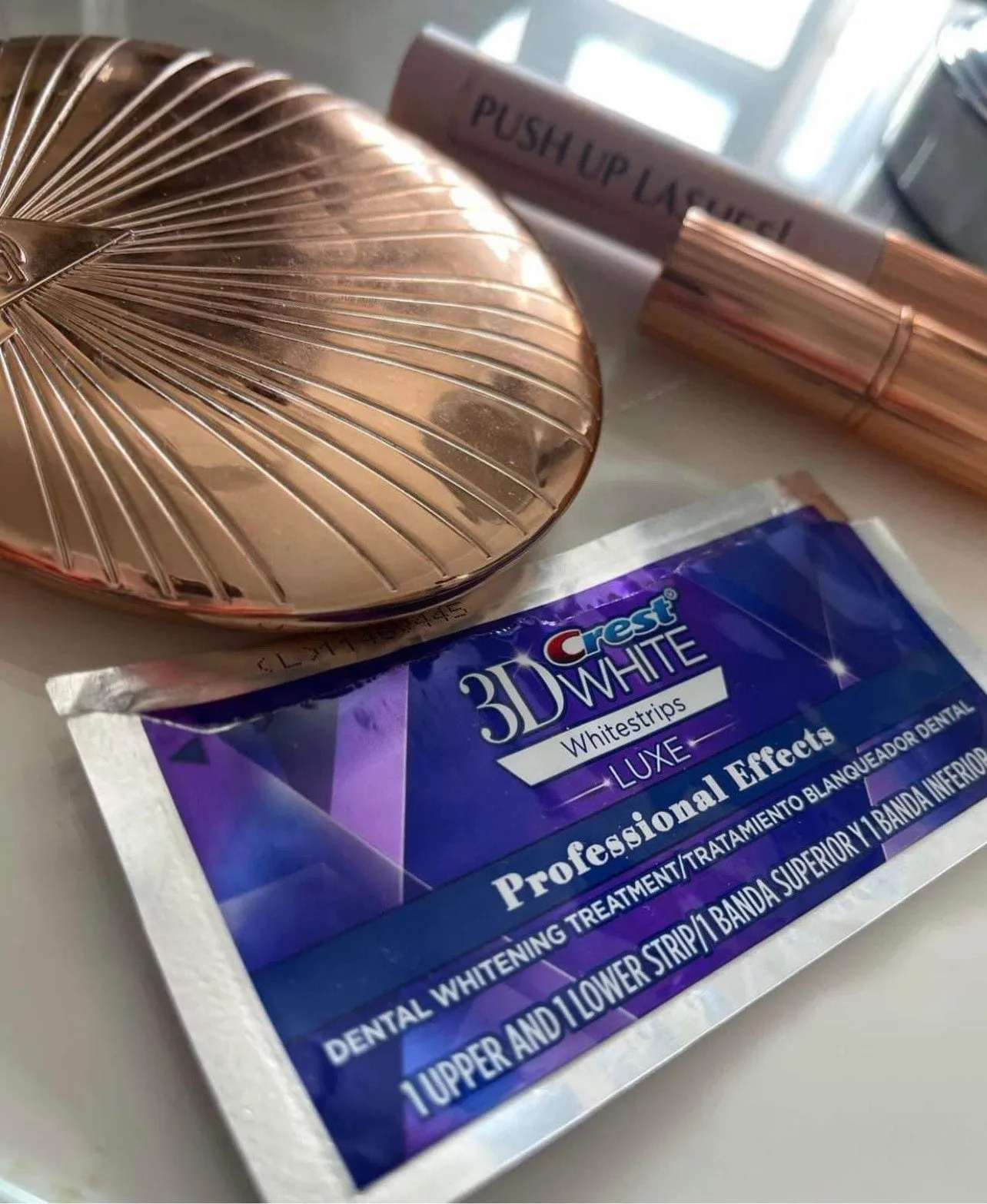
Pregnancy brings about a host of changes in a woman’s body, and oral health is no exception. Hormonal fluctuations can increase the risk of gum disease and other dental issues. Many expectant mothers are also concerned about maintaining a bright, white smile, which often leads them to consider teeth-whitening options like Crest Whitening Strips. However, the safety of using these strips during pregnancy is a common question. This article delves into the facts about Crest Whitening Strips and their use during pregnancy, exploring potential risks, safe alternatives, and essential oral hygiene practices.
Are Crest Whitening Strips Safe During Pregnancy?
The primary concern with using Crest Whitening Strips during pregnancy revolves around the safety of their ingredients for the developing fetus. While the amount of active ingredients absorbed is generally low, it’s crucial to weigh the potential risks against the benefits, especially when it comes to the health of your unborn child. Most dentists recommend avoiding teeth whitening treatments during pregnancy due to the lack of sufficient research on the long-term effects of these products on the developing baby. It is always best to err on the side of caution and consult with your dentist or healthcare provider for personalized advice.
Understanding the Ingredients in Crest Strips
Crest Whitening Strips contain a few key ingredients designed to whiten teeth. Knowing what these substances are and how they function is crucial to understanding potential risks during pregnancy. The active ingredient is usually hydrogen peroxide, which penetrates the enamel to break down stain molecules. Other ingredients help the strip adhere to the teeth and stabilize the whitening agent.
The Role of Hydrogen Peroxide

Hydrogen peroxide is the primary bleaching agent in Crest Whitening Strips. It works by releasing oxygen molecules that break down the stains on your teeth. The concentration of hydrogen peroxide can vary depending on the product, but it is usually around 6% to 10% in most over-the-counter strips. The concern during pregnancy is that, while the amount absorbed is small, the potential impact on the developing fetus is not fully understood, leading to the recommendation to avoid its use.
Other Active and Inactive Ingredients
Besides hydrogen peroxide, Crest Whitening Strips contain inactive ingredients to help the strip adhere to your teeth and maintain the formula’s stability. These can include various polymers, flavorings, and stabilizers. While these ingredients are generally considered safe, some individuals may experience sensitivity or allergic reactions. It is always important to check the full ingredient list and consult with your dentist if you have any concerns before using any new product, especially during pregnancy.
Potential Risks of Using Whitening Strips While Pregnant
While the exact risks associated with using Crest Whitening Strips during pregnancy are still being researched, there are potential issues to consider. These risks mainly stem from the ingredients in the strips and how they might affect a pregnant woman and her baby. Consulting your doctor or dentist is crucial before considering any teeth whitening treatments during this sensitive period. The following are the important aspects to consider.
Gum Sensitivity and Irritation

Pregnancy hormones can make your gums more sensitive and prone to inflammation. The hydrogen peroxide in whitening strips can exacerbate this, leading to irritation, discomfort, and even bleeding gums. This increased sensitivity could make the teeth whitening process more unpleasant and potentially affect your overall oral health. Any sign of irritation should prompt you to discontinue use and seek advice from your dentist.
Swallowing the Whitening Solution
During the application of Crest Whitening Strips, there’s a chance of swallowing some of the whitening solution. While the amount is usually small, it’s still a concern, as the effect of hydrogen peroxide on a developing fetus is not fully understood. The risks associated with swallowing any amount of hydrogen peroxide are another reason why dental professionals often advise against the use of these products during pregnancy.
Impact on Developing Fetus
The most significant concern is the potential impact of the whitening agents on the developing fetus. Because there is limited research on the effects of hydrogen peroxide and other ingredients in Crest Whitening Strips on a developing baby, many healthcare providers recommend avoiding these products during pregnancy. Until more safety data is available, it is best to err on the side of caution to protect the health and well-being of the baby.
Alternatives to Crest Whitening Strips During Pregnancy

Fortunately, there are alternative ways to maintain good oral hygiene and potentially brighten your smile during pregnancy. These methods focus on safe practices that minimize any potential risks to the mother and the baby. Here are some safer options for teeth whitening while pregnant.
Professional Teeth Whitening
If you’re considering professional teeth whitening, discuss the options with your dentist. In some cases, they might recommend a lower concentration of whitening agents or use methods that minimize exposure. However, many dentists will advise against professional teeth whitening during pregnancy due to the potential for risks, but they will always guide you on making the best choice for your overall health.
Home Remedies for Teeth Whitening
There are several home remedies that you can consider. However, always consult your dentist before trying any of these methods. Effective methods include maintaining excellent oral hygiene. Regular brushing with a fluoride toothpaste, flossing, and rinsing with an antibacterial mouthwash can help remove surface stains. Certain natural methods such as using baking soda occasionally or using oil pulling can provide a gentler approach to teeth whitening, but consult your dentist before use.
Importance of Oral Hygiene During Pregnancy

Maintaining excellent oral hygiene is paramount during pregnancy. Hormonal changes can increase the risk of gum disease and other dental problems. Therefore, adopting a proactive approach to oral care is more important than ever. Regular brushing and flossing, along with routine dental check-ups, can help ensure the health of both the mother and the baby.
Brushing and Flossing Techniques
Brush your teeth at least twice a day with fluoride toothpaste, using a soft-bristled toothbrush to prevent irritating sensitive gums. Gently floss daily to remove plaque and food particles from between your teeth and below the gum line. Proper brushing and flossing are the cornerstones of maintaining good oral hygiene during pregnancy, helping to prevent problems such as gingivitis and cavities.
Regular Dental Check-ups
Schedule regular dental check-ups and cleanings throughout your pregnancy. Your dentist can detect and treat any dental issues early on, reducing the need for more extensive treatments later. Inform your dentist that you are pregnant so they can take the necessary precautions and provide you with the safest care possible. Regular dental visits are critical for maintaining optimal oral health during pregnancy.
When Can You Resume Using Crest Strips After Pregnancy?

Once you have delivered your baby and finished breastfeeding, you can generally resume using Crest Whitening Strips. However, it’s always best to consult your dentist or healthcare provider before starting any new dental treatments. They can assess your oral health and provide personalized recommendations.
Consulting Your Dentist
Your dentist is the best resource for information about teeth whitening and oral care during pregnancy. They can advise you on the safest options and monitor your oral health. Before resuming any teeth whitening treatments after pregnancy, it is crucial to discuss this with your dentist to ensure that it is safe and appropriate for your situation.
Postpartum Dental Care
After pregnancy, it is essential to continue practicing good oral hygiene. Continue brushing twice a day, flossing daily, and scheduling regular dental check-ups. Your dentist may recommend additional treatments or provide you with personalized advice to improve your oral health. Remember that postpartum hormonal changes can also impact your teeth, so ongoing care and attention are essential.
In conclusion, while Crest Whitening Strips might seem like an easy way to brighten your smile, it’s best to avoid them during pregnancy. Prioritizing the health of your baby should always come first, and there are other safe alternatives to consider. Focusing on consistent oral hygiene, and consulting your dentist, is the best approach. You can resume using whitening strips after pregnancy, once you have consulted with your dentist. Remember, a healthy smile is a reflection of overall well-being, and making the right choices during pregnancy is crucial for both you and your baby.