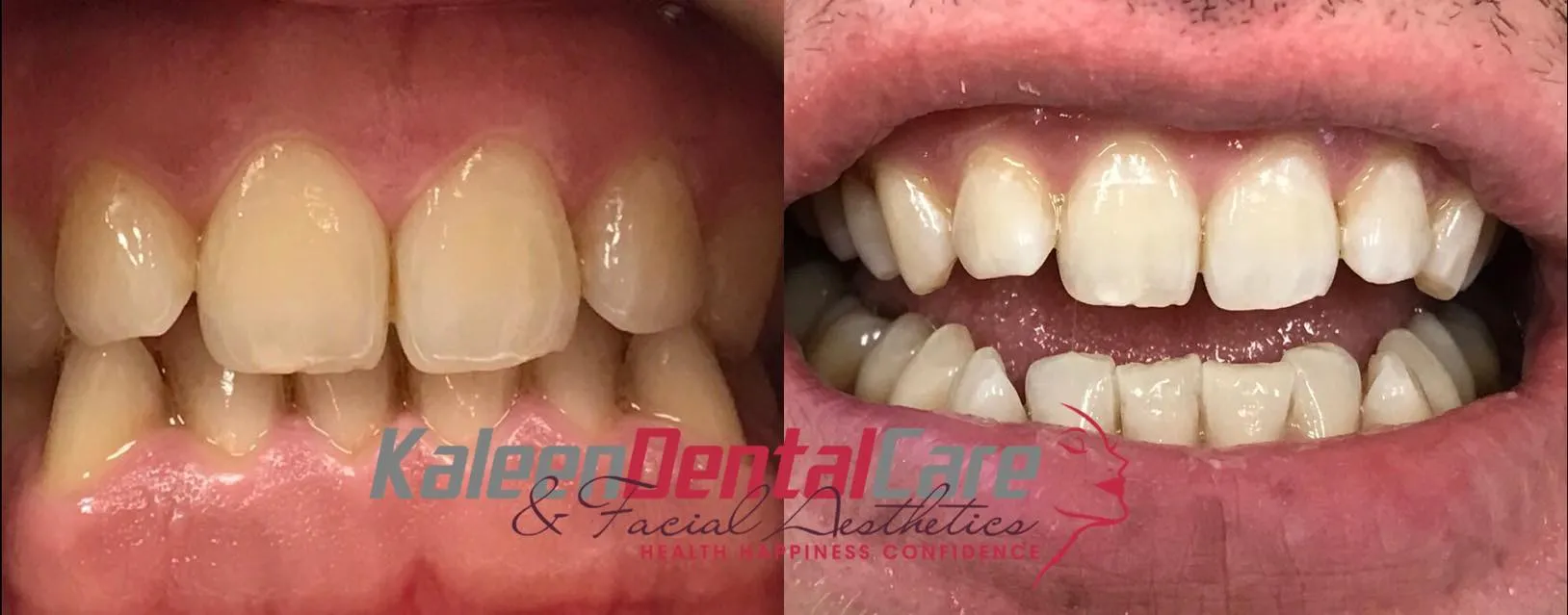
Understanding Laser Teeth Whitening
Laser teeth whitening, also known as power whitening, is a popular cosmetic dental procedure designed to brighten your smile significantly in a short amount of time. It involves the application of a bleaching agent, typically hydrogen peroxide, to the teeth. A laser is then used to accelerate the bleaching process, enhancing the whitening effect. This procedure has become a go-to choice for those seeking immediate results and a more radiant appearance. However, like all cosmetic procedures, it’s essential to be aware of the potential side effects to make an informed decision.
What is Laser Teeth Whitening
Laser teeth whitening is a cosmetic procedure that utilizes a high-intensity laser to activate a bleaching agent applied to the teeth. The process usually starts with a thorough cleaning of the teeth to remove plaque and debris, ensuring the bleaching agent can effectively penetrate the enamel. After cleaning, a protective barrier is often applied to the gums to shield them from the bleaching agent. The bleaching agent is then carefully applied to the teeth surfaces, and a laser is directed at the teeth. This laser energy accelerates the chemical reaction of the bleaching agent, which breaks down the stains and discoloration within the enamel. The entire procedure is usually completed within an hour, offering a quick and dramatic improvement in the brightness of your smile.
The Process of Laser Teeth Whitening

The procedure typically begins with an initial consultation and examination by a dentist to assess the patient’s oral health and suitability for the treatment. Next, the dentist will take steps to protect the gums and soft tissues from the bleaching agent by applying a protective barrier. This is critical because the bleaching agents can cause irritation or burns if they come into direct contact with the gums. The bleaching agent is then applied to the teeth, and the laser is used to activate and accelerate the whitening process. The laser helps the bleaching agent to penetrate the enamel and break down the staining molecules. The whole process may be repeated several times during a single session to achieve the desired level of whitening. After the treatment, the dentist will remove the protective barrier and provide post-treatment instructions.
Top 7 Side Effects of Laser Teeth Whitening
While laser teeth whitening can produce impressive results, it’s crucial to be aware of potential side effects. Understanding these risks will help you to make an informed decision and discuss any concerns with your dentist. Although most side effects are temporary and mild, it is essential to understand the risks. Here are seven of the most common side effects associated with laser teeth whitening.
Sensitivity After Laser Treatment
Tooth sensitivity is one of the most common side effects. Many patients experience increased sensitivity to hot or cold foods and beverages immediately after the procedure. This sensitivity occurs because the bleaching agent can temporarily affect the enamel, making the teeth more susceptible to temperature changes. The sensitivity typically subsides within a few days to a couple of weeks as the enamel remineralizes. Dentists often recommend using toothpaste designed for sensitive teeth to help manage this discomfort.
Gum Irritation and Inflammation

Gum irritation is another common side effect, especially if the protective barriers aren’t applied correctly or if the bleaching agent comes into contact with the gums. Symptoms can include redness, swelling, and soreness. In some cases, the gums may become inflamed. This irritation is usually temporary and resolves within a few days with proper oral hygiene. Your dentist can provide advice and treatments to alleviate any discomfort, such as using a desensitizing toothpaste or applying a topical anti-inflammatory agent.
Tooth Enamel Damage Potential
While rare, excessive or improper use of bleaching agents can potentially damage the tooth enamel. This damage can lead to increased sensitivity and a higher risk of cavities. The risk of enamel damage is minimized by following professional guidelines and using the correct concentrations of bleaching agents. It is important to consult a qualified dentist who can carefully assess your oral health and customize the treatment to minimize any potential risks.
Soft Tissue Burns
If the bleaching agent comes into contact with the soft tissues of the mouth, such as the gums, cheeks, or lips, it can cause burns. These burns can range from mild irritation to more severe blistering. Dentists are trained to take precautions to protect the soft tissues during the procedure, such as using protective barriers and carefully controlling the application of the bleaching agent. If a burn occurs, it usually heals within a few days, but it can be painful. Following post-treatment instructions and proper oral hygiene is essential to ensure the area heals properly.
Allergic Reactions and Sensitivities

Although rare, some individuals may experience allergic reactions or sensitivities to the bleaching agents or other components used in laser teeth whitening. Symptoms can include swelling, itching, or hives. If you experience any signs of an allergic reaction, contact your dentist immediately. Dentists can adjust the treatment or recommend alternative whitening options if necessary. Informing your dentist of any known allergies before the procedure is essential.
Changes in Tooth Structure
In some cases, especially with repeated treatments, laser teeth whitening can cause minor changes in the tooth structure. This can include surface irregularities or a slight increase in porosity. However, the risk of significant structural changes is generally low when the procedure is performed by a qualified dentist. It’s important to discuss your dental history and any existing conditions with your dentist before undergoing the procedure to assess your suitability and manage any potential risks.
Incomplete or Uneven Whitening
The results of laser teeth whitening can vary from person to person. Some people may experience incomplete or uneven whitening, especially if they have fillings, crowns, or other dental work. The bleaching agent does not affect these restorations, so they will not whiten and may create an uneven appearance. Additionally, the effectiveness of the treatment can be affected by the type and severity of the stains on the teeth. Consulting with your dentist before the procedure to discuss expectations and potential outcomes is essential.
Minimizing and Managing Side Effects

Several steps can be taken to minimize and manage the side effects of laser teeth whitening. Following post-treatment care instructions provided by your dentist is crucial. This may include using toothpaste designed for sensitive teeth, avoiding highly pigmented foods and drinks, and practicing gentle oral hygiene. Using fluoride treatments can help reduce sensitivity and strengthen the enamel. If you experience any persistent or severe side effects, contact your dentist for advice and treatment. Maintaining good oral hygiene practices and scheduling regular dental check-ups will help keep your teeth healthy and your smile bright.
Consulting Your Dentist
Before undergoing laser teeth whitening, it’s essential to consult with your dentist. They can assess your oral health, determine if you are a suitable candidate for the procedure, and discuss potential risks and benefits. Your dentist can also provide customized advice based on your dental history and needs. During the consultation, ask any questions you have about the procedure, side effects, and aftercare. Choosing a qualified and experienced dentist is critical to ensure the procedure is performed safely and effectively. Your dentist is your best resource for making informed decisions about your dental health.
Post-Treatment Care
Following post-treatment care instructions provided by your dentist is vital for minimizing side effects and maintaining your newly whitened smile. This may include avoiding foods and drinks that can stain your teeth, such as coffee, tea, red wine, and dark-colored berries, for the first 24 to 48 hours. You may also be advised to use a desensitizing toothpaste to reduce sensitivity. Practicing gentle oral hygiene, including brushing and flossing regularly, will help protect your teeth and gums. Regular dental check-ups and cleanings are essential to maintain your oral health and the results of your whitening treatment.
Alternative Teeth Whitening Options

If you’re concerned about the potential side effects of laser teeth whitening, several alternative teeth whitening options are available. These alternatives offer varying degrees of effectiveness and may be a better fit for your specific needs. Your dentist can help you determine which option is best for you, considering your oral health and desired results. Exploring different choices will ensure you can choose the whitening method that aligns best with your comfort level and desired outcome.
Professional Whitening vs At-Home Kits
Professional teeth whitening procedures, such as laser whitening, are performed in a dental office and offer the most dramatic results. These procedures use stronger bleaching agents and advanced techniques, providing faster and more effective whitening. At-home whitening kits, available over the counter or prescribed by your dentist, offer a more convenient and cost-effective alternative. These kits typically include custom-fitted trays filled with a lower concentration of bleaching agent, which you wear for a specified amount of time. While at-home kits may take longer to produce results, they are generally gentler on the teeth and have fewer side effects. Consulting with your dentist will help you decide which option suits your needs.
Benefits and Drawbacks
Laser teeth whitening offers several benefits, including fast, effective results and the ability to brighten your smile significantly in a short time. However, potential drawbacks include the risk of side effects such as tooth sensitivity, gum irritation, and enamel damage. At-home whitening kits provide a more affordable and convenient alternative, but they may take longer to produce visible results. The primary drawback is that the results might not be as dramatic. Choosing the best option depends on your individual needs, preferences, and oral health. Consulting with your dentist can help you make an informed decision.
Conclusion

Laser teeth whitening is a popular cosmetic procedure that can significantly improve your smile. However, it’s important to be aware of the potential side effects before undergoing treatment. Understanding these risks and discussing them with your dentist will help you make an informed decision. By following post-treatment care instructions and maintaining good oral hygiene, you can minimize the side effects and enjoy a brighter, healthier smile. Always prioritize your dental health and consult with a professional to ensure the best outcome.