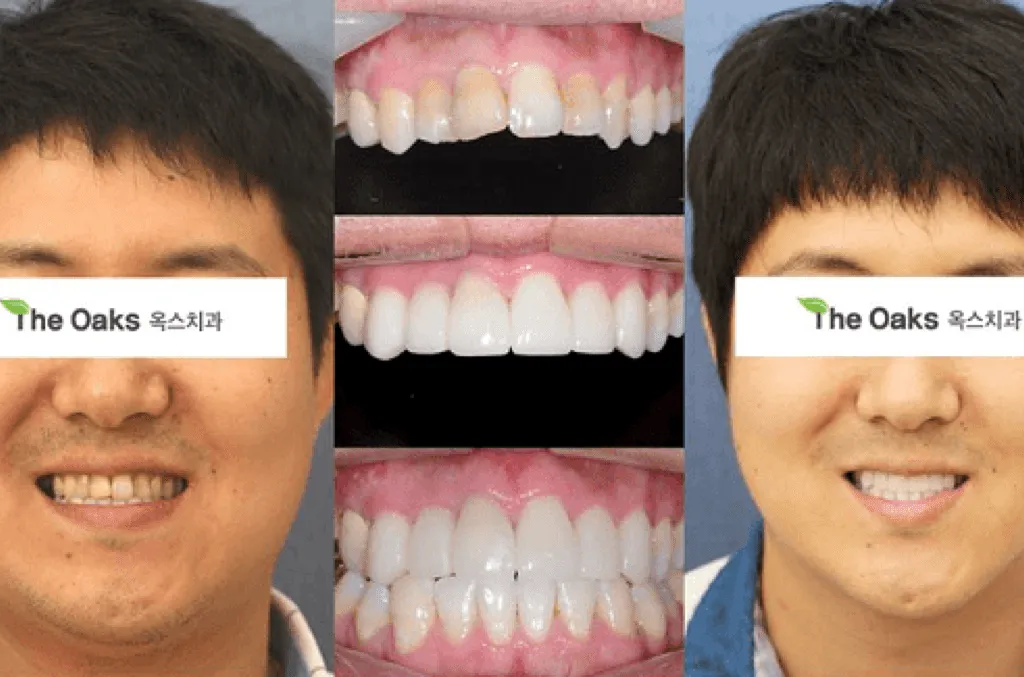
What is Laser Teeth Whitening
Laser teeth whitening, also known as power whitening or in-office whitening, is a cosmetic dental procedure designed to brighten and lighten the color of your teeth. This treatment has gained popularity due to its relatively quick results compared to at-home methods. The procedure typically involves a dentist or trained professional applying a whitening agent, usually a high-concentration hydrogen peroxide gel, to the teeth. This gel is then activated by a laser light, which accelerates the whitening process. While laser teeth whitening can produce significant improvements in a short amount of time, it’s essential to understand the process and the potential risks involved before undergoing treatment. Understanding the procedure is the first step in ensuring you make an informed decision about your dental health and cosmetic goals, and what the potential outcomes could be. This information can help you discuss your options with your dentist to make the best choice for your smile.
The Process of Laser Teeth Whitening
The laser teeth whitening process typically involves several steps. Initially, a dental professional will examine your teeth and gums to ensure you’re a suitable candidate. This includes checking for existing dental work, cavities, or gum disease, as these can impact the outcome and safety of the procedure. Next, your lips and gums will be protected with a rubber shield or other protective barrier. The whitening agent, a concentrated hydrogen peroxide gel, is then applied to the surface of your teeth. A special laser light is directed at the teeth to activate the whitening agent, accelerating the bleaching process. This process is repeated in intervals, usually lasting for about an hour, during which the gel is reapplied and the laser light is used. After the procedure, your teeth should appear several shades lighter, though the final results can vary depending on your initial tooth shade and the type of stains present. It’s crucial to follow post-treatment instructions, such as avoiding staining foods and drinks, to maintain your new, brighter smile.
How Laser Whitening Works

The core mechanism behind laser teeth whitening involves the use of a high-concentration bleaching agent and a laser light. The bleaching agent, most commonly hydrogen peroxide, penetrates the enamel of your teeth and breaks down the stain molecules that cause discoloration. The laser light acts as a catalyst, speeding up the chemical reaction and enhancing the whitening effect. This activation allows the bleaching agent to work more efficiently, often resulting in noticeable results in a single session. The heat from the laser light can also help to open the pores of the enamel, allowing the whitening agent to penetrate deeper and work more effectively. While the process is generally safe, it is critical to understand that the intensity and concentration of the bleaching agent, along with the use of laser technology, contribute to the potential risks and side effects that we will discuss. This sophisticated method offers a faster alternative to other teeth whitening methods.
Potential Risks of Laser Teeth Whitening
Although laser teeth whitening is a popular cosmetic procedure, it’s important to be aware of the potential risks. While many people experience no significant issues, others may encounter various side effects. These risks are often related to the high concentration of the bleaching agent and the use of laser technology. Understanding these potential complications is crucial for making an informed decision and managing expectations. Consulting with a dental professional can help you assess your individual risk factors and determine whether laser teeth whitening is the right choice for you. Below are some of the most common risks associated with laser teeth whitening, offering insight into what to expect and how to minimize potential complications.
Fact 1 Sensitivity and Discomfort
One of the most common side effects of laser teeth whitening is increased tooth sensitivity. Many patients experience temporary sensitivity to hot and cold foods and drinks, which can range from mild discomfort to sharp, shooting pains. This sensitivity occurs because the bleaching agent can penetrate the enamel and reach the dentin, the layer beneath the enamel, which contains nerve endings. The laser light can also contribute to sensitivity by causing a slight increase in the temperature of the teeth. This sensitivity usually subsides within a few days to a week after the procedure. Dentists often recommend using a toothpaste designed for sensitive teeth before and after the treatment to help minimize this issue. Avoiding extremely hot or cold foods and drinks immediately after the procedure can also help reduce discomfort.
Fact 2 Gum Irritation and Damage

Gum irritation is another potential risk associated with laser teeth whitening. The strong bleaching agent can irritate the soft tissues of the gums if it comes into contact with them. Dentists take precautions to protect the gums, but sometimes the gel can still seep through or cause irritation. This can result in temporary inflammation, redness, and soreness of the gums. In more severe cases, the gums may become more sensitive and prone to bleeding. It is very important that a trained professional carries out this procedure to minimize the risk of this. Using a rubber shield or other protective barrier during the procedure is essential, and careful application of the whitening agent is crucial to prevent contact with the gums. Patients should be mindful of maintaining good oral hygiene after the treatment to help the gums heal. If irritation is severe or persists, it is essential to consult a dentist.
Fact 3 Enamel Damage
Although rare, enamel damage is a potential long-term risk associated with laser teeth whitening. The high concentration of hydrogen peroxide used in the bleaching agent can weaken the enamel, especially if the procedure is performed too frequently or if the teeth are already compromised. Overuse of whitening treatments can lead to demineralization of the enamel, making the teeth more susceptible to cavities and erosion. In some cases, enamel damage can also make the teeth more transparent, resulting in a less aesthetically pleasing appearance. The quality of your teeth, and how many times you have had laser whitening done, will be factors in this, so talking to your dentist beforehand is very important. Careful monitoring by a dental professional is essential to minimize this risk, along with following recommended intervals between treatments and using fluoride treatments to strengthen the enamel.
Fact 4 Uneven Whitening
Uneven whitening is another potential outcome of laser teeth whitening. This can manifest as inconsistent color changes across different teeth or within the same tooth. Several factors can contribute to uneven results, including the natural variation in tooth enamel thickness and the presence of existing dental work, such as fillings or crowns. Teeth with darker stains or those that have undergone root canal treatment may not whiten as effectively as others. Additionally, the technique used by the dentist and the even application of the whitening agent play a crucial role. To address uneven whitening, dentists might recommend additional treatments or alternative whitening methods. It is important to be realistic about the potential results and to discuss your expectations with your dentist before starting the procedure. In some cases, other cosmetic treatments, such as veneers or bonding, may be necessary to achieve the desired appearance.
Fact 5 Cost and Maintenance

The cost and maintenance associated with laser teeth whitening are significant factors to consider. Laser whitening is typically more expensive than at-home whitening options, reflecting the professional services and advanced technology involved. The price can vary depending on the location, the dental professional, and the number of treatments required. In addition to the initial cost, maintenance is crucial to maintain the results. This involves avoiding staining foods and drinks, such as coffee, tea, and red wine, and practicing good oral hygiene, including regular brushing, flossing, and dental checkups. It is very important to realize that touch-up treatments might be needed to maintain the brightness of your smile. The frequency of these touch-ups depends on your lifestyle and the types of foods and drinks you consume. Considering these costs and ongoing maintenance is important when deciding whether laser teeth whitening is the right choice for you.
Alternatives to Laser Teeth Whitening
If you’re concerned about the risks associated with laser teeth whitening, several alternatives are available. These options offer different levels of effectiveness and may be more suitable for some individuals. It’s essential to consult with your dentist to determine the best approach for your specific needs and goals. The alternatives range from professional treatments to at-home kits, providing flexibility and a variety of choices. Making the right choice for you is important. Consider your budget, sensitivity levels, and desired results before moving forward.
Professional Whitening Options
Besides laser teeth whitening, there are other professional whitening options available through your dentist. These include custom-fitted whitening trays with a lower concentration of bleaching agent than that used in laser treatments, and other in-office procedures that use different light sources or gels. Professional whitening is usually more effective than over-the-counter options because dentists have access to stronger bleaching agents and can monitor the process to minimize risks. These professional procedures can address a variety of staining issues, from surface stains to deeper discoloration. Your dentist will assess your teeth and recommend the most appropriate treatment for your specific needs, ensuring a safe and effective outcome. Regular check-ups are very important to make sure your gums and teeth are healthy, which is the key to achieving the best results.
At-Home Whitening Kits

At-home whitening kits offer a convenient and cost-effective alternative to professional treatments. These kits typically include whitening strips, gels, or trays containing a lower concentration of bleaching agent compared to in-office procedures. Over-the-counter options are widely available, while your dentist can provide custom-fitted trays with a higher concentration of bleaching agent. While at-home kits may take longer to produce visible results, they can still effectively lighten your teeth and are often a good option for maintaining a brighter smile. Always follow the instructions carefully and consult with your dentist before use, especially if you have sensitive teeth or existing dental work. The lower concentration of the bleaching agent means that the risks associated with at-home whitening are generally lower than those of laser whitening. Always look for the ADA Seal of Acceptance to ensure quality and safety.
Conclusion
Laser teeth whitening can be a great way to enhance your smile and boost your confidence, but it is essential to be aware of the potential risks involved. While the procedure offers quick and effective results, it can lead to increased sensitivity, gum irritation, enamel damage, and uneven whitening. Understanding these risks and discussing them with your dentist is crucial before making a decision. Exploring alternative whitening options, such as professional treatments or at-home kits, can help you find the best solution for your individual needs and preferences. Ultimately, making an informed choice and following your dentist’s recommendations will help you achieve a brighter, healthier smile while minimizing potential risks and ensuring the best possible outcome. Prioritizing your dental health and seeking professional advice are essential steps in any teeth whitening journey.