Top 5 Benefits of Hydrogen Peroxide Teeth Whitening
Achieving a brighter smile is a common goal, and hydrogen peroxide has emerged as a popular option for home teeth whitening. Offering a potentially cost-effective and accessible solution, hydrogen peroxide can be an appealing choice for those looking to enhance their dental aesthetics. This article explores the top 5 benefits of using hydrogen peroxide for teeth whitening, examining its effectiveness, cost, convenience, and potential drawbacks. Understanding these aspects can help individuals make informed decisions about incorporating hydrogen peroxide into their oral hygiene routine and managing their expectations regarding its results.
Effectiveness of Hydrogen Peroxide for Whitening
Hydrogen peroxide’s effectiveness in teeth whitening is rooted in its chemical properties. As an oxidizing agent, it breaks down stain molecules, effectively lightening the color of teeth. The concentration of hydrogen peroxide is a key factor in its efficacy. Higher concentrations may yield faster results, but they also increase the risk of side effects. When used correctly, hydrogen peroxide can significantly improve the brightness of teeth, reducing the appearance of stains from coffee, tea, and other common culprits. However, the degree of whitening varies depending on the individual’s initial tooth shade and the type of stains present. Consistent use, as per recommended guidelines, is crucial for achieving and maintaining the desired results.
Scientific Basis for Hydrogen Peroxide Teeth Whitening

The scientific basis for hydrogen peroxide’s whitening action lies in its ability to penetrate the enamel and dentin layers of the teeth. Once inside, it releases oxygen molecules that react with the stain molecules, breaking them down into smaller, less visible components. This process is known as oxidation. Research has shown that hydrogen peroxide can effectively remove both intrinsic (within the tooth) and extrinsic (on the surface) stains. However, the depth of whitening depends on several factors, including the concentration of hydrogen peroxide, the duration of application, and the porosity of the enamel. Clinical studies support the effectiveness of hydrogen peroxide, but they also highlight the importance of proper application to minimize potential risks.
How Hydrogen Peroxide Works on Tooth Enamel
The action of hydrogen peroxide on tooth enamel is a delicate balance. While it is designed to break down stain molecules, it can also affect the enamel structure if not used cautiously. The oxygen released during the oxidation process penetrates the enamel, effectively bleaching the discolored areas. However, prolonged exposure to high concentrations of hydrogen peroxide can lead to demineralization, which weakens the enamel. This is why it is crucial to follow recommended guidelines regarding the concentration and application time. Proper use ensures that the whitening effect is maximized while minimizing any potential damage to the enamel. Additionally, some formulations contain ingredients to help remineralize the enamel, further protecting the teeth.
Cost-Effectiveness of Hydrogen Peroxide Whitening
One of the primary benefits of hydrogen peroxide teeth whitening is its cost-effectiveness. Compared to professional dental treatments, hydrogen peroxide products offer a significantly more affordable option. Over-the-counter whitening kits and DIY methods using hydrogen peroxide are readily available at a fraction of the cost of in-office procedures. This makes teeth whitening accessible to a wider audience. The cost savings are particularly attractive for those who want to maintain a brighter smile without the ongoing expense of professional treatments. However, it’s essential to consider the long-term costs, including potential dental issues that might arise from improper use, and factor that into the overall cost assessment.
Comparison with Other Whitening Methods

When considering teeth whitening options, it’s useful to compare hydrogen peroxide with other methods. Professional whitening treatments, such as those performed by a dentist, often use higher concentrations of hydrogen peroxide, leading to faster and more dramatic results. However, these treatments are considerably more expensive. Over-the-counter whitening strips and toothpastes also offer varying degrees of whitening, with the efficacy often depending on the concentration of the active ingredient and the duration of use. Hydrogen peroxide, used at home, can provide a middle ground. It is more potent than many over-the-counter options, while remaining more budget-friendly than professional treatments. The best method for an individual depends on their budget, desired results, and tolerance for potential side effects.
Convenience and Accessibility of Hydrogen Peroxide
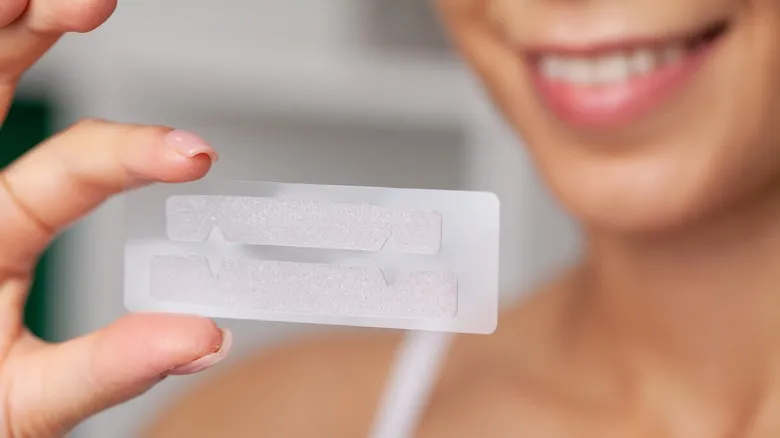
Another significant advantage of hydrogen peroxide teeth whitening is its convenience and accessibility. The products are readily available without a prescription, making them easy to purchase and use at home. This eliminates the need for appointments and allows individuals to whiten their teeth on their schedule. Home application methods, such as using whitening strips or custom trays with hydrogen peroxide gel, are designed to be user-friendly, requiring minimal time and effort. This convenience is particularly beneficial for those with busy lifestyles who are seeking a hassle-free way to improve their smile. The ease of access to hydrogen peroxide products contributes to their popularity as a teeth whitening solution.
Home Application Methods
Several methods can be employed at home to whiten teeth with hydrogen peroxide. Whitening strips are a popular choice, pre-loaded with a hydrogen peroxide solution and easy to apply. Another common approach involves using custom-made or over-the-counter trays filled with a hydrogen peroxide gel. These trays ensure that the whitening agent comes into close contact with the teeth. DIY methods, such as mixing hydrogen peroxide with baking soda, are also used, though these should be approached with caution due to the potential for abrasion. Regardless of the chosen method, it’s crucial to follow the manufacturer’s instructions carefully to ensure safety and effectiveness. Regular use, as directed, is key to achieving the desired results.
Potential Side Effects of Hydrogen Peroxide
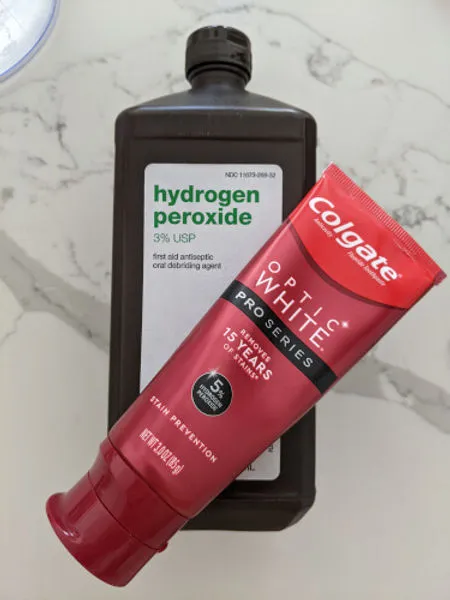
While hydrogen peroxide can be effective for teeth whitening, it is essential to be aware of potential side effects. The most common issues are sensitivity and irritation. Some users experience increased tooth sensitivity, especially to hot or cold temperatures, which can be temporary or, in some cases, more prolonged. Gum irritation is another potential side effect, often manifesting as redness or soreness. Proper application techniques and adherence to product instructions can help to minimize these effects. However, it’s important to consult with a dentist if any adverse reactions persist or worsen.
Sensitivity and Irritation
Tooth sensitivity and gum irritation are the most frequently reported side effects of hydrogen peroxide teeth whitening. The peroxide can penetrate the enamel and reach the nerve endings, causing temporary sensitivity. This is more common with higher concentrations or more frequent applications. Gum irritation occurs when the whitening agent comes into contact with the soft tissues of the mouth. To mitigate these side effects, it is crucial to use the recommended amount of hydrogen peroxide, avoid over-application, and ensure that the product does not come into direct contact with the gums. Using a desensitizing toothpaste can help manage sensitivity, and stopping the treatment can allow the gums to recover.
Enamel Damage Concerns
A significant concern regarding hydrogen peroxide teeth whitening is the potential for enamel damage. Although enamel is the hardest substance in the human body, prolonged or improper use of hydrogen peroxide can lead to demineralization, weakening the enamel and making teeth more susceptible to decay. This risk is greater with high concentrations and frequent applications. To minimize the risk of enamel damage, follow the instructions on the product carefully, and consider consulting a dentist for advice. They can assess your teeth’s condition and recommend a safe and effective whitening strategy. Furthermore, using a toothpaste that remineralizes the enamel can help protect your teeth while whitening.
In conclusion, hydrogen peroxide offers a convenient and cost-effective solution for teeth whitening, but it is essential to consider the potential benefits and risks. By understanding the effectiveness, cost, convenience, and possible side effects, individuals can make an informed decision about incorporating hydrogen peroxide into their oral hygiene routine. Proper application and adherence to recommended guidelines are crucial for achieving a brighter smile while minimizing the risk of adverse effects. Consulting a dentist before starting any whitening treatment is always recommended to ensure that it is safe and appropriate for your specific dental needs.