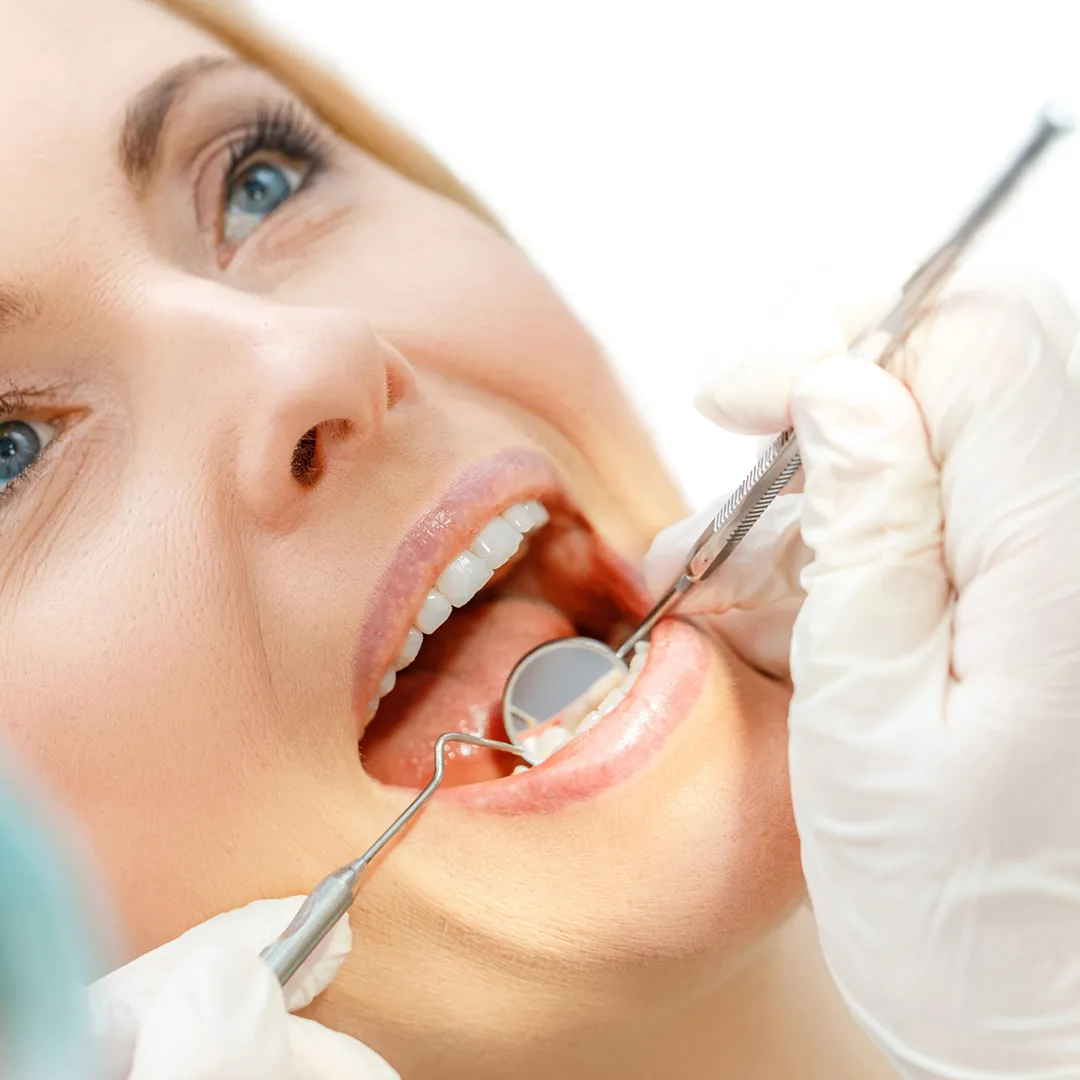
What is Dental Cleaning and Whitening
Dental cleaning and whitening are two distinct yet complementary procedures aimed at enhancing the health and appearance of your smile. Dental cleaning, often performed by a dental hygienist, focuses on removing plaque, tartar (calculus), and stains from your teeth. This not only improves the aesthetics of your smile but also prevents gum disease and cavities. Whitening, on the other hand, is a cosmetic procedure that lightens the color of your teeth, reducing discoloration caused by aging, lifestyle habits like smoking and coffee consumption, or certain medications. Both procedures contribute to a healthier, more confident smile, making them essential components of comprehensive dental care.
The Benefits of Professional Dental Cleaning
Professional dental cleaning offers a multitude of benefits that extend beyond a brighter smile. Regular cleanings, typically recommended every six months, are crucial for preventing gum disease, also known as periodontal disease. During a cleaning, the dental hygienist removes plaque and tartar buildup that harbors bacteria, which can cause inflammation and infection of the gums. This preventative measure helps maintain healthy gums and prevents the progression to more serious conditions like gingivitis and periodontitis. Moreover, professional cleaning allows the dentist to identify potential issues early, such as cavities or signs of gum recession, enabling timely intervention and preventing more extensive dental work down the line. The feeling of having clean, smooth teeth and fresh breath is an added bonus, boosting your overall oral health and well-being.
Preventing Gum Disease

Preventing gum disease is a primary goal of professional dental cleaning. The process involves scaling and polishing the teeth to remove plaque and tartar, which are the main culprits behind gum inflammation and infection. Scaling removes hardened deposits above and below the gum line, while polishing smooths the tooth surfaces to prevent future buildup. The hygienist may also use specialized tools to access hard-to-reach areas, ensuring a thorough cleaning. Regular professional cleanings disrupt the bacteria colonies that thrive in plaque and tartar, thereby reducing the risk of gingivitis (early-stage gum disease) and periodontitis (advanced gum disease). Maintaining healthy gums not only supports your teeth but also contributes to overall health, as gum disease has been linked to other systemic health issues.
How Whitening Works
Teeth whitening utilizes bleaching agents, typically containing hydrogen peroxide or carbamide peroxide, to lighten the color of your teeth. These agents penetrate the enamel and dentin, breaking down the stain molecules that cause discoloration. The process involves oxidizing the stains, effectively making them less visible and resulting in a brighter smile. The effectiveness of whitening depends on the concentration of the bleaching agent, the duration of application, and the type of staining present. Different whitening methods, such as in-office treatments and at-home kits, use varying concentrations of the bleaching agent and application techniques. It’s essential to consult with a dentist to determine the most suitable whitening approach for your specific needs and to address any underlying dental issues that might affect the outcome.
Types of Teeth Whitening Procedures
There are several teeth whitening procedures available, each with its own advantages and considerations. The primary categories include in-office whitening, performed by a dentist, and at-home whitening kits, often prescribed by a dentist or available over-the-counter. In-office whitening provides the most immediate and dramatic results, using high-concentration bleaching agents activated by special lights or lasers. At-home kits, on the other hand, offer a more gradual approach, with lower concentrations of bleaching agents used over several days or weeks. These kits typically involve custom-fitted trays or strips that hold the whitening gel against the teeth. The choice of whitening procedure depends on factors such as the severity of staining, desired results, budget, and personal preference. Consulting with a dentist helps determine the best option for your individual needs and ensures safe and effective whitening.
In-Office Whitening

In-office whitening, also known as professional teeth whitening, offers the most rapid results. The procedure is performed by a dentist or a trained dental professional in a clinical setting. A high concentration of bleaching agent, typically hydrogen peroxide, is applied to the teeth. To enhance the whitening process, a special light or laser may be used to activate the bleaching agent, accelerating the stain removal. The entire procedure usually takes about an hour, and you can often see significant improvement in the color of your teeth after just one session. Because the procedure is carried out under professional supervision, the dentist can monitor the process and address any potential sensitivity or complications. In-office whitening is an excellent choice for individuals seeking immediate results and a brighter smile for special occasions.
At-Home Whitening Kits
At-home whitening kits provide a convenient and cost-effective option for teeth whitening. These kits typically include custom-fitted trays or pre-filled strips containing a lower concentration of bleaching agent, such as carbamide peroxide or hydrogen peroxide. You wear the trays or apply the strips to your teeth for a specified amount of time each day, typically for a few minutes to several hours, depending on the product and the dentist’s instructions. The process is usually carried out over several days or weeks, allowing for gradual whitening. At-home kits are available in various forms, including those prescribed by a dentist and over-the-counter options. While over-the-counter kits are generally less potent and may take longer to show results, dentist-supervised kits often offer better effectiveness and the added benefit of professional guidance.
Maintaining Your Sparkling Smile
Maintaining a sparkling, white smile requires a consistent oral hygiene routine and mindful dietary choices. After undergoing dental cleaning and whitening procedures, it’s essential to protect your investment by practicing good oral hygiene habits. Brushing your teeth at least twice a day with a fluoride toothpaste helps remove plaque and surface stains. Flossing daily is also crucial to remove food particles and plaque from between your teeth and along the gumline, areas that brushing often misses. Regular dental check-ups and professional cleanings, typically every six months, are key to maintaining optimal oral health and preventing the return of stains. Using a whitening toothpaste can further enhance the brightness of your teeth and help maintain the results of whitening treatments.
Oral Hygiene Routine

A comprehensive oral hygiene routine is fundamental to a healthy and radiant smile. Brushing your teeth for at least two minutes, twice a day, is the cornerstone of good oral hygiene. Use a soft-bristled toothbrush and a fluoride toothpaste to effectively remove plaque and food particles. Ensure you brush all surfaces of your teeth, including the front, back, and chewing surfaces. Flossing at least once a day is equally important to clean between your teeth and along the gumline, where a toothbrush cannot reach. Consider using an antibacterial mouthwash to further reduce plaque and bacteria in your mouth. Regular tongue scraping can also help remove bacteria and improve breath freshness. Consistency in your oral hygiene routine, along with regular dental check-ups, is crucial to maintaining healthy gums and a bright smile.
Dietary Considerations for a Whiter Smile
Your diet significantly impacts the appearance of your teeth. Certain foods and drinks can stain your teeth, while others help maintain their brightness. Minimize the consumption of staining agents such as coffee, tea, red wine, and dark-colored berries. These items contain chromogens, which can easily adhere to the enamel and cause discoloration. If you consume these staining foods, try to brush your teeth soon afterward or rinse your mouth with water. Incorporate teeth-friendly foods into your diet, such as crunchy fruits and vegetables like apples and carrots, which naturally help scrub the teeth and stimulate saliva production. Saliva acts as a natural cleanser, washing away food particles and neutralizing acids that can erode enamel. Drinking plenty of water also helps rinse away food debris and keeps your mouth hydrated, supporting overall oral health and a brighter smile.
When to See a Dentist
Regular visits to the dentist are essential for maintaining a healthy and beautiful smile. It is generally recommended to schedule check-ups and professional cleanings every six months. These appointments allow the dentist to assess your overall oral health, detect any potential issues early on, and perform necessary treatments. During a check-up, the dentist will examine your teeth, gums, and mouth for signs of cavities, gum disease, or other oral health problems. They may also take X-rays to evaluate areas not visible during a visual examination. If you experience any oral discomfort, such as toothaches, sensitivity, or bleeding gums, it’s crucial to see a dentist promptly. Early intervention can prevent more serious dental problems. Additionally, consult with your dentist before undergoing any teeth whitening procedures to ensure they are safe and appropriate for your specific needs.