What is Gum Damage from Teeth Whitening
Teeth whitening, a popular cosmetic procedure, aims to brighten your smile. However, while it can be effective, it’s crucial to understand the potential risks, particularly gum damage. Gum damage from teeth whitening occurs when the bleaching agents used in these procedures come into contact with the soft tissues of your gums. This contact can lead to a range of issues, from mild irritation to more severe conditions. The severity of the damage depends on various factors, including the concentration of the whitening agent, the duration of exposure, and individual sensitivity. It is important to recognize that the gums, unlike the enamel of your teeth, are not designed to withstand these harsh chemicals. Therefore, proper precautions and professional guidance are essential to minimize risks and ensure a healthy, radiant smile. Ignoring potential risks can lead to significant discomfort and long-term oral health problems.
Common Causes of Gum Damage
Several factors can contribute to gum damage during teeth whitening. Understanding these causes can help you take preventive measures and make informed decisions about your oral care. The most common culprits include the whitening agents themselves, the way the whitening products are used, and the fit of the whitening trays. It is crucial to be aware of these issues to minimize the risks and ensure you are using teeth whitening methods safely. Choosing the right method, consulting with a dental professional, and carefully following instructions are all vital steps to protect your gums. Regular check-ups and adherence to aftercare instructions are also crucial to ensure the long-term health of your gums and teeth.
Chemical Burns from Whitening Agents

The active ingredients in teeth whitening products, such as hydrogen peroxide or carbamide peroxide, can cause chemical burns if they come into direct contact with the gums. These chemicals, designed to break down stains on the teeth, can irritate and damage the delicate tissues of the gums. The severity of the burn depends on the concentration of the whitening agent and the duration of exposure. Chemical burns can manifest as white or inflamed patches on the gums, accompanied by pain and sensitivity. Proper application and the use of protective measures are vital to avoid such adverse reactions. Always follow the manufacturer’s instructions and seek professional advice if you experience any unusual symptoms.
Irritation from Ill-Fitting Trays
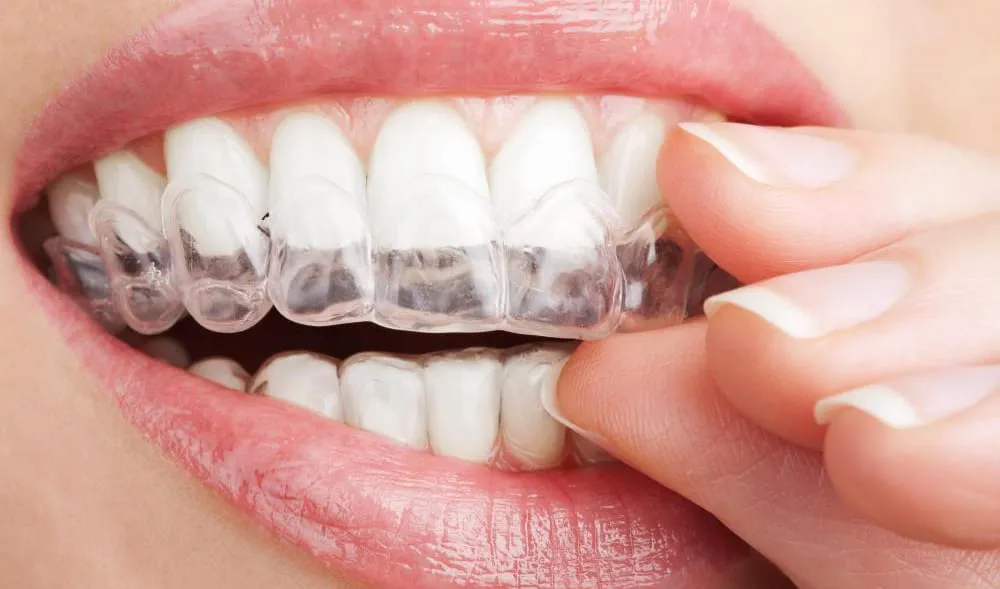
Ill-fitting whitening trays are another significant contributor to gum damage. When trays don’t fit properly, the whitening solution can leak onto the gums, increasing the risk of irritation and burns. Poorly fitted trays often cause uneven distribution of the whitening agent, leading to inconsistent results and increased risk to the gums. Custom-fitted trays, made by a dentist, offer the best protection. These trays are designed to fit snugly around your teeth, minimizing leakage and ensuring that the whitening agent stays where it’s supposed to be. If you’re using over-the-counter trays, pay close attention to the fit and consider consulting with your dentist to ensure the trays are safe for your gums. Proper fitting is a key element in successful and safe teeth whitening.
Overuse of Whitening Products
Using teeth whitening products too frequently or for prolonged periods can significantly damage your gums. Overuse can weaken the enamel of your teeth, making them more susceptible to sensitivity and irritation. It can also lead to chronic gum inflammation. Following the recommended usage guidelines is crucial. Many over-the-counter products provide specific instructions on how often and for how long to use them. For professional treatments, your dentist will determine the appropriate frequency and duration based on your oral health and desired results. Avoid the temptation to whiten your teeth more often than recommended, as this increases the risk of gum damage. Patience and adherence to the guidelines are essential for both achieving a brighter smile and protecting your oral health.
Top 7 Facts About Gum Damage from Teeth Whitening

Understanding the specifics of gum damage related to teeth whitening can empower you to make informed decisions about your oral care. These facts highlight the various ways whitening can impact your gums and what you can do to mitigate the risks. Being aware of these potential problems will enable you to take proactive steps and choose safer methods of teeth whitening. The following facts provide essential insights into what to expect and how to safeguard your gums from harm during the whitening process, helping you maintain a healthy and beautiful smile.
Fact 1 Gum Sensitivity
One of the most common side effects is increased sensitivity in your gums. This sensitivity can manifest as discomfort when brushing or flossing or when consuming hot or cold foods and drinks. The bleaching agents can irritate the delicate tissues of the gums, causing heightened sensitivity. This is often temporary, subsiding within a few days after you stop whitening or reduce the frequency of treatment. Using desensitizing toothpaste before and during the whitening process can help manage sensitivity. If the sensitivity persists or becomes severe, consult your dentist for advice and treatment options.
Fact 2 Gum Irritation
Gum irritation is a direct result of contact with the whitening agents. This can range from mild redness and swelling to more severe inflammation. Irritation can make your gums tender and more susceptible to injury. Proper tray fit and avoiding overuse are key to preventing irritation. If irritation occurs, rinsing your mouth with lukewarm saltwater can help soothe the gums. In severe cases, a dentist may recommend special treatments or advise you to pause whitening until your gums heal.
Fact 3 Gum Recession

In some cases, particularly with improper use or pre-existing gum problems, teeth whitening can contribute to gum recession. Gum recession exposes the roots of your teeth, leading to increased sensitivity and the potential for decay. Regular dental check-ups can help detect and address early signs of recession. If you notice your gums receding, consult your dentist immediately. They can recommend treatments to protect the exposed roots and prevent further damage. Careful monitoring and proper technique are critical to prevent this serious consequence.
Fact 4 Chemical Burns
Chemical burns are a more severe form of gum damage. They occur when the whitening agent comes into direct and prolonged contact with the gums. These burns can cause white or blistered patches on the gums, accompanied by significant pain. The severity of the burns depends on the concentration of the whitening agent and the duration of exposure. To avoid chemical burns, ensure that your whitening trays fit properly and that you follow all instructions carefully. If you suspect you have a chemical burn, seek immediate dental attention.
Fact 5 Increased Tooth Sensitivity
While not directly gum damage, increased tooth sensitivity is a common side effect that can indirectly affect gum health. Sensitive teeth can make it difficult to maintain proper oral hygiene, as brushing and flossing can become painful. This can lead to a buildup of plaque and bacteria, increasing the risk of gum disease. Using desensitizing toothpaste and gentle brushing techniques can help manage this sensitivity. If you experience significant tooth sensitivity, consult your dentist for advice on managing and preventing it.
Fact 6 Potential for Infection

Any damage to the gums increases the risk of infection. Damaged gums can create entry points for bacteria, leading to infections like gingivitis or periodontitis. Proper oral hygiene is essential to prevent infection. Brushing and flossing regularly, using an antibacterial mouthwash, and attending regular dental check-ups can help keep your gums healthy and prevent infection. If you suspect a gum infection, see your dentist as soon as possible for treatment.
Fact 7 Long-Term Gum Problems
Repeated or severe gum damage can lead to long-term problems such as chronic inflammation, gum disease, and even tooth loss. Protecting your gums during teeth whitening is crucial for maintaining overall oral health. Regular dental care and following all safety precautions are essential. If you have a history of gum problems or are prone to them, discuss your whitening options with your dentist to determine the safest approach.
How to Prevent Gum Damage During Teeth Whitening
Preventing gum damage during teeth whitening is paramount to ensure a healthy, beautiful smile. There are several steps you can take to protect your gums and minimize the risks associated with whitening procedures. From choosing the right method to practicing proper aftercare, these preventive measures will help keep your gums safe and your smile bright. Consulting with a dentist is crucial, as they can provide tailored advice and ensure that your whitening process is safe and effective. Adhering to these guidelines will help you achieve optimal results while safeguarding your oral health. Making informed choices is the first step to a safe and successful whitening experience.
Choosing the Right Whitening Method

The whitening method you choose plays a significant role in protecting your gums. Professional whitening treatments performed by a dentist often offer better control and safety. Dentists can use higher concentrations of whitening agents safely because they know how to protect the gums. Over-the-counter products, such as whitening strips or trays, can be effective, but they require careful use to prevent gum damage. Consult with your dentist to determine which method is best suited for your needs and oral health. They can also provide guidance on the proper use of any product, ensuring your gums are protected throughout the process.
Consulting with a Dentist
Before starting any teeth whitening treatment, it’s essential to consult with a dentist. A dentist can assess your oral health, identify any pre-existing conditions, and recommend the safest and most effective whitening options for you. They can also take impressions for custom-fitted whitening trays, which will minimize the risk of gum damage. Your dentist can provide specific instructions and advice based on your individual needs. They will also monitor your progress and address any issues or concerns that may arise. Regular dental check-ups and professional guidance are key to a safe and successful whitening experience.
Proper Tray Fit and Usage
If you choose to use at-home whitening trays, ensuring a proper fit and following instructions carefully is essential to prevent gum damage. Ill-fitting trays can leak whitening solution onto the gums, leading to irritation and burns. Custom-fitted trays, made by a dentist, offer the best protection. If using over-the-counter trays, inspect the fit closely and avoid overfilling them with the whitening agent. Always follow the recommended duration of treatment and never exceed the instructions provided by the product manufacturer or your dentist. Careful attention to detail will greatly reduce the risk of damaging your gums.
Using Whitening Products as Directed

Adhering to the manufacturer’s instructions for any whitening product is crucial for minimizing the risk of gum damage. This includes the frequency of use, the duration of treatment, and the amount of product to apply. Overuse or misuse of whitening products can lead to increased sensitivity, irritation, and chemical burns. Carefully read and follow all instructions provided with the product. If you have any questions or concerns, consult your dentist. They can provide guidance on the proper use of the products and help you avoid potential problems. Patience and diligence in following the instructions will contribute to a safer and more effective whitening experience.
Aftercare for Whitening to Protect Your Gums
Proper aftercare is crucial to help your gums recover and maintain their health after teeth whitening. Implementing these measures will not only soothe your gums but also ensure the long-term success of your whitening treatment. The goal of aftercare is to prevent irritation, promote healing, and maintain good oral hygiene. These aftercare steps will help keep your gums healthy and your smile bright. Following these aftercare tips will allow you to enjoy a healthier, brighter smile for years to come.
Maintaining Good Oral Hygiene
Maintaining good oral hygiene is essential for protecting your gums after teeth whitening. Brush your teeth gently with a soft-bristled toothbrush to avoid further irritation. Floss daily to remove plaque and food particles from between your teeth and along your gumline. Rinse your mouth with an antibacterial mouthwash to help reduce bacteria and prevent infection. Proper oral hygiene helps promote healing and prevents complications. It’s a cornerstone of good oral health and vital for keeping your gums healthy and your teeth sparkling. Make sure to prioritize gentle brushing and flossing to avoid damaging your sensitive gums further.
Regular Dental Check-ups
Regular dental check-ups are an important part of aftercare and overall oral health. Your dentist can assess your gums for any signs of damage or irritation and provide appropriate treatment. They can also clean your teeth, removing any plaque or tartar that can contribute to gum disease. Regular check-ups allow your dentist to monitor your oral health and address any potential problems early. They can provide personalized advice and care based on your individual needs, ensuring your teeth and gums stay healthy and your smile remains bright and beautiful. Schedule and keep those appointments!
Using Sensitivity Toothpaste
If you experience increased tooth sensitivity after teeth whitening, using a sensitivity toothpaste can provide relief. These toothpastes contain ingredients that help block the tubules in your teeth, reducing sensitivity to hot and cold foods and drinks. Use the sensitivity toothpaste for several weeks before and after whitening to prepare and protect your teeth. Continue using the toothpaste as needed. Your dentist can recommend the best sensitivity toothpaste for your needs. Reducing sensitivity will make it easier to maintain proper oral hygiene, allowing your gums to heal and stay healthy.