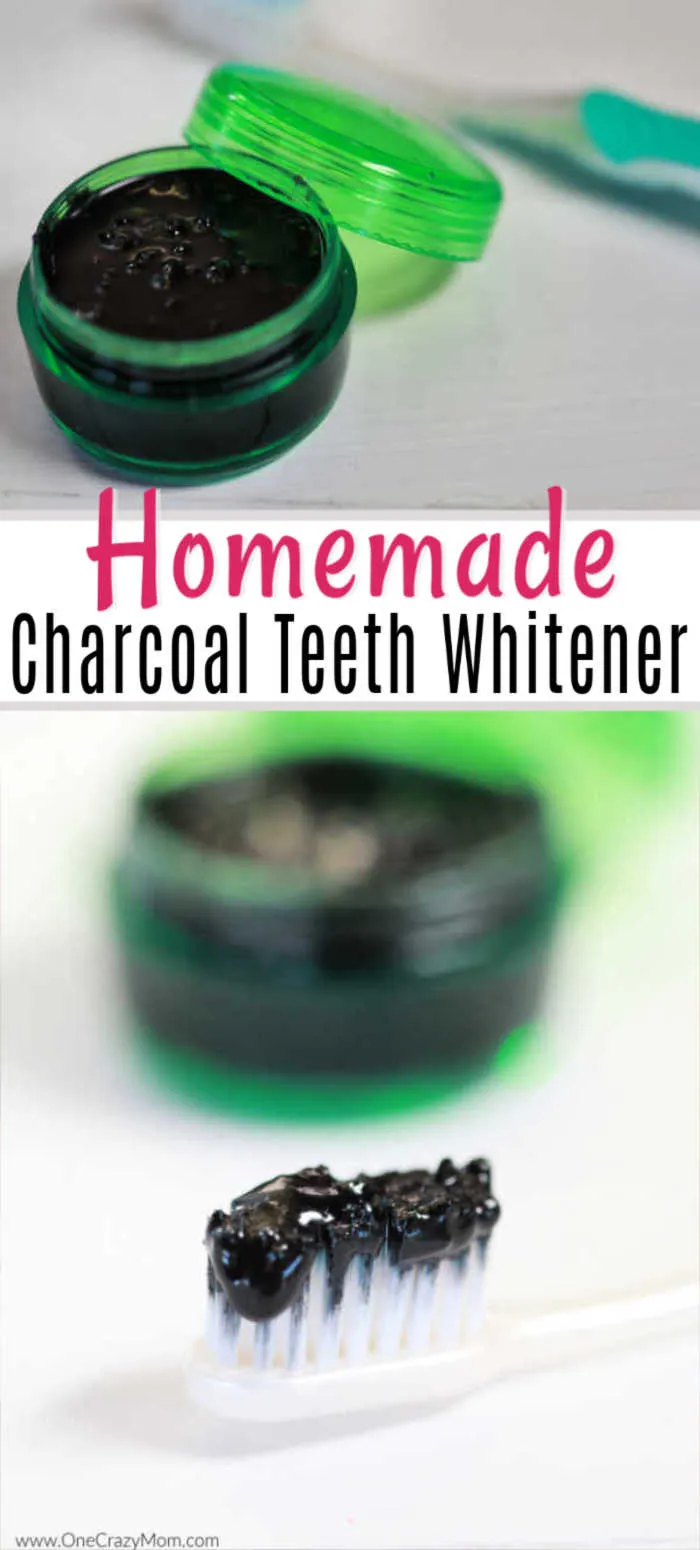
What is Charcoal Teeth Whitening
Charcoal teeth whitening has gained significant popularity as a natural and DIY approach to achieving a brighter smile. This method typically involves using activated charcoal, a fine black powder derived from sources like coconut shells or other organic materials, to help remove stains and discoloration from teeth. The appeal lies in its accessibility, affordability, and the perception of being a more natural alternative to conventional teeth whitening treatments. The rise in popularity stems from the desire for a more holistic approach to oral care, aligning with a growing trend towards natural and eco-friendly products. Many people are seeking solutions that are free from harsh chemicals and potentially harmful additives, making charcoal whitening a compelling option for those looking to enhance their smile naturally.
How Charcoal Works for Whitening
The effectiveness of charcoal in teeth whitening is primarily attributed to its abrasive and absorptive properties. Activated charcoal has a porous surface that can attract and bind to stains, plaque, and other impurities on the teeth. As the charcoal gently scrubs against the teeth during brushing, it helps to lift these stains, revealing a brighter and cleaner surface. Think of it as a gentle polishing action. This process is different from chemical whitening treatments that use bleaching agents to penetrate the enamel. The physical action of charcoal is what contributes to its stain-removing capabilities. Furthermore, the absorptive nature of charcoal allows it to draw out toxins and bacteria from the mouth, contributing to overall oral hygiene. This dual action of stain removal and oral cleansing makes charcoal a potentially appealing option for those seeking a natural whitening solution.
The Science Behind Charcoal’s Effectiveness

While anecdotal evidence and user experiences often highlight the benefits of charcoal teeth whitening, it’s important to examine the science behind it. Activated charcoal’s effectiveness is based on its unique properties. The porous structure of activated charcoal allows it to adsorb (not absorb) surface stains and impurities. Adsorption is a surface phenomenon where molecules adhere to the surface, rather than being absorbed into the material. However, the abrasive nature of charcoal can potentially wear down the enamel over time if used incorrectly or too frequently. There is ongoing debate and research regarding its long-term effects on tooth enamel and the level of whitening it can achieve compared to professional treatments. Many studies have shown charcoal can remove stains from teeth, but more studies are needed to evaluate the safety and effectiveness.
DIY Charcoal Teeth Whitening Secrets
Embarking on a DIY charcoal teeth whitening journey can be an exciting step towards achieving a brighter smile. The process, while seemingly simple, involves key considerations to ensure both effectiveness and safety. Let’s explore some essential secrets to maximize results while minimizing potential risks. From selecting the right charcoal to mastering the brushing technique, understanding these aspects will help you navigate the process with confidence. Remember, the goal is not just to whiten teeth but also to maintain and promote oral health. These secrets will provide you with the knowledge to utilize charcoal effectively and safely for your teeth whitening goals.
Choosing the Right Charcoal
The foundation of effective charcoal teeth whitening lies in selecting the right type of charcoal. Activated charcoal, the specific form used for teeth whitening, is processed to increase its absorptive properties. Look for activated charcoal derived from natural sources like coconut shells, wood, or bamboo. Ensure the product is food-grade or dental-grade, as these are processed to meet standards that ensure safety. Avoid products that contain additives, artificial flavors, or sweeteners. Reading product labels carefully is essential. The texture of the charcoal should be fine and not overly abrasive. Coarse particles can potentially damage enamel. Opting for reputable brands and reading reviews can help you make an informed decision. If you are unsure, consult a dentist for recommendations.
Activated Charcoal vs Other Types

It’s crucial to distinguish between activated charcoal and other types of charcoal to ensure you’re using the correct product. Activated charcoal is specifically processed to be highly absorbent, making it suitable for teeth whitening. This processing increases its surface area and ability to bind to stains and impurities. Other forms of charcoal, such as those used for grilling or art, are not suitable for oral use and can contain harmful chemicals. Always check the label to ensure the product is specifically labeled as “activated charcoal” and intended for dental use. Understanding the differences between these types can prevent accidental use of potentially harmful materials and ensure the effectiveness of your whitening efforts. Choosing the right product is the first crucial step towards a safe and effective DIY teeth whitening experience.
Finding the Right Charcoal
The quality of the charcoal can significantly impact your whitening experience. Look for activated charcoal that is finely milled to avoid damaging your enamel. The source of the charcoal also matters; coconut shell-based charcoal is often preferred due to its purity. Read reviews and compare products from different brands to gauge their effectiveness and user experiences. Consider buying from a reputable source to ensure you are getting a safe product. Some charcoal products are combined with other ingredients, such as bentonite clay or essential oils, which may improve the whitening effect or enhance the taste and texture. Always be mindful of the ingredients and choose products that align with your oral health needs and preferences. Additionally, consult with your dentist to ensure that charcoal whitening is appropriate for your teeth and oral health condition.
DIY Charcoal Whitening Recipe 1
This basic recipe focuses on the core ingredient. It offers a simple approach for those new to charcoal teeth whitening. This recipe utilizes activated charcoal powder. It is one of the easiest ways to start, requiring minimal ingredients. Following this recipe can serve as a starting point for experimenting with the method. Remember, consistency and proper technique are key to achieving noticeable results. This recipe allows you to experience the basic aspects of charcoal teeth whitening without adding other ingredients that could potentially cause allergic reactions or other issues.
Ingredients You’ll Need

- 1 teaspoon of activated charcoal powder (food-grade)
- A small amount of water (enough to create a paste)
Step-by-Step Instructions
- Pour the activated charcoal powder into a small, clean container.
- Add a small amount of water, gradually mixing until you achieve a paste-like consistency.
- Dip your toothbrush into the paste, ensuring it is evenly coated.
- Brush your teeth gently for 2-3 minutes, focusing on all surfaces.
- Rinse your mouth thoroughly with water and brush again with regular toothpaste to remove any remaining charcoal.
- Repeat this process once or twice per day for best results.
DIY Charcoal Whitening Recipe 2
This recipe combines charcoal with coconut oil, which adds antibacterial and potential health benefits. Coconut oil is known for its natural properties. It enhances the experience and may contribute to overall oral health. This recipe offers a more comprehensive approach to teeth whitening. Adding coconut oil creates a more pleasant brushing experience. This recipe is a great option for those looking for a more holistic method of teeth whitening. This recipe is also designed to incorporate the benefits of coconut oil for a more comprehensive and effective cleaning experience. Remember to incorporate these recipes into your regular oral care routine for optimal results.
Ingredients You’ll Need

- 1 teaspoon of activated charcoal powder (food-grade)
- 1/2 teaspoon of organic, virgin coconut oil
- A small amount of water (enough to create a paste)
Step-by-Step Instructions
- Combine the activated charcoal and coconut oil in a small, clean container.
- Add a small amount of water, mixing until a paste is formed.
- Apply the paste to your toothbrush.
- Brush your teeth gently for 2-3 minutes, making sure to cover all surfaces.
- Rinse your mouth thoroughly with water and brush again with regular toothpaste.
- Use this mixture once or twice a day to see optimal effects.
Important Tips for Success
Achieving the best results with DIY charcoal teeth whitening involves more than just following a recipe. Several important tips can help you maximize the effectiveness while minimizing potential risks. From the brushing technique to the frequency of use, these tips will guide you toward a successful and safe whitening experience. These practices are essential for ensuring that you’re not only whitening your teeth but also maintaining and promoting your overall oral health. Implementing these tips will help you use charcoal teeth whitening effectively and safely.
Proper Brushing Technique

The way you brush with charcoal is as important as the ingredients themselves. Use a gentle circular motion. Do not scrub harshly, as this can damage your enamel. Focus on cleaning all surfaces of your teeth, including the front, back, and chewing surfaces. Applying too much pressure can cause abrasion. Using a soft-bristled toothbrush is highly recommended to further reduce the risk of enamel erosion. Make sure to reach every corner of your mouth while brushing. Doing so ensures a more thorough clean, contributing not only to whitening but also to overall oral hygiene. A correct brushing technique maximizes the effectiveness of charcoal and safeguards the health of your teeth and gums.
Frequency of Use
Finding the right frequency of use is critical for achieving the desired results. While charcoal can effectively remove stains, excessive use may lead to enamel erosion. Generally, it’s advisable to use charcoal for teeth whitening no more than once or twice a day. Starting with less frequent use and monitoring your teeth’s sensitivity is a good approach. If you notice any increase in sensitivity or discomfort, reduce the frequency. It is essential to balance the desire for whiter teeth with the need to protect your enamel. Overusing charcoal will not give you quicker results. Overuse can harm your teeth’s health and potentially cause damage. It’s best to follow this guideline to keep your teeth strong and healthy.
Avoiding Common Mistakes
Avoiding common mistakes is vital for a successful and safe charcoal teeth whitening experience. One of the biggest mistakes is using too much pressure while brushing, which can wear down your enamel. Another mistake is using charcoal that isn’t of food-grade or dental-grade quality, which could contain harmful chemicals. Overusing charcoal is another common error; stick to the recommended frequency to prevent enamel erosion. Not rinsing properly after brushing can leave charcoal residue. Leaving the residue behind can stain your gums and other areas. Always finish with regular toothpaste to ensure a complete clean. Being aware of these common mistakes will help you to avoid them and improve your outcomes.
Potential Benefits and Risks

While DIY charcoal teeth whitening offers a natural and accessible solution, it’s important to be aware of both the potential benefits and risks associated with this method. From whitening effects to the possibility of enamel damage, understanding these aspects will help you make informed decisions about your oral health. A balanced perspective on the advantages and disadvantages is essential for responsible and effective usage. This will help you decide whether charcoal whitening is the right choice for you.
Benefits of Charcoal Whitening
One of the main benefits of charcoal teeth whitening is its ability to remove surface stains and impurities. This can lead to a brighter smile and enhanced aesthetic appeal. Charcoal is also a natural and affordable alternative to professional whitening treatments. Many users report a noticeable improvement in tooth whiteness after consistent use. Furthermore, activated charcoal may have antibacterial properties, which contribute to overall oral hygiene. It can help remove bacteria and toxins from the mouth. The ease of use and accessibility of the ingredients make charcoal whitening an attractive option for many people. Many people like the feeling of using a natural product. People who prefer natural options can benefit.
Potential Risks and Side Effects
The risks and side effects are important considerations when evaluating charcoal teeth whitening. One major concern is the potential for enamel erosion. Overly abrasive brushing or using charcoal with coarse particles can damage the protective enamel layer, increasing the risk of sensitivity and cavities. Some users may experience increased tooth sensitivity, especially if they have existing dental issues. Another risk is that charcoal may not be effective for all types of stains. Internal stains, caused by factors like medications or genetics, might not be affected by charcoal. There is limited scientific evidence on the long-term effects of charcoal on oral health, so it’s important to use it cautiously and monitor your teeth for any adverse changes. Always consult a dentist if you have any concerns.
Maintaining Your Results
Maintaining the results achieved through DIY charcoal teeth whitening requires a consistent approach to oral hygiene and lifestyle choices. From post-whitening care to adopting long-term oral hygiene habits, these practices will help you preserve your brighter smile. These steps will help you prevent stains from returning. Maintaining your bright smile is important, so it requires consistent work.
Post-Whitening Care
Proper post-whitening care is essential for maximizing the longevity of your results. After using charcoal, rinse your mouth thoroughly with water to remove any remaining residue. Use a soft-bristled toothbrush and regular toothpaste to ensure all charcoal particles are gone. Avoid consuming staining foods and drinks, such as coffee, tea, red wine, and berries, immediately after whitening, as your teeth are more susceptible to staining at this time. You may also consider using a whitening toothpaste to maintain brightness. Regular dental check-ups and cleanings are crucial for monitoring your oral health and addressing any potential issues. Proper care will help maintain a clean and bright smile.
Long-Term Oral Hygiene
Long-term oral hygiene practices are critical for maintaining your bright smile and overall oral health. Brushing your teeth twice a day with fluoride toothpaste is essential for removing plaque and preventing cavities. Flossing daily helps to remove food particles and plaque from between your teeth, where a toothbrush can’t reach. Regular dental check-ups and professional cleanings are important for identifying and addressing any oral health issues early. Limiting your intake of sugary and acidic foods and drinks will reduce the risk of tooth decay and enamel erosion. Incorporating these practices into your daily routine will ensure that you maintain a healthy, bright smile for years to come. A good oral hygiene routine is necessary to maintain the effects of the teeth whitening.
Conclusion
DIY charcoal teeth whitening offers a natural and accessible option for those seeking a brighter smile. While it has its advantages, including stain removal and affordability, it’s essential to approach it with caution and awareness. Following best practices, such as selecting the right charcoal, using proper brushing techniques, and understanding potential risks, is crucial for a safe and effective experience. Remember that charcoal whitening might not be suitable for everyone. Always consult with a dentist to ensure that it aligns with your oral health needs and goals. By taking a balanced approach and prioritizing overall oral health, you can achieve a brighter smile while keeping your teeth healthy.