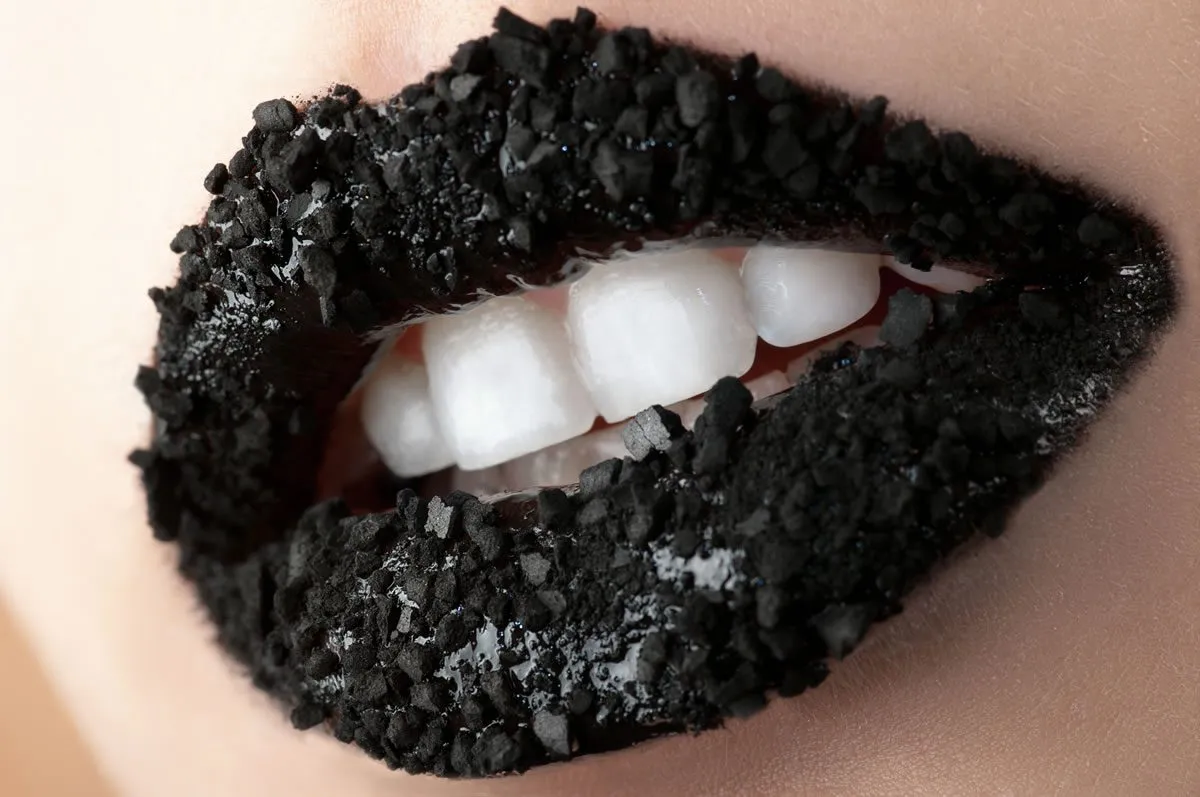
What is Charcoal Teeth Whitening
Charcoal teeth whitening has surged in popularity as a natural method for enhancing your smile’s brightness. This technique primarily utilizes activated charcoal, a fine black powder derived from various sources like coconut shells, wood, or other organic materials. The allure of charcoal teeth whitening stems from its purported ability to absorb stains and impurities from the teeth’s surface, thereby revealing a whiter, more radiant smile. This method offers an alternative to chemical-based whitening treatments, drawing in individuals seeking a more holistic approach to dental care. However, it’s essential to approach this trend with a balanced perspective, acknowledging both its potential benefits and possible drawbacks. Understanding the science behind activated charcoal and its effects on dental health is crucial before incorporating it into your oral hygiene routine. This knowledge will empower you to make informed decisions regarding the pursuit of a brighter smile while ensuring the well-being of your teeth.
How Activated Charcoal Works
The effectiveness of activated charcoal in teeth whitening lies in its unique properties, particularly its high absorbency. Unlike regular charcoal, activated charcoal undergoes a special process that increases its porosity, creating a vast surface area capable of attracting and binding to substances. When used on teeth, activated charcoal works by attaching to stains, plaque, and other impurities that discolor the enamel. As you brush, the charcoal helps to lift these particles away, leaving the teeth cleaner and potentially whiter. This action is primarily a surface-level treatment, as activated charcoal does not chemically alter the tooth structure itself. Rather, it removes the surface stains that accumulate from food, drinks, and other lifestyle factors. It is important to note that while activated charcoal can be effective for removing surface stains, it may not address deeper discoloration caused by factors like genetics, aging, or certain medications. The results of activated charcoal teeth whitening can vary depending on the individual and the nature of the stains.
The Benefits of Charcoal Teeth Whitening

One of the primary benefits of charcoal teeth whitening is its natural approach. For those seeking to avoid the use of harsh chemicals commonly found in other whitening products, activated charcoal presents a gentle alternative. Many users appreciate the absence of artificial additives and the potential for a more holistic approach to oral care. Furthermore, charcoal teeth whitening can be a cost-effective option. Compared to professional whitening treatments or even some over-the-counter products, activated charcoal is relatively inexpensive and readily available. Another advantage lies in its potential to remove surface stains caused by coffee, tea, wine, and other common culprits of tooth discoloration. By removing these stains, charcoal can help to brighten the teeth and improve the overall appearance of the smile. Beyond its whitening effects, some proponents suggest that activated charcoal may help to freshen breath and remove bacteria from the mouth, contributing to improved oral hygiene. However, it is essential to approach these benefits with a realistic perspective.
How to Use Charcoal for Teeth Whitening
Using activated charcoal for teeth whitening is relatively straightforward, but proper technique is essential for safety and effectiveness. Begin by selecting a reputable activated charcoal product, ensuring it is food-grade and intended for oral use. There are several forms available, including charcoal powder, toothpaste, and pre-mixed products. Wet your toothbrush and dip it into the charcoal powder, or apply the charcoal toothpaste. Gently brush your teeth for 2-3 minutes, focusing on covering all surfaces of your teeth. Avoid brushing too aggressively, as this can damage the enamel. After brushing, rinse your mouth thoroughly with water, paying close attention to remove all traces of the charcoal. You may need to repeat the rinsing process several times to ensure complete removal. For best results, use activated charcoal 2-3 times per week, as excessive use may cause sensitivity or enamel erosion. Incorporate it into your regular oral hygiene routine, alongside flossing and the use of mouthwash, for comprehensive dental care.
Choosing the Right Charcoal Product
Selecting the right activated charcoal product is key to a safe and effective teeth whitening experience. The market offers various forms, each with its own advantages and disadvantages. Charcoal powder is a popular choice, offering a pure and versatile option. However, it can be messy to use, and it is crucial to ensure the powder is fine to avoid scratching the enamel. Charcoal toothpaste combines activated charcoal with other ingredients, such as fluoride, to provide a more convenient brushing experience. Look for reputable brands that clearly list their ingredients and avoid products with excessive abrasive agents. Charcoal-infused toothbrushes are also available, offering a gentler way to incorporate charcoal into your routine. Consider your personal preferences and dental needs when choosing a product. Always opt for products that are specifically formulated for oral use and comply with safety standards. Before making a purchase, read reviews and consult with your dentist to ensure the product is suitable for your oral health. This will help minimize the risk of damage and maximize the potential for achieving a brighter smile.
Application Techniques

Proper application techniques are crucial for maximizing the effectiveness and safety of charcoal teeth whitening. Whether using powder or toothpaste, gentle brushing is paramount to avoid damaging the enamel. Use a soft-bristled toothbrush and apply light pressure while brushing for the recommended 2-3 minutes. Focus on covering all surfaces of your teeth, including the front, back, and chewing surfaces. Once you’ve finished brushing, rinsing your mouth thoroughly is essential to remove all traces of the charcoal. You may need to rinse several times to ensure that no black residue remains. Be mindful of the mess, as charcoal can stain surfaces. Consider brushing over the sink or using dark-colored towels to protect your surroundings. After rinsing, you can brush your teeth with your regular toothpaste to further clean and remove any remaining charcoal particles. For optimal results, use activated charcoal 2-3 times per week, and always follow the product’s instructions. Consistency in technique and frequency of use can contribute to achieving the desired whitening effects while safeguarding the health of your teeth. If any discomfort or sensitivity arises, discontinue use and consult your dentist.
Potential Risks and Side Effects
While activated charcoal is generally considered safe, it’s important to be aware of potential risks and side effects. One of the primary concerns is the abrasive nature of charcoal, which can erode the enamel over time if used improperly or too frequently. Enamel erosion can lead to increased tooth sensitivity and make teeth more susceptible to cavities. Some individuals may experience temporary tooth sensitivity or gum irritation after using charcoal. This is often due to the abrasive action of the charcoal or the presence of other ingredients in the product. Another potential side effect is the discoloration of dental work, such as fillings or crowns. Activated charcoal may not whiten these artificial surfaces, and it can even stain them over time. Additionally, there is limited scientific evidence to support the long-term efficacy and safety of charcoal teeth whitening. Before incorporating charcoal into your oral hygiene routine, it is crucial to consult with your dentist. They can assess your individual needs, advise on the suitability of the product, and monitor your teeth for any adverse effects.
Safety Precautions
Prioritizing safety is paramount when using activated charcoal for teeth whitening. Always select a product specifically formulated for oral use and ensure it is food-grade. Avoid products with added abrasive ingredients or harsh chemicals. Before starting, consult with your dentist to assess the condition of your teeth and determine if charcoal teeth whitening is suitable for you. If you have any existing dental work, such as fillings, crowns, or veneers, discuss the potential effects of charcoal with your dentist. Use a soft-bristled toothbrush and brush gently to avoid damaging the enamel. Do not brush too aggressively or apply excessive pressure. Follow the product’s instructions carefully and do not exceed the recommended frequency of use, typically 2-3 times per week. If you experience any sensitivity, pain, or gum irritation, discontinue use immediately and consult your dentist. Regularly monitor your teeth for any signs of enamel erosion or changes in the color of your dental work. Prioritize a comprehensive oral hygiene routine that includes brushing, flossing, and regular dental checkups, in addition to any whitening treatments you may use. This will help maintain the health and brightness of your smile.
Maintenance for a Bright Smile

Maintaining a bright smile after using charcoal teeth whitening requires a consistent and comprehensive approach to oral hygiene. Continue to brush your teeth twice daily with a fluoride toothpaste to protect your enamel and prevent cavities. Floss daily to remove plaque and food particles from between your teeth and under the gumline. Consider using an antibacterial mouthwash to further reduce bacteria and freshen your breath. Limit your consumption of staining foods and beverages, such as coffee, tea, red wine, and dark-colored berries. If you consume these items, rinse your mouth with water afterward or brush your teeth to minimize staining. Schedule regular dental checkups and professional cleanings to maintain optimal oral health. Your dentist can assess your teeth, remove any stubborn stains, and provide personalized recommendations for maintaining a bright smile. Consider using a whitening toothpaste or mouthwash as part of your routine to help maintain the effects of the charcoal treatment. Be consistent with your oral hygiene practices, and you’ll be well on your way to achieving a brighter, healthier smile that you can be proud of. Remember, a healthy smile is a beautiful smile.