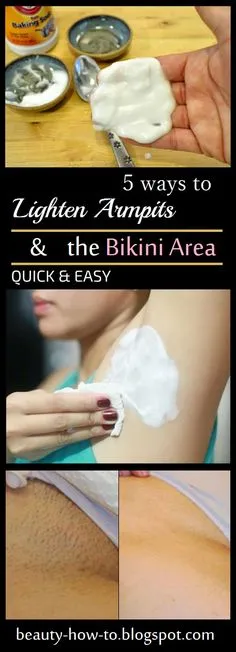
Understanding Bikini Area Hyperpigmentation
Hyperpigmentation in the bikini area, characterized by the darkening of the skin, is a common concern for many individuals. This condition arises from an overproduction of melanin, the pigment responsible for skin color, leading to patches of darkened skin. While it is generally harmless, the aesthetic impact can be bothersome, prompting individuals to seek effective and safe solutions. Understanding the underlying causes is crucial for implementing the right remedies and achieving the desired results. This article will delve into the causes, home remedies, and additional tips to address this prevalent issue and guide you toward brighter, even-toned skin in the bikini area. The goal is to offer practical solutions that are easy to integrate into your daily routine, promoting both skin health and confidence.
Causes of Darkening in the Bikini Area
Several factors contribute to the darkening of the skin in the bikini area. Understanding these causes is essential for effective treatment and prevention. These factors range from simple irritants to more complex biological processes. Identifying the specific cause in your situation is the first step toward finding the most appropriate remedies and strategies. Addressing these factors can help to minimize the recurrence of hyperpigmentation and maintain brighter skin. Therefore, it is essential to consider these points to successfully treat and prevent this issue from happening again.
Common Factors

Several common factors can contribute to hyperpigmentation in the bikini area. Friction from tight clothing or during physical activities such as running or cycling is a significant factor, causing irritation and inflammation, which can lead to increased melanin production. Hormonal changes, such as those during pregnancy or due to hormonal imbalances, can also trigger hyperpigmentation. Skin conditions such as eczema or psoriasis can cause inflammation and subsequent darkening. In addition, certain hair removal methods, like waxing or shaving, can cause irritation and ingrown hairs, which can lead to inflammation and discoloration. Using harsh soaps or products with irritating chemicals in the area can further exacerbate the problem. These factors, when understood, can be proactively managed to prevent and treat hyperpigmentation in the bikini area.
How Home Remedies Work for Bikini Area Whitening
Home remedies work by addressing the underlying causes of hyperpigmentation through various mechanisms. Many natural ingredients contain compounds that inhibit melanin production, the pigment responsible for skin darkening. Other remedies may offer anti-inflammatory properties, reducing inflammation and irritation that can worsen discoloration. Additionally, some home remedies promote gentle exfoliation, helping to remove dead skin cells and revealing brighter skin underneath. The key is to choose remedies with ingredients that are safe for sensitive skin and to use them consistently for the best results. Remember that patience is key, and visible improvements may take time. Always perform a patch test before applying any new remedy to a larger area to ensure there are no adverse reactions. This approach ensures that the remedies are not only effective but also safe for your skin. When selecting home remedies, it is important to prioritize natural ingredients to promote skin health.
Top 5 Home Remedies for Bikini Area Whitening
Here are five effective home remedies known for their skin-whitening properties. These remedies utilize natural ingredients and have been used for generations to address skin discoloration. When used correctly and consistently, these remedies can improve the appearance of the bikini area. It’s important to perform a patch test before regular use to check for any adverse reactions. Remember that results may vary, and it is important to stay consistent with your skincare routine. These remedies offer a holistic approach to achieving brighter, more even-toned skin. This helps to address the issue comprehensively, providing a multi-faceted approach. Please remember to check for allergies before trying any of these options.
Lemon Juice for Bikini Area Whitening

Lemon juice is a widely used natural remedy due to its high citric acid content, a natural bleaching agent. This acid helps to lighten the skin by gently exfoliating and reducing melanin production. The natural properties of lemon can help to gradually reduce the appearance of dark spots. However, it’s important to use lemon juice cautiously. The high acidity can cause irritation, especially on sensitive skin. It is best to dilute lemon juice with water or other soothing ingredients like honey before application. The use of lemon juice should also be accompanied by sun protection, as it can make the skin more sensitive to sunlight.
How to Use Lemon Juice Safely
To use lemon juice safely, dilute fresh lemon juice with an equal amount of water. Apply the mixture to the darkened areas using a cotton ball and leave it on for no more than 15-20 minutes. Rinse thoroughly with cool water. After rinsing, apply a moisturizer to hydrate the skin. Always perform a patch test on a small area of skin before applying it to the entire bikini area to check for any adverse reactions, such as redness or irritation. Avoid sun exposure after application, as lemon juice can increase skin sensitivity. Use this treatment no more than twice a week to prevent over-drying or irritation. Consistency and care are vital when using lemon juice to effectively address hyperpigmentation without causing harm.
Aloe Vera for Bikini Area Whitening
Aloe vera is renowned for its soothing and healing properties. It can help reduce inflammation and promote skin regeneration, both of which are beneficial for treating hyperpigmentation. The natural compounds found in aloe vera can lighten the skin and reduce the appearance of dark spots. Aloe vera also moisturizes the skin, which is essential for preventing dryness and irritation that can worsen hyperpigmentation. Regular use of aloe vera can help in achieving a smoother, brighter skin tone. In addition, its cooling properties provide comfort, making it ideal for sensitive areas like the bikini line. Aloe vera’s gentle nature makes it a suitable remedy for many skin types, effectively complementing other treatments.
Benefits of Aloe Vera

Aloe vera offers numerous benefits for bikini area whitening. The plant’s anti-inflammatory properties soothe irritated skin, which is a common cause of hyperpigmentation. Aloe vera helps in reducing redness and discomfort, promoting an even skin tone. Its hydrating properties keep the skin moisturized, preventing dryness that can worsen discoloration. Applying aloe vera can stimulate skin cell regeneration, facilitating the repair of damaged skin. Additionally, it provides a protective barrier against environmental stressors that can darken the skin. Using aloe vera regularly can improve skin elasticity, leading to a healthier appearance. Aloe vera supports overall skin health while addressing hyperpigmentation in the bikini area.
Yogurt for Bikini Area Whitening
Yogurt contains lactic acid, a natural alpha-hydroxy acid (AHA) that gently exfoliates the skin. This gentle exfoliation helps to remove dead skin cells, revealing a brighter complexion underneath. The lactic acid in yogurt also inhibits the production of melanin, thus helping in lightening dark spots. Using yogurt regularly can help to even out skin tone and reduce discoloration. Yogurt has moisturizing properties, preventing dryness and maintaining skin hydration, which supports the skin’s natural repair processes. Its soothing nature makes it suitable for sensitive areas, while its probiotic content supports overall skin health. Incorporating yogurt into your skincare routine offers a natural and effective approach to addressing hyperpigmentation in the bikini area.
Applying Yogurt Effectively
To use yogurt effectively, apply plain, unsweetened yogurt to the affected area and let it sit for 15-20 minutes. Gently massage the yogurt into the skin to enhance the exfoliating effect. Rinse thoroughly with cool water and pat the skin dry. For best results, apply this treatment 2-3 times per week. You can combine yogurt with other ingredients, such as honey, for added moisturizing and antibacterial benefits. It is important to use fresh, unflavored yogurt without added sugars or artificial ingredients. Always perform a patch test to ensure you do not have any allergic reactions. Consistency in application helps to gradually improve skin tone and reduce hyperpigmentation, revealing brighter and healthier skin over time. This simple yet effective method can be easily integrated into your routine.
Turmeric for Bikini Area Whitening
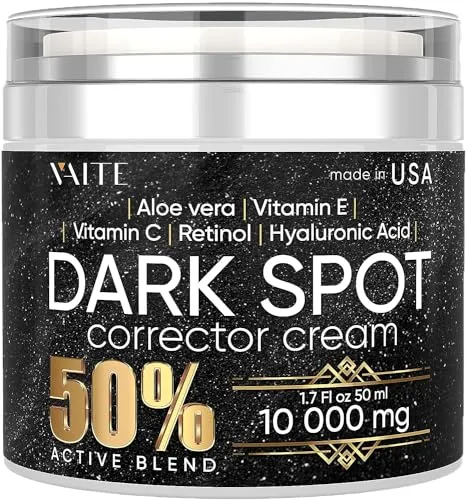
Turmeric contains curcumin, a powerful antioxidant and anti-inflammatory compound. Curcumin helps to inhibit melanin production and reduce inflammation, both of which can lead to skin lightening. Turmeric also possesses antiseptic and antibacterial properties, making it beneficial for treating skin irritations. Regular use of turmeric can help to reduce the appearance of dark spots and promote an even skin tone. Combining turmeric with other ingredients enhances its effectiveness and provides additional benefits. It is essential to use turmeric cautiously, as it can stain the skin if not applied correctly. Its natural compounds make it a valuable asset in your skincare regimen, supporting skin health and addressing hyperpigmentation effectively. Its holistic approach, when coupled with the right ingredients, offers excellent results.
Turmeric Paste Preparation
To prepare a turmeric paste, mix one teaspoon of turmeric powder with two teaspoons of plain yogurt or milk to form a thick paste. Apply the paste evenly to the affected area and leave it on for about 15-20 minutes. Rinse thoroughly with lukewarm water and pat the skin dry. For added benefits, you can include a few drops of honey or lemon juice in the paste. Perform a patch test before applying the paste to the entire area. Use this paste 1-2 times per week for optimal results, avoiding overuse to prevent staining. Careful preparation and application ensure that you receive the skin-lightening benefits without any undesirable effects. Remember that consistency is key.
Baking Soda for Bikini Area Whitening
Baking soda is a mild exfoliant that can help remove dead skin cells and lighten the bikini area. It can also help to balance the skin’s pH levels. Baking soda has natural cleansing properties that may assist in clearing impurities and unclogging pores. However, because it can be abrasive, it is essential to use it with caution and not overuse it to prevent irritation. Proper dilution and moderation ensure that the skin benefits from its exfoliating action without harm. A patch test is advisable before using baking soda on a larger surface. Baking soda can improve skin texture and contribute to a brighter complexion when used with appropriate care. Always follow guidelines for safe and effective usage to get desired results.
Baking Soda Mixture and Usage

To use baking soda, mix one tablespoon of baking soda with a few teaspoons of water to create a paste. Gently apply the paste to the affected area using circular motions for about 1-2 minutes. Rinse thoroughly with cool water and pat the skin dry. Apply a moisturizer afterward to prevent dryness. Use this treatment no more than once a week to avoid irritation. Overuse may cause skin irritation. Always conduct a patch test prior to the application. Monitor the skin’s reaction and adjust usage as needed. For added benefits, incorporate gentle ingredients that are safe and will provide extra care. Follow these steps to obtain better results and prevent any damage.
Additional Tips for Bikini Area Whitening
In addition to home remedies, incorporating additional tips into your routine can greatly enhance the effectiveness of your skin-whitening efforts. These tips address various aspects of skin care and lifestyle choices, helping to maintain a healthy and bright bikini area. These complementary strategies assist in improving skin tone. By integrating these tips into your routine, you can achieve better results while also promoting overall skin health. These simple adjustments can make a significant difference. Implementing these strategies ensures that you provide proper skin care while seeking to lighten the bikini area. Regular application and maintenance will help keep it healthy.
Exfoliation Techniques
Regular exfoliation is vital for removing dead skin cells and promoting skin renewal. This process helps to lighten the skin and improve the absorption of whitening treatments. Gentle exfoliation with a soft washcloth or a mild scrub can be done 1-2 times per week. Avoid harsh scrubs, as they can cause irritation and worsen hyperpigmentation. Use circular motions and be gentle, particularly in the sensitive bikini area. After exfoliating, always apply a moisturizer to hydrate and protect the skin. Choosing the right exfoliation method helps to remove dead skin cells gently and effectively. Following these exfoliation techniques will help you to achieve a brighter, smoother complexion. Be careful not to over-exfoliate.
Choosing the Right Underwear

The type of underwear you wear can influence the darkening of the bikini area. Opt for breathable fabrics such as cotton, which minimize friction and allow air circulation. Avoid synthetic materials that can trap moisture and heat, leading to irritation and discoloration. Choosing underwear that fits well without being too tight reduces friction. Changing your underwear daily and after workouts can also prevent bacterial growth, which helps skin health. By making conscious choices about your underwear, you can protect the skin of your bikini area. These choices will contribute to maintaining a brighter and more comfortable environment. Making these changes promotes skin health and can prevent irritation that contributes to hyperpigmentation.
Maintaining Skin Hydration
Keeping the skin hydrated is essential for preventing dryness and maintaining skin health. Dry skin is more susceptible to irritation and can worsen hyperpigmentation. Apply a fragrance-free, hypoallergenic moisturizer to the bikini area daily, particularly after showering or bathing. Drink plenty of water to hydrate your skin from the inside out. Avoid hot showers, as they can strip the skin of its natural oils, leading to dryness. Proper hydration will help to maintain skin elasticity and promote healthy skin cell turnover. Maintaining the moisture levels is necessary for overall skin health and a bright complexion. These methods ensure that the skin in the bikini area remains moisturized.
When to Consult a Professional
While home remedies can be effective, there are situations when consulting a professional is necessary. A dermatologist can accurately diagnose the cause of hyperpigmentation and suggest appropriate treatment. Professional consultation is beneficial, especially if home remedies don’t provide the desired results or if you observe concerning symptoms. Professional guidance may offer access to advanced treatments or prevent misdiagnosis, which may lead to more serious problems. Involving a professional provides assurance of correct treatment and reduces the possibility of harm. Consulting an expert ensures that you’re receiving the best possible care and that any underlying medical conditions are properly addressed. It is vital to seek advice when the hyperpigmentation is severe or accompanied by other symptoms.
Signs of Skin Irritation

Recognizing the signs of skin irritation is vital for avoiding further complications. If you experience persistent redness, itching, burning, or blistering after applying home remedies, it indicates an adverse reaction. The formation of blisters or open sores warrants immediate medical attention. These signs can indicate an allergic reaction or an infection requiring professional intervention. It’s important to cease using any home remedy that causes irritation. Seeking professional assistance can help you to prevent complications and receive appropriate treatment. Always pay attention to how your skin responds to different treatments. Acting promptly can prevent further damage and ensure the proper management of skin health.
Professional Treatments Options
Dermatologists can offer various professional treatments to address hyperpigmentation. These include chemical peels, which exfoliate the skin to reduce discoloration, and laser therapy, which targets melanin production. Microdermabrasion is another option for removing the top layer of skin and stimulating new cell growth. Topical creams containing ingredients like hydroquinone or retinoids can also be prescribed. These treatments are more potent and can provide faster and more effective results. Professional treatments are often considered when home remedies fail or when a more intensive approach is needed. Consulting with a dermatologist will help determine which treatment is most appropriate for your specific skin type and condition. This provides expert care and offers solutions.