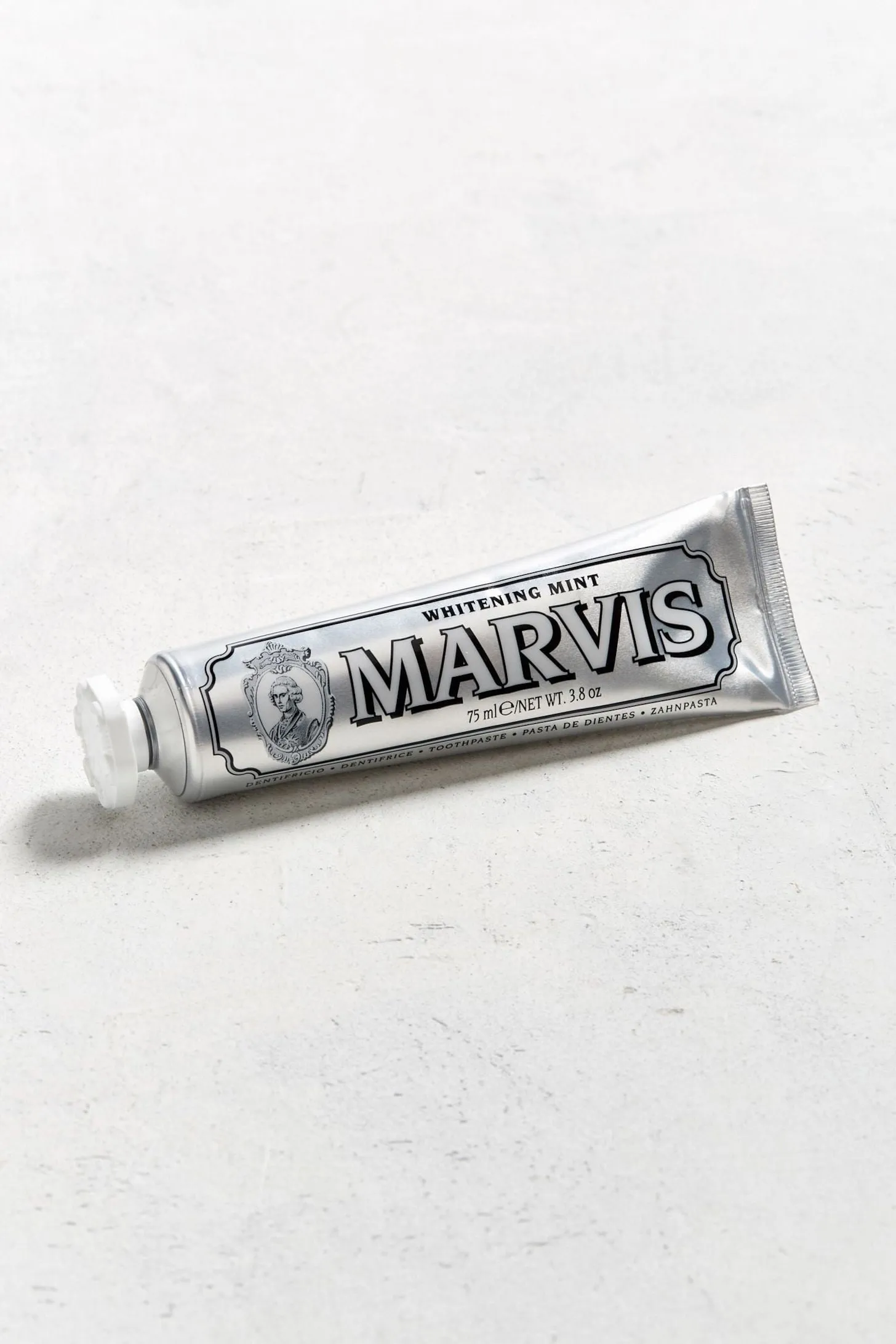
What is Natural Whitening Toothpaste
Natural whitening toothpaste represents a growing trend in oral care, appealing to consumers seeking alternatives to conventional products. These toothpastes prioritize ingredients derived from nature, often excluding harsh chemicals, artificial additives, and synthetic whiteners. The focus is on gentler formulations that aim to brighten teeth while being mindful of overall health and environmental impact. This approach typically involves using abrasive agents, such as hydrated silica or calcium carbonate, to scrub away surface stains, combined with other natural ingredients with stain-removing or whitening properties. Natural whitening toothpastes are formulated to provide a balance between effective cleaning, enamel safety, and a reduced environmental footprint, offering a potentially appealing option for those prioritizing holistic dental care.
Ingredients to Look for
When searching for the best natural whitening toothpaste, it’s essential to understand the key ingredients that contribute to its effectiveness. Several natural components work to gently lift stains and brighten your smile. Consider the following ingredients when making your choice.
Activated Charcoal
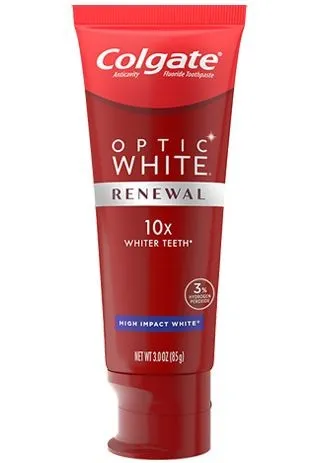
Activated charcoal is a highly absorbent substance derived from materials like coconut shells. It works by adsorbing surface stains, such as those from coffee, tea, and wine, due to its porous nature. This ingredient can contribute to a whitening effect by gently removing these stains. However, the abrasive nature of charcoal means it should be used cautiously and in moderation to avoid potential enamel erosion. Choosing a toothpaste with activated charcoal involves considering its concentration and the overall formulation to ensure both effectiveness and safety for long-term oral health. Regular use should be balanced with professional dental advice.
Baking Soda
Baking soda, or sodium bicarbonate, is a mild abrasive and natural cleanser that can help remove surface stains from teeth. It’s a common ingredient in many natural whitening toothpastes because it gently polishes the enamel, contributing to a brighter smile. Moreover, baking soda can neutralize acids in the mouth, which helps protect against tooth decay. When used in toothpaste, baking soda typically appears in lower concentrations to prevent excessive abrasion. While effective, individuals should be mindful of using baking soda-based toothpaste, as excessive use could lead to enamel wear. Therefore, moderation and monitoring are recommended for those incorporating baking soda into their oral hygiene routine.
Hydrogen Peroxide
Hydrogen peroxide, a well-known bleaching agent, can be found in some natural whitening toothpastes, though typically in lower concentrations than those used in professional treatments. It works by penetrating the enamel and oxidizing stain molecules, resulting in a whitening effect. The effectiveness of hydrogen peroxide depends on its concentration and the duration of contact with the teeth. While it can be effective for whitening, higher concentrations can increase sensitivity and potential harm to the gums. Toothpastes with hydrogen peroxide are often formulated to balance whitening efficacy with safety, making them a viable option for those seeking noticeable brightening. When choosing a toothpaste containing hydrogen peroxide, it’s advisable to consider the concentration and follow dental professional recommendations for the best results.
Benefits of Natural Whitening Toothpaste

Natural whitening toothpastes offer a range of benefits that go beyond just a brighter smile. These toothpastes cater to individuals seeking a more holistic approach to oral care, emphasizing health, environmental responsibility, and the avoidance of harsh chemicals. The appeal of these products lies in their gentle yet effective cleaning action and the potential to contribute to overall wellness, making them a favorable choice for those committed to natural living and conscious consumerism. Here’s a detailed overview of these benefits.
Gentle on Enamel
One of the primary advantages of natural whitening toothpastes is their gentle approach to teeth whitening, often making them less abrasive than conventional options. The absence of harsh chemicals, like strong bleaching agents, reduces the risk of enamel erosion, making them suitable for individuals with sensitive teeth. Natural ingredients, such as hydrated silica and baking soda, are often used at lower concentrations to remove stains without causing significant wear. This gentle action ensures that the integrity of the enamel is preserved, lowering the likelihood of sensitivity and long-term dental issues. For those seeking a whitening solution that prioritizes the health of their teeth, the gentleness of natural whitening toothpastes is a significant benefit.
Environmentally Friendly
Natural whitening toothpastes often emphasize sustainability by using eco-friendly packaging and ingredients that are biodegradable. Many brands use recyclable tubes, boxes, and minimal plastic to reduce their environmental footprint. The formulation of the toothpaste itself usually avoids harmful chemicals that could pollute water systems. By opting for natural products, consumers support companies committed to responsible manufacturing practices and the reduction of waste. This focus on environmental friendliness is a key benefit for those prioritizing sustainable consumer choices and contributing to a healthier planet.
Fresh Breath

Many natural whitening toothpastes incorporate ingredients known for their breath-freshening properties, such as peppermint oil, tea tree oil, and other essential oils. These ingredients not only help to mask bad breath but also combat the bacteria that cause it, providing a long-lasting fresh sensation. The absence of artificial flavors and harsh chemicals also means that the taste is often more natural and pleasant. For consumers concerned about oral hygiene and fresh breath, natural whitening toothpastes offer a dual benefit: a brighter smile and a naturally refreshing experience, making them a popular choice for those seeking comprehensive oral care.
Top 5 Whitening Toothpaste Facts
Navigating the world of whitening toothpastes can be overwhelming. Here are the top 5 facts to keep in mind to make an informed choice.
Fact 1 Effectiveness and safety
The effectiveness and safety of whitening toothpastes depend on their formulation. Whitening toothpastes work by removing surface stains, making them suitable for mild discoloration caused by coffee, tea, or smoking. The abrasive nature of some toothpastes can, however, potentially erode enamel. Therefore, it’s essential to consider the ingredients and the concentration of whitening agents, opting for products that balance efficacy with dental health. Choosing a toothpaste with a proven track record of safety and effectiveness is critical for long-term oral hygiene. Consulting a dentist can provide guidance on selecting a product appropriate for your specific needs.
Fact 2 Comparison with Regular Toothpaste

Whitening toothpastes are designed to remove surface stains, whereas regular toothpastes focus on general cleaning and preventing cavities. Whitening toothpastes usually contain abrasives like silica or calcium carbonate, which polish the tooth surface and remove stains. Regular toothpastes may also contain fluoride, which strengthens enamel and prevents decay. While whitening toothpastes can improve the appearance of your teeth, they generally do not change the natural color of your teeth. If you’re considering whitening your teeth, it’s essential to understand the difference between these toothpastes and choose the one that best suits your needs.
Fact 3 Types of natural whitening toothpaste
Natural whitening toothpastes come in various formulations, each utilizing different ingredients to achieve their whitening effects. Some commonly used ingredients include activated charcoal, baking soda, and hydrogen peroxide, each working differently. Activated charcoal is known for its ability to adsorb stains, while baking soda offers mild abrasive and cleaning properties. Hydrogen peroxide works by oxidizing stain molecules, offering a more potent whitening effect. Understanding these ingredients helps in selecting a toothpaste that aligns with your preferences and oral health needs. Some toothpastes combine these ingredients for a more comprehensive approach to teeth whitening. The best choice depends on your desired level of whitening and any sensitivity you might have.
Fact 4 The importance of oral hygiene
Maintaining good oral hygiene is essential for optimal teeth whitening results and overall dental health. This involves regular brushing, flossing, and visiting a dentist for professional cleanings. Brushing your teeth at least twice a day with a whitening toothpaste helps remove surface stains and prevents plaque buildup. Flossing daily removes food particles and plaque from between teeth, where a toothbrush can’t reach. Regular dental check-ups and professional cleanings are crucial for maintaining healthy teeth and gums. Good oral hygiene ensures that whitening toothpastes function effectively and supports long-term oral health. Combining these practices with the right toothpaste maximizes your chances of achieving and maintaining a brighter, healthier smile.
Fact 5 Maintaining Results

Maintaining the results of whitening toothpaste involves consistent oral hygiene practices and lifestyle choices. Regular brushing and flossing are crucial to remove surface stains and prevent new ones from forming. Avoiding or limiting consumption of stain-causing foods and drinks, such as coffee, tea, and red wine, is also essential. Regular dental check-ups and cleanings help remove any remaining stains and provide professional advice on maintaining your smile. Using the right toothpaste and following these practices will help you keep your teeth bright and healthy.
How to Choose the Right Whitening Toothpaste
Choosing the right whitening toothpaste involves considering several factors to ensure it meets your specific needs and preferences. The variety of options available means you can find a product that aligns with your oral health goals, sensitivity levels, and commitment to natural ingredients. Here are some steps to help you select the best whitening toothpaste for your needs.
Consider Your Needs
Before choosing a whitening toothpaste, assess your oral health needs and preferences. Consider the degree of staining, any sensitivity issues, and whether you prefer natural or conventional ingredients. Individuals with sensitive teeth should opt for gentler formulations, while those with more stubborn stains might consider stronger products with professional guidance. Evaluate your overall oral health to ensure the toothpaste aligns with your dental care goals. Consider the ingredients to avoid or look for, and your willingness to adopt specific oral hygiene routines. By understanding your requirements, you can make an informed decision.
Check the Ingredients List

Carefully review the ingredients list to ensure the toothpaste meets your preferences and avoids potentially harmful substances. Look for key whitening agents, such as activated charcoal or baking soda, depending on your choice. Check for fluoride, which helps strengthen the enamel. Be mindful of any ingredients to which you may be allergic or sensitive. Consider the inclusion of natural ingredients, such as essential oils, for added benefits. Avoid products with harsh chemicals, artificial additives, or excessive abrasives. This helps you to choose a safe, effective product that aligns with your oral health needs.
Read Reviews and Recommendations
Before making a final decision, read reviews and seek recommendations to gain insights into the effectiveness and user experience of different whitening toothpastes. Check online platforms, dental websites, and professional dental forums for honest feedback. Look for reviews that address factors such as whitening results, taste, sensitivity, and overall satisfaction. Consider recommendations from dental professionals, who can provide personalized advice. Reviewing different perspectives helps assess the toothpaste’s benefits and potential drawbacks, ensuring it aligns with your expectations. This process allows you to gather valuable information and select a toothpaste that’s more likely to meet your needs.