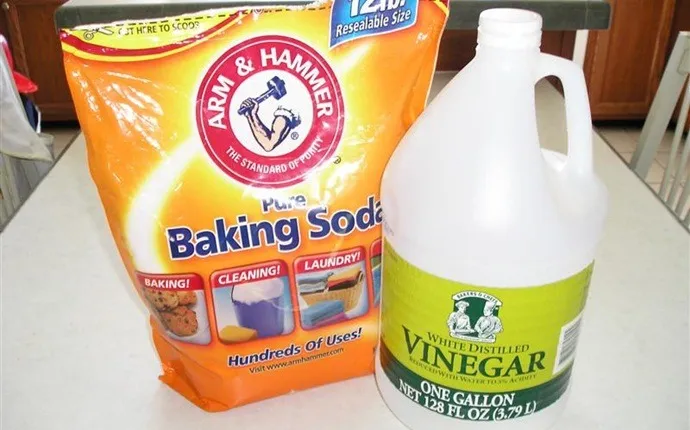
The quest for a brighter smile often leads people to explore various DIY teeth whitening methods. Among the most discussed are the use of baking soda and vinegar. Both substances are readily available and inexpensive, making them an appealing option for those looking for affordable teeth-whitening solutions. However, it’s essential to understand the science behind these ingredients and the potential risks involved before incorporating them into your oral hygiene routine. This article will delve into seven key facts to consider before you begin using baking soda and vinegar for teeth whitening.
The Science Behind Baking Soda and Vinegar
To understand the effectiveness of baking soda and vinegar for teeth whitening, it’s crucial to examine their individual properties. Baking soda is a mild abrasive and a base, while vinegar is an acid. The combination of these two creates a chemical reaction that can theoretically help remove surface stains. However, the exact impact on teeth whitening requires a more in-depth look at each component’s mechanisms and how they interact within the oral environment.
How Baking Soda Works
Baking soda (sodium bicarbonate) is a fine, crystalline powder often used in toothpaste and other oral hygiene products. Its abrasive nature helps to scrub away stains from the surface of the teeth. This mechanical action is similar to how a polishing agent works. However, it’s crucial to use baking soda cautiously, as excessive abrasion can damage the enamel. Furthermore, baking soda can neutralize acids in the mouth, which helps reduce the risk of tooth decay.
How Vinegar Works

Vinegar, typically white vinegar, is an acidic solution. The acidity of vinegar can potentially help dissolve some stains on the teeth. However, the acidity also poses potential risks. When used on teeth, it can erode the enamel. The pH level of vinegar is significantly lower than the ideal pH for the oral cavity, which is neutral. Therefore, frequent use of vinegar on teeth is not recommended. The effectiveness of vinegar in teeth whitening is also questionable, as the acidic nature might not directly address the causes of discoloration.
Effectiveness of Baking Soda and Vinegar for Whitening Teeth
The combination of baking soda and vinegar for teeth whitening presents a complex interplay of benefits and drawbacks. While some users report experiencing a slight improvement in tooth color, the overall effectiveness is not as significant as that of professional teeth whitening treatments or even over-the-counter whitening products. Furthermore, the potential risks must be carefully considered before proceeding with this DIY approach. Here is a detailed look into the effectiveness.
Fact 1 Does it Really Work
The anecdotal evidence regarding the effectiveness of baking soda and vinegar for teeth whitening is mixed. Some people claim they have noticed a difference in the brightness of their teeth, while others report little to no change. The results often depend on the type of stains present, the frequency of use, and individual tooth enamel. In many cases, the whitening effect, if any, is superficial and short-lived. Stubborn stains, like those caused by coffee, tea, or smoking, may not respond well to this method.
Fact 2 What the Studies Say

Scientific studies on the effectiveness of baking soda and vinegar for teeth whitening are limited. Most research focuses on the use of baking soda in toothpaste formulations. These studies suggest that baking soda can help remove plaque and surface stains due to its abrasive properties. However, the combined use of baking soda and vinegar has not been extensively studied. There is a lack of concrete scientific evidence to support the claim that this method is an effective teeth-whitening treatment. Therefore, relying on this method may be based more on personal experiences rather than scientific data.
Safety Concerns
The use of baking soda and vinegar for teeth whitening comes with several safety concerns that should be taken into consideration. Both substances have properties that could potentially harm the teeth and gums if used improperly or too frequently. Understanding these risks is crucial to making an informed decision about whether to use this DIY method. The potential for enamel erosion, gum irritation, and other adverse effects makes it essential to approach this method cautiously, if at all.
Fact 3 Potential Risks
One of the primary risks associated with using baking soda and vinegar for teeth whitening is enamel erosion. The abrasive nature of baking soda, combined with the acidity of vinegar, can wear down the enamel over time. Enamel is the protective outer layer of the teeth, and once it is damaged, it cannot be repaired. This can lead to increased sensitivity, a higher risk of cavities, and discoloration. The combined effects of abrasion and acid exposure pose a significant threat to dental health.
Fact 4 Enamel Erosion

The long-term use of baking soda and vinegar can lead to significant enamel erosion. The abrasive particles in baking soda can scrape away at the enamel, especially when used with excessive force or frequency. Moreover, the acidic nature of vinegar softens the enamel, making it more vulnerable to damage. As the enamel wears away, the underlying dentin becomes exposed, which is naturally more yellow. This can worsen the appearance of the teeth and increase sensitivity to hot and cold foods and drinks.
Fact 5 Gum Irritation
The abrasive properties of baking soda and the acidic nature of vinegar can irritate the gums. Frequent use of this combination can lead to gum inflammation, redness, and bleeding. Individuals with sensitive gums are particularly at risk. Irritated gums can also make it more difficult to maintain good oral hygiene, as brushing and flossing may become painful. Long-term gum irritation can contribute to gum disease.
How to Use Baking Soda and Vinegar for Whitening
If you are considering using baking soda and vinegar for teeth whitening, it’s crucial to do so with extreme caution. The following guidelines outline the recommended ratio and application technique. However, it’s important to remember that these methods are not supported by scientific evidence and should be used at your own risk. Always consult with a dentist before attempting any DIY teeth whitening methods.
Fact 6 The Right Ratio

If you decide to try baking soda and vinegar, the recommended ratio is usually a small amount of baking soda mixed with a tiny amount of vinegar to form a paste. It is important to use only a very small amount of vinegar, as the acid can be damaging to the teeth. The precise ratio varies, but the goal is to create a thick paste. Some sources suggest a few drops of vinegar mixed with a teaspoon of baking soda. Be cautious when mixing, as the mixture will fizz. The best is to use the paste immediately after mixing.
Fact 7 Application Technique
Apply the paste to your teeth using a soft-bristled toothbrush. Brush gently in a circular motion for no more than one or two minutes. Avoid scrubbing vigorously, as this can damage the enamel. After brushing, rinse your mouth thoroughly with water to remove any remaining paste. Do not repeat this process more than once or twice a week. For best results, follow up with regular brushing with fluoride toothpaste to help remineralize the enamel.
Alternatives to Baking Soda and Vinegar for Whitening
Several safer and more effective alternatives are available for teeth whitening. These include professional teeth whitening treatments performed by a dentist and over-the-counter whitening products. Professional treatments, such as in-office bleaching, provide the most significant results and are carried out under the supervision of a dental professional. Over-the-counter options include whitening toothpaste, strips, and gels, which contain ingredients like hydrogen peroxide. These options are generally considered safer than DIY methods, but they can also cause tooth sensitivity or gum irritation in some cases.
When to See a Dentist

If you are concerned about the color of your teeth or are experiencing any oral health issues, it’s essential to consult with a dentist. A dentist can assess your oral health, determine the cause of discoloration, and recommend the most appropriate treatment plan. They can also provide professional teeth whitening treatments or suggest safer over-the-counter options. Regular dental checkups are crucial for maintaining good oral health. Furthermore, it’s essential to seek dental advice if you experience any sensitivity, pain, or irritation after using baking soda and vinegar for teeth whitening.
In conclusion, while the idea of using baking soda and vinegar for teeth whitening may be appealing due to their accessibility and low cost, it’s crucial to approach this method with caution. The lack of scientific support and potential risks of enamel erosion and gum irritation outweigh the potential benefits. Consulting a dentist for safe and effective teeth-whitening options is always the best approach to achieve a brighter smile without compromising your oral health.