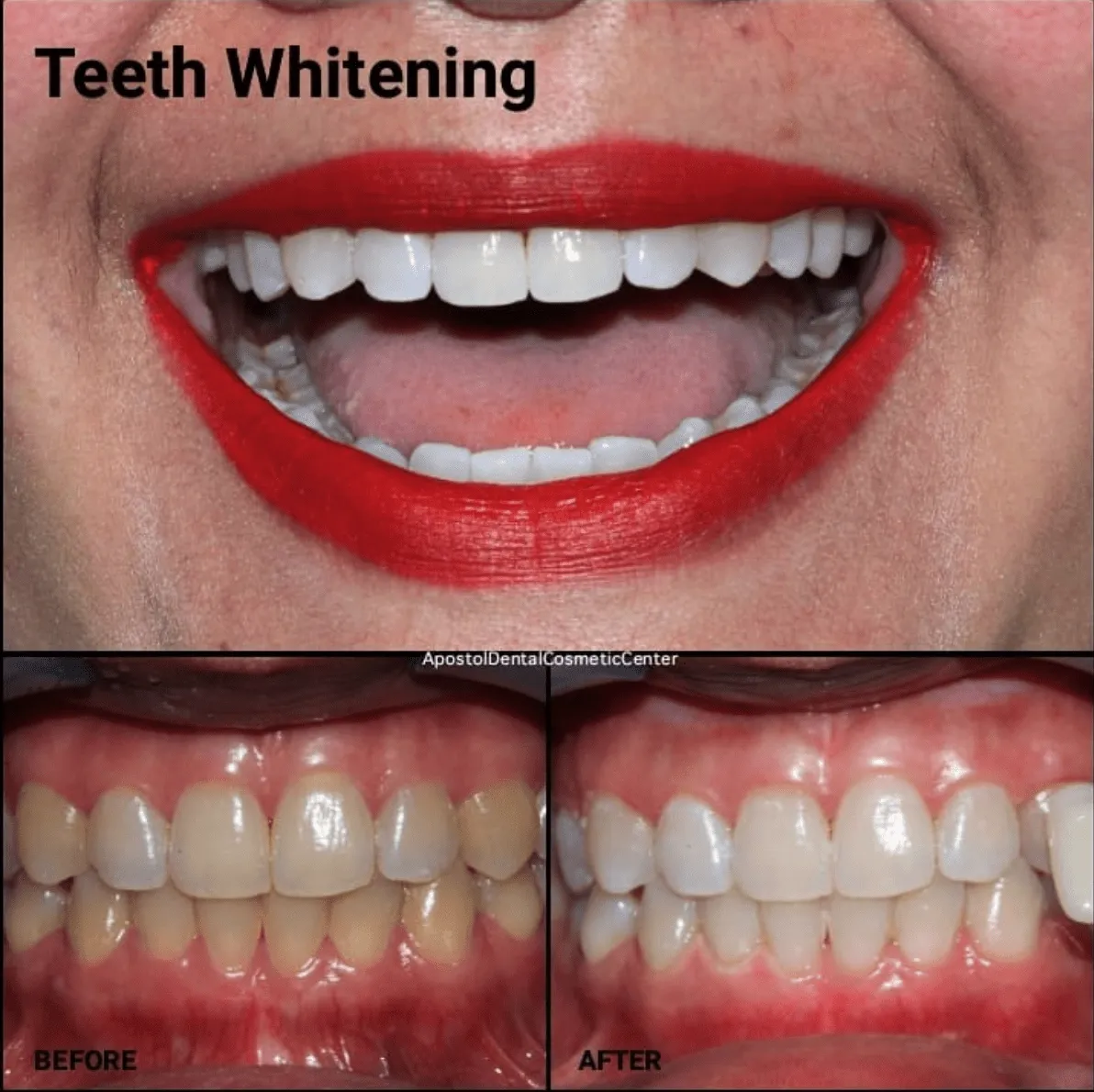
What is ACV Teeth Whitening
ACV teeth whitening is a natural approach to improving the brightness of your smile using apple cider vinegar. This method has gained popularity as a home remedy for teeth whitening due to ACV’s purported ability to remove stains and whiten teeth. The practice involves using diluted apple cider vinegar, usually mixed with water, to rinse or apply to the teeth. Many individuals turn to ACV as a more natural and potentially less expensive alternative to professional teeth whitening treatments or over-the-counter products. However, it is essential to understand both the potential benefits and risks associated with this method, as ACV’s acidity can affect tooth enamel. This approach is often favored by those seeking holistic dental care, who may be looking for methods that avoid harsh chemicals. While some users report positive results, the scientific evidence supporting ACV’s effectiveness in teeth whitening is still limited, making it a topic of ongoing debate in dental health.
How ACV Whitens Teeth
The mechanism behind ACV’s potential teeth-whitening properties lies in its acidic nature, primarily due to the presence of acetic acid. This acid is believed to help in removing stains and discoloration from the tooth surface. The acidity can break down and dissolve the stains caused by coffee, tea, and other food substances. Proponents of ACV for teeth whitening suggest that it acts similarly to other mild acidic substances used in some teeth-whitening products, gently exfoliating the tooth surface. However, it is important to highlight the potential for this acidity to also erode the enamel over time, which protects the teeth. Therefore, while ACV may initially appear to whiten teeth by removing surface stains, its long-term use carries risks that require careful consideration. The effectiveness can vary based on the concentration of the ACV used, the frequency of application, and individual tooth conditions. It’s essential to use ACV with caution and understand the possible consequences of its use on dental health.
The Best ACV for Teeth Whitening

When using ACV for teeth whitening, the type of apple cider vinegar you choose is crucial. Ideally, opt for raw, unfiltered ACV, often referred to as ‘with the mother.’ This type of ACV contains beneficial bacteria, proteins, and enzymes that may enhance its effects. The ‘mother’ appears as a murky substance at the bottom of the bottle, a sign that the ACV has not been overly processed. Unfiltered ACV is considered the purest form and may provide the best results, though it is not a guarantee. The concentration of ACV is also important; it should always be diluted with water to minimize the risk of enamel erosion. The ratio of ACV to water can vary, but starting with a highly diluted solution is always recommended. Look for organic ACV products to avoid added chemicals. By choosing the right type of ACV, you can maximize its potential benefits while minimizing risks. Always prioritize your dental health and consult with a dentist if you have any concerns before use.
ACV Teeth Whitening Step-by-Step Guide
Using ACV for teeth whitening requires a careful approach to minimize potential risks and maximize effectiveness. Always start by diluting the ACV with water; a common recommendation is to mix one or two teaspoons of ACV with a cup of water. This dilution reduces the acidity and protects your enamel. Before application, brush your teeth to remove any loose food particles. Rinse your mouth with the diluted ACV solution for about 30 seconds, swishing it around to ensure all areas are exposed. After rinsing, thoroughly rinse your mouth with plain water to remove any remaining ACV. It’s crucial not to brush your teeth immediately after using ACV, as the enamel may be temporarily softened. Wait at least 30 minutes before brushing. This entire procedure should be done no more than once or twice a week to avoid any potential damage to the teeth. Monitor your teeth and gums for any signs of sensitivity or irritation, and consult with a dental professional if you have concerns. Always prioritize oral health.
How to Prepare ACV for Teeth Whitening
Preparing ACV for teeth whitening is a simple process that ensures you’re using it safely. The key is to dilute the ACV properly. The most common method involves mixing ACV with water, using a ratio that reduces the acidity and minimizes risks to your enamel. Start with a small amount of ACV, such as one or two teaspoons, in a cup of water. This ratio ensures the mixture is not too strong. For rinsing, pour the diluted ACV into a cup. Ensure you have fresh water ready for rinsing your mouth after use. The concentration should not be stronger than necessary, as higher concentrations increase the risk of enamel erosion. Make sure all the materials, such as your cup and measuring spoons, are clean. By carefully preparing the ACV mixture, you can ensure the process is as safe as possible.
Using ACV Rinse for Whitening

Using an ACV rinse involves swishing the diluted solution in your mouth for a short period. After preparing the ACV solution (water and ACV), take a sip and swish it around your mouth thoroughly, ensuring it reaches all parts of your teeth and gums. The duration of the rinse should be short, generally around 30 seconds, to limit the exposure of your teeth to the acid. After rinsing, spit out the solution and rinse your mouth thoroughly with plain water to remove any remaining ACV residue. This step is critical to prevent prolonged exposure. Avoid swallowing the ACV solution. Following the rinse, do not brush your teeth immediately. Wait at least 30 minutes to allow your enamel to re-harden. This method is designed to gently remove surface stains, though its effectiveness varies. Performing the rinse no more than a few times a week minimizes the risk of enamel erosion. Be mindful of any sensitivity and consult with a dentist if you have any concerns.
How to Apply ACV with a Cotton Swab
Applying ACV with a cotton swab is a more targeted approach. Dip a clean cotton swab into your diluted ACV solution. Gently apply the solution to the surfaces of your teeth, focusing on areas with visible staining. Be careful to avoid touching your gums, as ACV can cause irritation. After applying the solution, let it sit on your teeth for a very short time, usually less than a minute. This ensures the acid has minimal contact. Rinse your mouth thoroughly with water to remove any remaining ACV residue. Like the rinse method, wait at least 30 minutes before brushing your teeth. This targeted method provides a more direct application, which may be more effective for specific stains. Use this method sparingly, no more than once or twice a week. Always observe how your teeth and gums react, and stop using the method if you experience any sensitivity or discomfort. This is not a replacement for professional dental care.
How to use ACV with Baking Soda
Combining ACV with baking soda for teeth whitening involves mixing a small amount of each to create a paste. Start by mixing a small amount of baking soda, usually a teaspoon, with enough ACV to form a paste. The mixture should be thick enough to adhere to your teeth. Apply the paste to your teeth, using your fingers or a toothbrush with soft bristles. Gently brush your teeth with the paste for about a minute, making sure to cover all surfaces. Baking soda is a gentle abrasive that can help remove stains, while the ACV may contribute to the whitening effect. Rinse your mouth thoroughly with water, and then brush your teeth with regular toothpaste to remove any remaining residue. This method should not be used frequently; once a week is typically recommended. Using this combination too often can damage your enamel due to the abrasive nature of baking soda and the acidity of ACV. Monitor your teeth for any signs of sensitivity or irritation. If you have any concerns, consult a dentist before using this method.
ACV Teeth Whitening Precautions

When considering ACV teeth whitening, it’s essential to take several precautions to protect your dental health. Always dilute ACV with water to reduce its acidity. Undiluted ACV is highly acidic and can erode tooth enamel rapidly. Limit the frequency of use to once or twice a week at most. Frequent exposure to acid increases the risk of enamel erosion. After using ACV, wait at least 30 minutes before brushing your teeth; this allows your enamel to re-harden. Avoid using ACV if you have sensitive teeth or gums, as the acid can cause irritation. If you experience increased sensitivity, discontinue use immediately. Consult with your dentist before starting ACV teeth whitening, especially if you have any existing dental issues. Be mindful of any unusual signs. Always prioritize professional dental advice and follow your dentist’s recommendations. This will prevent damage and maintain overall oral health.
Potential Side Effects of ACV Teeth Whitening
ACV teeth whitening can cause several side effects. The primary concern is enamel erosion, which can make teeth more sensitive to hot and cold temperatures. It increases the risk of cavities and discoloration. Gum irritation is another potential side effect, especially if the ACV solution is too strong or applied directly to the gums. Prolonged exposure to the acid can cause inflammation and discomfort. Some users may experience a burning sensation in the mouth or throat, particularly if they accidentally swallow some of the solution. Overuse can lead to a loss of enamel, which can’t be replaced. If you notice any of these side effects, stop using ACV for teeth whitening immediately and consult with your dentist. Regular dental check-ups can help monitor the condition of your enamel and gums.
Who Should Avoid ACV Teeth Whitening
Certain individuals should avoid ACV teeth whitening due to potential risks. People with sensitive teeth or gums should steer clear, as the acidity can cause irritation and discomfort. Those with existing dental issues, such as enamel erosion, cavities, or gum disease, should not use ACV without consulting their dentist first. Children and teenagers should not use ACV for teeth whitening because their enamel is still developing and more susceptible to damage. Individuals with acid reflux or other conditions that increase the acidity in their mouth should also avoid ACV. Anyone who has had dental procedures, such as fillings or crowns, should consult their dentist before using ACV. If you are unsure about your dental health, it’s best to consult your dentist before starting any teeth-whitening method. It is always better to err on the side of caution and prioritize professional dental care.
ACV Teeth Whitening Alternatives

If ACV teeth whitening is not suitable for you, several alternatives can improve your smile’s brightness. Over-the-counter whitening products, such as whitening toothpastes, strips, and gels, are readily available and often safer options. These products usually contain hydrogen peroxide or other bleaching agents that gently remove stains. Professional teeth whitening treatments offered by dentists are another effective option. These treatments use stronger bleaching agents and can provide more dramatic results. Regular dental cleanings can also help remove surface stains and brighten your teeth. Good oral hygiene practices, including brushing and flossing daily, are essential for maintaining a healthy and bright smile. Consider using teeth-whitening products recommended by your dentist. Consult with your dentist to determine the best teeth whitening method for you.
Other Teeth Whitening Methods
Apart from ACV, several other methods can help whiten your teeth. Whitening toothpastes contain mild abrasives and sometimes bleaching agents that remove surface stains. Whitening strips are another popular option, providing a convenient and effective way to brighten your teeth at home. These strips contain a peroxide-based bleaching agent that adheres to the teeth. Professional teeth whitening, performed by a dentist, offers the most dramatic results. This involves using stronger bleaching agents under controlled conditions, ensuring safety and effectiveness. In-office treatments can significantly lighten your teeth in a short period. Maintaining good oral hygiene, including regular brushing, flossing, and dental check-ups, is crucial for a healthy and bright smile. Consider incorporating these various methods into your dental care routine. Consult with your dentist to determine the best approach for your teeth.