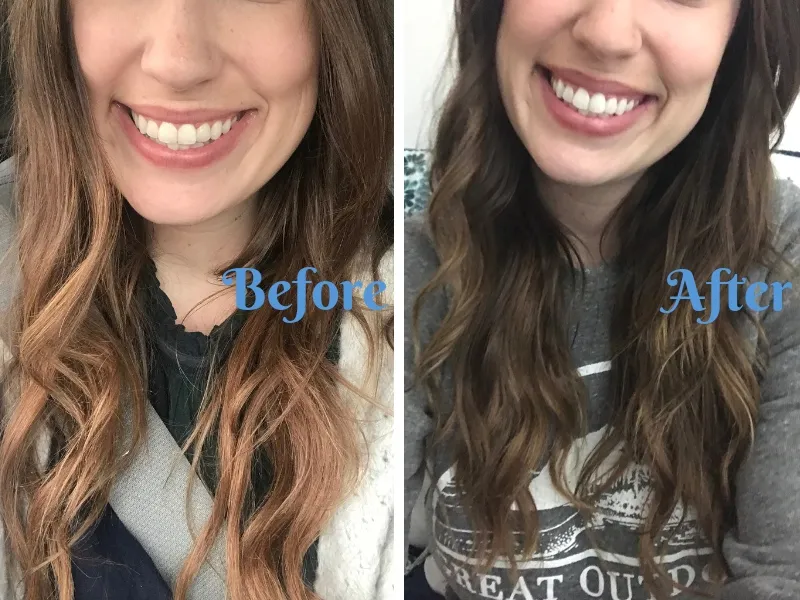
Understanding 3D Whitening Strips
3D whitening strips have revolutionized the way people approach teeth whitening, offering a convenient and accessible solution for achieving a brighter smile. These strips are thin, flexible pieces of plastic coated with a whitening agent, typically hydrogen peroxide or carbamide peroxide. Designed to adhere directly to the teeth, they provide a targeted approach to remove surface stains and discoloration. Unlike some other whitening methods, 3D whitening strips are easy to use at home, making them a popular choice for those seeking a quick and effective way to enhance their smile. Understanding how these strips work and what they contain is the first step toward achieving the desired results.
How 3D Whitening Strips Work
The active ingredients in 3D whitening strips, primarily hydrogen peroxide or carbamide peroxide, penetrate the enamel of your teeth to break down stains. Hydrogen peroxide, when it comes into contact with your teeth, releases oxygen molecules. These molecules then interact with the stain molecules, breaking the bonds that hold them together. As a result, the stains are dispersed, and your teeth appear whiter. The duration of use, the concentration of the whitening agent, and the frequency of application all influence the effectiveness of the process. The strips are designed to be in direct contact with the teeth for a specific amount of time, allowing the whitening agent to work its magic. Consistent use, as directed, is key to seeing noticeable changes in the color of your teeth.
Key Ingredients in 3D Whitening Strips

The effectiveness of 3D whitening strips hinges on the active ingredients used in their formulation. Hydrogen peroxide is a common whitening agent, known for its ability to penetrate the enamel and break down stain molecules. Carbamide peroxide is another frequently used ingredient, which breaks down into hydrogen peroxide and urea. Urea helps to stabilize the hydrogen peroxide, extending its shelf life and potentially reducing sensitivity. Alongside these active ingredients, 3D whitening strips often contain other components to ensure proper adhesion to the teeth, such as adhesives and polymers. These ingredients contribute to the overall efficacy and user experience of the strips, ensuring they effectively target stains while staying securely in place during the whitening process. The precise formulation and concentration of these ingredients can vary among different brands and products, but all are designed to achieve a brighter, whiter smile.
Benefits of Using 3D Whitening Strips
3D whitening strips offer numerous advantages for those seeking to enhance their smile. One of the most appealing benefits is their ability to deliver effective teeth whitening in the comfort of your own home. This eliminates the need for costly and time-consuming visits to the dentist’s office, making them a convenient option for busy individuals. The ease of use is another major plus; the strips are simple to apply and fit comfortably over the teeth. 3D whitening strips offer a noticeable improvement in the brightness of your teeth, boosting your confidence and providing a more youthful appearance. The combination of effective results and ease of use makes 3D whitening strips a popular and practical choice for many.
Effective Teeth Whitening
The primary benefit of 3D whitening strips is their capacity to effectively whiten teeth. The active ingredients, such as hydrogen peroxide, work to penetrate the enamel and lift away stains caused by coffee, tea, tobacco, and aging. The results are often visible within a few days, with continued improvement over the course of the treatment period. Many users experience a significant enhancement in the brightness of their teeth, often several shades lighter. While results can vary based on the initial shade of the teeth and the type of stains, 3D whitening strips are designed to provide a noticeable and desirable change in the overall appearance of your smile.
Convenience and Ease of Use

One of the biggest advantages of 3D whitening strips is their convenience. Unlike professional whitening treatments that require appointments and time in a dentist’s chair, these strips can be used at any time and place. The application is straightforward, typically involving peeling the strip from its backing and applying it to your teeth for the recommended amount of time. This simple process fits easily into daily routines, making it easy to incorporate teeth whitening into your lifestyle. There’s no need for complicated procedures or specialized equipment; the ease of use makes 3D whitening strips a practical choice for many people who want a brighter smile without hassle.
Cost-Effectiveness Compared to Other Methods
Compared to professional teeth whitening treatments, 3D whitening strips are significantly more cost-effective. Professional treatments, such as in-office whitening or custom-fitted trays with whitening gel, can be expensive. 3D whitening strips provide a more affordable option for achieving a brighter smile without a significant financial investment. While the results may not be as dramatic as some professional treatments, the lower cost makes them an accessible option for a wide range of people. They are an excellent choice for those seeking a budget-friendly method to enhance their teeth’s appearance.
Step-by-Step Guide to Using 3D Whitening Strips
Using 3D whitening strips effectively involves following a series of steps to ensure optimal results and minimize potential side effects. Proper preparation, correct application, and adherence to the instructions are essential for success. From getting your teeth ready to achieving and maintaining your results, a well-structured approach is key to maximizing the benefits of the whitening process. Careful attention to detail and a consistent routine can help you get the most out of your 3D whitening strips and achieve a noticeably brighter and more radiant smile.
Preparing Your Teeth

Before applying 3D whitening strips, it’s crucial to prepare your teeth for the whitening process. Begin by brushing your teeth gently to remove any surface debris and plaque. It is recommended to brush your teeth before applying the strips and wait for at least 30 minutes after brushing to apply the strips. This allows the enamel to settle and ensures that the whitening agent can work effectively. Avoid using a whitening toothpaste immediately before applying the strips, as this may increase sensitivity. Make sure your teeth are dry before applying the strips, as this helps the strips adhere correctly. By taking these simple steps, you can maximize the effectiveness of the whitening strips and help achieve the best possible results.
Applying the Strips Correctly
Applying 3D whitening strips correctly is essential for effective results. First, peel the strip from its backing. Some strips are designed for the upper and lower teeth separately, so make sure you use the appropriate strips. Apply the longer strip to your upper teeth and the shorter strip to your lower teeth, aligning the strip with your gumline. Gently press the strips onto your teeth, ensuring good contact and avoiding any air bubbles. Fold any excess strip behind your teeth for a secure fit. Follow the manufacturer’s instructions for the recommended wearing time, typically 30 minutes. Once the time is up, remove the strips and discard them, then rinse your mouth with water to remove any residual gel.
Important Tips for Optimal Results
To achieve the best results with 3D whitening strips, it’s important to follow some key tips. Use the strips consistently, as directed by the manufacturer, to maximize the whitening effect. Avoid eating, drinking, or smoking while the strips are in place, as these activities can compromise their effectiveness and potentially stain your teeth. If you experience any discomfort or sensitivity, you can try using the strips for a shorter duration or using a sensitivity toothpaste. Store the strips in a cool, dry place, away from direct sunlight, to maintain their efficacy. It’s also a good idea to brush your teeth gently after removing the strips to remove any lingering residue. By following these simple tips, you can enhance the results and maintain a brighter smile.
Maintaining Your White Smile
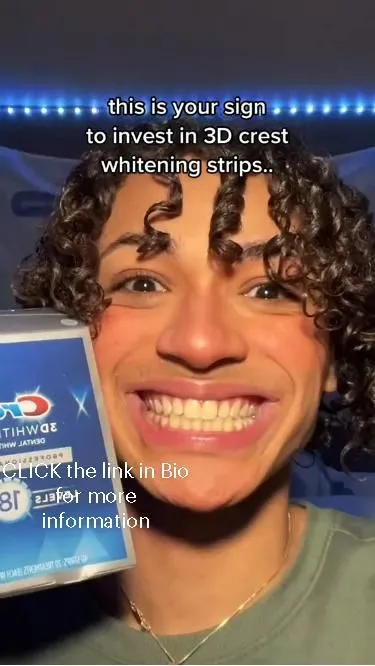
Once you’ve achieved your desired level of whiteness with 3D whitening strips, maintaining your bright smile requires consistent care and attention. This includes good oral hygiene practices, avoiding foods and drinks that can stain your teeth, and considering touch-up treatments to maintain the whitening effect. Regular dental check-ups also play a crucial role in ensuring your teeth remain healthy and your smile stays radiant. By adopting a holistic approach to oral care, you can enjoy the benefits of your whiter teeth for an extended period and maintain your beautiful, confident smile.
Post-Whitening Care
Proper post-whitening care is vital for maintaining the results of your 3D whitening strips. Immediately after whitening, your teeth may be slightly more susceptible to staining. It’s important to avoid consuming foods and drinks that are known to stain teeth, such as coffee, tea, red wine, and dark-colored berries, for at least a few days after the treatment. Continue practicing good oral hygiene, including brushing twice a day with a fluoride toothpaste and flossing daily, to keep your teeth healthy and white. Consider using a whitening toothpaste to help maintain the brightness of your smile. Regular dental check-ups and cleanings can also help to keep your teeth looking their best.
Foods and Drinks to Avoid
To protect your newly whitened teeth and prevent staining, it’s important to be mindful of the foods and drinks you consume. During and immediately after your whitening treatment, avoid items such as coffee, tea, red wine, dark sodas, and heavily pigmented fruit juices. Foods like berries, soy sauce, and tomato-based sauces can also contribute to staining. When possible, use a straw to drink beverages that could stain your teeth. If you do consume staining foods or drinks, brush your teeth afterward to remove any lingering particles. By making informed choices about your diet, you can significantly extend the life of your bright smile.
Potential Side Effects and How to Manage Them

While 3D whitening strips are generally safe, some users may experience side effects. Understanding these potential issues and how to manage them is crucial for a comfortable and effective whitening experience. The most common side effects are sensitivity and irritation, which are usually temporary and manageable. Being aware of potential problems and knowing how to handle them will help you achieve the best results while minimizing any discomfort.
Sensitivity and Irritation
The most frequently reported side effect of 3D whitening strips is tooth sensitivity. This can manifest as a sharp, temporary pain when consuming hot or cold foods and beverages. Some individuals may also experience gum irritation, characterized by mild redness or soreness. To manage sensitivity, try using a toothpaste designed for sensitive teeth, which contains ingredients like potassium nitrate. You can also reduce the duration of your whitening treatments or skip a day to give your teeth a break. If gum irritation occurs, ensure the strips are not overlapping your gumline. If symptoms persist or worsen, consult your dentist. By taking these steps, you can minimize discomfort and ensure a more pleasant whitening experience.
When to Consult a Dentist
While 3D whitening strips are a convenient solution, it’s important to know when to seek professional dental advice. If you experience persistent or severe tooth sensitivity or gum irritation, consult your dentist. They can assess the cause of the problem and provide guidance on how to alleviate the discomfort. Also, if you notice any changes in your teeth or gums, such as unusual spots or bleeding, it’s essential to see a dentist promptly. Your dentist can determine if the whitening treatment is causing any underlying issues or if there’s another oral health problem that needs attention. Regular dental check-ups are always recommended, both before and after starting any teeth whitening treatment, to ensure your overall oral health.
In conclusion, 3D whitening strips offer an effective and convenient way to achieve a brighter, more confident smile. By understanding how they work, following the correct application steps, and being aware of potential side effects, you can maximize your results and maintain your beautiful smile. Remember to prioritize good oral hygiene, make informed dietary choices, and consult your dentist when necessary. With the right approach, you can enjoy the benefits of a dazzling, white smile for years to come. Start your journey towards a brighter smile today!